Pigmented purpuric dermatoses (syn. capillaritis)

LAST UPDATED: Nov 18, 2021
Introduction

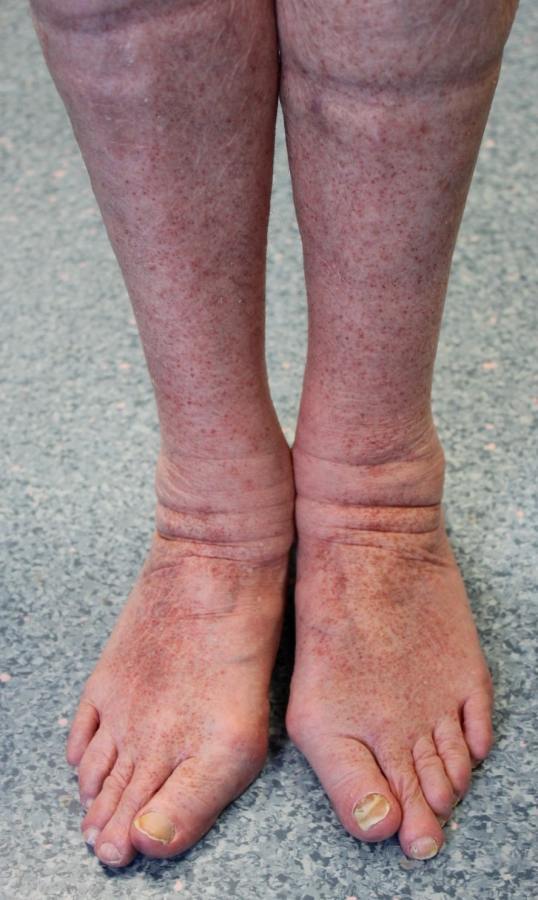
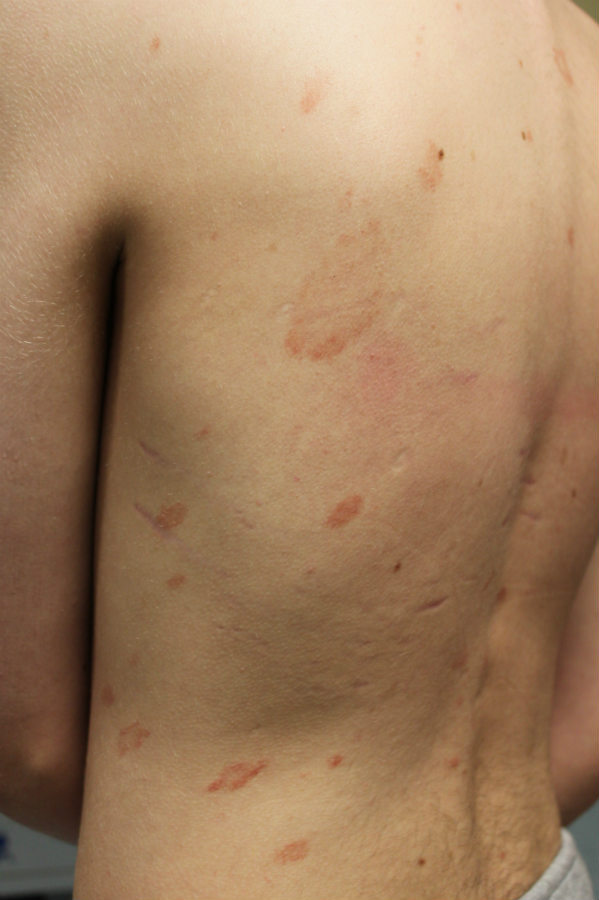
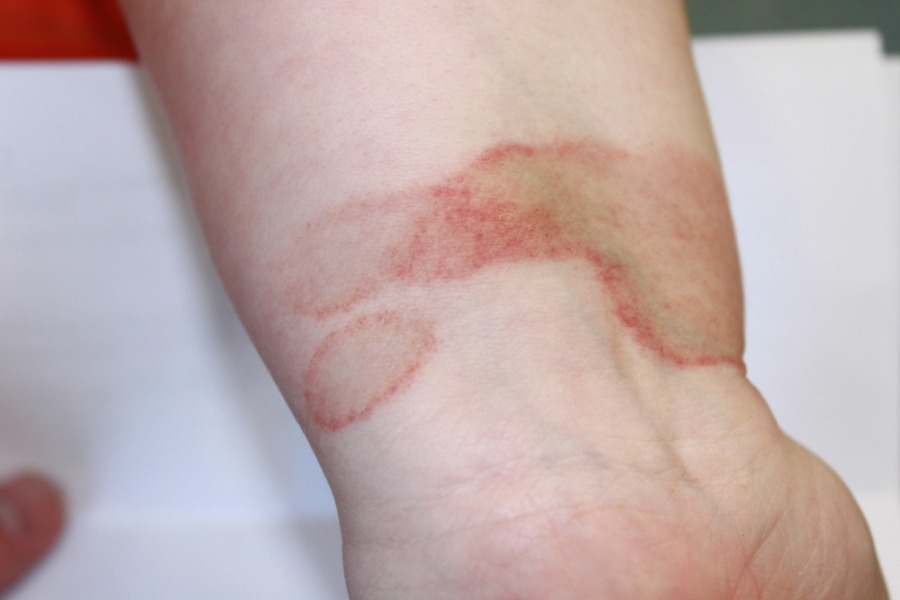
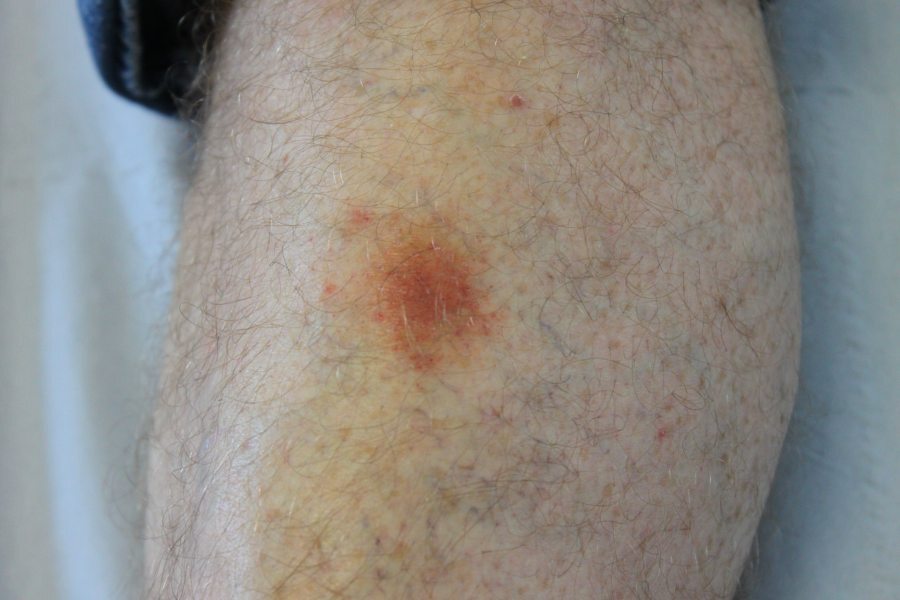
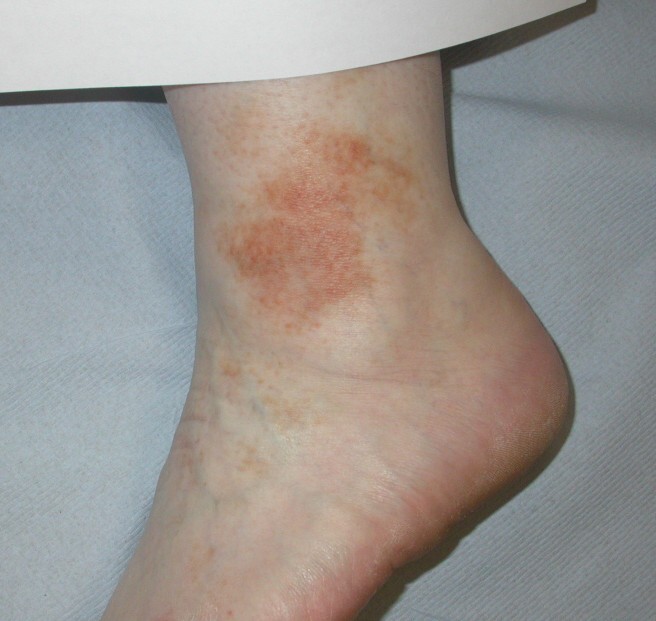
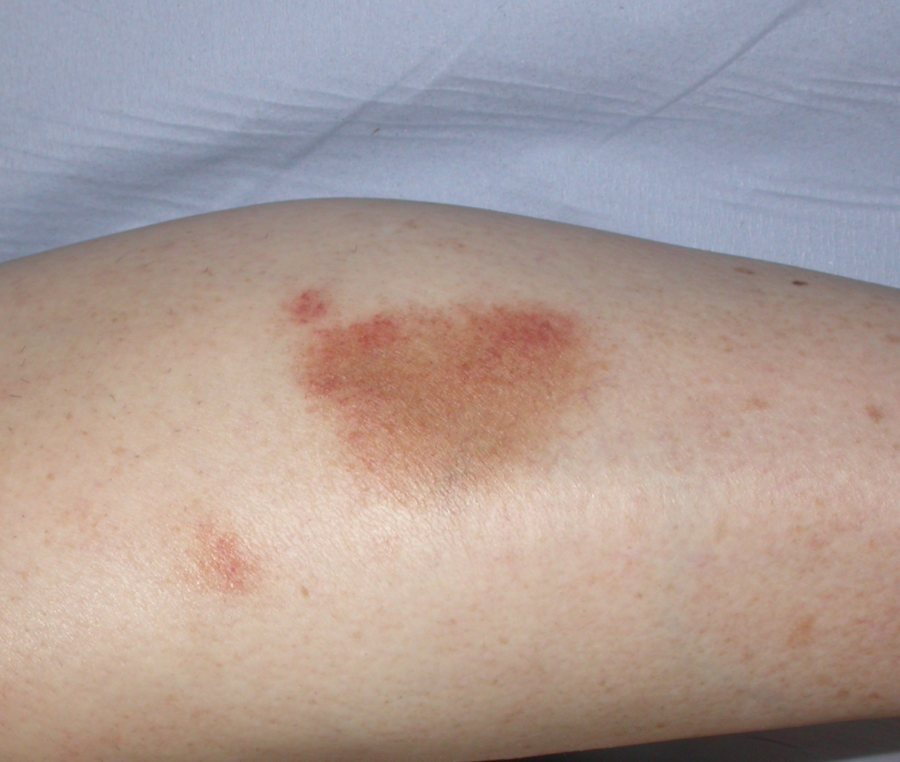
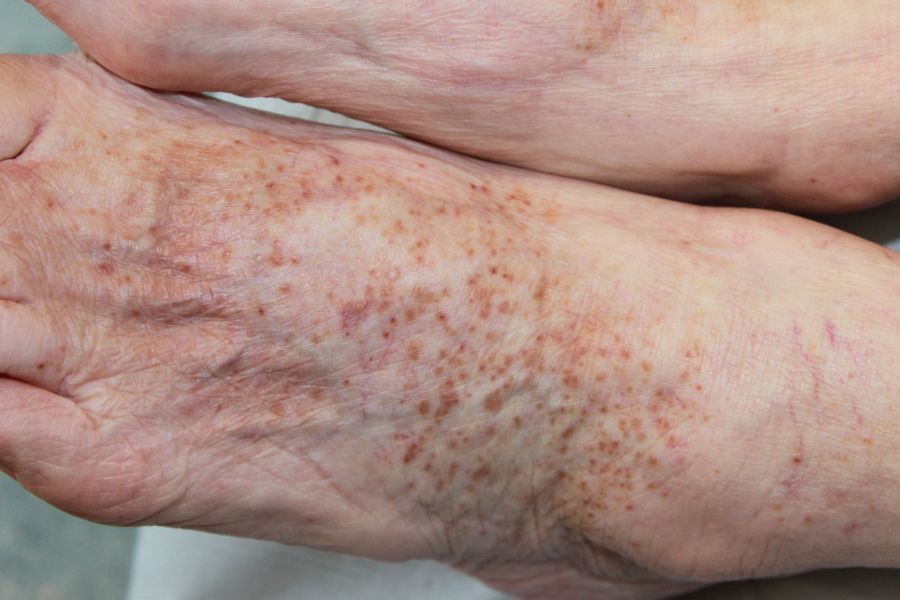
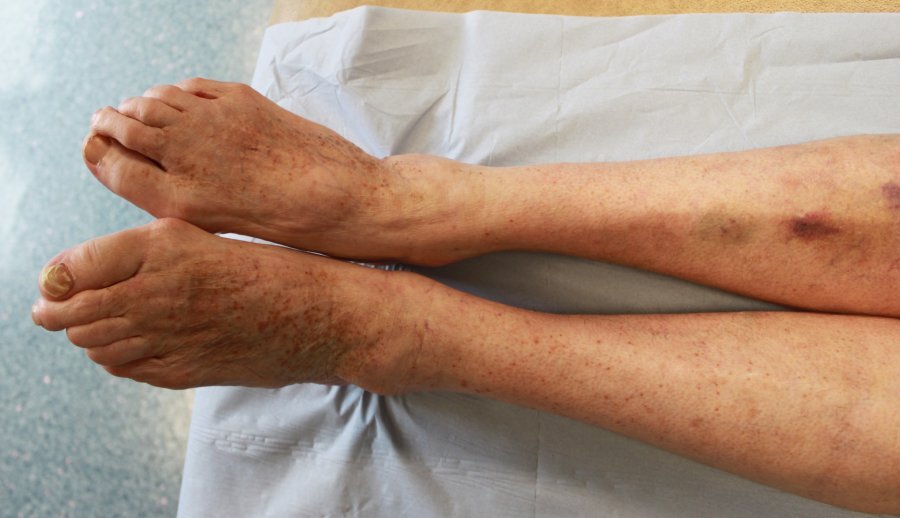
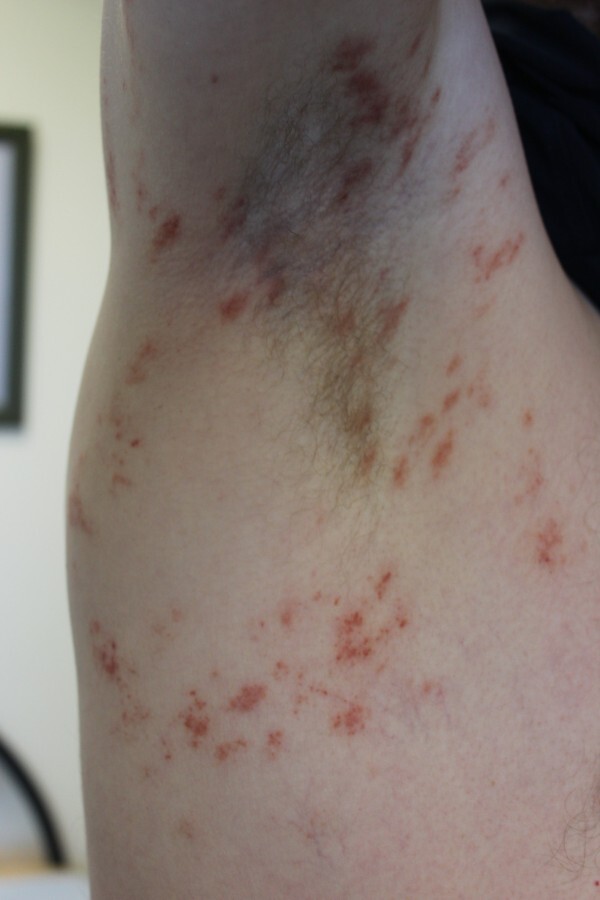
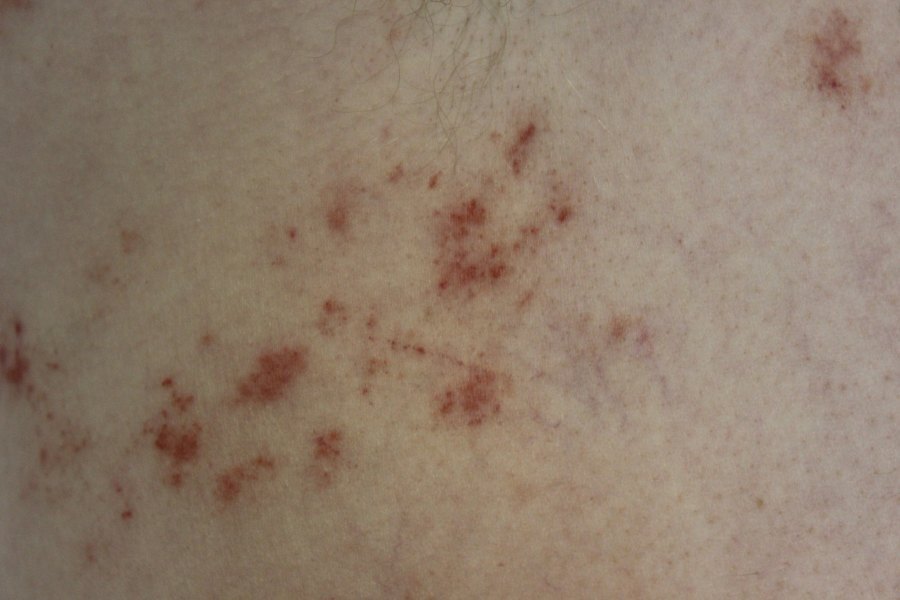
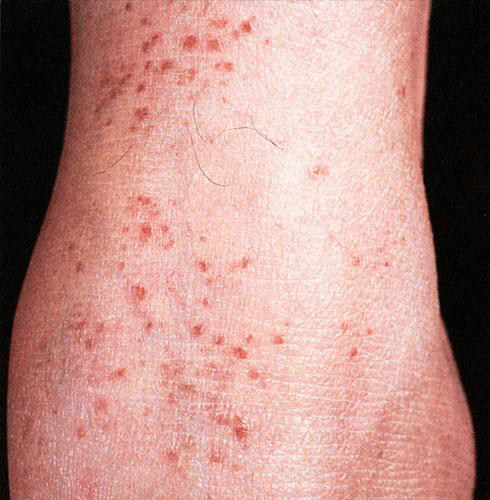
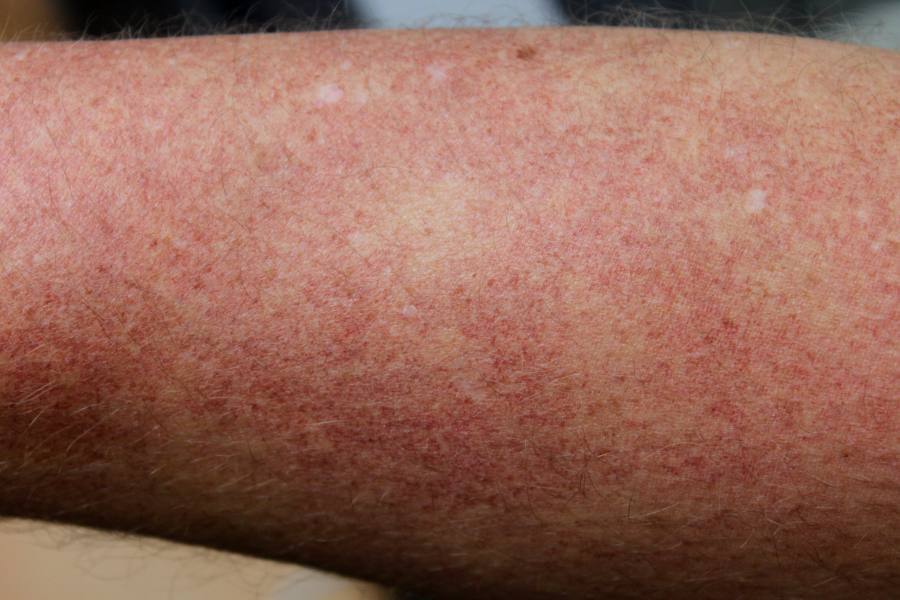
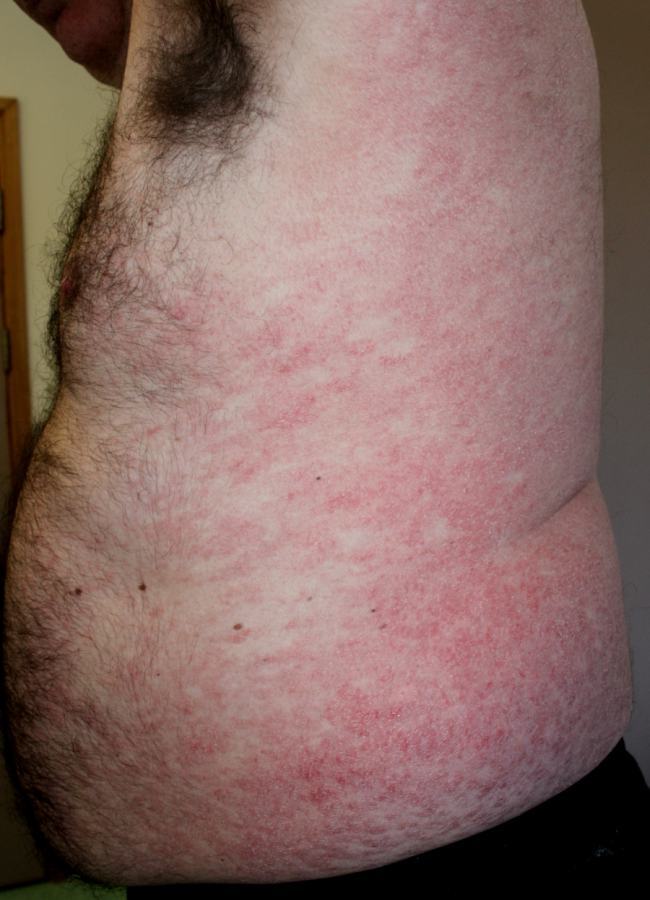
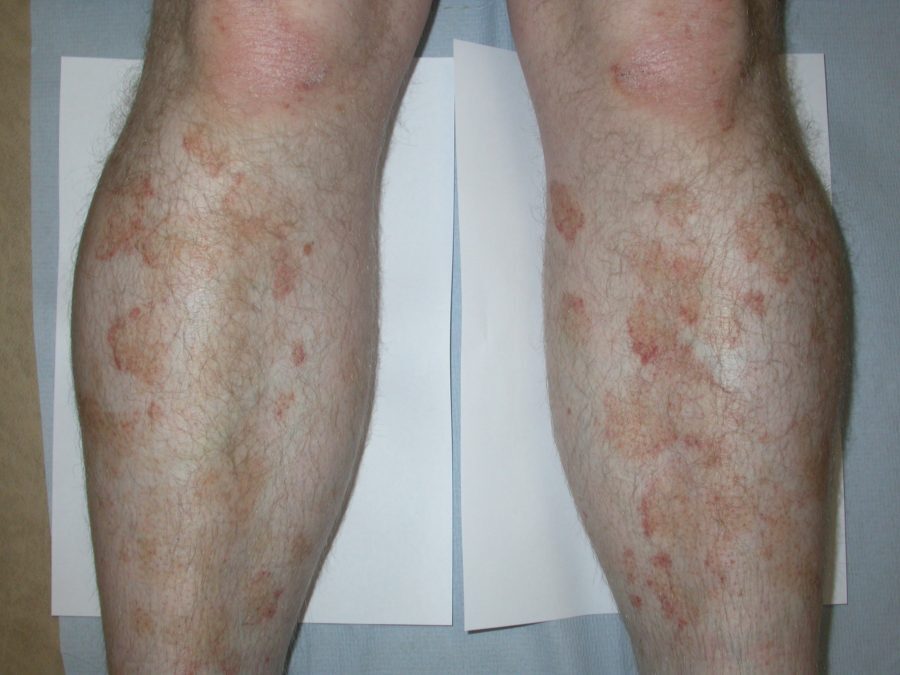
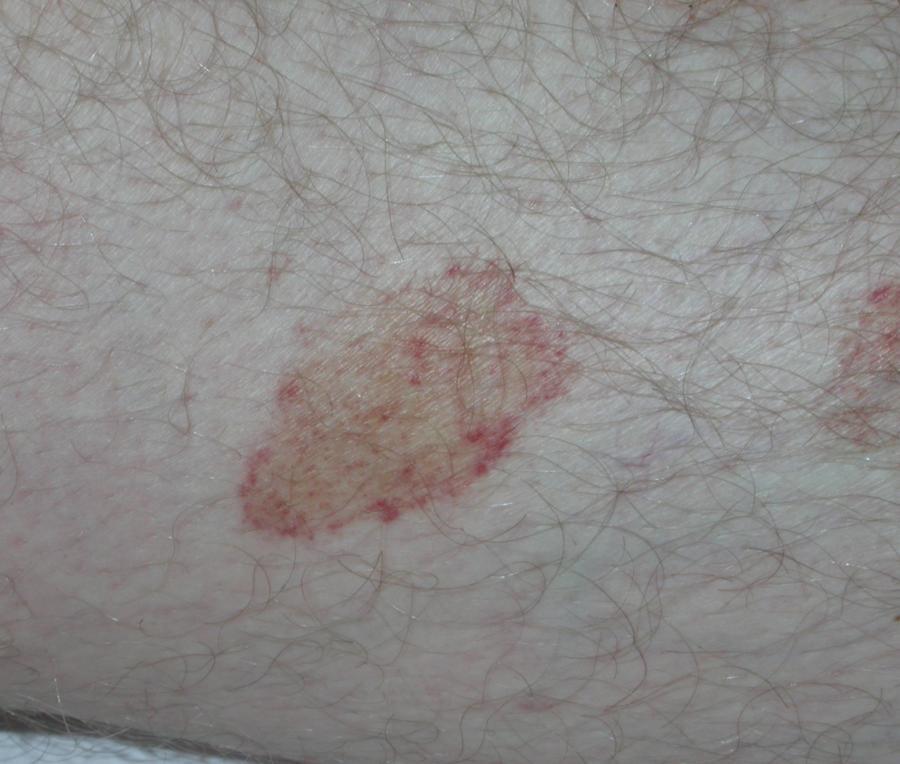
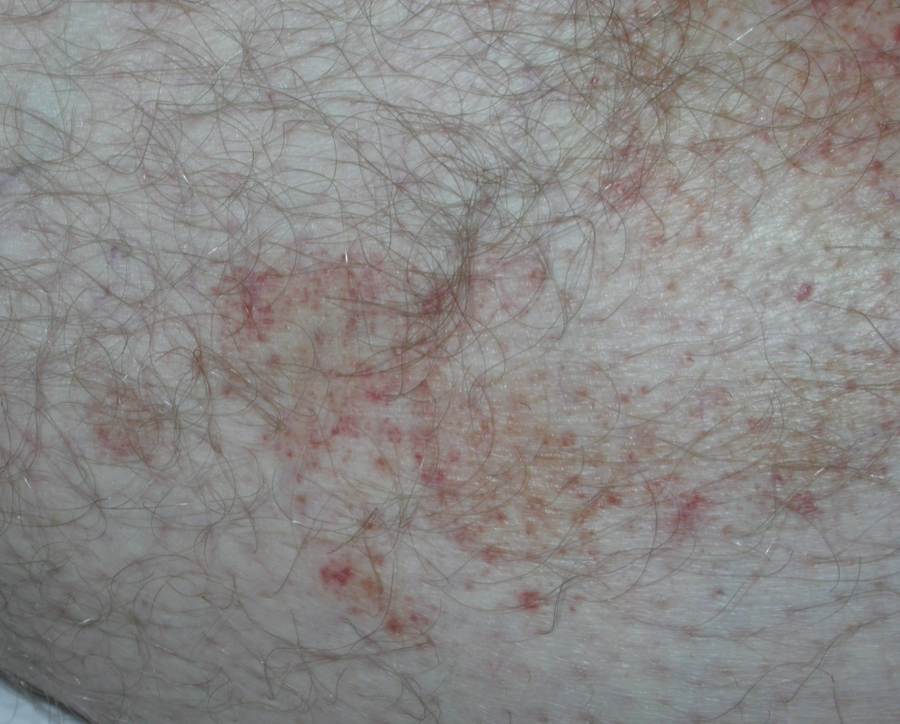
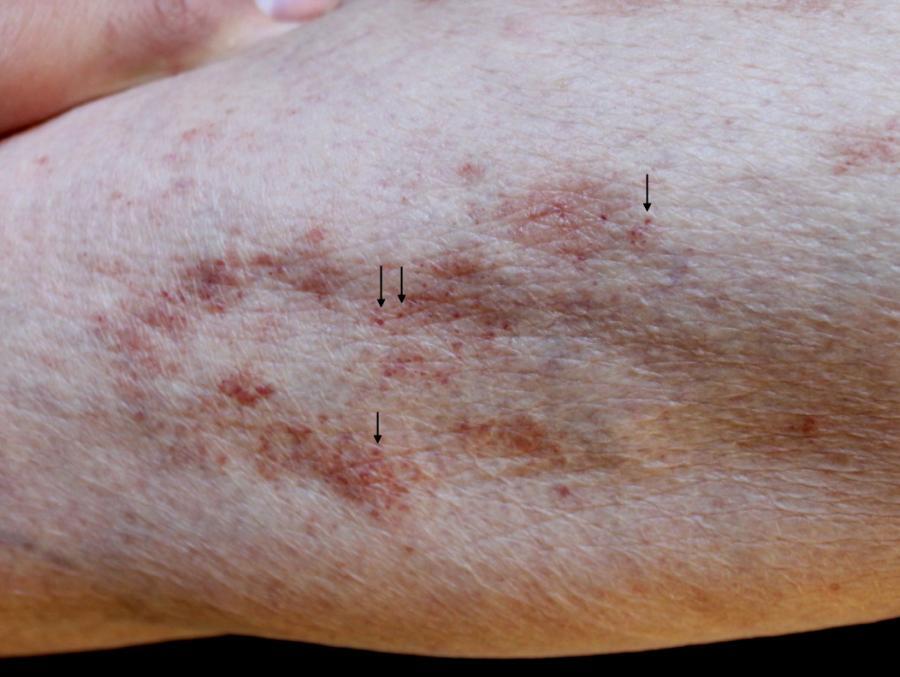
The pigmented purpuric dermatoses (syn. capillaritis) are a group of chronic skin conditions of mostly unknown aetiology that have a very distinctive clinical appearance. They are characterised by extravasation of erythrocytes in the skin with marked haemosiderin deposition, resulting in many tiny red lesions described as cayenne pepper spots, which group together to form brown-red patches.

This chapter is set out as follows:


Aetiology

  • The cause is unknown
  • Gravity is an important factor and in some cases exercise may be a provoking factor
  • Medications have been associated in 14% of cases - many drugs have been implicated

Clinical findings

Several types of capillaritis have been defined, of which some are named after the dermatologist who first described them. Not all presentations of capillaritis will fit neatly into one of these groups. 

Schamberg disease (syn. progressive pigmented purpura)

  • The most common type of capillaritis, and tends to arise in young adults
  • Generally asymptomatic
  • Distribution
    • Although most common on the lower legs, it can arise on any part of the body
  • Morphology
    • Crops of brown-orange patches with cayenne pepper spots on their borders
    • The rash is usually irregularly distributed with few or many patches

Itching purpura

  • A similar appearance to Schamberg disease but has a more rapid onset, is more itchy, and more extensive

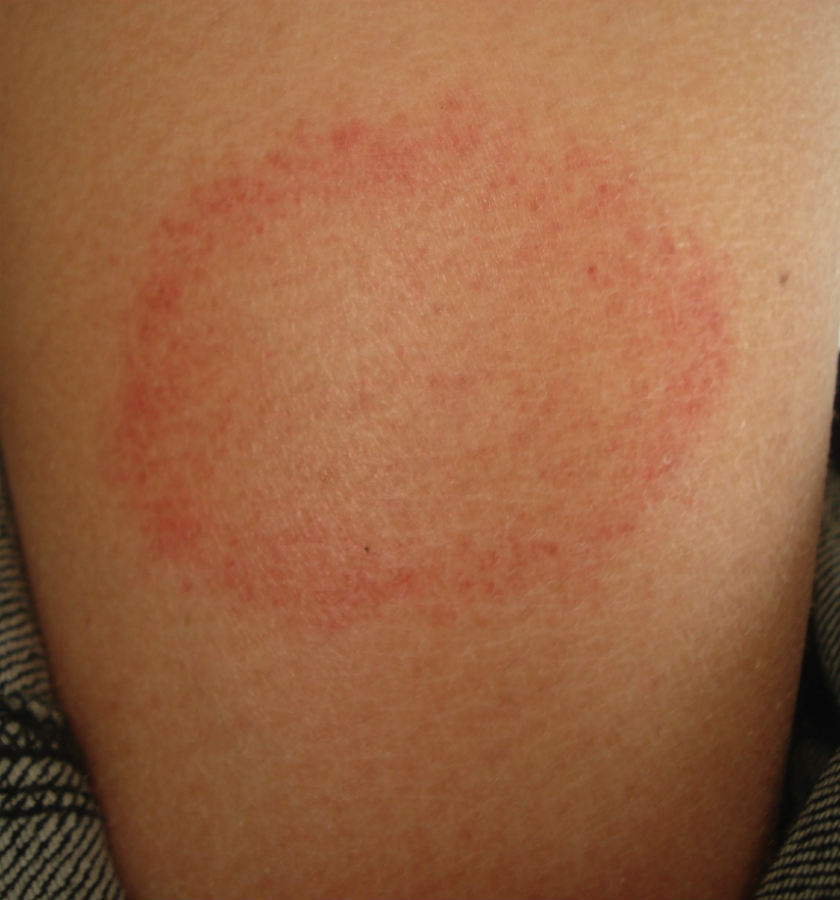
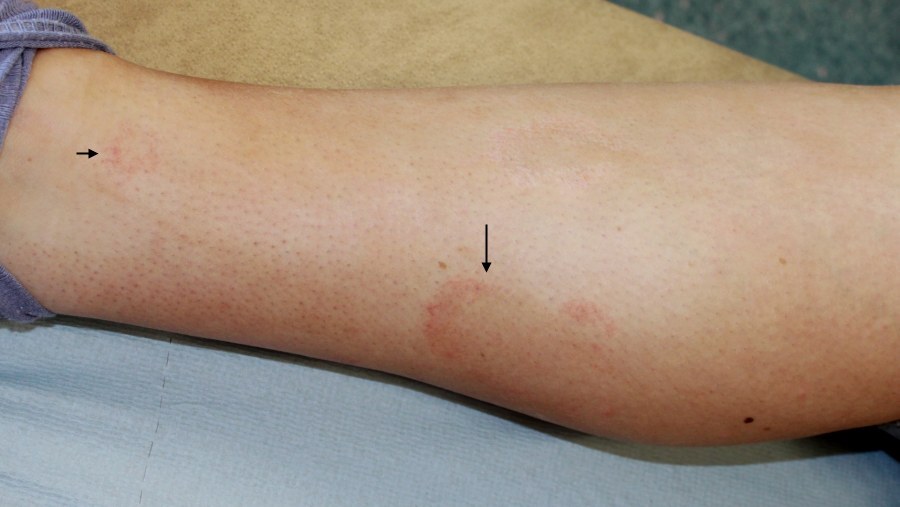
Majocchi's purpura (purpura annularis telangiectodes)

  • Although this predominantly affects young patients, any age can be affected
  • Distribution
    • Although most common on the lower legs, it can arise on any part of the body
  • Morphology
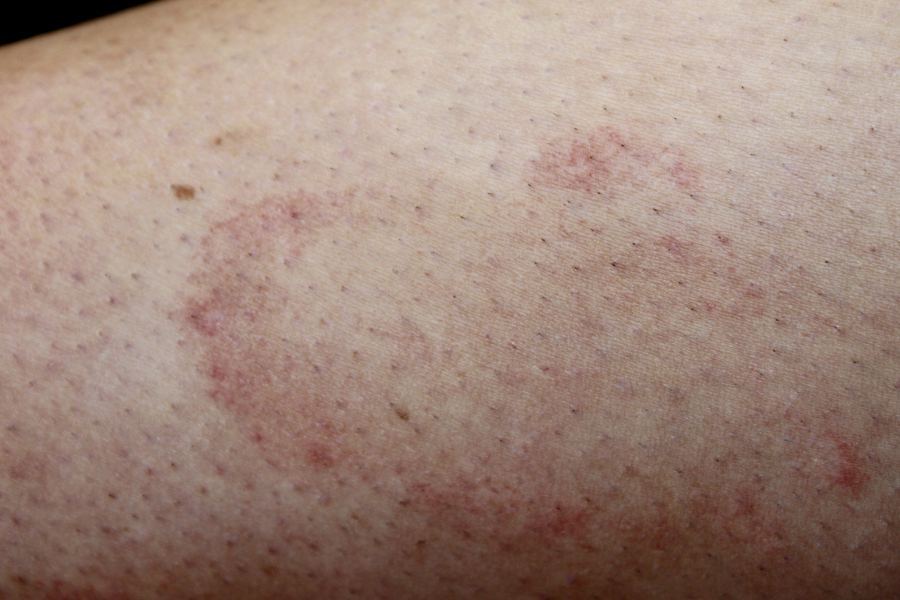
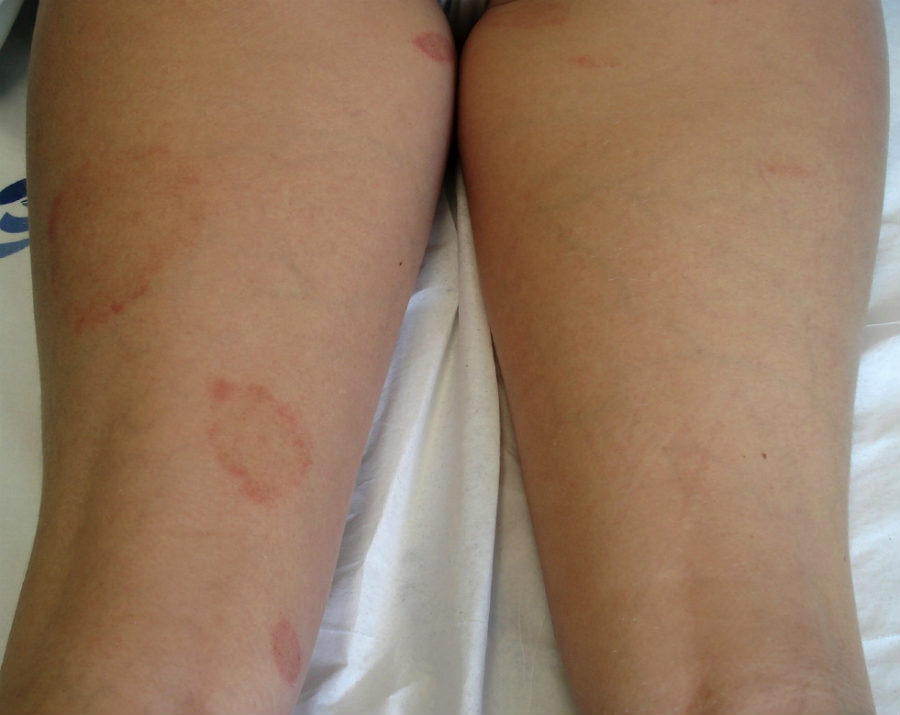
    • Clinically there are few to many, 1-3 cm patches-plaques that are usually annular from the onset, and which gradually enlarge
    • The lesions are composed of telangiectases and haemosiderin staining, may be purple, yellow or brown and may contain cayenne pepper spots

Lichen aureus

  • More common in children and young adults
  • Often described as itchy, but can be asymptomatic
  • Distribution
    • Lesions tend to be unilateral and solitary
    • They are located more frequently on the lower extremities, but can also affect the upper extremities, hands, trunk and eyelids
    • When multiple, they have a linear arrangement with or without segmental and zosteriform distribution
  • Morphology
    • A rusty-golden coloured patch, which may or may not contain purpuric dots

Gougerot-Blum syndrome (pigmented purpuric lichenoid dermatosis)

  • This form of capillaritis is less common
  • Most commonly affects males aged 40-60 years
  • Variable itch
  • Distribution
    • Predominantly the lower legs
  • Morphology
    • Lichenoid papules that become confluent and thickened

Differential diagnosis of the pigmented purpuric dermatoses

  • Thrombocytopenia
  • Poikiloderma (various types)
    • Affected patches of skin have a striking appearance with telangiectasia, atrophy and a combination of hyper- and hypopigmentation
    • Most forms of poikiloderma are benign, however patients with more extensive skin change should be considered for referral to exclude poikilodermatous mycoses fungoides (a rare form of cutaneous T-cell lymphoma), which in its early stages can look like one of the pigmented purpuric dermatoses
  • Vasculitis - causes palpable purpura. Refer to the related chapter Vasculitis

Clinical Images

Please refer to notes on image rights at bottom of the page with regards to individual image ownership.
Investigations

  • Patient require a FBC to exclude thrombocytopenia
  • A biopsy is not usually required, but if taken shows a perivascular infiltrate of lymphocytes and macrophages, which is centred on the superficial small blood vessels of the skin
  • When the rash is atypical and possibly suggestive of poikilodermatous mycoses fungoides, one or more incisional biopsies will be required because as with other types of cutaneous T-cell lymphoma the histopathological features are not always apparent in the early stages

Management

There is no known cure for most cases of capillaritis. It can disappear within a few weeks, recur from time to time, or frequently persist for years.

  • If a medication could be the cause consider discontinuing the drug if feasible
  • Emollients may have a soothing effect if the skin is sore or itchy
  • Short-term topical steroids may benefit some patients in the earlier stages when there is perhaps more in the way of inflammation of the vessels 
  • If the lower leg is affected consider graduated compression elastic hosiery

Disclaimer - the author PCDS cannot accept responsibility for any misleading or incorrect statements, and the management of individual patients remains the direct responsibility of the individual doctor. We do however hope that visitors to this site can contact us regarding comments that are considered misleading or incorrect so that we can continue to improve the site.

Image Rights - The PCDS would like to thank Dermatoweb, DermQuest (Galderma), and others who have contributed images. All named individuals and organisations maintain copyright for the relevant images.

Quick Links

The following pharmaceutical companies have had no involvement in the content of this website or in our conference programmes


Almirall
Galderma
Glenmark
Johnson & Johnson
La Roche-Posay
LEO Pharma
Pierre Fabre
Schuco