Warts
LAST UPDATED: Apr 29, 2026
Acknowledgements: This chapter has kindly been updated with the help of Dr Kash Bhatti and Mr Ivan Bristow
Introduction
Viral warts are benign growths caused by one of the many viruses of the human papillomavirus (HPV) family. The virus triggers extra cell growth causing the skin to thicken. While viral warts can affect any skin site, the hands and feet are the most commonly involved.
This chapter is set out as follows:
Aetiology
- Infection occurs by direct or indirect contact
- A damaged epithelial barrier greatly increases the risk of inoculation:
- Plantar warts transmitted from swimming pools due to the rough surfaces abrading the skin of the feet
- Periungual warts in patients who bite their fingernails
- Shaving spreads warts over the beard area
- New warts may develop along the sites of trauma; this is known as the Koebner phenomenon
- The incubation period ranges from a few weeks to over a year
Clinical findings
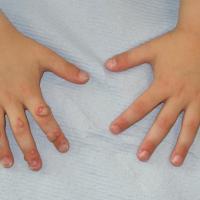
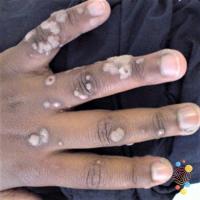
Common warts
- Mainly due to HPV 2
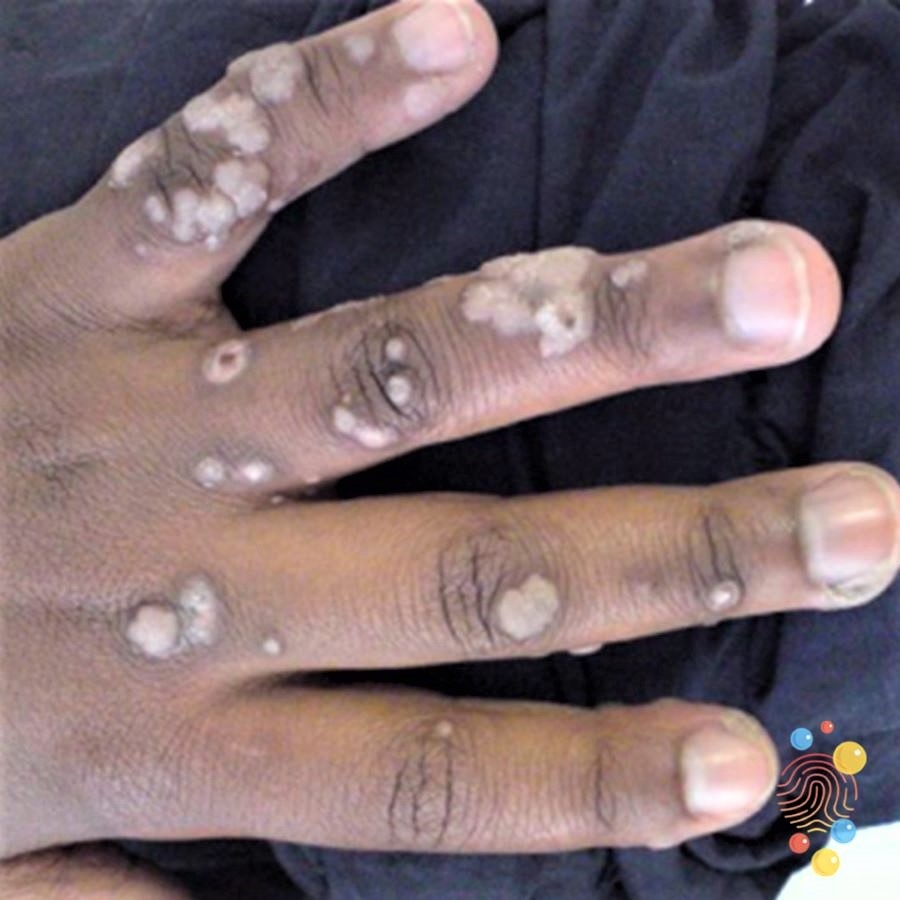
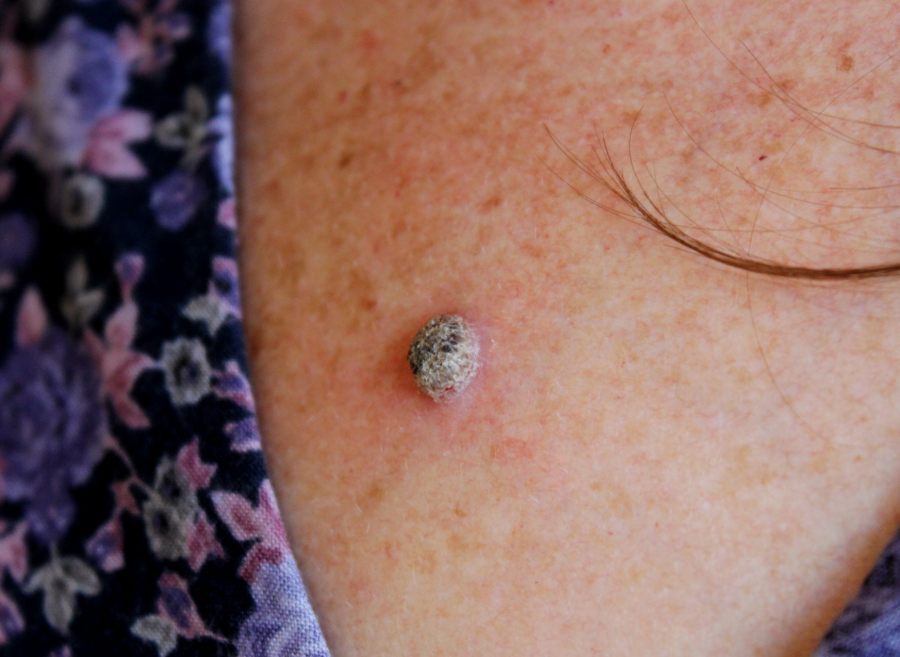
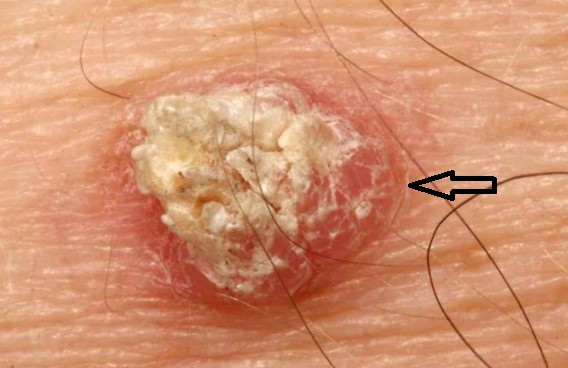
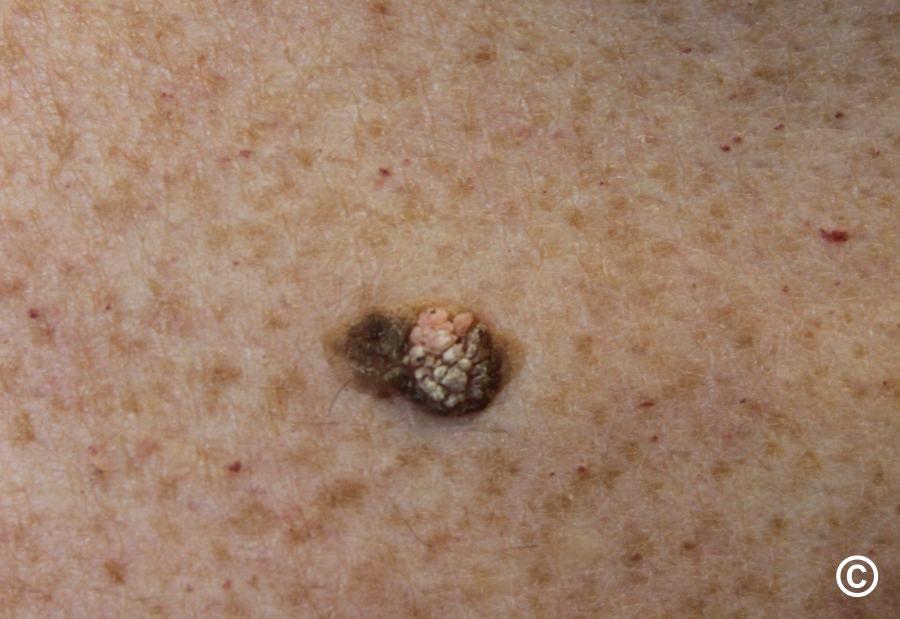
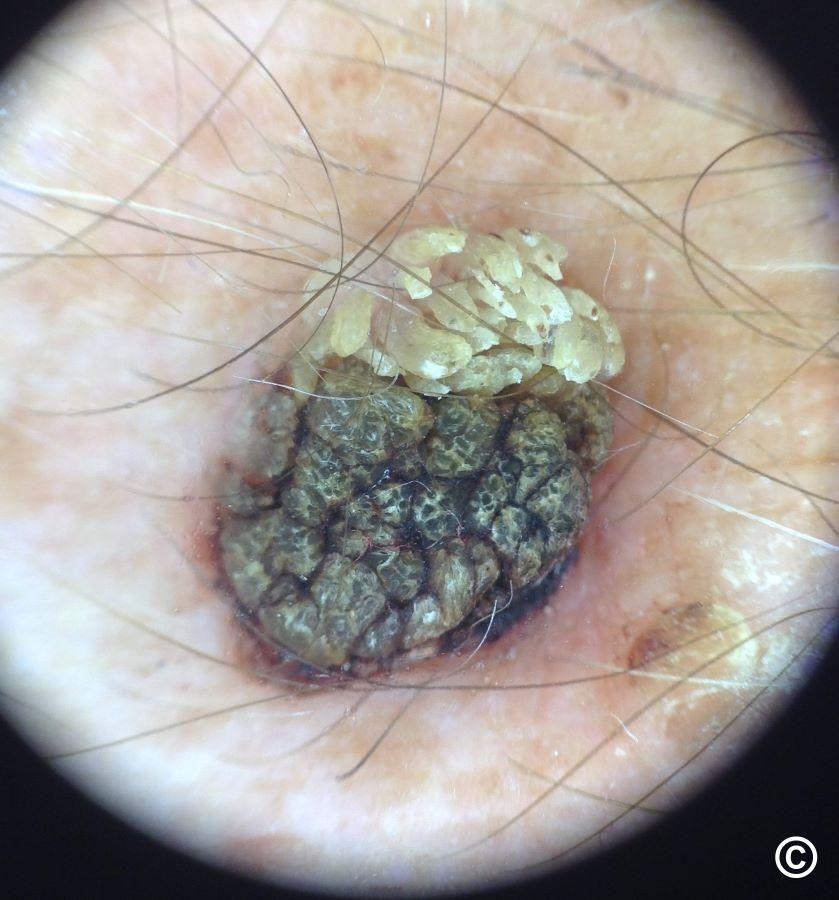
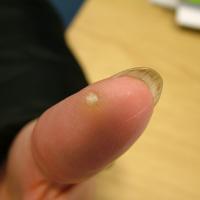
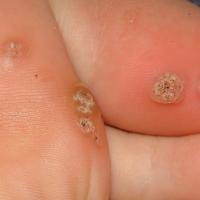
- Present as firm papules with a rough surface
- Most commonly found on the backs of the hands and fingers but can occur anywhere
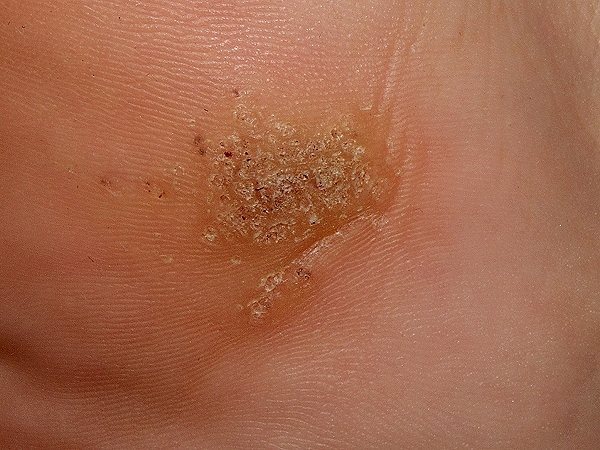
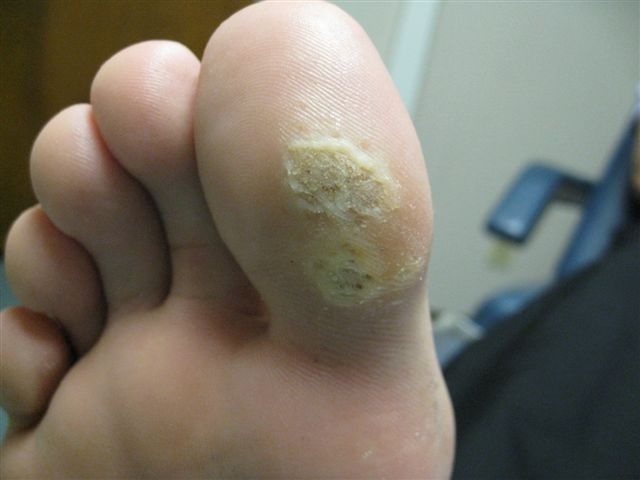
Plantar warts
- Most plantar warts are found beneath pressure points; there are two main types:
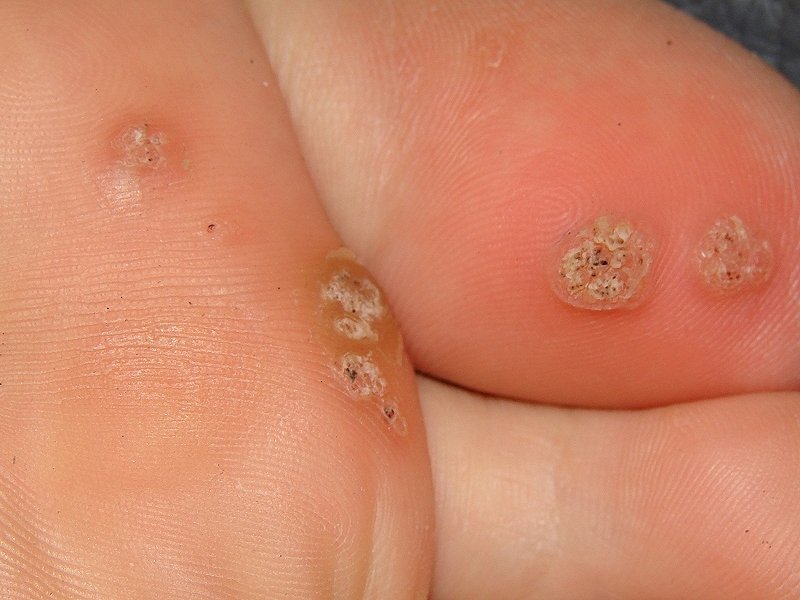
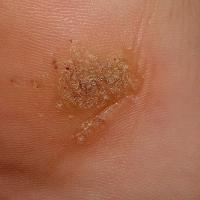
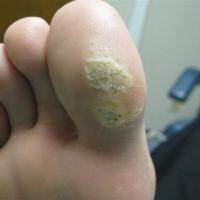
- Sharply defined rounded lesions with a rough keratotic surface, often painful
- Mosaic warts, which result from a plaque of closely grouped warts and tend not to be painful
- Plantar warts can be confused with callosities or corns. Sometimes the two appear together. Callosities have a smooth surface in which the skin markings are maintained. Warts do not maintain the skin markings and when paired small bleeding points become evident. It is also said that warts are more painful when pinched, whereas callosities are more painful on pressure
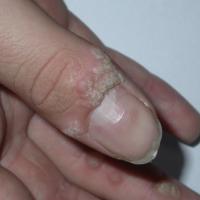
Periungual warts
- Can affect any combination of proximal nail fold, lateral nail fold, or hyponychium and may spread under the nail, causing onycholysis
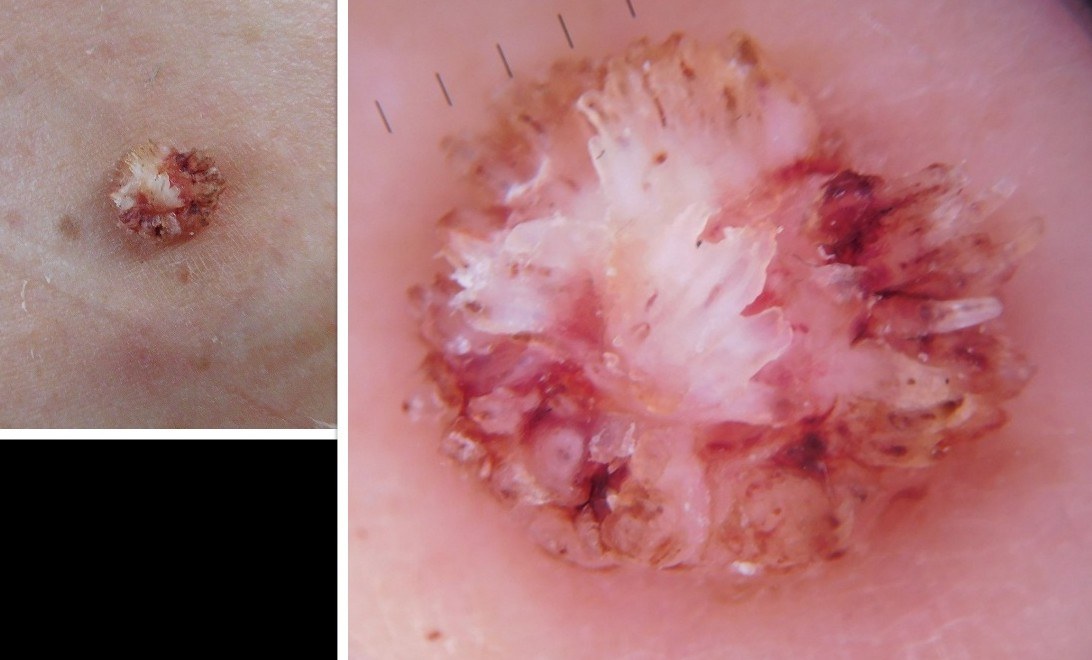
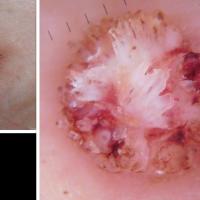
- Dermoscopy is invaluable in assessment (keratin & purple/black dots or short linear vessels)
- Beware in adults - scaly enlarging lesions destroying a nail have a differential of squamous cell carcinoma (or Bowen's disease)
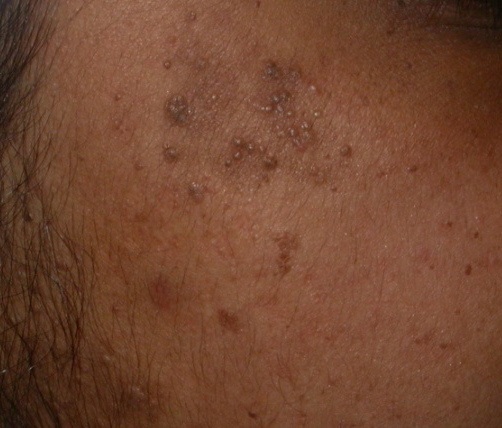
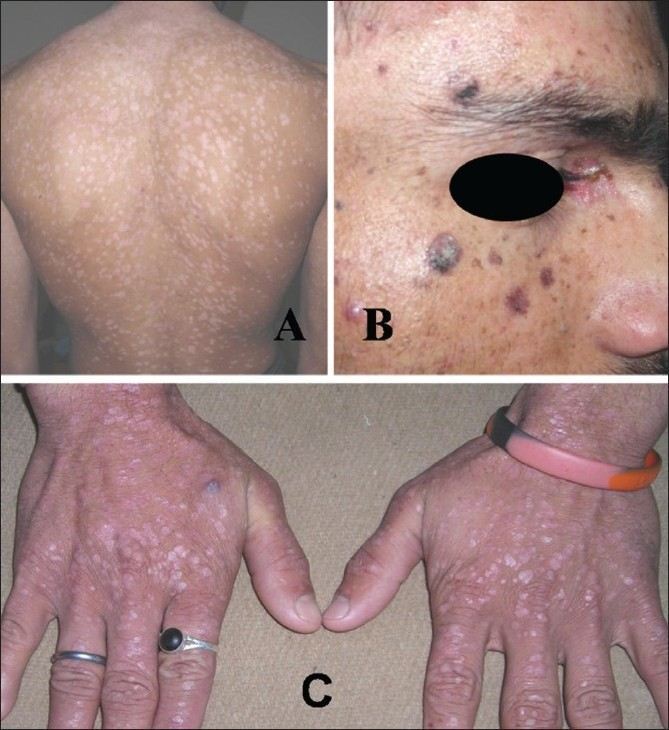
Plane warts
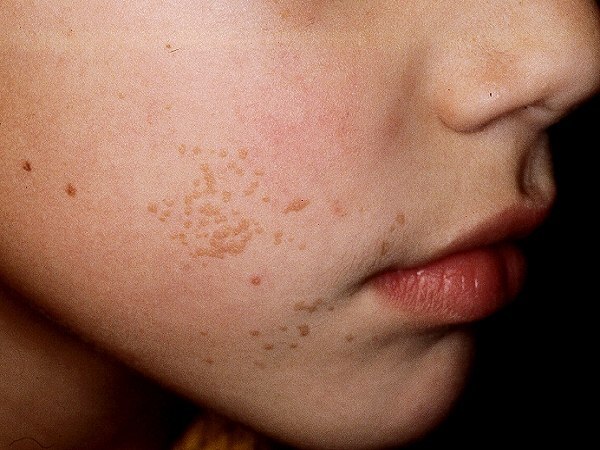
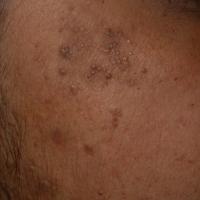
- The face and backs of hands are the most common sites; lesions are often numerous. Plane warts are small (under 5 mm) flat-topped papules with a smooth surface. Koebnerisation is relatively common
- Acrokeratosis verruciformis (of Hopf) is a rare inherited condition with an autosomal dominant mode of inheritance. It is a disorder of keratinisation characterised by multiple flat-topped, skin-coloured keratotic lesions resembling plane warts, observed most commonly on the dorsum of the hands and feet, and usually presenting in infancy
- Epidermodysplasia verruciformis is a rare inherited condition, mainly autosomal recessive, in which there is a widespread and persistent infection with the Human papilloma virus. The characteristic clinical features include plane warts, pityriasis versicolor-like lesions and red-brown plaques. Skin changes tend to begin in childhood. Dysplastic change, and malignant change into squamous cell carcinoma, is common in adults but metastasis is rare
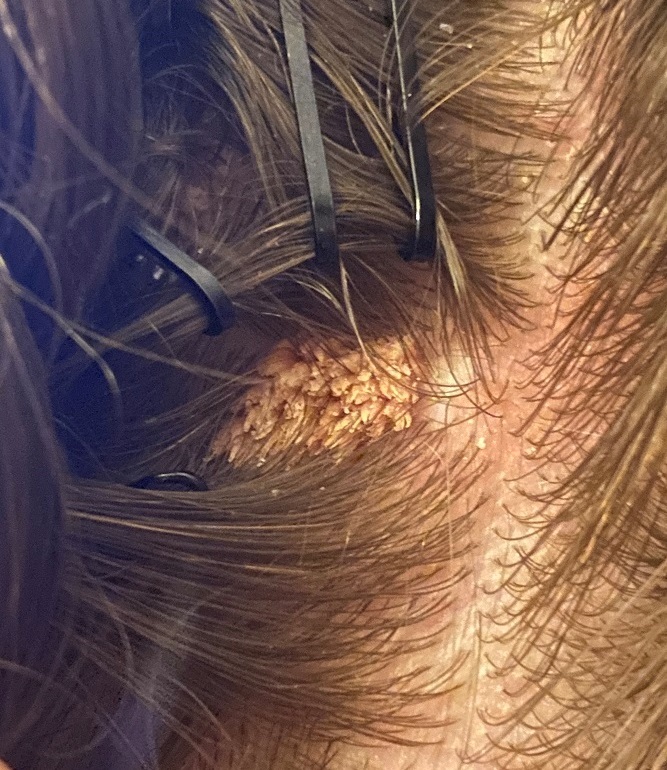
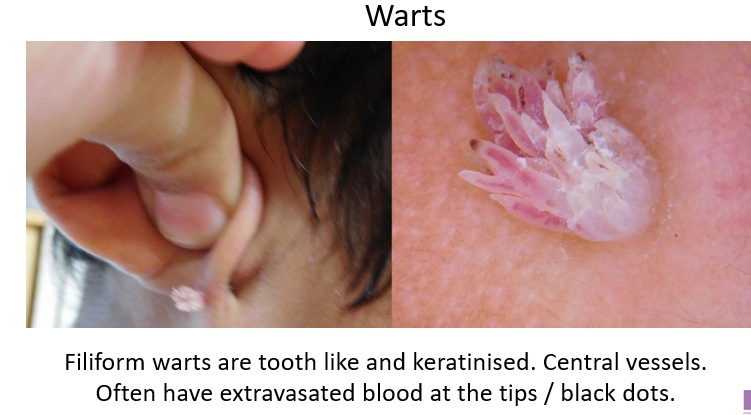
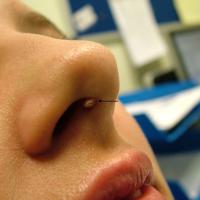
Filiform warts
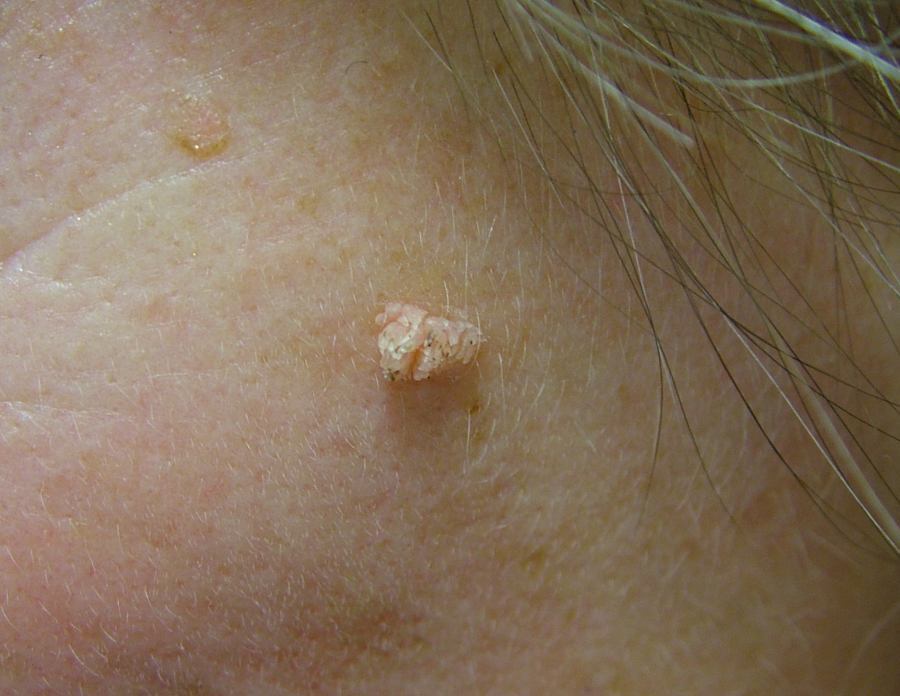
- These are most commonly found on the face and neck in men, but they can occur on any part of the body
- They have a filiform appearance (tooth-like) and may have a stalk
- From a dermoscopic perspective individual projections have a central vessel, often with extravasated blood at the tip
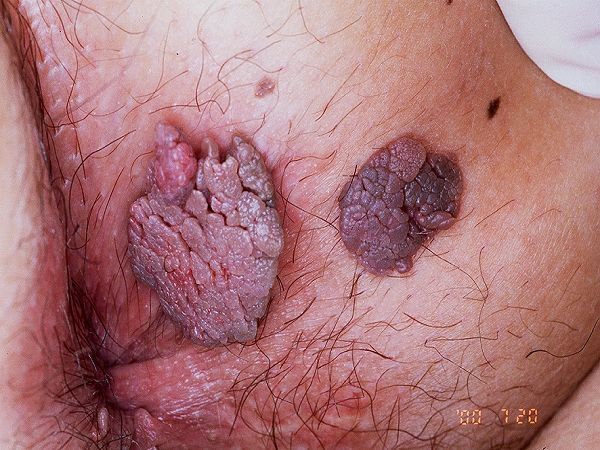
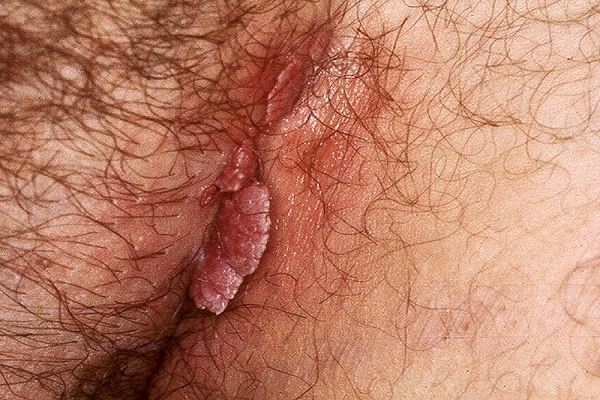
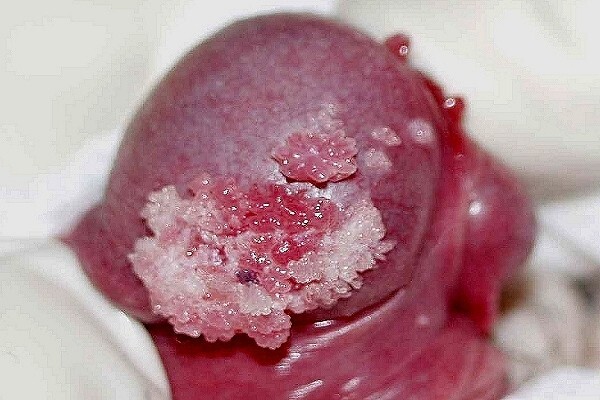
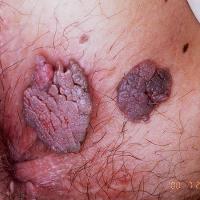
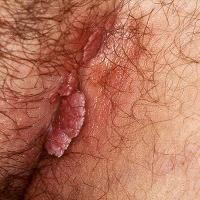
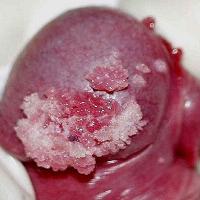
Anogenital warts
- Are usually multiple. The appearance depends on the type
- Condylomata acuminata have the following features:
- May cause discomfort, discharge or bleed
- Lesions may appear pearly, filiform, fungating, cauliflower or plaque-like
- They can be quite smooth (particularly on penile shaft), verrucous, or lobulated
- Lesions can be skin-coloured, erythematous or hyperpigmented
- They predispose to cervical, penile and vulval cancer
- Patients must be checked for other sexually transmitted infections
- Not all anogenital warts are sexually transmitted, however, in children a consideration has to be given to the possibility of sexual abuse. The possibility of non-sexual transmission is more likely if:
- There are no other suspicious features
- The warts are located on fully keratinised skin as opposed to the genital or anal mucosa
- There is a clinical resemblance to common warts
- The child is very young, perhaps up to two years old - in such cases the warts may have been transmitted at birth from the mother's genital tract
Clinical Images
Please refer to notes on image rights at bottom of the page with regards to individual image
ownership.
1
2
3
4
5
6
7
8
9
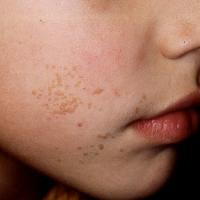
10
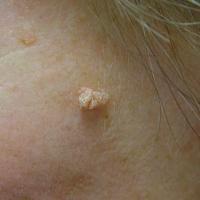
11
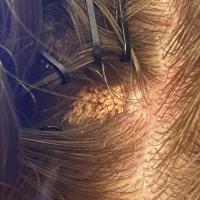
12
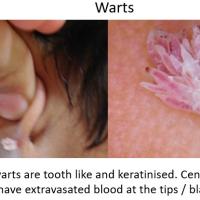
13
14
15
16
17
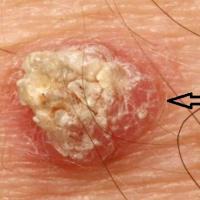
18
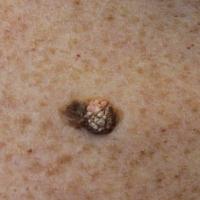
19
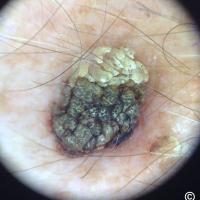
20
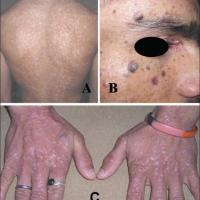
21
22
23
24
Management
Management overview - for all
- Set patient/parent expectations
- No treatment is a good first option - new warts often resolve spontaneously. Large studies have shown 50% resolve within a year, and in two years, 67%. Spontaneous resolution is more likely in children vs. adults. Around 7-10% of patients may have warts lasting 5 years or more, and, immunocompromised patients, those with recalcitrant plantar mosaic warts, or those with genetic immunodeficiency states (e.g. GATA2 deficiency) disease can span decades
- Warts can recur, either by autoinoculation, or contracting a different human papilloma virus subtype. Risk of recurrence is higher in those who are immunosuppressed, older age (>35 years), and smokers
- Refer to the top right of the page for a patient information leaflet available through a QR code or printable PDF, which provides advice on first steps and OTC options, before consideration of NHS treatment
- The most used treatments are going to be topical salicylic acid and liquid nitrogen cryotherapy. Other modalities are either not available on the NHS, or used in specialist settings subject to availability, funding, and expertise
Treatment
Common warts on feet, hands, trunk
- Salicylic acid (SA) - topical
- Works initially as a chemical debrider of hyperkeratosis, and, once the wart is flat/near-flat, as an irritant, drawing the immune system to recognize and clear viral-laden cells
- Slow to work; needing daily applications. Current best evidence for the number needed to treat (NNT) is 5.8
- Higher concentrations of SA penetrate the hyperkeratosis better, but at a risk of irritation and damaging surrounding skin. The surrounding skin can be protected by a thin layer of petroleum jelly (e.g. Vaseline®) applied around the wart. At present, the highest strength routinely available is 26% (Bazuka® extra-strength)
- Use daily until the wart resolves visually (and, for best assessment dermoscopically) - improved outcome with warm water soaks, drying the affected skin, then paring (filing down thick skin) pre-treatment
- Paring can be performed with an emery board. Certain high-street ‘pound shops’ sell multiples e.g. 12 for £1. These can be cut in half, then cut in half, and often being double-sided, yield plenty (12 becomes 96) for once-only treatment (do not use the emery board again or on another site as it will spread the virus)
- If no response, consider occlusion with waterproof plaster / duct tape / DuoDerm® extra thin dressings, cut to size, after application of SA gel / ointment and change every 2-4 days or when the dressings become loose
- If soreness or bleeding develops, stop for a week, then restart. Soreness is a positive sign of chemical irritation
- Cryosurgery
- Works by tissue destruction (thermal burn) and the release of viral antigens as cells lyse, attracting immune responses to clear viral-laden cells
- Most trials comparing this with salicylic acid found no difference in effectiveness (both cure rates 50-70% within 3-months)
- Suggested protocol: one freeze-thaw cycle (FTC) of 10-30 seconds, every 2-3 weeks, depending on site. Stop if no significant improvement after six treatments
- For thin-skinned areas, e.g. back of the hand, a single FTC may suffice. Start at 10 seconds and assess response at review appointment. Next FTC can be 20 seconds, etc. For other sites, e.g. soles of feet, double FTC (i.e. single freezing, slow thaw, then repeat freezing and thaw) will improve clearance rate. The risks of double FTC are greater thermal burn and blistering
- To maximise the chance of success, ensure the warts are pared down and as flat as possible, as this gives the best chance for the cryotherapy to reach all affected levels in the skin. It will also reduce the risk of blistering and side effects
- Combination therapy with SA and cryotherapy may improve clearance rates, using the SA between cryotherapy sessions. This maintains flat warts
- Over-the-counter freezing treatments and Histofreezer® are less effective than liquid nitrogen as neither they do freeze fast enough nor cold enough to damage viral-laden skin cells. These methods also do not freeze deep enough compared to liquid nitrogen
- As all the cell types in treated skin are damaged, hypomelanosis can develop in people with skin of colour
- Liquid nitrogen cryotherapy is painful, and adequate treatment often results in blistering. Some services do not treat children under specific ages due to this
- Frozen forceps by liquid nitrogen can be used for the treatment of facial filiform warts, often with minimal side effects to surround skin
- For more information refer to the chapter Cryosurgery
- Microwave treatment
- Microwave has been found beneficial on cutaneous warts affecting hands, feet, periungual and other areas. It works as a form of immunotherapy induced by hyperthermia
- Clearances rates between 75-82% at three months have been shown, after concluding treatment
- Usually, this is performed privately and by Podiatrists; very few NHS services provide this
- Typically, involves treatment sessions spaced 4 weeks apart. A usual course may be 3 sessions. For a single wart, an application may last 2-4 seconds. There is a brief ‘sting’ or ‘zap’, like a flicked rubber band at point-blank range hitting the skin
- There are minimal post-treatment side-effects: no lingering pain, no blistering, no need for dressings, and low risk of post-inflammatory pigment change. Occasionally, mild redness or blistering can occur if used on thin skin
Mosaic warts
- Often very resistant to treatment
- Management as above
- Start with topical SA as first-line
- Plantar mosaic warts are more stubborn to cryotherapy vs. palmar warts
Periungual warts
- Often stubborn to treat: first-line should be SA acid, but if under the nail, then may need nail avulsion for complete treatment (referral)
- Avoid cryotherapy around proximal or lateral folds: risk of nail dystrophy if the nail matrix is damaged, or lateral onycholysis with lateral nail fold involvement
Filiform warts
- SA is not advised for this variant as too difficult to apply and higher risk of local side effects, especially as the face is the most common site for such lesions
- Cryotherapy (between forceps) seem to be most effective for single or discrete filiform lesions
- It is tempting to consider curettage and cautery, but this will leave a small scar, and pigment change in people with skin of colour, and there can be an at-least 33% risk of recurrence or new warts developing in adjacent skin due to seeding
- Topical therapies such as adapalene, trifarotene, Actikerall®, 5% fluorouracil, tirbanibulin, and imiquimod have been tried, with varying reported success rates in the literature or real-world use. These are used off-license and perhaps best for multiple flat plane warts (see below)
Plane warts
- Often multiple, thin and often in high-risk areas such as the face and hands
- Usually not suitable for SA or cryotherapy due to the risk of scarring, especially on the face
- Retinoid creams/gels can be tried, e.g. adapalene gel or trifarotene, once a day for six-eight weeks, but other treatments that have been used include Actikerall®, 5% fluorouracil, tirbanibulin, and imiquimod. Variable efficacy has been reported but best thought of as low-efficacy treatments
Other treatment options / referral
Most warts cannot be referred on the NHS - check local guidelines
- All the following are unlicenced and evidence for their effectiveness is limited:
- Imiquimod 5% cream x3/week (Mon/Wed/Fri) for up to 16 weeks
- 5% 5-fluorouracil cream at night under occlusion with a review after 4 weeks
- Actikerall® gel applied daily for up to 12 weeks
- Tirbanibulin once at night for 5 days
- Cantharidin (“beetle juice”)
- Available in some NHS services else may be used privately
- Is a potent blistering agent (secreted from blister beetles), blistering the wart and essentially lifting if off the skin
- Painless application, but can lead to sore blistering
- Usually 2 sessions are required, spaced 4-6 weeks apart
- Clearance rates can be up to 80%
- Duct tape
- There is inconsistent evidence of this being used, alone
- There is little risk in using duct tape solely
- It works by creating an occlusive environment. Under the duct tape, skin sweats and macerate
- Potentially, this invokes a localized immune response promoting clearing of viral-loaded cells
- Vicks®
- Likely a low-risk treatment with the only risks being skin irritation from the ingredient essential oils
- Benefit is unpredictable (similar to duct tape)
- Gained popularity due to a single small study (JABFM 2011), where 85% of participants (n=15) saw either "complete clearance" or "significant reduction" in their warts after daily application of Vicks under occlusion. This has not been replicated since, and difficult to know if there was truly a benefit from Vicks®, duct tape, or the warts spontaneously resolved
- Zinc
- In the literature, used as zinc sulphate (Solvazinc®) at 10mg/kg, up to 600mg/day maximum, used for up to 3 months. 125mg of Solvazinc® provides 45mg elemental zinc. Over-the-counter zinc gluconate contains 50mg elemental zinc per 350mg tablet and may cause less nausea than zinc sulphate. If advising patients to buy from a health food store, ensure they are having the correct elemental zinc equivalent: 50mg zinc gluconate is not the same as 50mg of elemental zinc (it is only 7mg elemental zinc!)
- Benefit, in the studies, seems to be best for zinc-deficient patients - this means a blood test is needed. Clearance in these patients were reported as high as 87% (NNT 1.2). The devil is in the detail: In the studies, the populations studied were more likely to be zinc deficient, versus Western populations, who are more likely to be zinc replete; children were seen to respond better
- In zinc-replete patients, efficacy drops to ~5-10% (NNT 50) which matches background placebo efficacy
- Do remember excess zinc can induce copper deficiency leading to sideroblastic anaemia and neutropoenia, and myeloneuropathy. Any patient on >50mg of elemental zinc per day for longer than 4 weeks requires copper monitoring (copper and ceruloplasmin at baseline then check at intervals e.g. every 2 months). Co-supplementation of copper e.g. 2mg for every 30mg of elemental zinc may be 2 hours before or after taking zinc to offset absorption competition
- Probably works by improving immune system function rather than any antiviral effects
- Actitretin & oral retinoids - can only be prescribed in Secondary Care
- A vitamin A derivative, also known as a retinoid
- An oral agent, and though indicated for psoriasis and used in secondary care, has limited NHS use as it is off-license
- It improves viral wart disease by counteracting viral influence on keratinocytes, affecting the life cycle of HPV, and improving hyperkeratosis
- Efficacy in series has been 30-75% complete improvement, but these figures vary per study, dose, and duration of treatment
- It is typically used at doses of 25-30mg or 0.5-0.8mg/kg a day in most studies, with higher doses (e.g. 50mg) limited due to side effects
- As it is a retinoid, side effects are similar to all retinoids, including isotretinoin
- Acitretin cannot be used in women of childbearing age as the long half means they cannot conceive for 3 years after finishing a course of treatment: long-term contraception or abstinence. Isotretinoin and alitretinoin are alternatives; use is off license. One study showed, at 3 months, relative superiority of acitretin over isotretinoin (73% clearance with acitretin 0.5mg/kg in 30 males vs 60% clearance with isotretinoin 0.5mg/kg in 30 males vs 0% placebo group of 15 males; DOI: 10.1111/jocd.15173) was seen
- Isotretinoin doses have ranged from 0.1-0.6mg/kg, or 10-20mg/day fixed doses. Depending on dose and study, success rate for complete clearance may be 30-70%, with one small study showing complete clearance in all study participants (DOI: 10.1111/dth.12836)
- There is no published data on alitretinoin, but it is likely to have similar results due to class effects
- Needling
- Limited NHS availability; often performed privately
- Involves repeated needling of an anaesthetised wart. Needling pushes viral-laden cells into the dermis and introduces them to the immune system, with the aim of triggering an inflammatory response
- Usually performed once and result reviewed 8-12 weeks later
- Success rates vary from 50-70%
- Like any created wound, a needled wart may be painful for a few days; other risks are bleeding and secondary infection
- Nitrozinc complex
- Usually performed privately (e.g. Verrutop®)
- Topical nitrozinc complex acts as a desiccant, drying out the wart, with the aim that the wart sloughs off
- Usually applied to wart every 2 weeks for a set number of sessions before review
- Success rates can vary per series from 50-80%
- Risks are irritation at the site of application
- Auto-implantation
- Very limited NHS availability
- Involves invoking an inflammatory response to warts, by excising or biopsying a piece of existing wart, removing the hyperkeratosis, cleaning it, and implanting it into a created dermal pocket, typically fashioned on the forearm. The idea is that the implanted wart, into the immune-system rich dermis, primes the immune system, which then should clear the ‘donor’ wart
- Success varies per case reports and series, but can vary from 60-75%
- Risks involve two wounds - infection and/or tender nodule at the implant site, pain, post-inflammatory pigmentation changes, scar at implantation site, and lack of immune response/treatment failure
- Immunotherapy
- Extremely limited NHS availability
- Examples are intralesional or systemic Gardasil-9® vaccination, and intra-lesional MMR, vitamin D, purified protein derivative (of tuberculin), candida antigen, bleomycin, and 5%-fluoro-uracil. These are used off license, reported efficacy in the literature varies between 25-90%, depending on agent, study, treatment duration and follow-up interval
- Complete response rates for intralesional Gardasil-9 vs intramuscular appear to be similar (~60%) given per schedule of 0, 2 and 6 months (IM) or 0.1-0.3ml (until blanching) every 2 weeks for 6 sessions (intralesional)
- Bleomycin (DOI: 10.1016/j.jaad.2020.04.062 and 10/1016/j.xjidi.2024.100264) has shown 74-80% complete cure rates. The challenge is obtaining it. It is usually used at 1mg/mL, or 0.1mg/mL for peri-ungual sites (DOI: 10.5935/scd1984-8773.201810103). Warts are pared; local anaesthesia used as the injection is painful, and no more than bleomycin is injected into the base of the wart (no more than 2mL total or more than 5 warts injected in one sitting, or no more than 1mL for any one wart). The wart is dressed and simple analgesics may be needed for post-procedure pain. Treatment is repeated every 2 weeks, after paring any necrotic or black eschar. Most patients require 1-3 sessions. Risks are local erythema, blackening and eschar formation, atrophic or hypertrophic scars, haematomas, digit necrosis, flagellate dermatitis, and superficial ulceration. At periungual sites, risks are nail dystrophy. Absolute contraindications are pregnancy, breastfeeding, Raynaud’s phenomenon, and peripheral vascular disease, and relative contraindications are large periungual warts. Alternatively, topical bleomycin applied after needling the wart surface may be even more efficacious (86% vs 77%) than intra-lesional treatment, with less pain and blistering (DOI: 10.1016/j.medcle/2023/02/006)
- Diphencyprone (DPC, or diphenylcyclopropenone DCPC) may be available in centres that provide DPC treatment for alopecia areata. It is a contact sensitiser; it triggers a delayed hypersensitivity reaction at the wart site. Efficacy in the treatment of warts may approach 88% depending on series/study (average pooled efficacy 75%). The patient is sensitised to 2% DPC (or as per local alopecia areata protocol) applied to inner arm and occluded for 48 hours. Sensitisation is confirmed by eczematous changes (itching, weeping, erythema) to the site within the following week. o Starting with 0.1% (adults; 0.05% in children), weekly applications are applied, with occlusion for 8 hours, to selected warts, repeating weekly, typically for several months. The strength (concentration) of DPC is gradually increased to produce a local reaction (mild erythema, itch, slight vesiculation at the wart site). If excessive reactions occur, the concentration of DPC is lowered to the desired reaction. One study in Australia (DOI: 10.1111/j.1440-0960.2006.00268.x) improved outcomes by combining with topical salicylic acid (15%) with DPC; however; this was a compounded preparation and not applicable to the NHS unless where specially sought. An alternative may be to use 26% salicylic acid (‘Bazuka® extra strength) on the DPC-free days, in between treatments, to keep warts flat and less keratotic, or Actikerall®. DPC is relatively contraindicated in patients with eczema, or immune suppression, pregnant, and in very young children. Side effects are setting off generalised eczema, urticaria, regional lymphadenopathy, and erythema-multiforme-like reactions
- Hypertonic salt
- Similar to the use of salting for pyogenic granulomas, these techniques have been described in the literature but randomized control trials or multiple studies are lacking
- Thought to desiccate warts
- Risks published appear to be minimal but repeated high-salt contact may cause local irritation, skin maceration, dryness, eczematous reactions, and post-inflammatory hyperpigmentation to the surrounding normal skin
- For plantar warts, another group used 30-minute hypertonic salt solution soaks daily. Patients were aged 12 and above. The solution was made by using a foot basin, adding 2cm of tap water, then gradually dissolving table salt until visual saturation was reached (i.e. undissolved salt crystal persisting 5 minutes after agitation). The feet were soaked, then after, washed with clean water and dried. 76% warts achieved clearance at week 4 and 98% at week 8, with complete clearance in 15 out of 17 patients at week 8. The warts fell off with gradual peeling. DOI: 10.1016/j.jaad.2025.10.014
- Similar to above, twice daily hypertonic salt solution (40-50g of salt dissolved in tap water) was applied twice daily to a periungual wart. Complete clearance was achieved in this single study (DOI: 10.4103/JCAS.JCAS_90_21). For this patient, 16.66% salicylic acid and 16.66% lactic acid (Salactol®) was applied at night, to act as a keratolytic, and the solution was warmed and applied to skin (but not hot enough to harm)
- Cidofovir
- This is an anti-viral available for either topical use (1-3% cream, made by compounding), or intra-lesional use. Availability in the UK is extremely limited and the injectate form is significantly expensive. It is off license for the use in viral warts
- Other treatments occasionally used include:
- Photodynamic therapy (PDT) with 20% 5-aminolaevulinic acid (ALA-PDT) under occlusion for 4-6 hours, followed by PDT weekly, every 6 weeks (DOI: 10.1016/S0140-6736(00)90013-8), showed 73-88% complete clearance across studies, with +/- salicylic acid as a keratolytic used in between. Recurrences rates were reported as low or none
- Consider, for laser and curettage & cautery, the risk of fomites and HPV aerosolisation; appropriate measures need to be taken e.g. positive pressure room ventilation - both procedures have significant recurrence rates, which is likely to be at least 30%
Other resources
Disclaimer - the author PCDS cannot accept responsibility for any misleading or incorrect statements, and the management of individual patients remains the direct responsibility of the individual doctor. We do however hope that visitors to this site can contact us regarding comments that are considered misleading or incorrect so that we can continue to improve the site.
Image Rights - The PCDS would like to thank Dermatoweb, DermQuest (Galderma), and others who have contributed images. All named individuals and organisations maintain copyright for the relevant images.