Acknowledgements: Original authors - Professor Bill Cunliffe, Dr. Alison Layton (Consultant Dermatologist), Dr. Daron Seukeran (Consultant Dermatologist), Dr Tom Poyner (retired GPwSI in Teesside). Most recent update - Dr Kash Bhatti. Also with thanks to the British Skin Foundation, which funds high-quality research into skin disease, who have provided some of the images.
Virtually every adolescent has a few “spots”, however, about 15% of the adolescent population have sufficient problems to seek treatment. In most patients, but not all, the acne clears up by the late teens or early 20s. More severe acne tends to last longer. A group of patients have persistent acne lasting up to the age of 30 to 40 years, and sometimes beyond. Patients with persistent acne often have a family history of persistent acne. Acne may scar - most of the time this is preventable by using the correct treatment given in a timely fashion.
The more sebum (grease) the greater degree of acne
Sebum is produced by the pilosebaceous glands, which are predominantly found on the face, back and chest
Evidence suggests that in most patients the seborrhoea is due to increased response of the sebaceous glands to normal levels of plasma androgens
Comedone formation (blackheads, whiteheads and microcomedones), which is known as comedogenesis
Is due to an abnormal proliferation and differentiation of ductal keratinocytes
It is controlled, in part, by androgens
In pre-pubertal subjects comedones are seen early and they precede the development of inflammatory lesions
Colonisation of the pilosebaceous duct with cutibacterium acnes (C. acnes - formerly known as P. acnes)
Is a later stage in the development of acne lesions (especially inflammatory lesions)
The seborrhoea and comedone formation alter the ductal micro environment, which results in colonisation of the duct
C. acnes is the most important organism
Production of inflammation. This is a complex process involving an interaction between:
Biological changes occurring in the duct as a result of comedone formation and C. acnes colonisation of the duct
And the patients cellular (especially lymphocytes) response within the dermis, which responds to pro-inflammatory cytokines spreading from the duct to the dermis
Factors which can/might modify acne
Hormonal factors
About 70% of females will notice an aggravation of the acne just before or in the first few days of the period
Polycystic Ovarian Syndrome (PCOS) / other endocrinological disorders
UV light can benefit acne
Stress
This is a controversial issue - there is some evidence that stress makes acne worse but data to support this view is limited
Stress may manifest itself as acne excoriee, where patients, usually females, habitually scratch the spots the moment they appear (refer to the related conditions at the top of this page)
Diet - although the evidence for a link between diet and acne is not strong, some people with acne have reported improvement in their skin when they follow a low-glycaemic index diet, which can be achieved by:
Increasing the consumption of whole grains, fresh fruits and vegetables, fish, olive oil, garlic
Decreasing the consumption of high-glycaemic index foods such as sugar, biscuits, cakes, ice creams and bottled drinks
Cosmetics
Caused by oil-based cosmetics
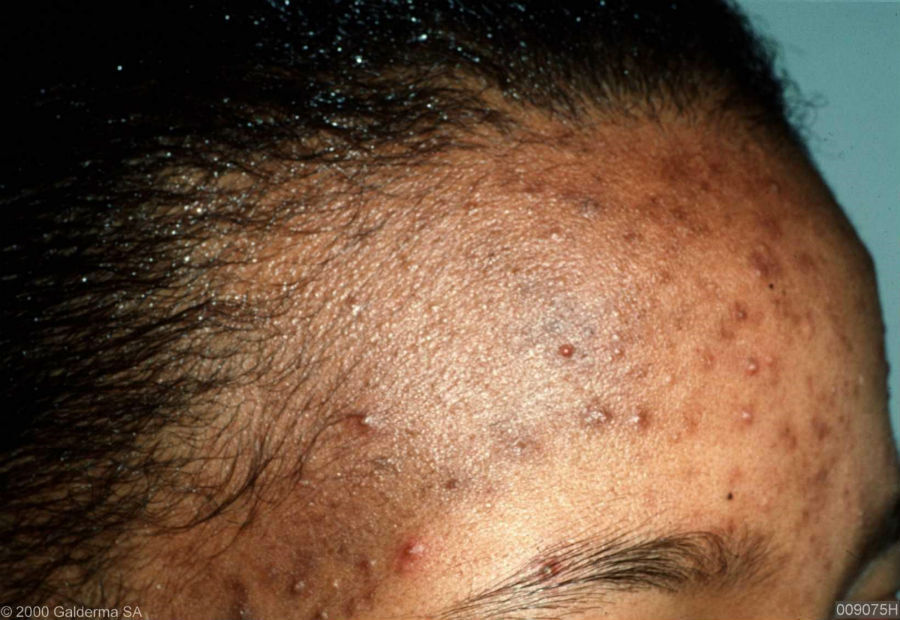
Pomade acne is caused by hair pomades, with comedonal and papulopustular acne on the forehead and temples
The following drugs may cause acne:
Topical and oral corticosteroids
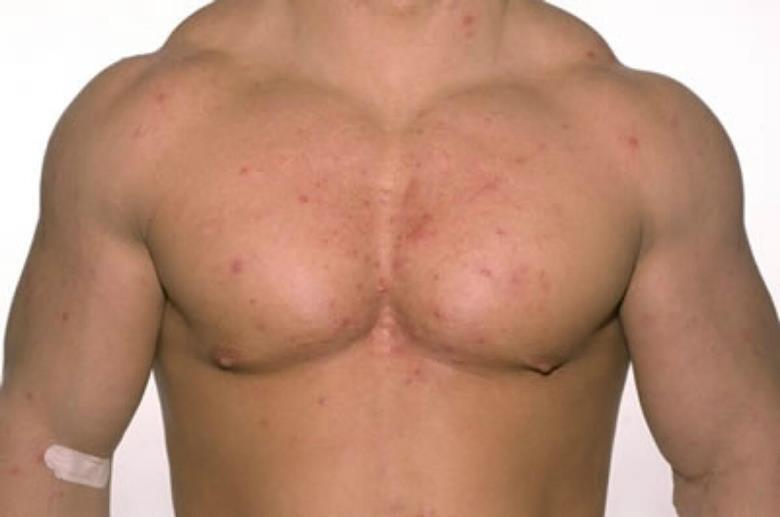
Anabolic steroids
Lithium
Ciclosporin
Iodides taken orally, which may be part of some homoeopathic therapies
Clinical findings
Greasy skin (seborrhoea)
Distribution
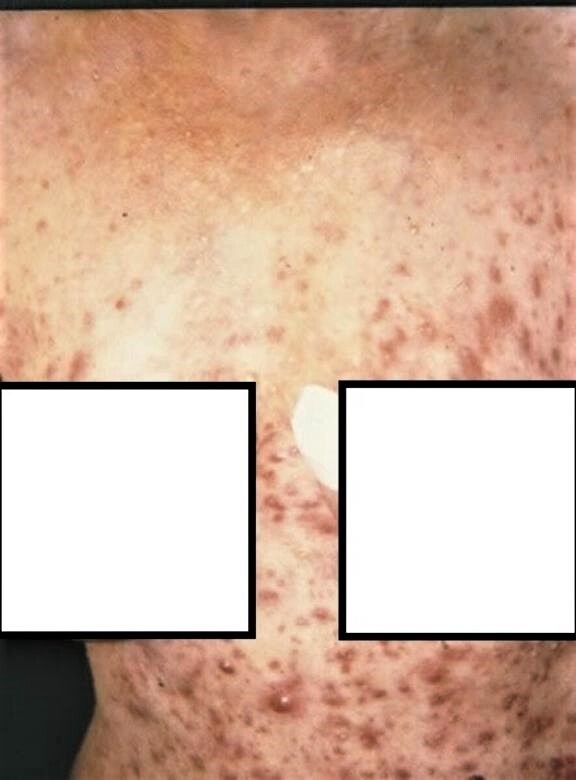
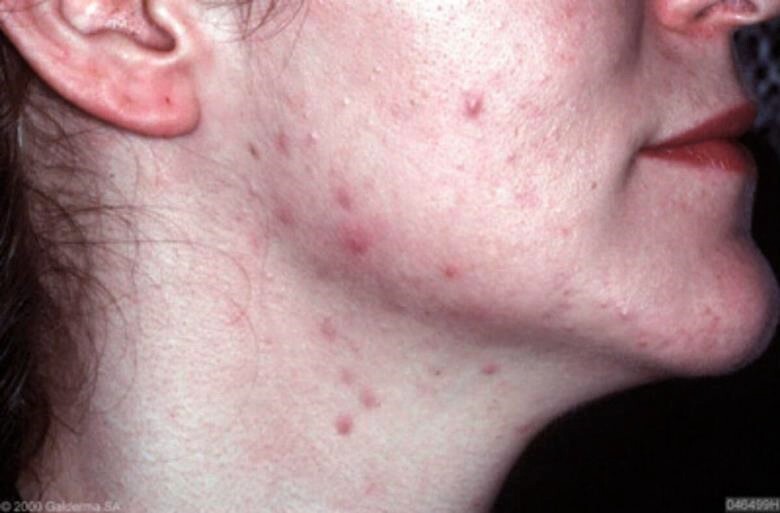
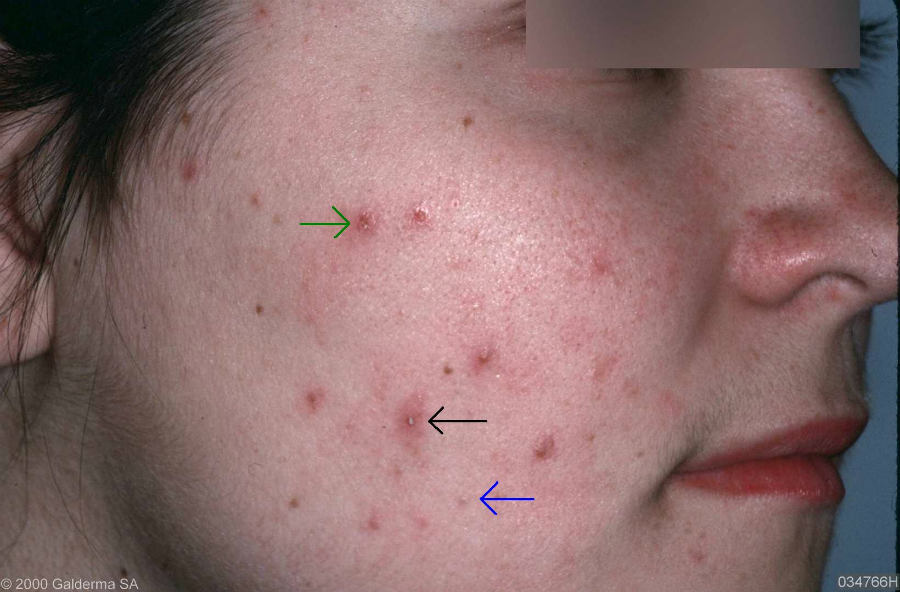
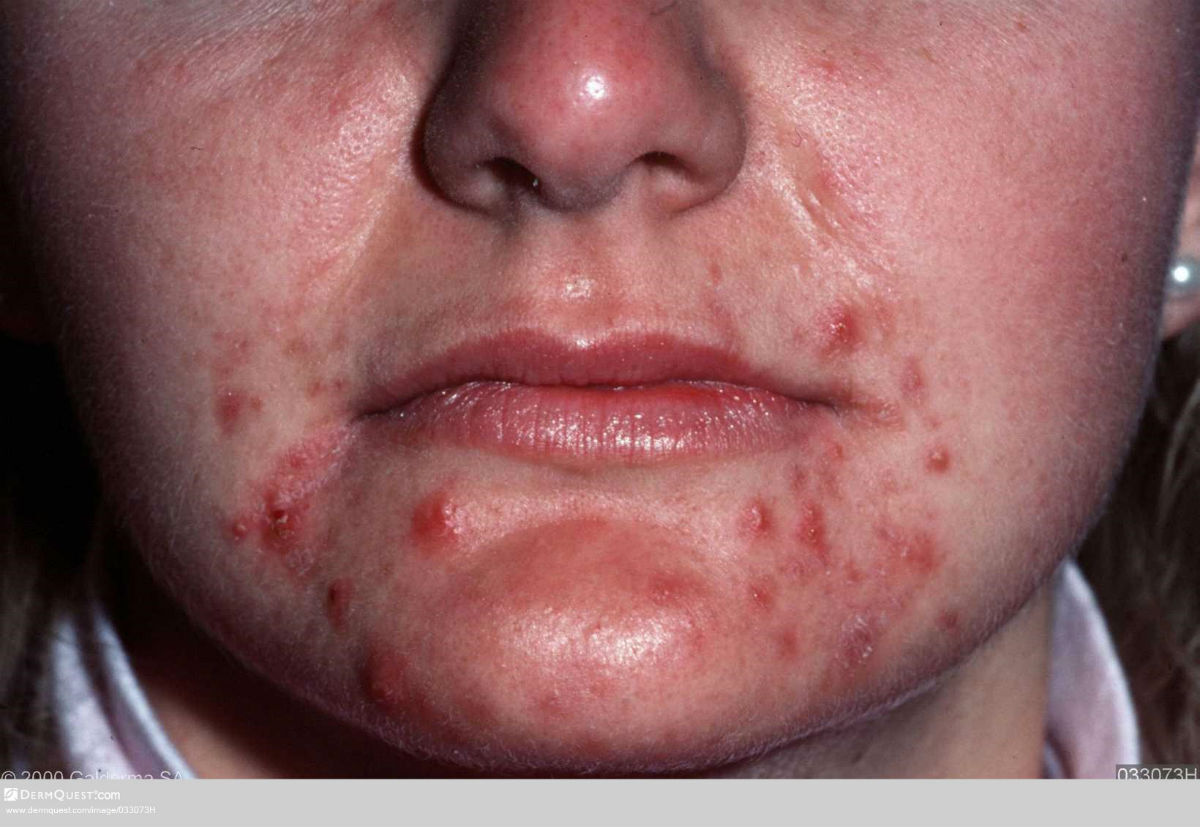
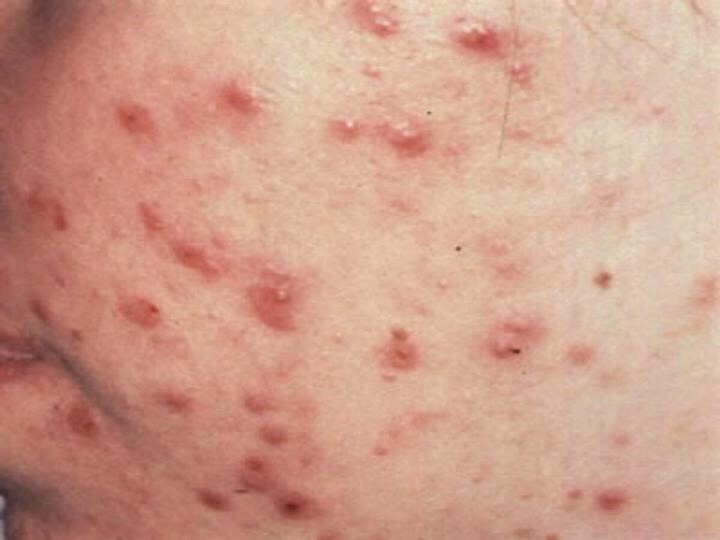
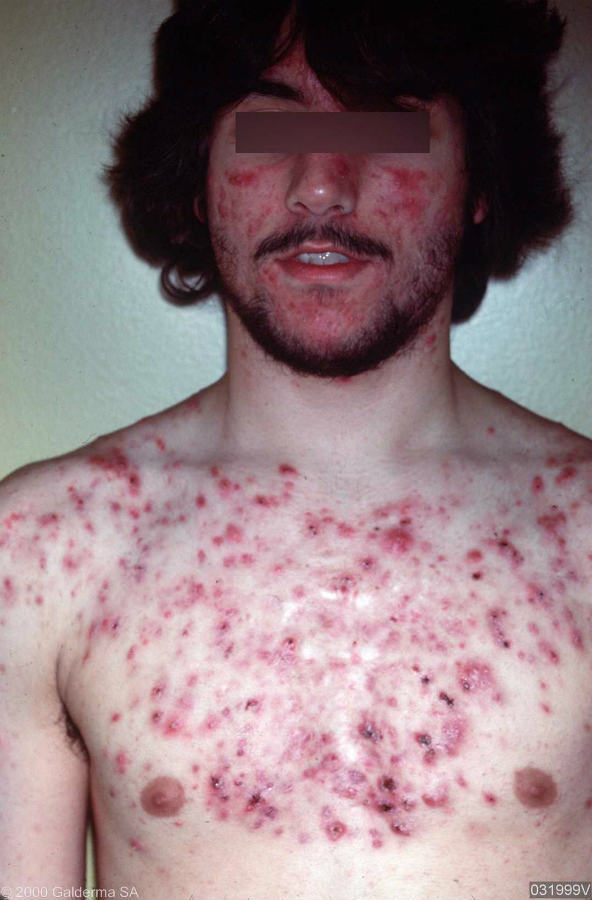
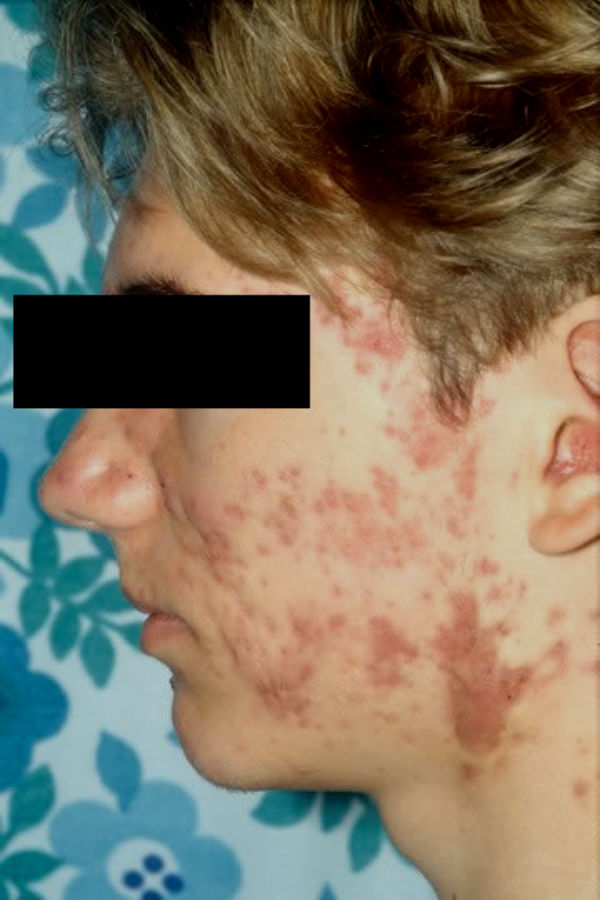
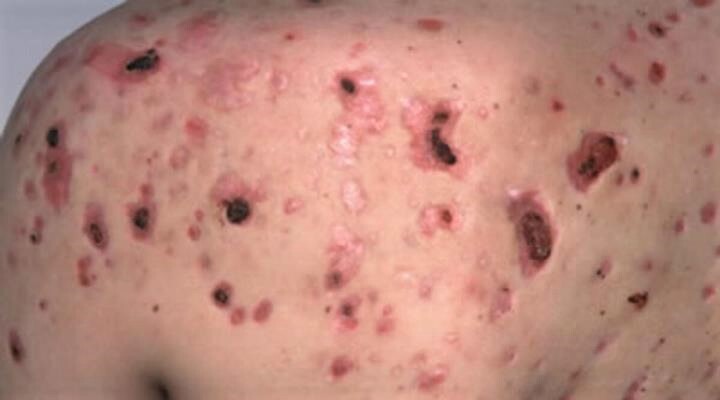
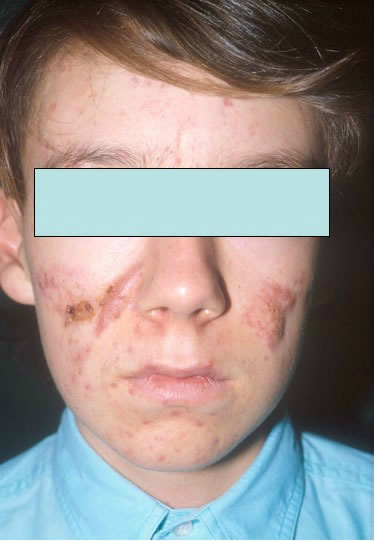
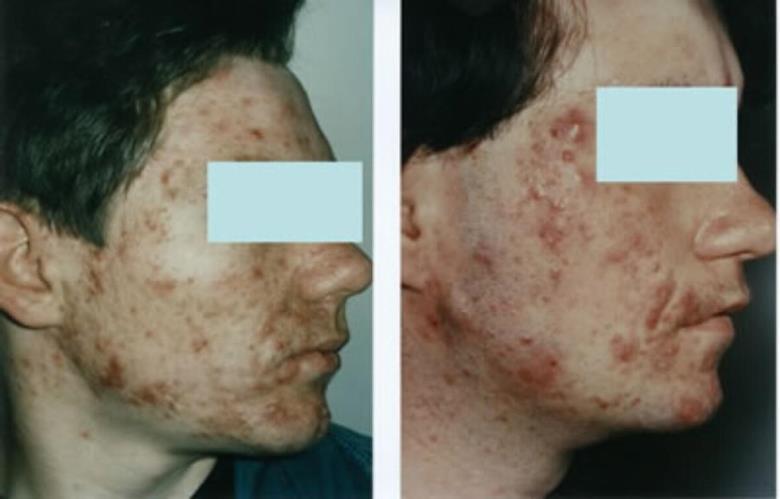
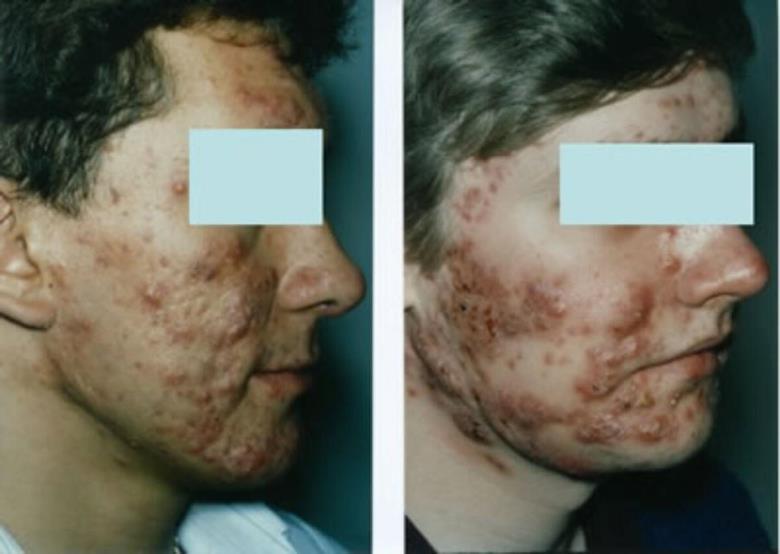
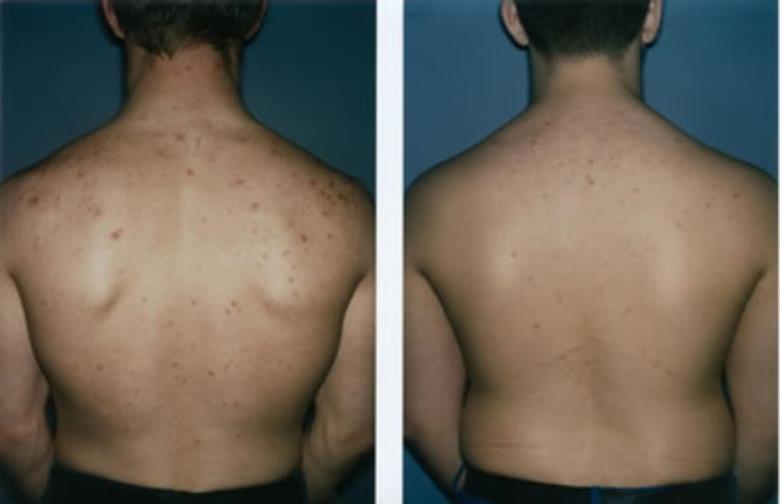
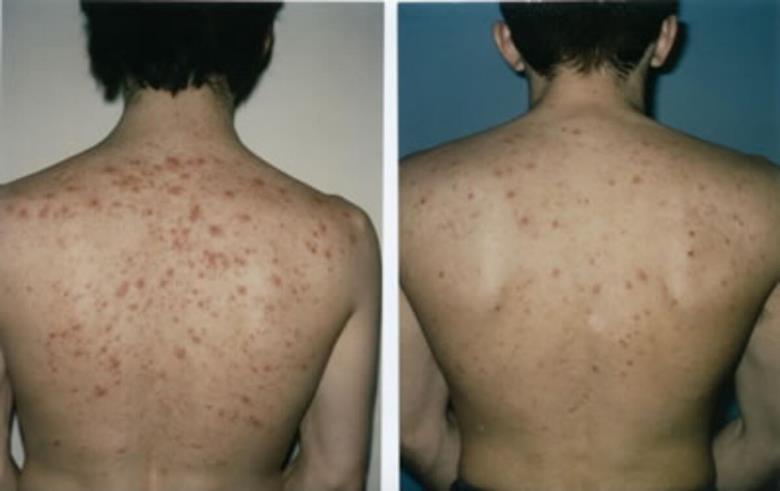
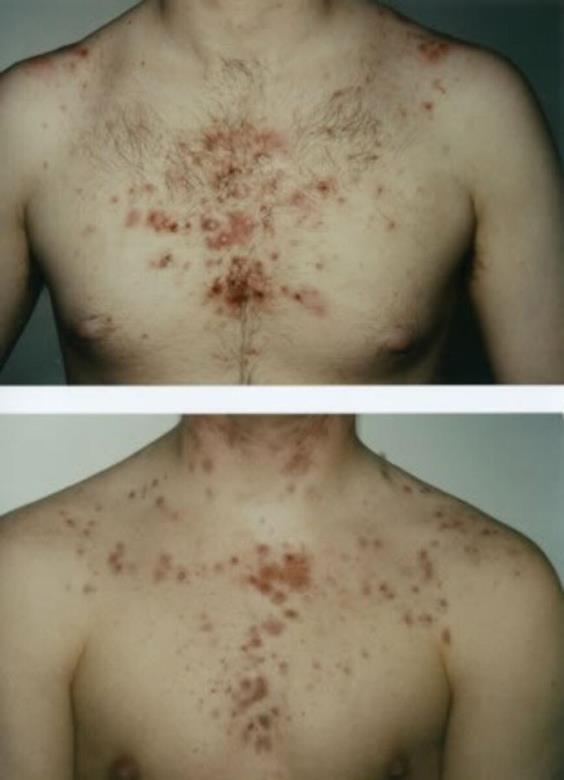
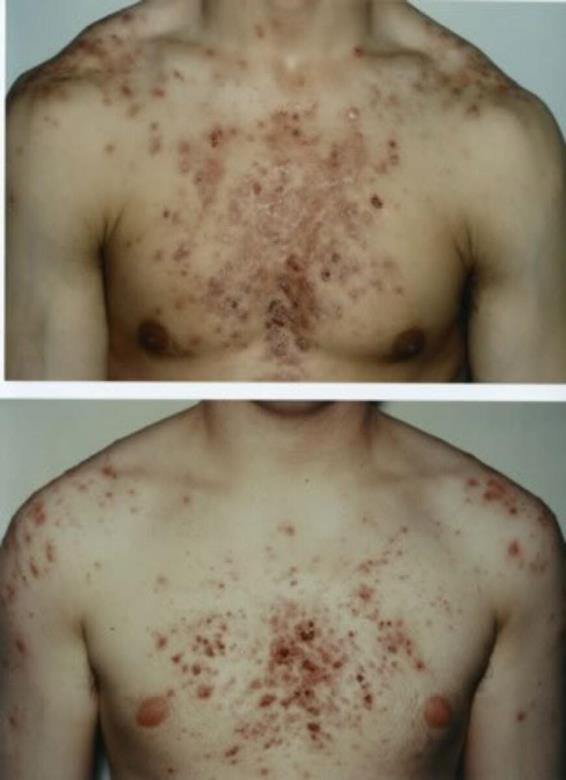
The most common sites are the face and upper trunk
Patients with moderate-severe acne may also have lesions on the posterior neck, if these lesions persist then they are likely to be part of the hidradenitis suppurativa (HS) spectrum, such patients may go on to develop other lesions at typical HS sites - see the related chapter for more information
Morphology
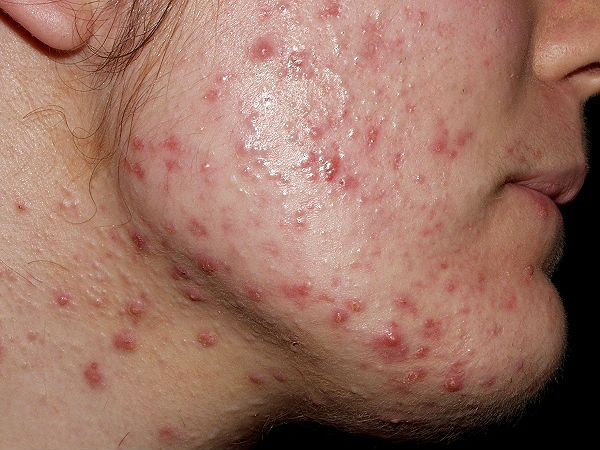
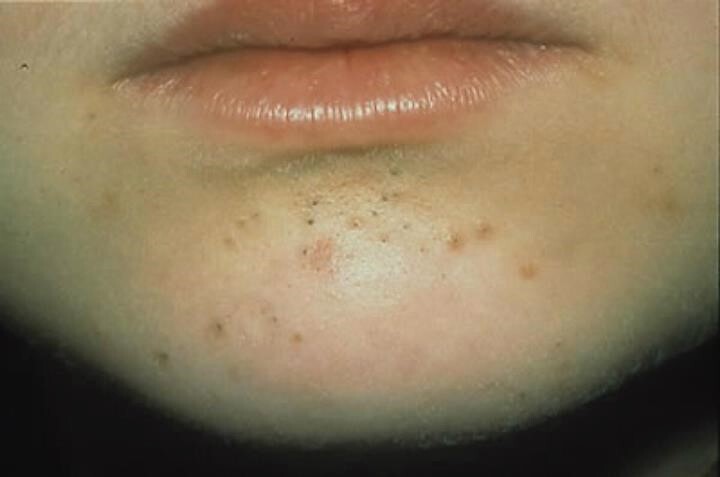
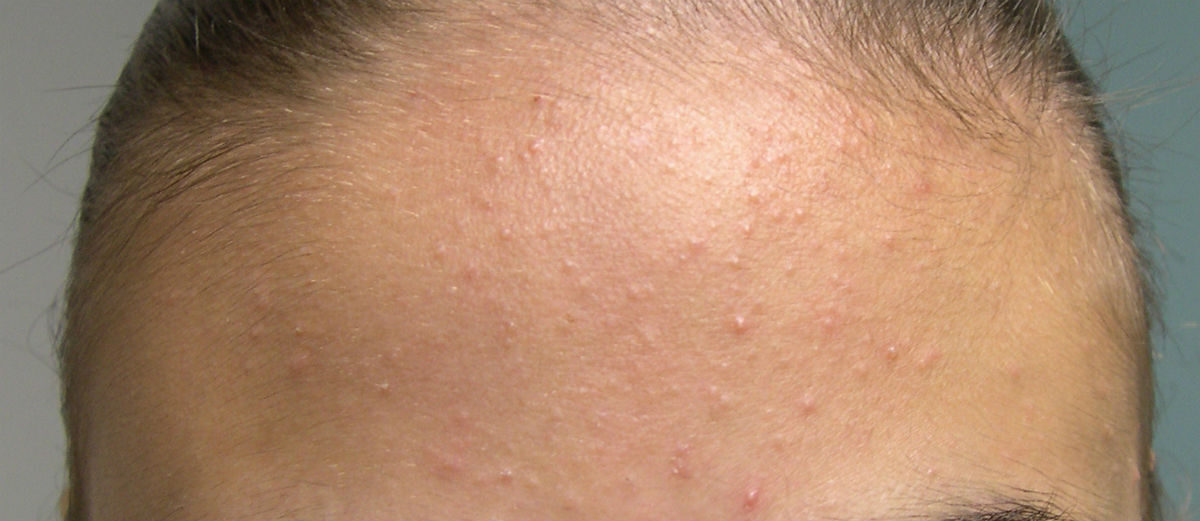
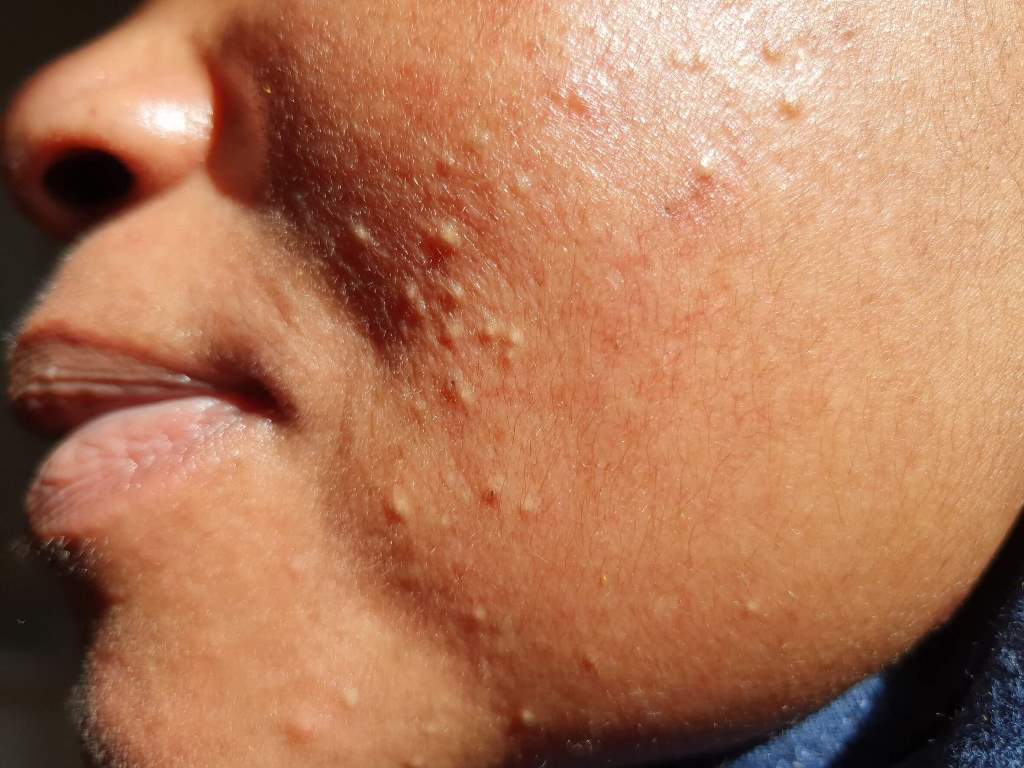
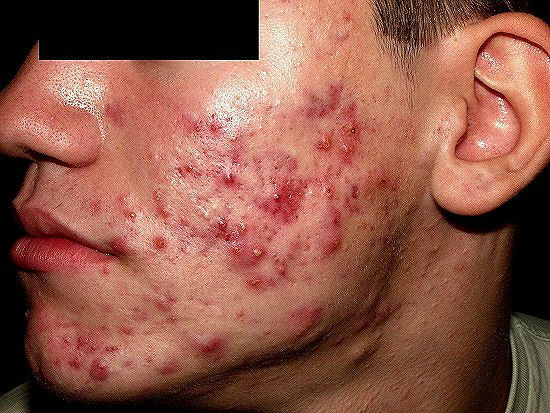
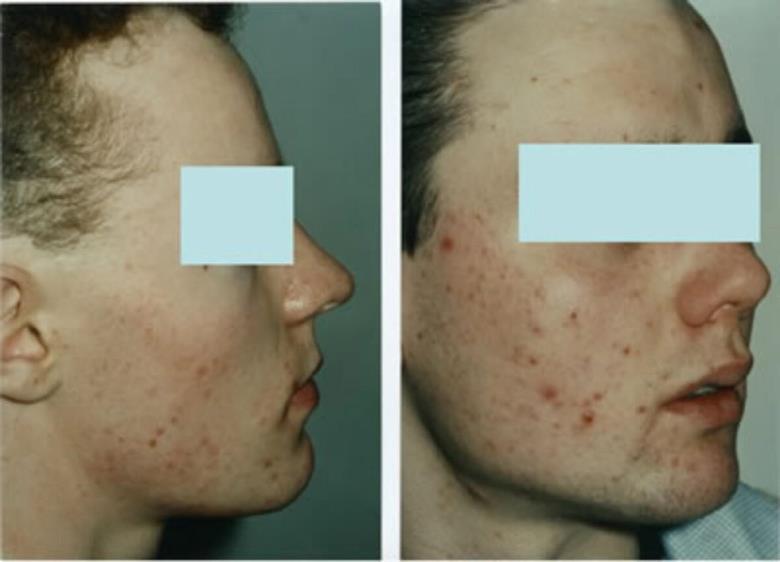
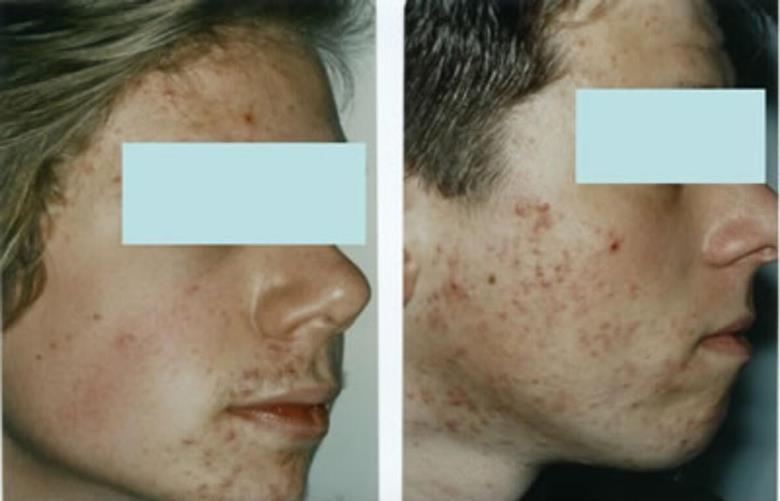
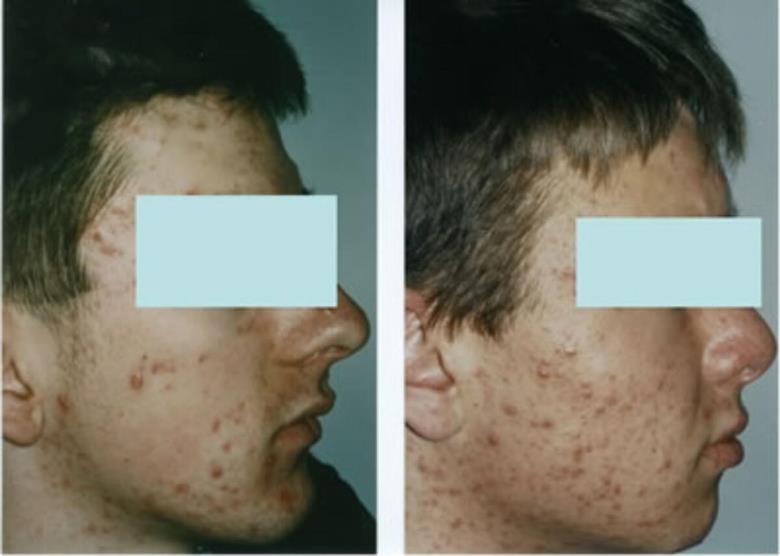
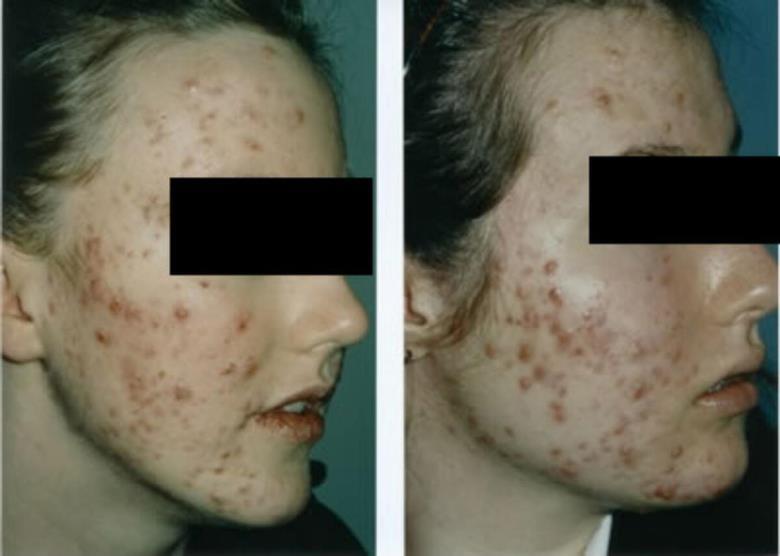
Non-inflamed lesions ie comedones - blackheads and whiteheads (these can be difficult to see, stretching the skin usually helps)
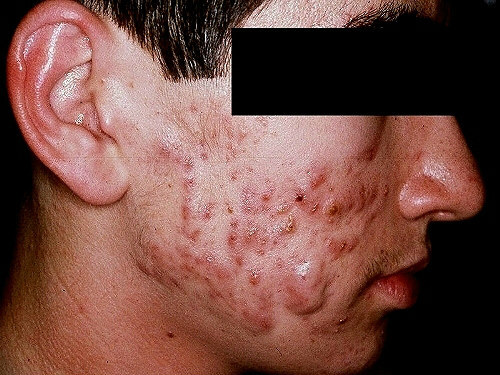
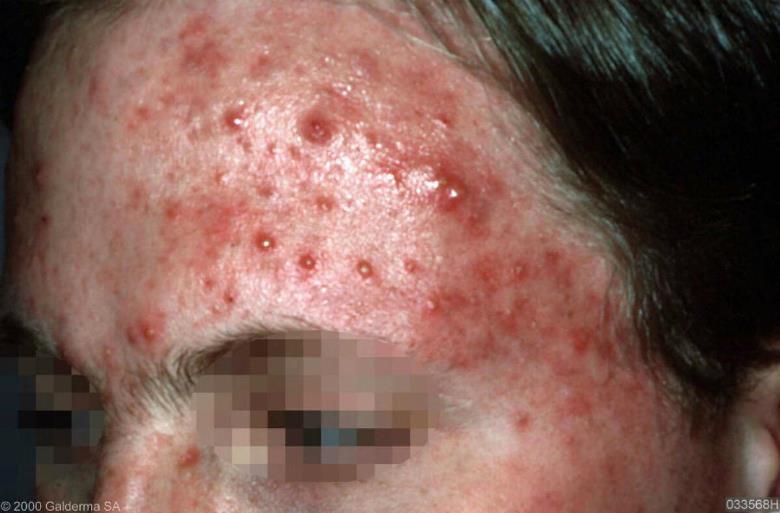
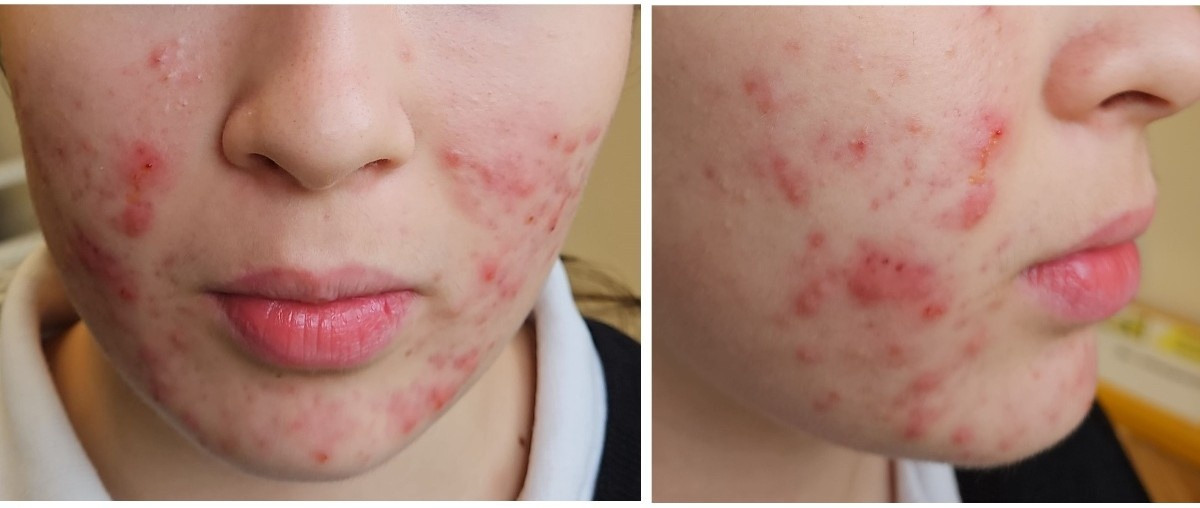
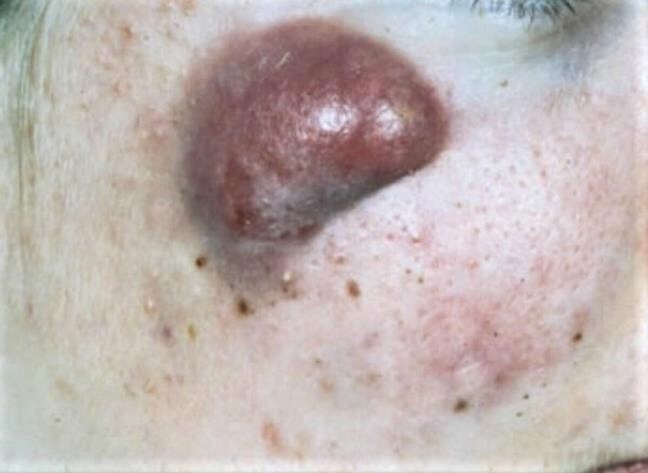
Inflamed lesions - papules, pustules and nodules
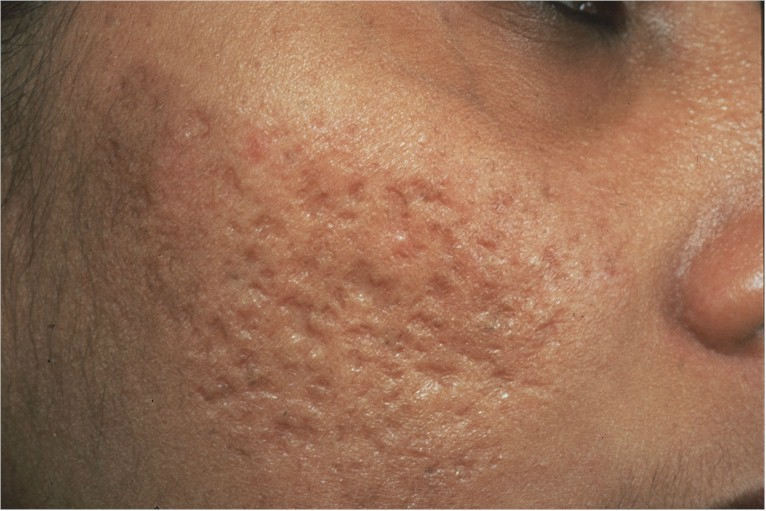
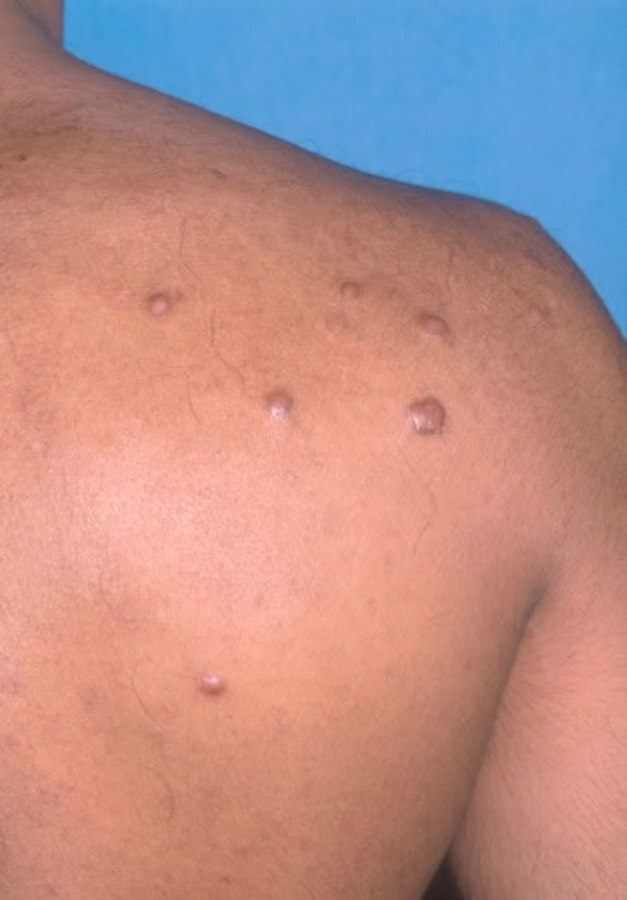
Scarring, which may be due to:
Loss of tissue, the so-called atrophic or ice pick scar
Increased fibrous tissue, the so-called hypertrophic or keloid scar
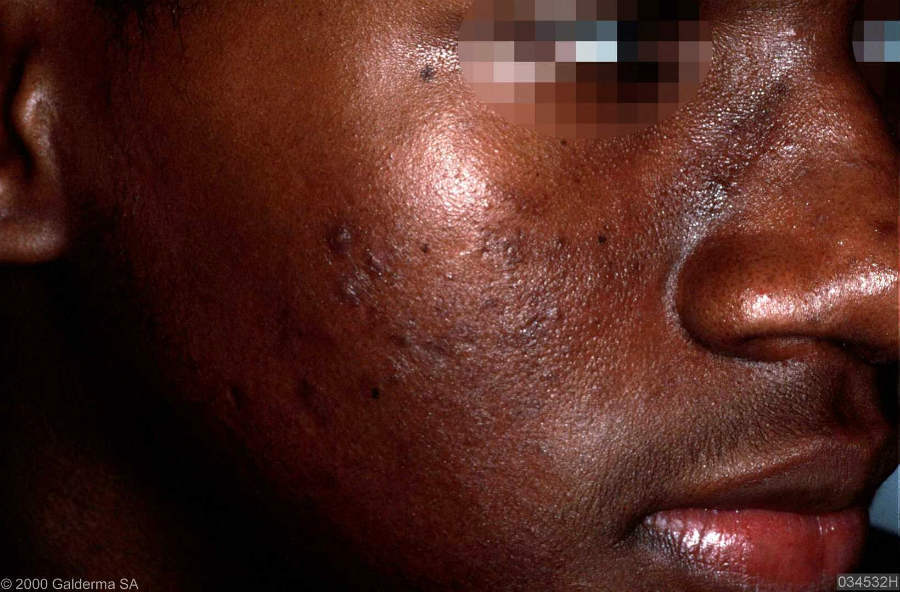
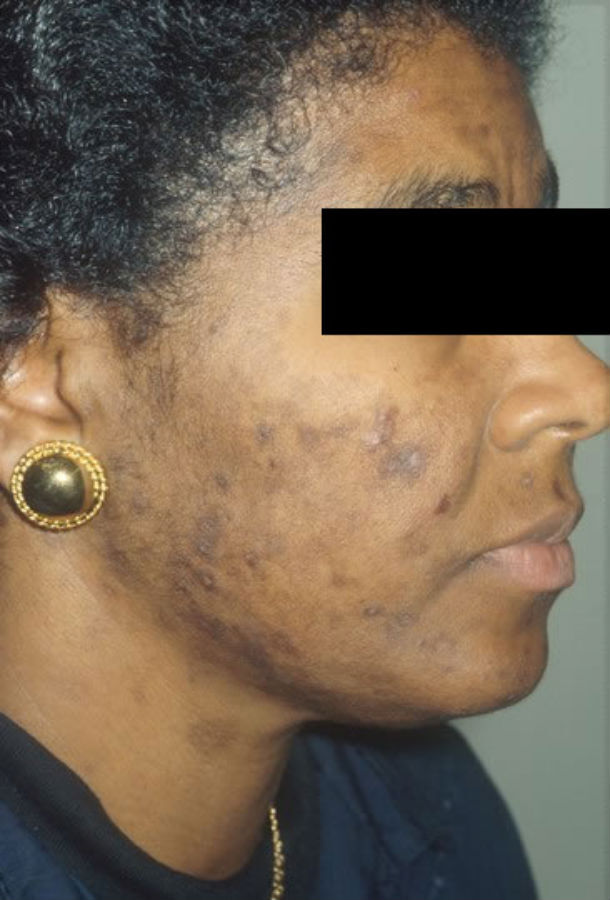
Hyperpigmentation, which can be a severe in skin of colour
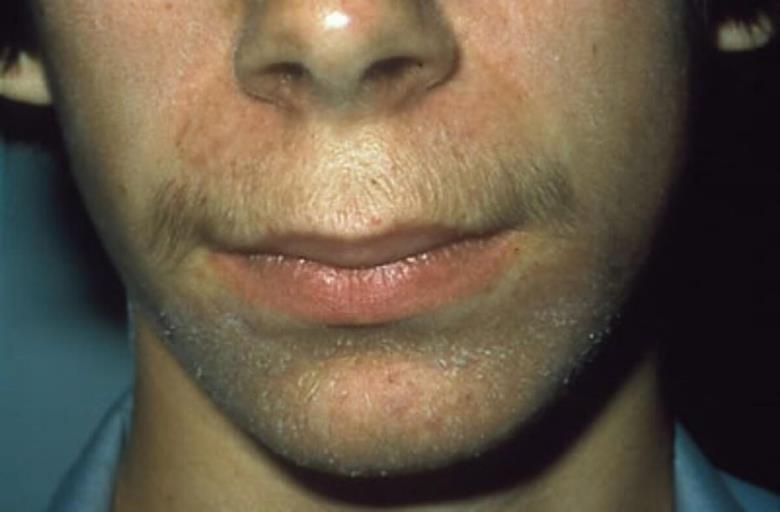
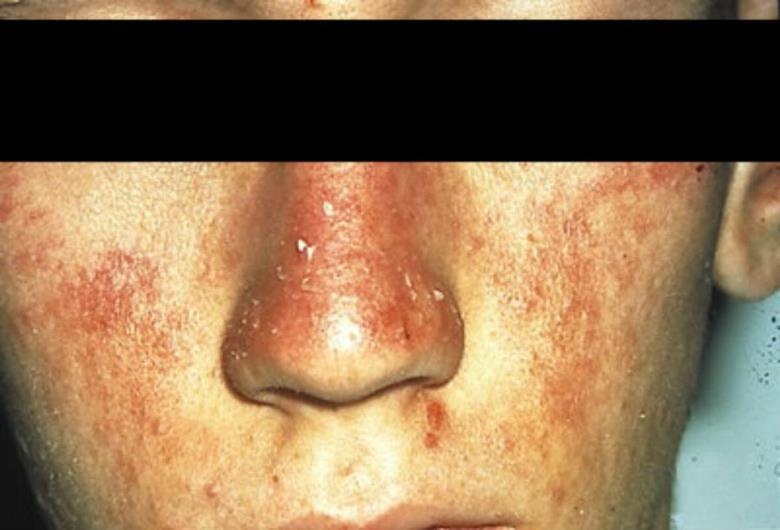
Clinical Images
Please refer to notes on image rights at bottom of the page with regards to individual image
ownership.
1
2
3
4
5
6
7
8
9
10
11
12
13
14
15
16
17
18
19
20
21
22
23
24
Investigations
The vast majority of patients with acne do not require investigations
In terms of possible hormonal causes:
In the absence of any other endocrinological disorder, irregular periods plus hirsutism is diagnostic of the Polycystic Ovarian syndrome (PCOS)
If a patient with mild hyperandrogenism does not have PCOS, especially if they have very recalitrant acne, then consider late onset (non-classical) congenital adrenal hyperplasia
The presence of virilisation could suggest an androgen secreting tumour
For detailed information on all of the above refer to the related chapter Hyperandrogenism
Management
Concise management advice and patient information leaflets can be found as follows:
Refer to the top right of the page for a patient information leaflet available through a QR code or printable PDF
See below for detailed notes on acne management.
Detailed notes on acne management
This section is divided as follows:
Empowering patients
Practical daily skin care
Treatments for acne
Topical treatments
Treatments summary table
Oral treatments
Treatments summary table
Pregnancy
Skin of colour
Referral
What to do after your patient has had isotretinoin
Scar management
Empowering patients
Manage expectations - frame acne as a chronic condition requiring long-term management rather than a "cure." Emphasize that while spontaneous resolution is the eventual goal, the clinical focus is on controlling severity and preventing sequelae such as scarring
Be realistic with timelines - educate patients on the "lag time" of therapy. Significant clinical improvement typically several months of consistent use of any treatment; emphasize that while the acne may fluctuate (wax and wane), the overall trajectory remains positive with good adherence and skin care
Preventative framework - position treatment as a "forward-looking" intervention, i.e. medications are designed to prevent future lesions developing. Effective use of treatments will reduce the likelihood of sequelae such as scarring and acne-induced hyperpigmentation
Improve concordance - by explaining how acne develops, briefly, and linking back treatments to their pathophysiologic ‘targets’, patient buy-in is fostered: patients can understand why they are using a particular treatment and what the intended effect is
Visual benchmarking - suggest that patients take selfies every 2-3 weeks. Because changes in acne are incremental, patients often underestimate and miss improvements. Comparing photos, serially, helps them see the long-term trend rather than just today's flare. This keeps the motivation up
Practical daily skin care
It is important to emphasise to patients that acne is a hair follicle (specifically, the pilosebaceous unit) and skin barrier problem influenced by hormones; it is not a hygiene nor dirt problem
Wash no more than twice daily, and after sweating, using a soap-free, pH-balanced or mildly acidic cleanser (synthetic detergent or ‘syn-det’) and lukewarm water. Excessive washing and using soaps can irritate the skin
Gentle exfoliation, 2-3 times a week, can be helpful to unblock pores, and remove dead skin. Chemical exfoliators are preferred over physical exfoliators
Even oily skin needs hydration, especially when using drying agents like retinoids or benzoyl peroxide to treat the acne. Recommend lightweight, fragrance-free, water-based moisturisers, such as Cetaphil® moisturizing lotion, or Dexeryl® cream (other cosmeceuticals are available)
Ensure all topicals (including cosmetics and sunscreens) are explicitly labelled as "non-comedogenic" or "oil-free”. These can be applied at least 15 minutes after topical agents
Daily broad-spectrum SPF 30+ protects against medication-induced photosensitivity and is the primary tool for preventing the darkening of acne-induced hyperpigmentation
LED light masks - these are private treatments. Ask your patient to ensure they have done meticulous background checking before they embark on this. Long-term evidence is lacking, and there are concerns that though blue-light may be antibacterial, it may contribute to pigmentary disorders, and red light, though may be anti-inflammatory, as high-intensity visible light, it may also heighten pigmentary disorders
Dietary guidance - while "clean eating" isn't a cure, suggest a low-glycaemic index (GI) approach. High-GI foods (refined sugars) spike IGF-1, which can drive acne. If dairy is a trigger, suggest minimising skimmed milk specifically, as it has a higher correlation with flares than whole milk
Stress & sleep - cortisol is a known sebaceous stimulant. Frame sleep hygiene and stress management as "internal skincare" that helps regulate oil production
Patients must be educated about the risks of squeezing or picking lesions. Mechanical trauma from picking or traumatising the skin can force inflammatory changes to occur deeper in the dermis or can disrupt the follicle causing debris from the follicle to lead to immune triggers resulting in inflammation. In addition, recurrent picking causes delayed healing and may introduce bacterial infection. Together these significantly increase the likelihood of permanent atrophic or hypertrophic scarring
Topical treatments for acne
Topical medicines have either a single active agent, e.g. adapalene is a retinoid, or a combination of different active agents, e.g. adapalene combined with benzoyl peroxide (Epiduo®) which combines a retinoid with benzoyl peroxide
Choose the topical agent based upon the predominant pathophysiologic aspect of acne present. The following table will illustrate what agent is suitable for which phase of acne
The active agent in a topical can sometimes be prescribed in different base vehicles, e.g. azelaic acid comes as either 20% cream (Skinoren®) or 15% gel (Finacea®); both are equally efficacious. Choose the formulation your patient will tolerate
Some topicals come in different concentrations. For azelaic acid, the different concentrations are due to different base vehicles, as stated above. For others, where the vehicle is the same, greater concentration does not necessarily mean greater benefit: benzoyl peroxide 10% is no more effective than 5%, but will have greater side effects, whereas Epiduo® Forte 0.3% adapalene / 2/5% BPO has greater benefit than Epiduo® 0.1% adapalene / 2,5% BPO, but evidence suggests side effects are no greater when the higher concentration is used
Topicals can be prescribed either as solo treatment, or in combination with oral treatments. It is not usual to combine topical treatments with oral isotretinoin; this is a decision for intermediate- or secondary care
Sometimes, greater efficacy can be achieved by combining topicals (“layering” or sequentially applying one treatment after another). This approach utilises multiple agents to target multiple pathophysiologic factors implicated in acne, for example:
Clascoterone targets sebum production and inflammation
Azelaic acid targets inflammation and acne induced hyperpigmentation
Retinoids provide anti-comedolytic, anti-inflammatory, anti-proliferative, and scar remodelling benefits
Topical antibiotics act as anti-inflammatory antimicrobial agents reduce Cutibacterium acnes
Treatments are applied sequentially, rather than mixed 1:1 (mixing affects the pH of the agents and may or may not affect the active ingredient; also, different formulations have different vehicles which may not be compatible)
An example morning routine may be clascoterone applied to clean, dry skin, waiting 5-10 minutes, applying azelaic acid, waiting 5-10 minutes, then applying a non-comedogenic moisturizer with/without sun protection. If applying makeup, this can be applied after, using a patting technique rather than dragging, so as not to disturb the earlier layers
In the evening, an example routine could consist of makeup removed (where appropriate) and a gentle cleanse performed, followed by applying clascoterone, waiting 5-10 minutes, applying Epiduo®, then 5-10 minutes after, a non-comedogenic moisturizer. Note the evening dose of azelaic acid is omitted as it is quite drying if layered with a topical retinoid
Another method includes first gentle cleansing, applying a non-comedogenic moisturizer to prepare the skin before the active treatment (e.g. clascoterone or a retinoid), followed by a final layer of moisturizer. This ‘sandwich’ method is particularly helpful when starting treatments to minimise irritation and improve adherence
Work with your patient to see what suits their lifestyle and maximises concordance. See what they can realistically do; this approach does not suit all and it can be time- and labour-intensive
For convenience and to improve concordance, some (non-NHS) services ‘compound’ different topicals into one agent. In theory, pharmacies balance the vehicles and pH/stability of the active agents to create products, as effective as the individual agents, but without objective evidence, this cannot be guaranteed
Any topical can cause skin irritation. Should this occur, then either start treatment slowly, e.g. apply Mon. week 1; Mon. & Fri. week two; Mon., Wed. and Fri. week three; every other day week 4; then daily week 5. Another method is to apply a topical, and if irritation occurs, wash off after 30 minutes or when irritation is felt, and gradually increase the contact period over several weeks
Topical agents can also be used to prevent acne relapse, or improve acne scarring, after treatment with oral isotretinoin
Which topical is ‘the best’?
Head-to-head studies between all are lacking. Dual-ingredient treatments combing a topical retinoid are likely to be more effective than single ingredient products, but probably the best treatment is the one the patient will use consistently
Success measures are difficult to judge from the literature due to different endpoints for treatment being used (e.g., inflammatory lesion reduction, non-inflammatory lesion reduction, clearance of skin from patients’ perspectives and other patient-related outcome measures, etc.)
At best, an approximate two-third reduction in acne lesions should be expected from treatment regimens incorporating retinoids, and perhaps a third to 50% improvement for other agents
It is vitally important to explain time scales of improvements to patients. On the average, benefits may take 6-12 weeks before significant changes are noted, especially if treatments are started slowly. Acne naturally waxes and wanes, depending on triggers, psychosocial and other risk factors, but overall, the trajectory is of incremental improvement
Encourage your patient to take regular photographs of their skin to monitor response, e.g. every 6 or 12 weeks. It can be subjective, but the aim is improvement in acne, and improved quality of life index scores. Be wary: some patients do become concerned about each and every photograph, and this may become counter-productive
Oral treatments are divided into oral antibiotics, anti-androgen treatments such as oral contraceptives and spironolactone (females only), and oral isotretinoin.
Antibiotics
Usually started when acne progresses beyond the comedone-only stage, and inflammatory lesions such as papules and pustules develop
It is important to remember that topicals should continue with oral antibiotics. Oral antibiotics are not replacements for topicals; they are adjuncts and are benefit multipliers. Patients often feel that antibiotics are more important than topicals and stop the latter; topicals and orals complement each other and are both important
A good mantra remember for acne is: “never together, never alone, never on repeat and never minocycline” (credit to Andy Grafton)
Never use an oral antibiotic with a topical antibiotic, e.g. Duac® with an oral antibiotic
Never use an antibiotic alone; add in an appropriate topical(s) e.g. retinoid or retinoid combination, clascoterone, benzoyl peroxide, and/or azelaic acid. Combination treatment improves efficacy and therefore may reduce the time a patient is needing to use an antibiotic (see below regarding antimicrobial resistance)
Never on repeat - do not keep on repeats as this results in prolonged prescriptions which may not be effective, and lead to bacterial resistance
Never minocycline - this is a tetracycline antibiotic that has fallen out of favour, except in specialist hands, for the treatment of acne due to its side effect profile and expense
Antibiotics tend to exert their effect over 12 weeks, though effects may be sseen from week 6 onwards. Sometimes, it may take up to 6 months to see a full effect. After 3 months, they should be stopped, and a treatment break considered, whilst topical treatments are continued as maintenance treatment (uncommonly, could be continued for 6 months in total, if there is a reasonable improvement at 3 months):
If acne is well-controlled on an antibiotic, but rapidly flares (flares significantly within 4 weeks of stopping), then consider, where appropriate, referring onwards to Dermatology (intermediate- or secondary care). You can start a different antibiotic (‘second-line’ treatment) whilst they wait
If acne is well-controlled on an antibiotic, and this control is maintained for weeks (more than 4) or months when stopped, then it can be repeated infrequently after a run of two or more future flares of acne papules/ pustules
If acne is not controlled at all on the antibiotic, then refer
Antimicrobial resistance is a serious risk of prolonged antibiotic use. It develops quickly. Using topical benzoyl peroxide, either in combination with a retinoid, alone, or as a wash can eradicate resistant C. Acnes and prevent new strains developing
Which antibiotic when?
Under 12 - tetracyclines are contraindicated. Choices usually are a macrolide antibiotic. This is due to permanent teeth staining
Over 12s, usual treatments will be lymecycline or doxycycline - lymecycline may be better tolerated that doxycycline and have a better side-effect profile, but there may be evidence doxycycline is the better anti-inflammatory agent of the two.
Head-to-head studies between any of the antibiotics are lacking, e.g. a tetracycline vs macrolide vs trimethoprim) and data must be extrapolated from individual antibiotics vs placebo. In several, older, studies, antibiotics were combined with topicals, and topicals have now advanced, meaning the comparisons are less meaningful nowadays
A macrolide such as erythromycin or clarithromycin may have similar efficacy to a tetracycline in acne, but risks are antimicrobial resistance limiting the antibacterial properties and efficacy against C. Acnes. Combine with benzoyl peroxide, as stated above
Trimethoprim is falling out of favour as an option and best reserved for intermediate or secondary care use. Again, head-to-head and more modern studies are lacking. Risks are detailed in the table below. This would not be recommended to be prescribed in Primary Care unless local policy dictates
The first course of antibiotics ‘failed’; should I try a different antibiotic in the same class or choose a different antibiotic altogether?
When switching antibiotics, switch classes, rather than within classes. The caveat is there may be something to gain, changing from lymecycline to doxycycline, but do not hold back referral if the acne is moderate-to-severe enough to warrant referral (i.e. can refer after lymecycline, but start doxycycline whilst waiting, if appropriate)
Anecdotally, some patients will state they respond better to one antibiotic rather than the other; there may be individual patient characteristics, bioavailability, drug distribution, placebo, nocebo, or other factors involved, and should not be relied upon. In-class switching just delays best treatment
As per NICE guidance, multiple courses of antibiotics are not needed in Primary Care, and assuming the patient has moderate-to-severe acne, should be referred if there is failure to improve on first-line treatments that include oral antibiotics
It is reasonable to start a second-line antibiotic whilst they are wating to be seen in secondary care, particularly if waits are long
Include the combined oral contraceptives (COCP), co-cyprindiol and standalone 4th generation progestogens such as drospirenone (NOT 1st and 2nd generation progestogens, such as norethisterone and levonorgestrel, which have pro-androgenic side effects, and worsen acne), and spironolactone
Examples of effective COCP are Yasmin®, Eloine®, Lucette® and generic alternatives, (contains drospirenone), COCP containing third generation progestogens, and Dianette® (co-cyprindiol)
Prescribing should be in accordance with UKMEC rules and be mindful of VTE risks:
No contraception – estimated 2 VTE cases per 100,000 women per year
COCP and drospirenone can be continued for background contraception but Dianette® should be stopped 3-4 months after acne clearance. To maintain control, swap to an alternative non-acnegenic COCP or to drospirenone, where appropriate
Contraceptives can be combined with oral antibiotics and should be combined with topical treatments for multi-target benefits
Some women express acne flares during the pill-free interval whilst on a COCP. In this situation, reducing the pill-free interval to 4 days, rather than 7, may be beneficial, or tricycling (take three packs back-to-back-to-back) with a 4- or 7-day pill-free interval may reduce these flares (DFSRH CHC guideline, section 6). This is only applicable for monophasic COCP
Spironolactone is an off-license treatment for acne. Multiple evidence suggests benefits in adult females with acne, and it is particularly helpful for hormonal acne, or PCOS-related acne
It can be combined with antibiotics, topicals, and COCP/drospirenone. Combining other treatments with spironolactone may allow the dose of spironolactone to be lowered, for maintenance, once the acne is controlled
The usual risks of spironolactone apply, as per the BNF, but hyperkalaemia is thought to be rare in healthy women under the age of 45, according to evidence
It can be commenced in Primary Care (see below) and is usually started at 50mg once daily and increased in 2-4 weeks to 100mg once daily
Spironolactone works slowly; review at 6 months. If there is a partial response after 6 months, or where there is co-existing PCOS or high BMI, consider increasing spironolactone to 100mg twice daily, with review at 6 months
Side-effects are dose-dependent, and include menstrual irregularity and spotting, diuresis, postural hypotension (usually short-lived in fit and healthy women), headaches, and breast tenderness.
At best, 85% of women may see at least 50% improvement in acne, with many reaching near-total clearance
Oral isotretinoin (Roaccutane®; usually prescribed generically)
Is a vitamin A derivative. It is an oral retinoid
It has effects across all the pathophysiologic stages of acne, barring being a direct antibacterial
As per the Commission on Human Medicines (CHM) Isotretinoin Expert Working Group and MHRA (2023), “Isotretinoin is authorised for the treatment of severe forms of acne (such as nodular or conglobate acne or acne at risk of permanent scarring) resistant to adequate courses of standard therapy with systemic antibacterials and topical therapy.”
It is the most effective treatment for severe acne - in most patients, it leads to clearance of acne
It is not a cure: the risk of relapse after a course of oral isotretinoin is roughly 1 in 5. Measures listed below can reduce that risk.
It is used for several months (depending on dose, side effects., etc.), give or take, and a course is completed 4-8 weeks after the last new acne lesion is seen
It is prescribed in intermediate and secondary care, per local provision, by experienced practitioners
Most patients will only ever need one course of isotretinoin. Should they relapse, then they start the acne treatment ladder from the beginning, and are referred for a further course, if appropriate. This is because isotretinoin alters and improves the pathophysiologic landscape and first-line treatments can become more effective after isotretinoin use
It is taken once daily. Being lipophilic (‘fat-loving’), it is recommended to be taken with a high-fat meal to maximize absorption and effectiveness, and not on an empty stomach
Isotretinoin is associated with several side effects
20% of patients may experience a flare of acne within 2 months of starting it; after, month-on-month, the acne will improve and eventually clear. Lower doses of isotretinoin avoid this risk
Isotretinoin has a profound impact on sebum production (‘potent de-greaser'). No sebum = no acne, but results in dry skin. Generally, all patients will experience dryness to varying degrees, from mild lip dryness to cracking & soreness, nosebleeds, dry eyes, and worsening of any concomitant eczema. These effects are dose dependent
Given that it dries skin and surfaces, contact lens wearers should be cautious. Either the dose of isotretinoin can be adjusted to balance dryness, or avoid or reduce use, or use preservative-free lubricating eye drops frequently to avoid severe dry-eye and issues with lenses
DO NOT take vitamin A supplements whilst on isotretinoin; gym-goers and those who consume health drinks and protein ‘shakes’ should check the ingredients to avoid vitamin A toxicity
Isotretinoin can cause night blindness and glare sensitivity. For night and HGV drivers, caution should be urged, and if interfering with driving, avoid. Notifying the DVLA is not required, but it is the legal responsibility to not drive if vision is affected. For pilots, isotretinoin is contraindicated. Rarely, if eye problems develop, they may persist after treatment. Night blindness can take several months to improve; rarely, it is permanent
Isotretinoin can either be service-limiting, or contraindicated, for certain roles in the military
Isotretinoin, like topical retinoids, cause sun sensitivity, and therefore a high-SPF, broad spectrum sunscreen should be used daily in sunny climates. Excessive sun exposure should be avoided, and consider either a lower dose, or isotretinoin holiday, if going away on a sunny holiday. Isotretinoin washes out after 4 weeks, so a brief break is not going to compromise treatmen
Other risks are muscle aches, fatigue with activity, and joint pains. Rhabdomyolysis can be a life-threatening but a very rare side effect of isotretinoin (only a dozen cases reported in the worldwide literature). It usually occurs in the setting of strenuous exercise, e.g. heavy weight-lifting, or high-intensity interval training, and concomitant dehydration or alcohol consumption prior to exercise, or strenuous exercising whilst taking medicines such as statins. It is usually manifest as severe muscle pain and weakness and dark urine, though 50% of patients may be asymptomatic in the initial stages. Rhabdomyolysis is a medical emergency. To reduce this risk, avoid training at 100%, and aim for maintenance workouts (~70% effort), being well hydrated, and avoiding eccentric-heavy movements. Remind exuberant gym-goers that isotretinoin is not for life, and they can resume full activity once treatment is completed, whereas scarring can be permanent
Blood donation cannot be performed whilst on treatment, and for a month after treatment ends
In most patients, as acne improves, mood improves, confidence and self-esteem improve, and depression scores (acne is associated with depression) improve. However, in a small minority of patients, worsening depression has been reported as has suicidal ideation, and even suicide. No direct study has shown a direct causal link between isotretinoin and suicide, and these negative effects are rarely seen. Recent large population studies have been reassuring suggesting depression if caused by the acne improves and suicide rates are lower in acne patients treated with oral isotretinoin. Additionally, it is challenging to know what contribution isotretinoin has to an already depressing condition (acne), especially in the era of social media/image consciousness, body dysmorphia, or, for example, in schools and bullying, etc. All patients should be assessed and screened for neuropsychiatric problems and appropriate support offered
Similarly, a minority of patients have reported sexual difficulty (loss of libido, vaginal dryness, erectile dysfunction) during treatment and some have reported continued problems after completing treatment. Between 1985 and 2017, the UK's Yellow Card system received only about 86 reports of sexual dysfunction related to isotretinoin. Given that roughly 30,000 people take the drug annually in the UK, the reported incidence is very low. A causal link has not been established
Idiopathic intracranial hypertension is a very rare (<1:100 000) risk of isotretinoin. This risk if exacerbated if concomitant tetracyclines are used with isotretinoin
Bone and joint pain, especially low back pain, can happen in some patients. It resolves upon cessation of treatment. Rarely, it can cause calcification and ossification of ligaments in the spine, pelvis and heels, occur (known as DISH; diffuse idiopathic skeletal hyperostosis). It is suspected by persistent stiffness that does not improve at rest and lasts through the day. In younger teenagers, very rarely, epiphyseal plates may close prematurely
Other considerations
Isotretinoin is dispensed as capsules and contains refined soya oil. In theory, soya oil, being legume-based, may show cross-reactivity in peanut allergy (peanuts being legume-derived). However, refined soya oil is devoid of the proteins that trigger allergic reactions, so peanut allergy should not be a contraindication to isotretinoin use, unless someone has a severe anaphylactic reaction to soya oil itself
Though the capsules should not be opened, patients who cannot swallow tablets or have other swallowing difficulties can open the capsules, though absorption is reduced, and the liquid inside is acidic and can cause oesophageal irritation. For those who might be able to swallow, use smaller doses (smaller capsules) rather than a single large capsule, or soak the capsules in warm water for 2-3 minutes to soften the gelatine shell, then swallow mixed with yoghurt or pudding
Most specialists will advise against using isotretinoin while taking anabolic steroids and will not prescribe it. This combination significantly elevates the risk of drug-induced liver injury, rhabdomyolysis, and acne fulminans (a severe, explosive inflammatory reaction). Additionally, the synergistic impact on mood ('roid rage' meeting 'retinoid low') is a major psychiatric concern. Fundamentally, the hyperandrogenic and pro-acne nature of steroids directly opposes the therapeutic goal of isotretinoin, often rendering the treatment ineffective
Pregnancy and breast-feeding
Safe topicals to use in pregnancy include azelaic acid, combination topical zinc and erythromycin, Duac®, and standalone benzoyl peroxide
Tetracyclines and trimethoprim are contraindicated for use during pregnancy or breast-feeding
This leaves macrolides as the only oral treatment option
There is no large-scale, high-quality prospective study that specifically looks at the safety of 3 to 6-month continuous courses of macrolides in pregnancy
Fan et al, in 2000, analysed over 100,000 children, born in the UK between 1990 and 2016, and showed increased risk of major malformations (28 per 1000 vs 18 per 1000 with penicillin) when macrolides were prescribed in the first trimester. 4 additional cases of heart defects per 1000 children exposed to macrolides vs penicillins in the first trimester were seen (high relative risk, but low absolute risk). The antibiotics prescribed were for short-term courses, e.g. for tonsillitis, rather than for acne. Reference: BMJ, Feb. 2000, "Associations between macrolide antibiotics prescribing during pregnancy and adverse child outcomes in the UK: population-based cohort study"
This finding was not seen in a larger Danish study (Reference: Feb. 2021 "Association between use of macrolides in pregnancy and risk of major birth defects: nationwide, register based cohort study") by Andersson et al, who showed no increased risk, looking at 1.1 million pregnancies in Denmark between 1997 and 2016
The debate remains, and therefore, the use of oral macrolides in pregnancy is an unknown, and a balanced discussion should take place between practitioner and patient to determine next actions. At the least, oral macrolides should be avoided in the first trimester, unless clinically necessary (Reference: MHRA public assessment report, June 2021)
There is no dedicated study on the safety of a 3–6-month continuous exposure of oral macrolides via breast milk
Generally, less than 1-2% of the total macrolide reaches the baby in breast milk
Stop macrolide use if diarrhoea, oral thrush, or any skin rashes develop
There is a small but documented risk of infantile pyloric stenosis developing in babies exposed to macrolides in breast milk, during the first two weeks of life
It is unknown how the gut microbiome in the developing baby is affected and what effect this has on their developing gut, and whether macrolide exposure increases sensitization and risk of macrolide allergy later in life
Again, this requires a balanced discussion and shared decision making
Skin of colour
Acne is not any more common or severe in skin of colour, but here, there is a paradigm shift. Patients with skin-type 4-6 require treatment of acne and prevention and treatment for acne-induced hyperpigmentation(AIH)
AIH, in some circumstances, can be more distressing than active acne itself, and given how slowly (and sometimes incompletely) AIH resolves, can have a significant impact for patients. Therefore, aggressive treatment and progression more quickly to systemic treatments is advocated, and if AIH develops, earlier referral for oral isotretinoin, if not contraindicated
Consider use of azelaic acid, or a retinoid (e.g. trifarotene) as mono- topical therapy, or in combination with other topicals, for example azelaic acid, topical retinoids and clascoterone. Introduce use gradually if irritation occurs; prolonged or recurrent irritation can lead to PIH too
UV light exacerbates AIH; recommend a broad-spectrum sunscreen as a minimum, but better, advise tinted mineral sunscreens that also block visible light
Avoid harsh scrubs and astringents, high-strength (5% or more) benzoyl peroxide, cocoa butter, and shea butter (natural ‘butters’ are comedogenic and block pores)
People with skin of colour are up to 15 times more likely to develop keloid scars. If keloids are seen, refer for oral isotretinoin early
Secondary acne can be a result of cultural practices - hair oil can induce pomade acne on the forehead and skin lightening products containing topical steroids can cause a steroid-induced acne
Referral to Secondary Care or Community Dermatology services
Urgent or routine
Urgent referral
Severe acne - nodulocystic acne, or acne with ongoing scarring. Ensure they are on maximal treatment from Primary Care (usually, oral antibiotic combined with topical agents)
Moderate-severe body dysmorphia
Development of keloid scarring
Routine referral
Moderate acne either not responding to first-line antibiotics and topical therapy of adequate duration (e.g. 12 weeks), or where there is significant psychological distress (e.g. DLQI>10), or where there is ongoing acne-induced inflammatory hyperpigmentation and risk of permanent scarring
Mild acne not responding to first-line topicals then a course of oral antibiotics with a topical retinoid or other appropriate topical(s), of adequate duration (12 weeks each course)
Provide an oral isotretinoin patient information leaflet
Perform a standard baseline panel test o Full Blood Count (FBC) o Urea & Electrolytes (U&Es) o Liver Function Tests (LFTs) o Lipid Profile (including Triglycerides)
fasting vs. non-fasting: while some local protocols historically requested fasting lipids, current evidence suggests that non-fasting samples are sufficient for initial screening. Fasting lipids should generally be reserved only for cases where initial non-fasting triglycerides are significantly elevated or grossly abnormal
Pathology documentation - ensure that the results of these baseline tests are attached to the referral letter to avoid redundant repeat testing
Is contraception for women of child-bearing age a requisite?
This is somewhat intermediate-/ secondary care- (your local service) dependent
The Pregnancy Prevention Programme (PPP) - while some departments require hormonal contraception as a prerequisite, others may proceed based on a rigorous risk assessment. This includes the patient’s commitment to monthly pregnancy testing and a documented understanding of the teratogenic risks
In specific cases, a formal declaration of persistent abstinence may be accepted as part of the PPP, provided the patient is fully counselled on the implications of a change in circumstances
It is critical to counsel patients that male-dependent contraception (condoms) is insufficient as a primary method due to high "real-world" failure rates—estimated at 15%—and the risk of breakage
For patients choosing to use contraception, long-acting reversible contraception (LARC), such as the subdermal implant or IUD, is generally recommended as the "gold standard" to minimize user-dependent failure, accepting the pro-acne effects of progesterone
Prescribing of contraception will be the remit of Primary Care who have a more holistic view of the patient and are experts in this area of prescribing
What about significant mental illness?
By itself, psychiatric comorbidity is not a barrier to oral isotretinoin. Indeed, in many cases, treating the physical symptoms of acne can lead to a significant improvement in secondary psychological distress
Active suicidal ideation, severe depression, or significant other mental health morbidities such as severe psychosis may be contraindications to treatment
For patients currently under the care of psychiatric or mental health services, sometimes a multidisciplinary approach is needed. Ensure that all relevant psychiatric history, current stability assessments, and specialist correspondence accompany the referral to secondary care. This reduces the risk of the patient journey being delayed
Care may need to be coordinated between Dermatology, Psychiatry, and Primary Care
Tips to maintain remission after a course of isotretinoin
Acne is a chronic inflammatory condition; while isotretinoin induces long-term remission, it is not always a permanent "cure”. Proactive maintenance is essential to prevent relapse (~1 in 5 risk), especially in younger patients, those with a strong family history of persistent acne, or those with endocrinopathies
Topical retinoid consolidation - initiate a "maintenance" topical retinoid (e.g., adapalene or trifarotene) after completing the oral course. This serves to maintain follicular patency and stimulate ongoing dermal remodelling
Consider adding clascoterone - can be effective as a maintenance monotherapy or in combination with a topical retinoid post-isotretinoin. It helps maintain the suppressed sebum production achieved by isotretinoin, addressing the "oiliness" that often returns first during a relapse. It can be used in all genders
Spironolactone - for women with a history of persistent, cyclical, or jawline-distributed acne, oral spironolactone (usual dose 100mg daily) can be an effective maintenance tool. Check local provision and prescribing restrictions if this can be initiated in primary care or requires referral or advice-and-guidance
Timing of scar treatment - for patients seeking scar revision (lasers, microneedling, or chemical peels), traditional guidelines suggested waiting 6–12 months post-isotretinoin. However, emerging evidence suggests that superficial procedures may be safe much sooner. Advise consultation with a specialist (NHS if providing scar treatment else if private, then a reputable certified aesthetic practitioner) for personalized timing
Monitoring for relapse - educate patients that minor breakouts are common. However, a return of inflammatory nodules or widespread comedones should prompt an early review, rather than a "wait and see" approach. Commence treatment as per the treatment ladder above. Patients are often hesitant to return to topical or antibiotic therapies, perceiving them as "failed" previous attempts. However, it is vital to communicate that post-isotretinoin skin is physiologically altered—often with reduced follicular occlusion and smaller sebaceous glands. Consequently, conventional treatments may now demonstrate significantly higher efficacy and can often achieve full control where they previously could not
Referral thresholds for repeat isotretinoin remain the same as for those patients who have been referred for the first time: i.e. isotretinoin ‘restarts the clock’ rather than automatic referral for isotretinoin again (unless there are qualifying reasons such as stated above)
Management of Acne Scarring
Prevention as primary strategy - early, aggressive intervention of inflammatory acne remains the most effective method for preventing permanent scarring
Topical interventions - for mild atrophic scarring, prolonged use of topical retinoids (e.g. trifarotene or adapalene) may encourage dermal remodelling. However, if scarring persists or progresses despite controlled acne, consider a specialist referral
Referral pathways - specialist referral is subject to local commissioning and provision. For patients seeking private interventions, advise rigorous research into both the technology and the practitioner's credentials
Risk mitigation (skin of colour) - exercise caution when discussing resurfacing treatments for patients with skin of colour; highlight the increased risk of acne-induced hyperpigmentation (AIH) and the need for practitioners experienced in treating diverse skin-types
Disclaimer - the author PCDS cannot accept responsibility for any misleading or incorrect statements, and the management of individual patients remains the direct responsibility of the individual doctor. We do however hope that visitors to this site can contact us regarding comments that are considered misleading or incorrect so that we can continue to improve the site.
Image Rights - The PCDS would like to thank Dermatoweb, DermQuest (Galderma), and others who have contributed images. All named individuals and organisations maintain copyright for the relevant images.