Hidradenitis suppurativa (syn. acne inversa)
LAST UPDATED: Jul 06, 2025
Acknowledgements: I would like to thank Dr Kash Bhatti (GP, GPWER & Specialty Doctor), Dr Syreeta Daw (GP & GPwER), Dr Emma McMullen (Consultant Dermatologist), Dr Angelika Razzaque (GP & Associate Specialist), and Jaqueline Tomlinson (Dermatology Specialist Nurse) who developed the PCDS HS pathway and contributed to this chapter.
Introduction
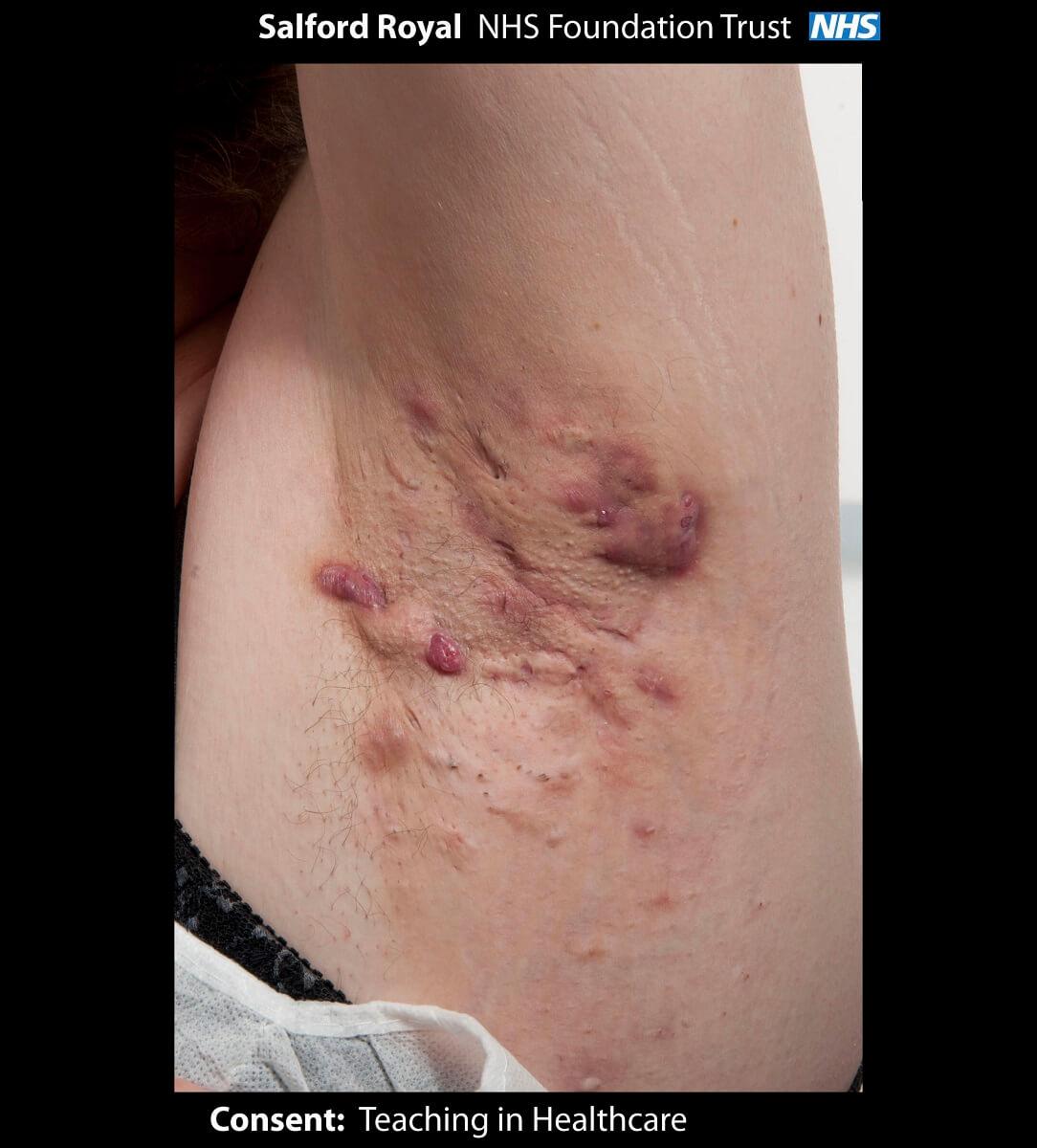
Hidradenitis suppurativa (HS) is a chronic follicular occlusive disorder that affects the apocrine glands in the intertriginous axillary, groin, perianal, perineal, and inframammary skin. The clinical course is highly variable, ranging from relatively mild cases characterised by the recurrent appearance of papules, pustules, and a few inflammatory nodules to severe cases demonstrating deep fluctuant abscesses, draining sinuses, and severe band-like scars. HS can have devastating effects on socio-economic function, mental health, and quality of life. Timely diagnosis and treatment can improve symptoms and reduce long-term morbidity.
This chapter is set out as follows:
Aetiology
Aetiology of HS
- HS affects about 1-4% of the population
- The exact cause of HS remains unclear. What is understood is that the condition is a disorder of follicular occlusion, which begins with follicular plugging obstructing the apocrine gland ducts. Once the ducts are blocked the secretions cannot escape, the hair follicles swell causing rupture of the follicular epithelium leading to bacterial infection and formation of sinus tracts between abscesses under the skin
Contributory factors to HS
- Heat, sweat, and friction between body surfaces
- Obesity
-
Hormones - may be involved in the control of apocrine sweat glands and certainly play a part in the condition:
- HS affects women more than men
- It is uncommon to start before puberty or after the menopause
- Symptoms are often worse before menstrual periods, and can flare in pregnancy
- Polycystic ovaries, hirsutism, and acne are common findings among women with HS
- Smoking
-
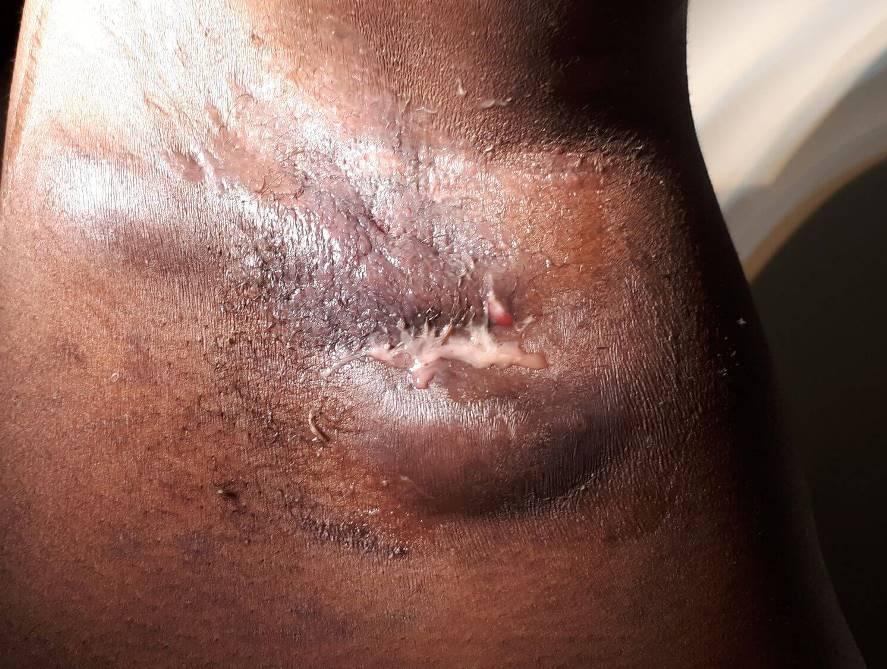
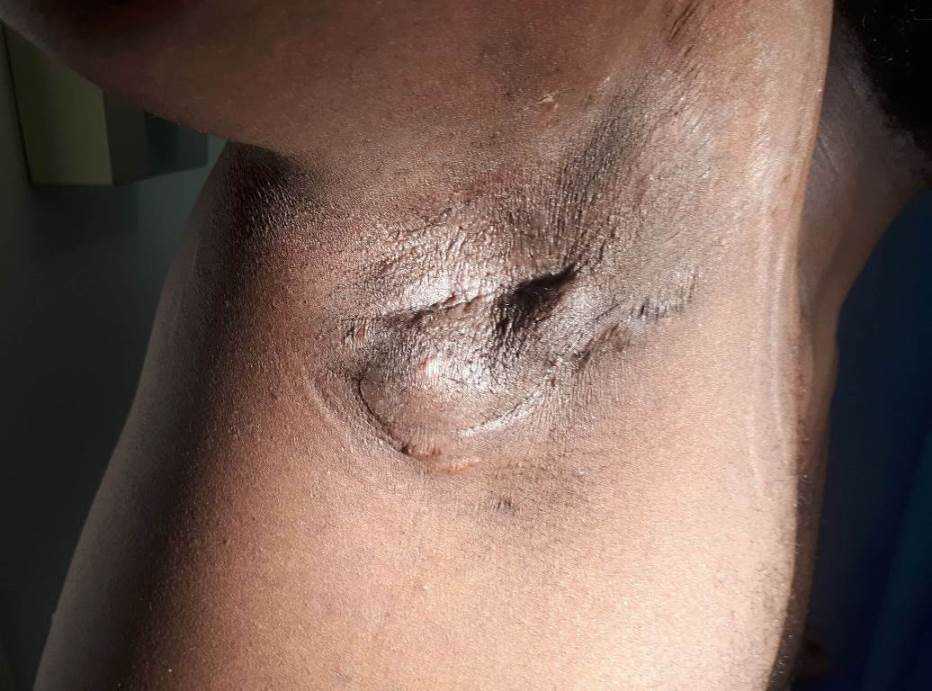
Genetics - HS runs in the families of about one-third of those with the condition and tends to affect skin of colour patients more severely
- Stress
HS associations
- Obesity, the metabolic syndrome, Type 2 diabetes
- Cardiovascular disease (CVD)
- Inflammatory bowel disease - especially if lesions are found in the groins and near the anal margin
- Inflammatory arthritis - patients have a 65% increased risk of axial spondlyoarthritis (refer to clinical features), a 44% increased risk for psoriatic arthritis and a 16% increased risk for rheumatoid arthritis
- Body dysmorphia
- Anxiety, social isolation, stigma, depression and suicide
- Substance misuse
- Decreased productivity at work
History
- Peak incidence is from adolescence to the 40s. Pre-pubertal or above 50s presentation is uncommon
-
Women are affected three times as often as men
- Skin of colour patients may have more severe disease
- Pain is a common feature
Clinical findings
Distribution
- The extent and severity of the disorder varies widely between individuals
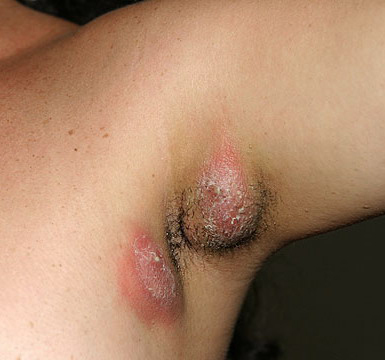
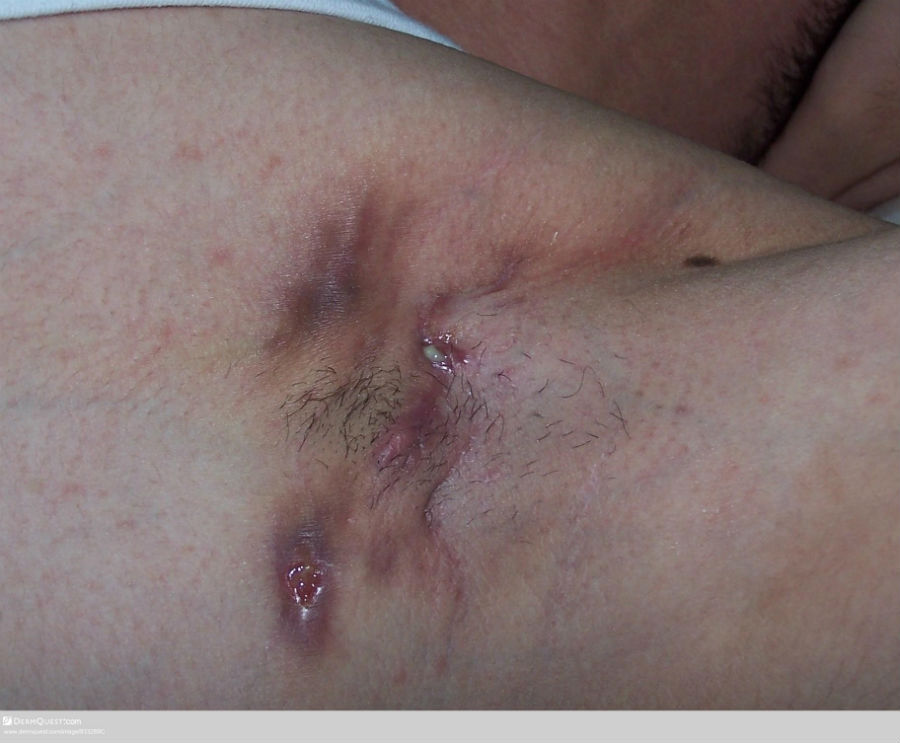
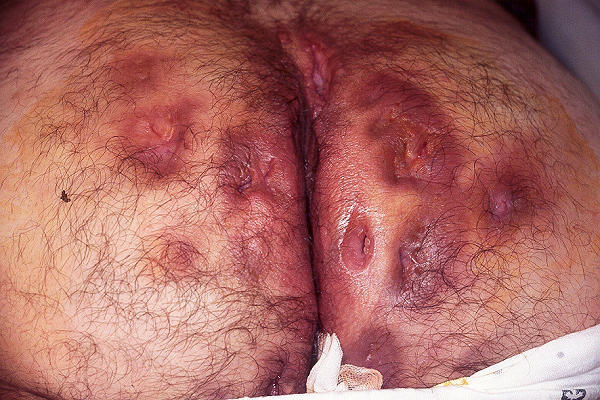
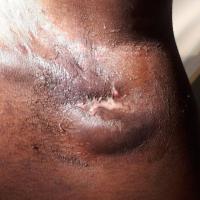
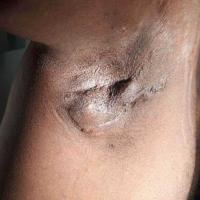
- The axilla and groin are the most commonly affected sites. Under the breast is also a relatively common site. Anogenital involvement may include the mons pubis, vulva, sides of the scrotum, perineum, buttocks (including pilonidal disease)
- Less commonly affected sites include the inner thighs, the waistband, behind the ears, and the scalp (dissecting cellulitis of the scalp)
- HS can be associated with severe acne (acne conglobata), and in this context 'recalcitrant acne' on the nape of the neck is best regarded as HS
Morphology
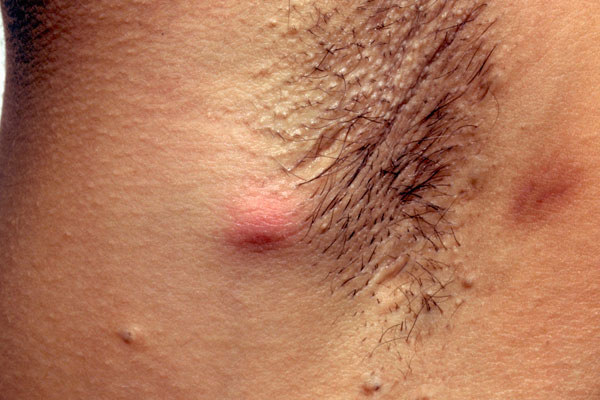
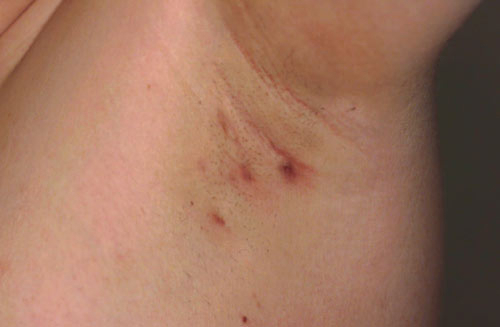
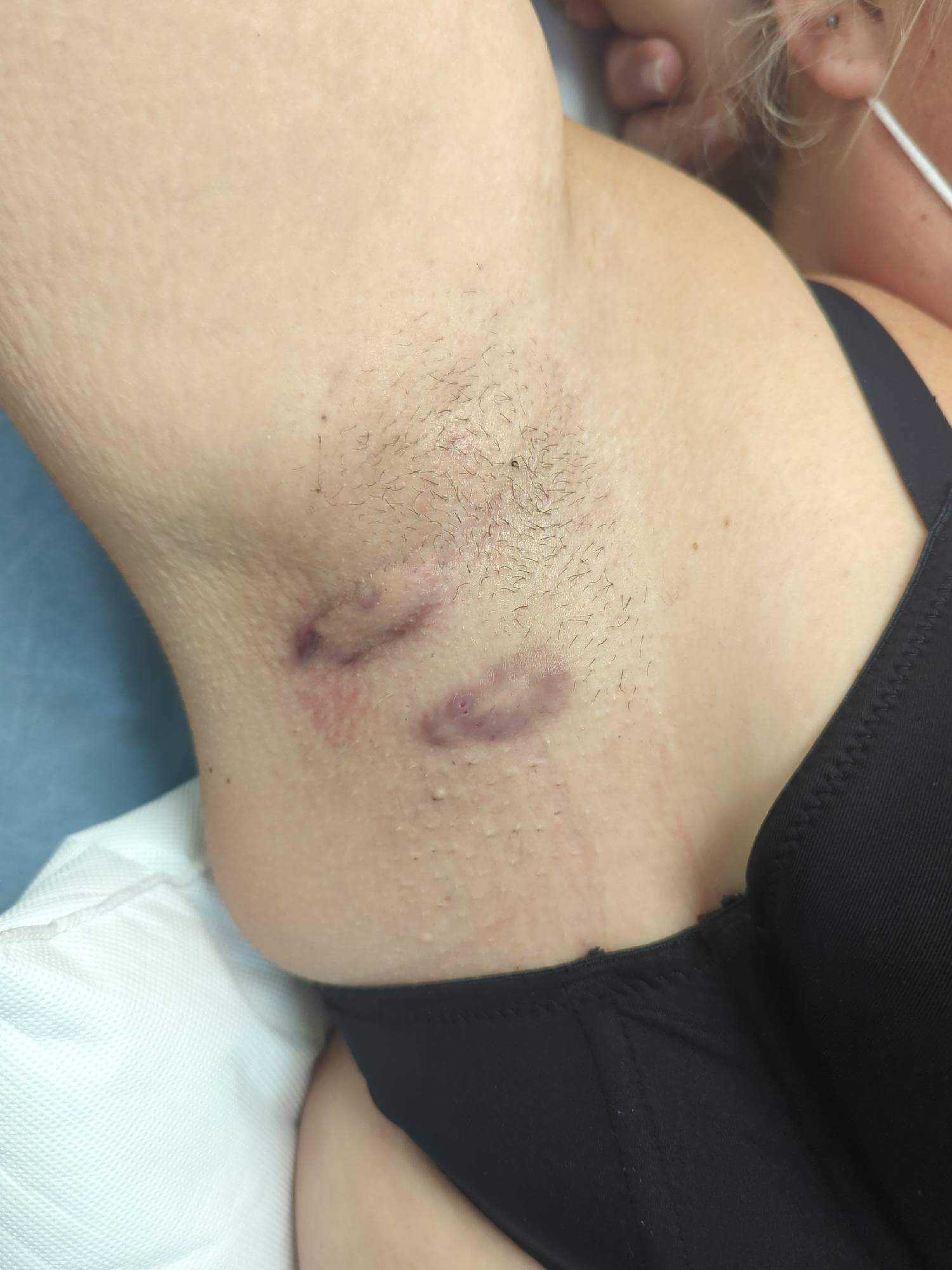
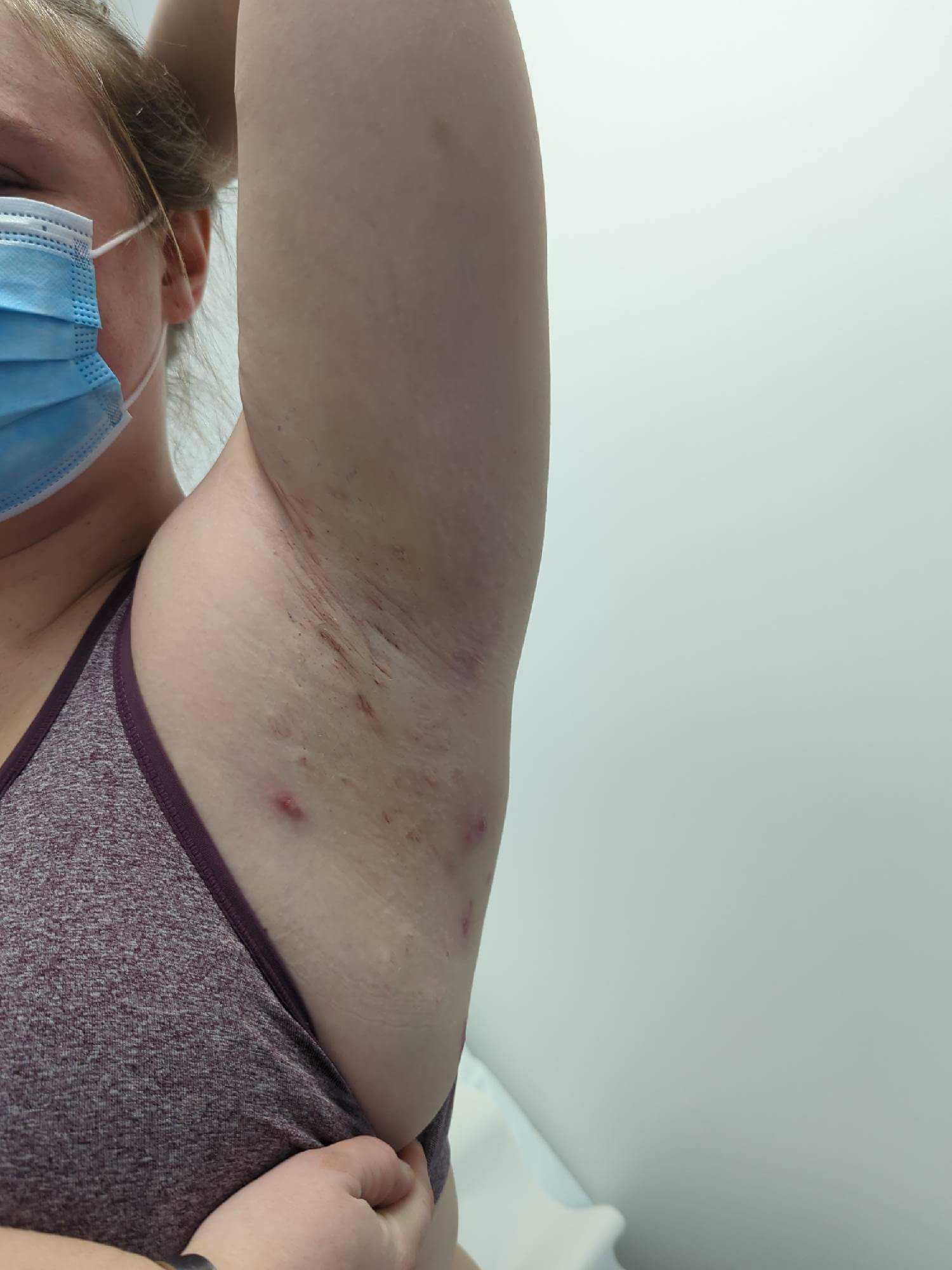
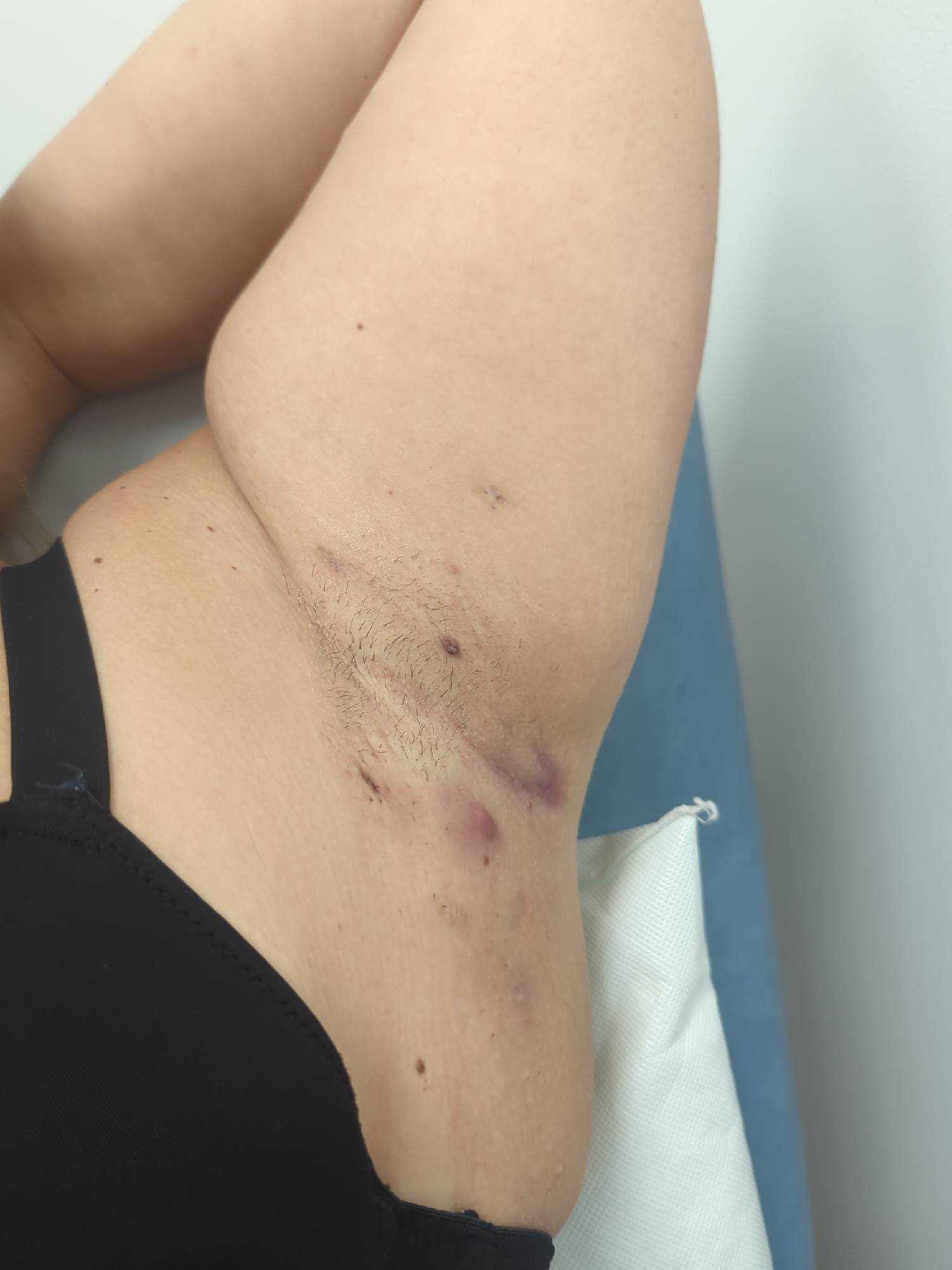
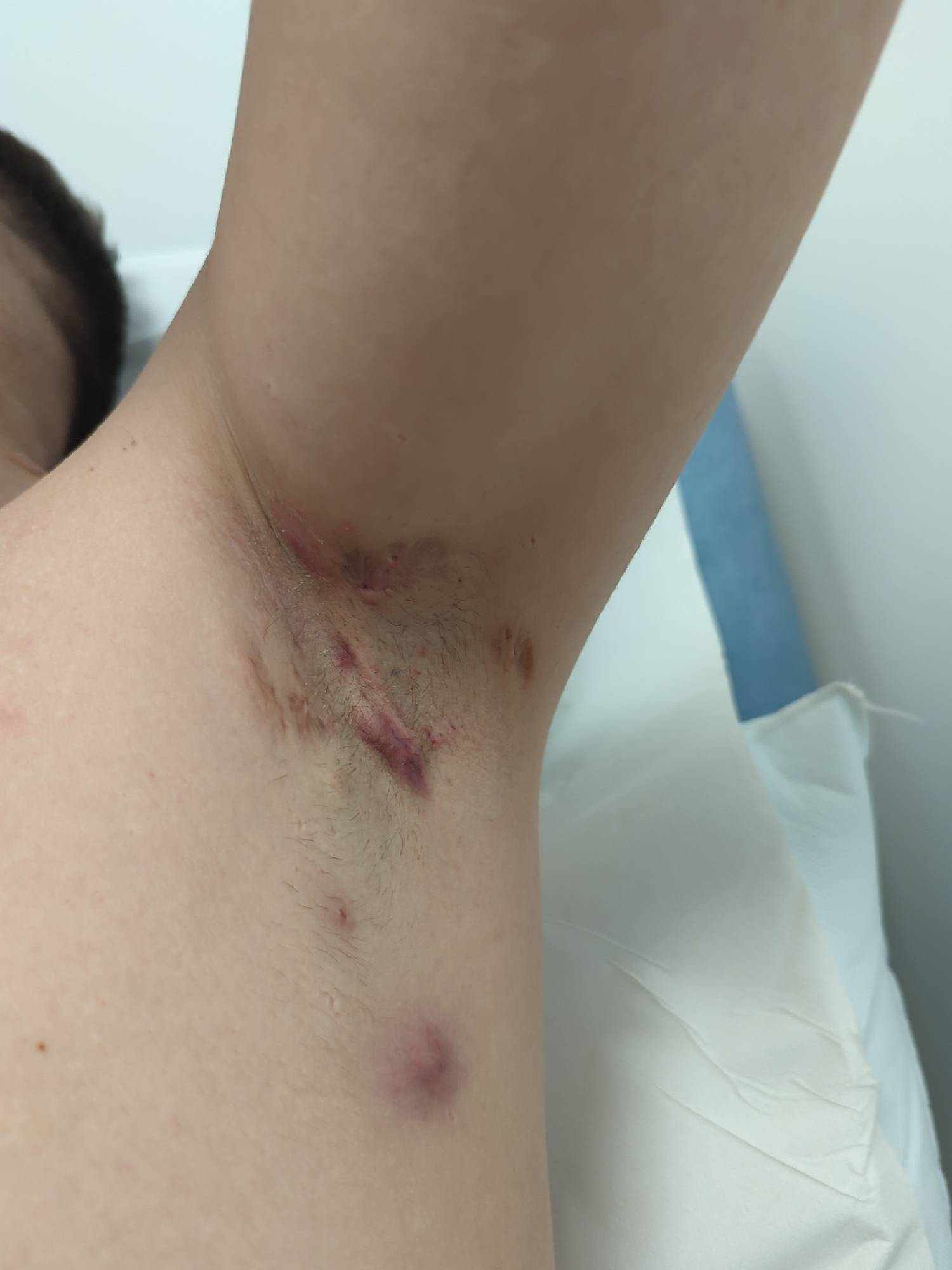
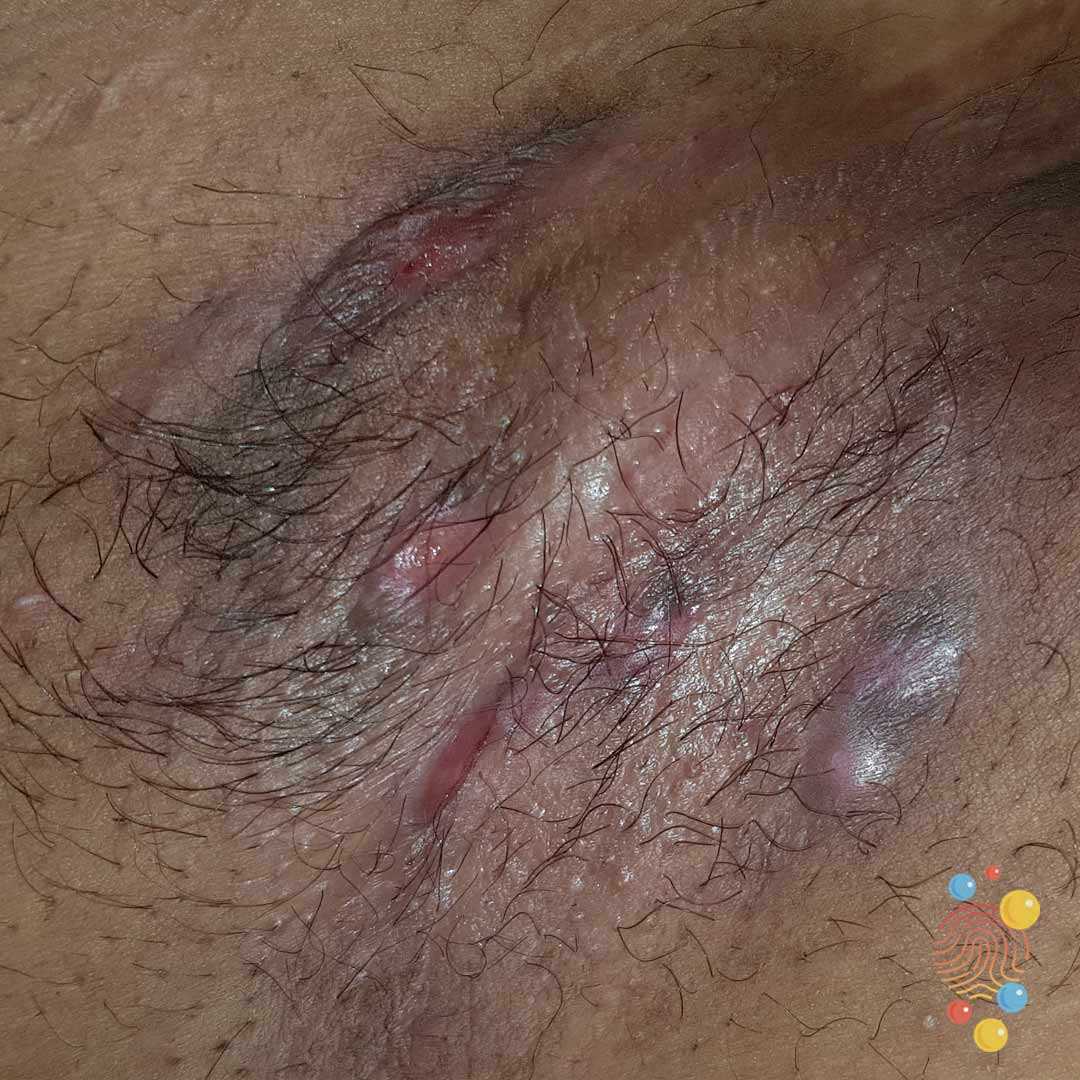
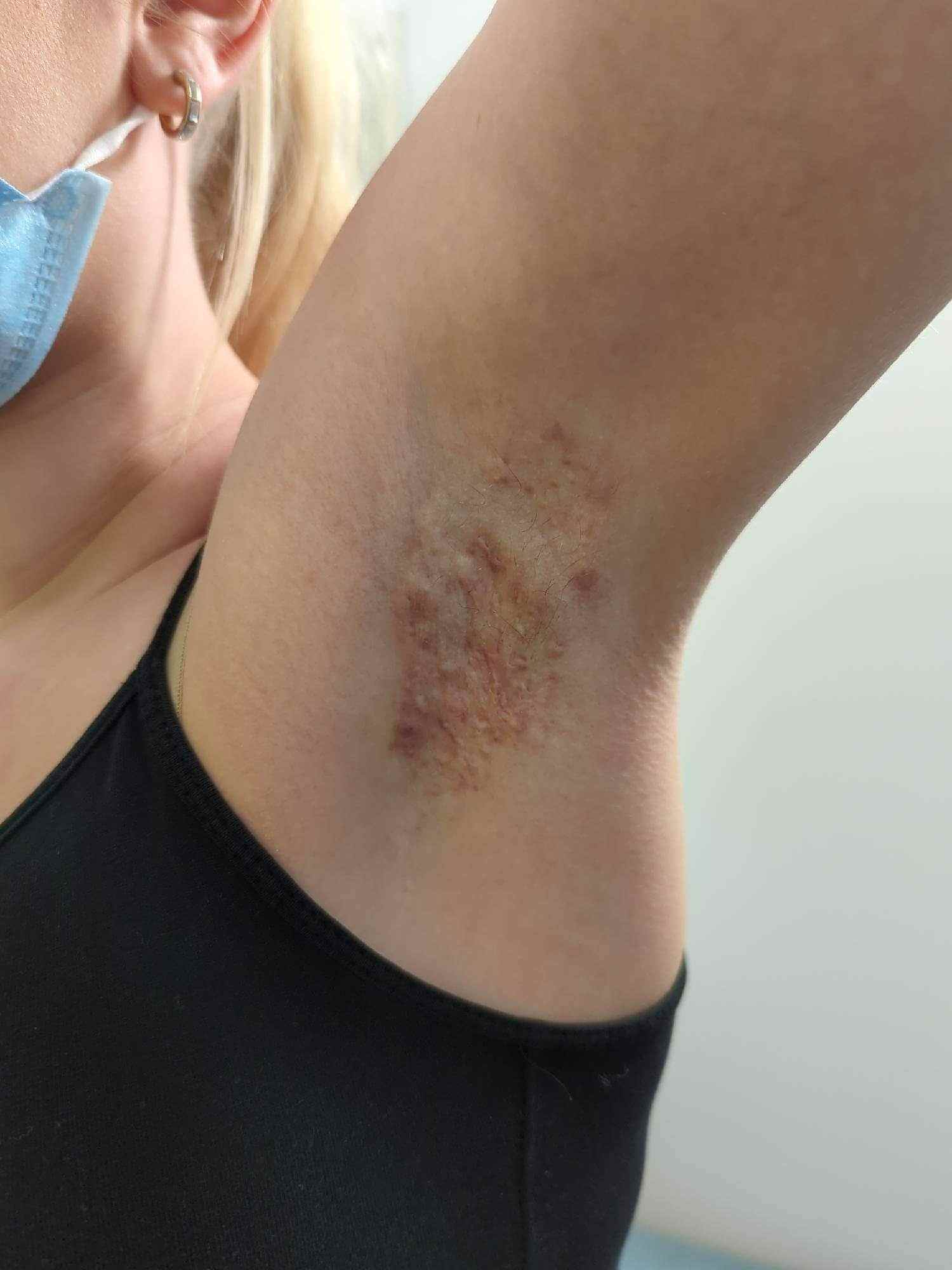
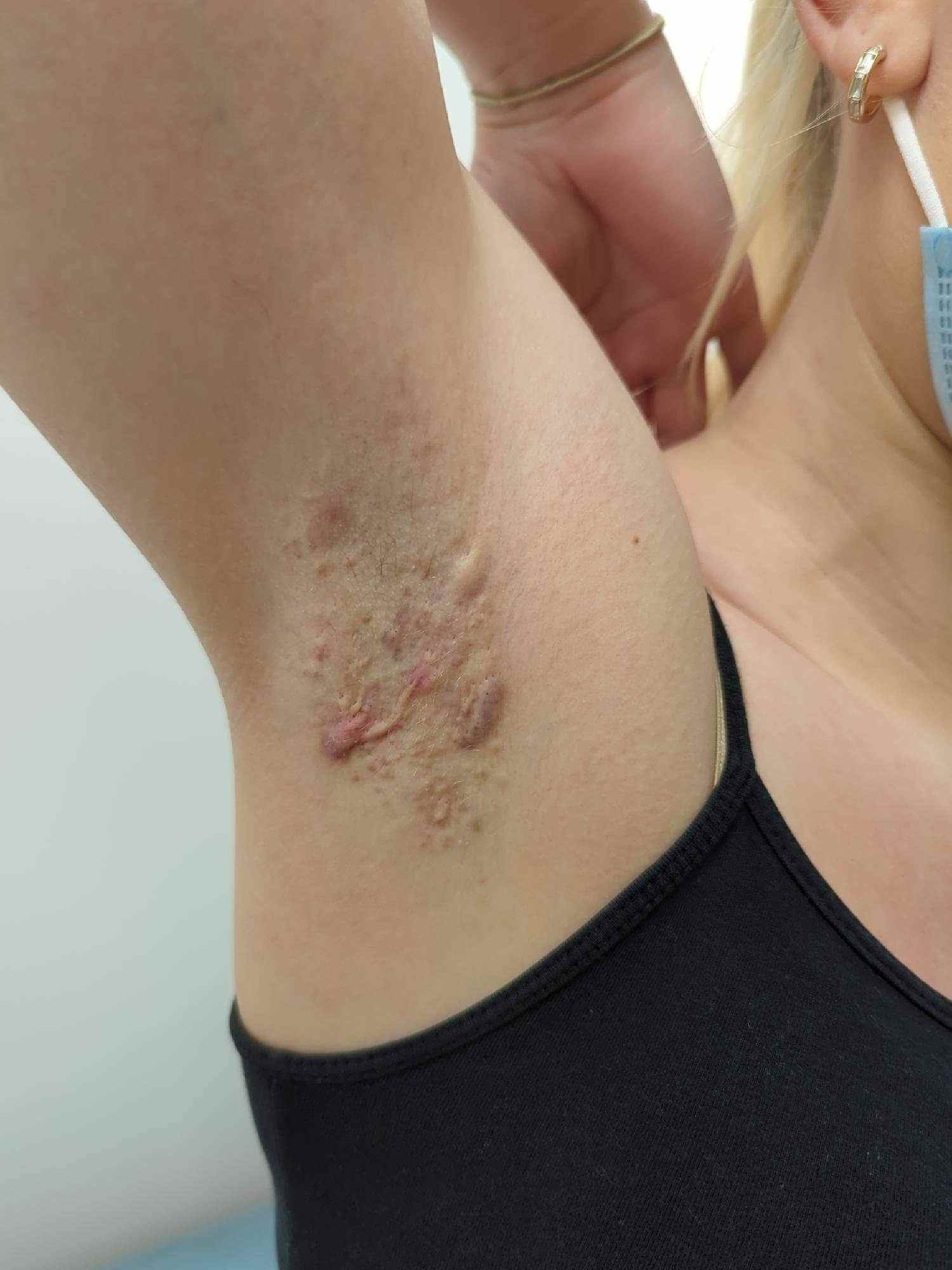
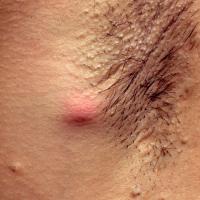
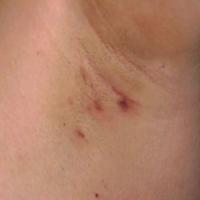
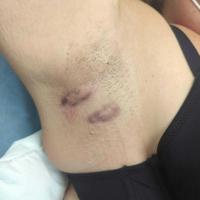
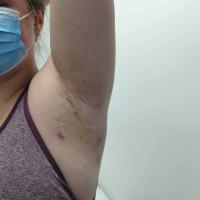
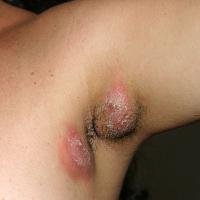
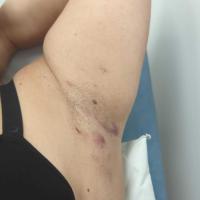
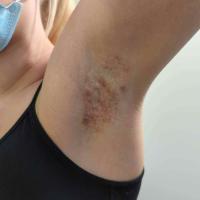
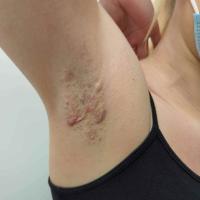
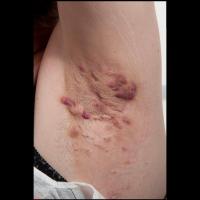
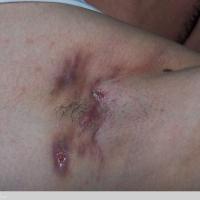
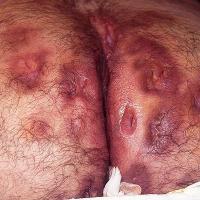
- Initially nodules/abscesses develop (consider the diagnosis if more than 2 abscesses develop in a flexural site during the last 6 months), which may resolve spontaneously or rupture, discharging pus
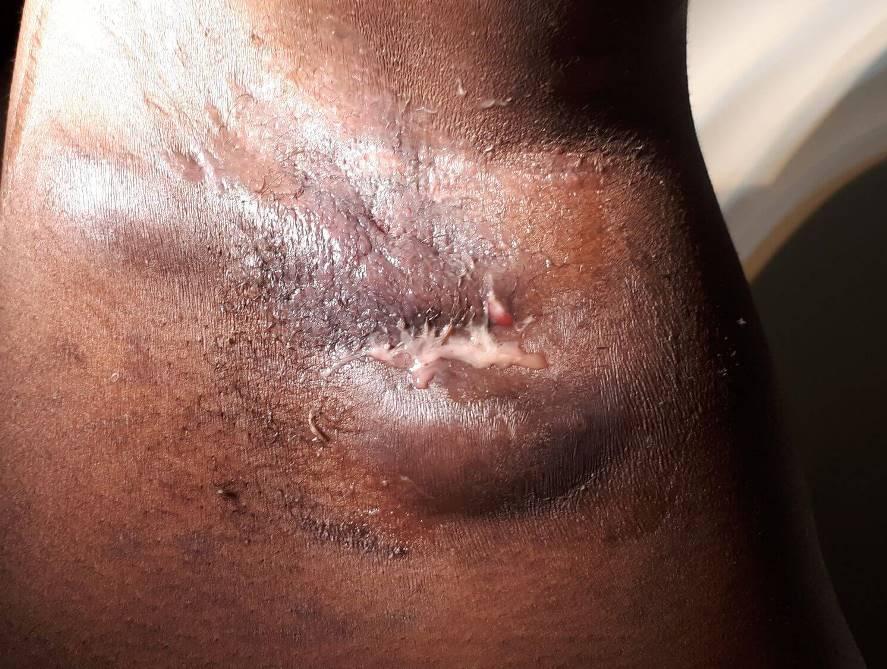
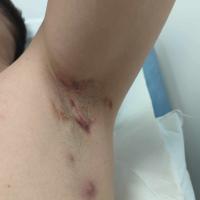
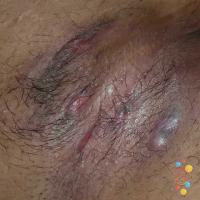
- At a later date new lesions recur in the adjacent area. If untreated, more numerous and larger lesions develop leading to the development of sinus tract formation
- Scarring is common
Assessment
- The severity and extent of HS should be recorded at assessment and when determining the impact of a treatment. The main scoring system used is the Hurley Scale, which is defined as follows:
- Stage 1 (mild): 0-1 abscesses and/or 1-5 nodules. ≥1 abscesses without scar or sinus formation
- Stage 2 (moderate): 2-5 abscesses or more than 10 nodules. ≥1 recurrent abscesses with associated sinus tract/scar formation
- Stage 3 (severe) - more than 5 abscesses and/or sinus tract formation. Multiple abscesses, interconnected sinus tracts and extensive scarring
HS complications
- Spreading infection and sepsis
- Scars and contractures
- Lymphoedema
- Increased risk of squamous cell carcinoma, especially in men, over 50, with buttock disease
Axial spondyloarthritis
- Patients have a 65% increased risk
- Clinical features include early morning stiffness that improves with exercise and back pain that wakes at night
- Enthesitis and uveitis are more common
- Investigations - the CRP is often elevated, HLA-B27 can be positive, some have X-ray changes while 7/10 have MRI changes
- Women are more likely to have atypical features including widespread pain, normal bloods, and negative imaging
Clinical Images
Please refer to notes on image rights at bottom of the page with regards to individual image
ownership.
1
2
3
4
5
6
7
8
9
10
11
12
13
14
15
Management
PCDS management pathway - concise
General management principles
- Provide a patient information leaflet
- The aim is to start treatment at an early stage - the longer it remains untreated the more severe the condition becomes and more difficult it is to treat
- Assess and record affected sites, and effects on quality of life (DLQI)
- Initial assessment and annual review of risk factors:
- CVD / metabolic assessment - ask about smoking and FHx of CVD, record BMI and blood pressure, check lipids and HbA1C. Manage risk factors accordingly
- Check for any GI and joint symptoms
- Assess mental health and psychosocial/sexual function
Acute treatment of large painful lesions
- They are often sterile so consider an intra-lesional steroid injection (eg triamcinolone acetonide 10 mg/ml) or a short course of oral prednisolone 30-40 mg OD for 3-4 days
- If the flare is very explosive consider infection, avoid steroid therapy and treat with flucloxacillin 1000 mg QDS for 10-14 days (or clarithromycin 500 mg BD if allergic to flucloxacillin)
- For infective flares with tense and fluctuant abscess formation consider referring for incision and drainage to relieve pain
- In systemic upset/sepsis, intravenous antibiotics may be required
Medical management: long-term
Topical antiseptic preparations
- All patients should be prescribed topical antiseptics. Octenisan® is preferable as it has the advantage of breaking biofilms and may gentler on the skin than some of the other products e.g. 4% chlorhexidine solution
First-line treatment
- For mild HS, consider topical clindamycin BD, or oral doxycycline 200 mg OD (or lymecycline 408 mg caps, two caps once a day) both initially for 3 months. Aim for reduction in flares and improved disease control
- If topical therapy is used and does not control symptoms then swap to doxycycline / lymecycline (do not prescribe oral tetracyclines if less than 12 years of age)
- In pregnancy, consider topical clindamycin BD for 3 months and review. Carefully balance the benefits and risks of oral macrolide antibiotics, if needed (2nd and 3rd trimester only)
- Review at 3 months and if symptoms improved, consider treatment break but restart treatment after two or more flares
Second-line treatment
- If no or minimal response, or rapid flare after stopping antibiotics commence second-line treatment and consider referral
- Treat with oral rifampicin 300 mg BD and clindamycin 300 mg BD for 12 weeks
- Check for drug interactions and warn reduced contraceptive efficacy - rifampicin prevents oral contraceptives from working effectively so patients either need to use additional barrier methods or changing to a LARC (long-acting reversible contraception)
- Before commencing treatment the BNF advises checking U&E and LFT, if these are normal then further checks are usually unnecessary as liver damage is rare, and if it does occur it is usually within the first six weeks of treatment. Patients should be advised to stop treatment and seek urgent medical attention should they develop signs of hepatotoxicity (fever, malaise, vomiting, jaundice)
- Warn of orange colour to body fluids and urine
- Review at 3 months and if the symptoms are improving then continue clindamycin 300 mg BD for a further 12 weeks
Other considerations
- In patients with PCOS and/or pre-menstrual flares, consider spironolactone (max. 100mg OD; off-license) and/or an oral contraceptive with a favourable progestogen profile (eg Yasmin, Eloine, Mercilon)
- Metformin (500-1500 mg; off-license) may help patients with PCOS and metabolic syndrome
- Ensure appropriate analgesia is prescribed and available
Dressings and wound care
- Patients may need multiple dressings for differing needs and preferences:
- Absorbent, low adhesive, foam and gentle border dressings reduce friction
- Minimal exudate - Hydrocolloid (e.g. DuoDerm extra thin) and Hydrogel (e.g. Actiform Cool)
- Moderate to high exudate - examples include KerraFoam or Allevyn Gentle Border
- Charcoal dressings may help with odour (Odolock, Carbonet) in non-affected areas
- Shapewear (Hidrawear) garments are a prescribable combination baselayer and superabsorbent dressing retention system that can keep dressings in place. For further information, see below, in Other resources
- Consider referral to a local tissue viability team for expert wound care
- For surgical wounds, avoid packing and aim to cover with appropriate dressing e.g. absorbent dressings
When to refer
- Severe psychological impact
- No improvement following adequate first-line treatment (mild-moderate disease; refer whilst instituting second-line treatment)
- Severe disease (refer whilst instituting first-line treatment)
- Diagnostic uncertainty
- Pregnancy
- Scarring
Other treatments available in Secondary Care
- The biologic therapies adalimumab and secukinumab
- May be applicable for certain situations - isotretinoin, methotrexate, ciclosporin
- Ertapenem or other antibiotics
- Surgery, e.g. de-roofing and wide excision
- (Where available) laser hair removal and/or botulinum toxin injections
Other resources
Disclaimer - the author PCDS cannot accept responsibility for any misleading or incorrect statements, and the management of individual patients remains the direct responsibility of the individual doctor. We do however hope that visitors to this site can contact us regarding comments that are considered misleading or incorrect so that we can continue to improve the site.
Image Rights - The PCDS would like to thank Dermatoweb, DermQuest (Galderma), and others who have contributed images. All named individuals and organisations maintain copyright for the relevant images.