LAST UPDATED: Sept 18, 2022
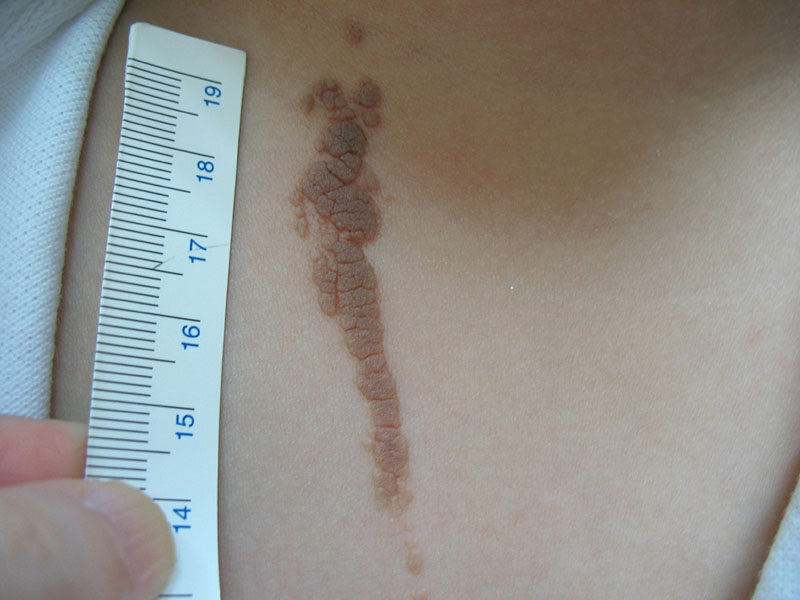
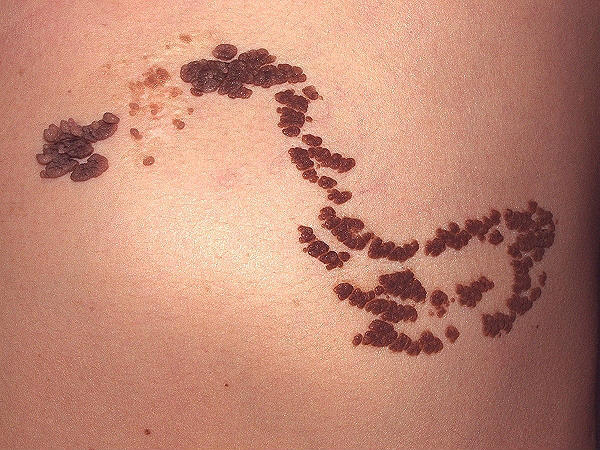
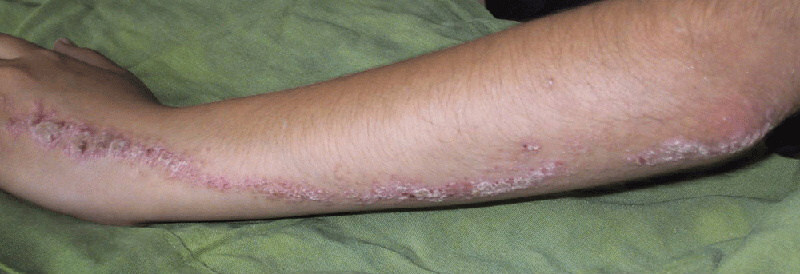
The word naevus indicates a non-neoplastic skin or mucosal lesion comprising an abnormal mixture of a tissue’s normal components, usually presenting at birth or at a young age - an epidermal naevus is a term used for naevi predominantly composed of keratinocytes.
Although there are many different forms of epidermal naevi this section focuses on verrucous epidermal naevi (both epidermolytic and non-epidermolytic types) and inflamed verrucous epidermal naevi (ILVEN).
Whilst the majority of epidermal naevi only affect the skin and are of limited significance, it is important to differentiate between epidermolytic and non-epidermolytic verrucous epidermal naevi as some patients with the former have an increased risk of having children born with epidermolytic hyperkeratosis (syn. bullous ichthyosiform erythroderma), a rare but serious condition. With regards to non-epidermolytic verrucous epidermal naevi, rarely, such lesions are associated with a wide range of non-cutaneous abnormalities, especially the CNS, eyes and skeleton, which together are known as the epidermal naevus syndrome.
Refer to the related chapters for more information.
Disclaimer - the author PCDS cannot accept responsibility for any misleading or incorrect statements, and the management of individual patients remains the direct responsibility of the individual doctor. We do however hope that visitors to this site can contact us regarding comments that are considered misleading or incorrect so that we can continue to improve the site.
Image Rights - The PCDS would like to thank Dermatoweb, DermQuest (Galderma), and others who have contributed images. All named individuals and organisations maintain copyright for the relevant images.
It is important for the PCDS to build its own image bank, as such we welcome original images from our readers, especially in skin of colour:
Please start typing below the word of any medical term that you do not understand.
The following pharmaceutical companies have had no involvement in the content of this website or in our conference programmes