Erythrasma

LAST UPDATED: Oct 20, 2022
Introduction

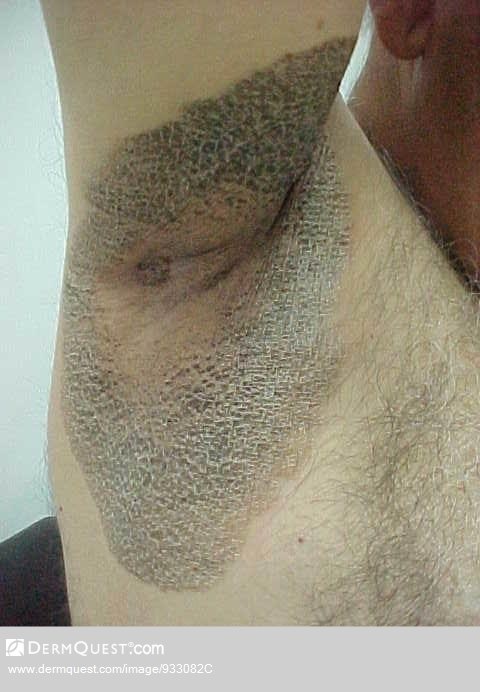
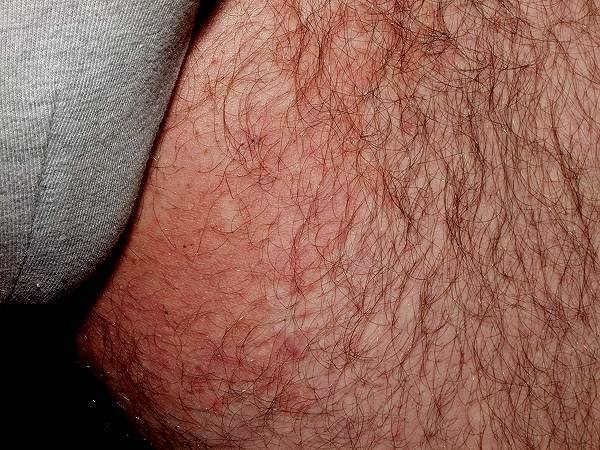
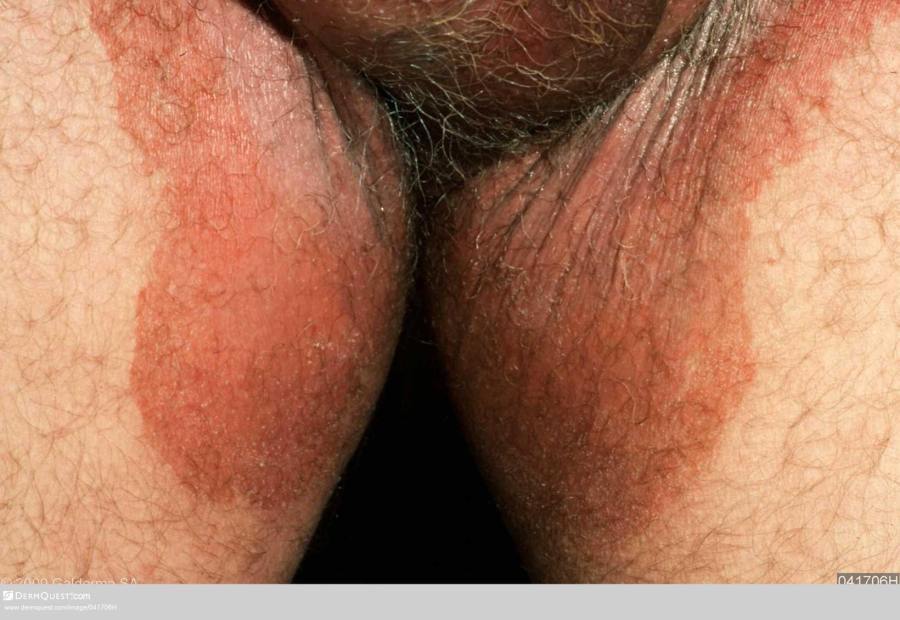
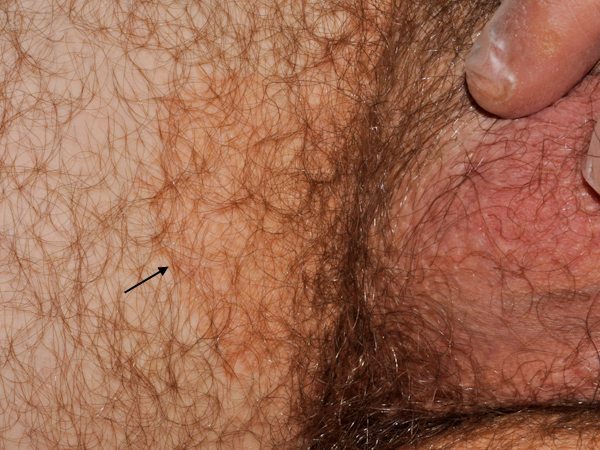
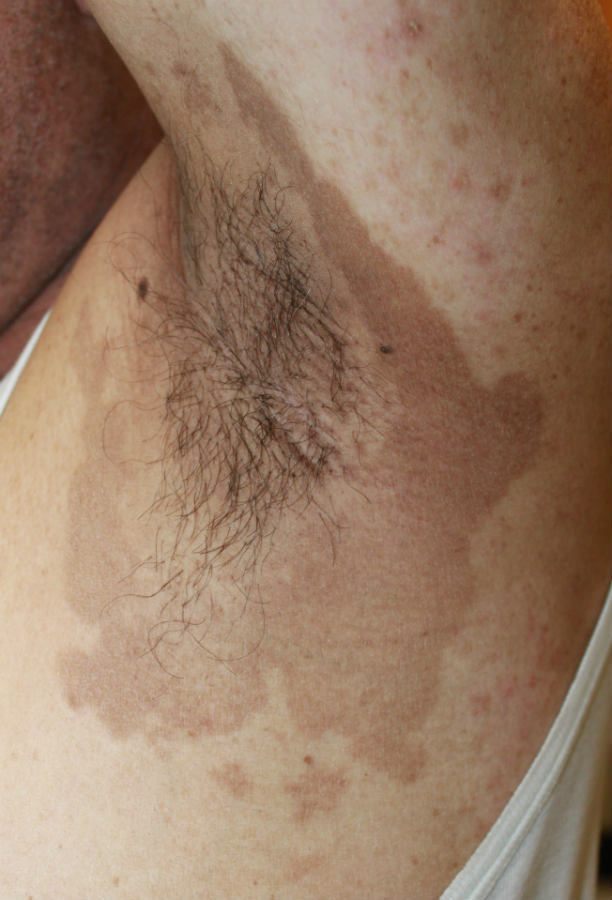
Erythrasma is a chronic superficial infection of the intertriginous areas of skin caused by Corynebacterium minutissimum. Involvement of the toe clefts is common, but clinically important infections present as slowly enlarging pink or brown patches on the inner thighs and groins, the axillae, and the intergluteal and submammary flexures.

This chapter is set out as follows:


Aetiology

  • Erythrasma is caused by a bacteria, Corynebacterium minutissimum, although possibly more than one species may be involved
  • It is more common in warm climates, and diabetic patients

History

  • Erythrasma is usually asymptomatic, occasionally it can be itchy 
  • It can affect any age group, although is more common in adults than children

Clinical findings

Distribution

  • Toe clefts are the most commonly affected site
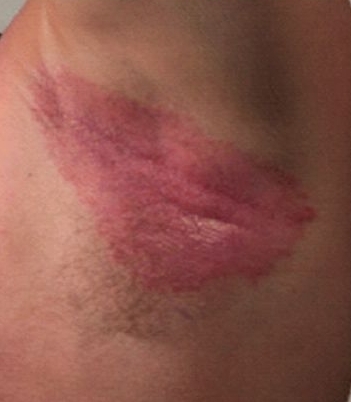
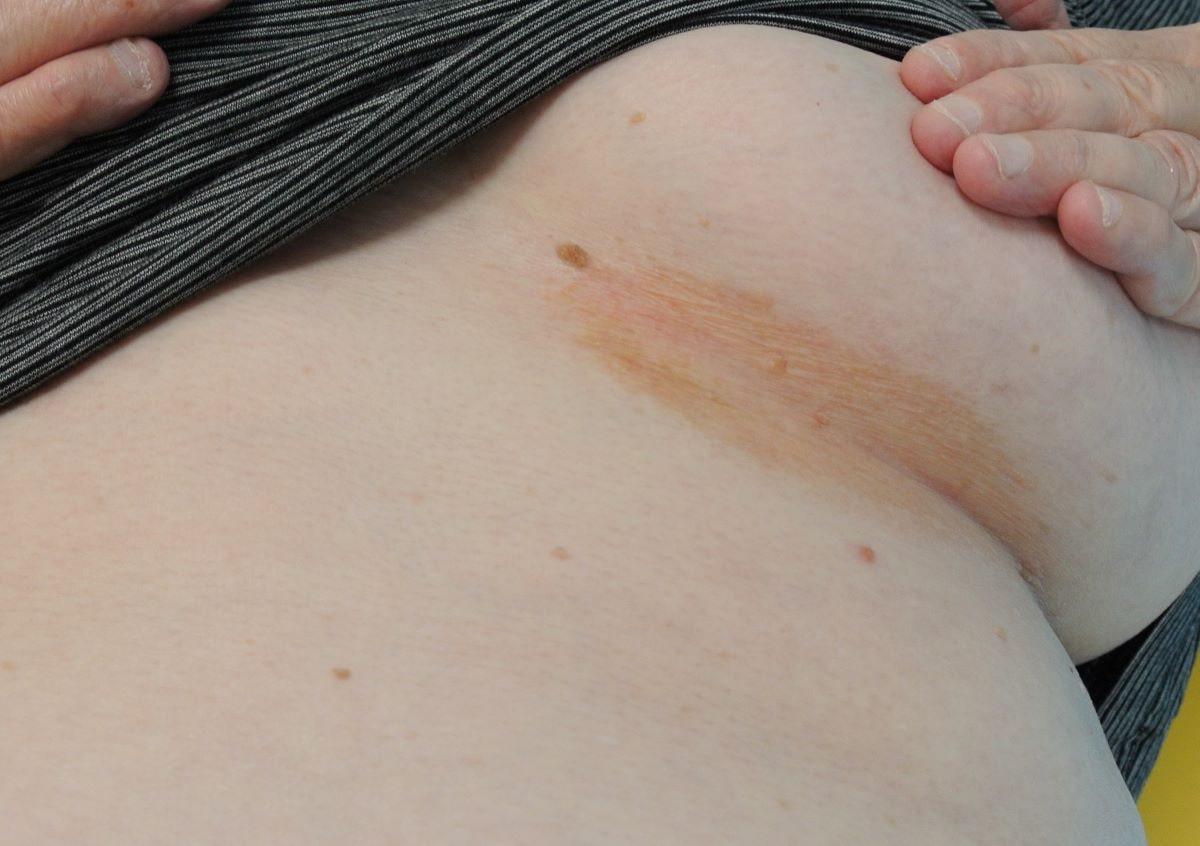
  • Clinically important infections are seen on the inner thighs and groins, the axillae, and the intergluteal and submammary flexures
  • Occasionally there is a more widespread involvement of the trunk, particularly in obese, middle-aged black patients

Morphology

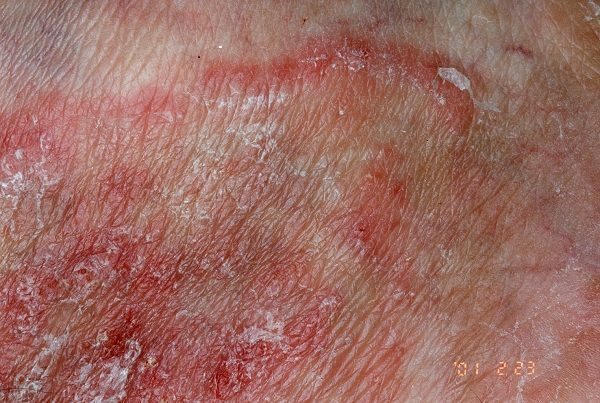
  • Slowly enlarging, irregular, well-demarcated patches
  • New lesions are smooth, and pink-red or brown
  • Older lesions are brown with a wrinkled, scaly appearance 
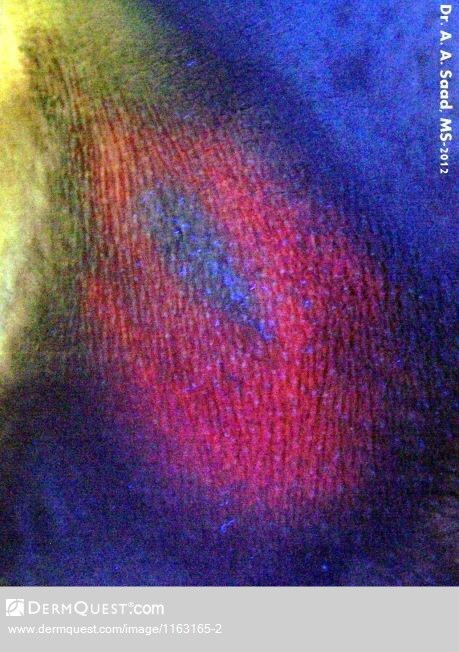
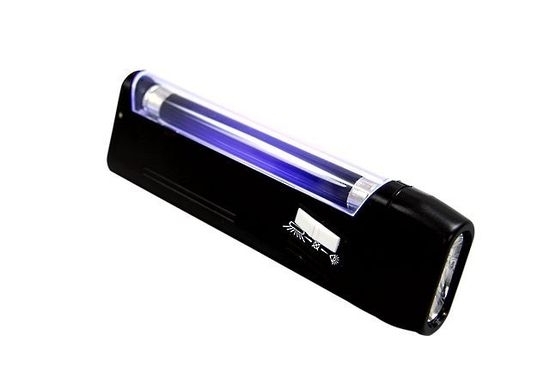
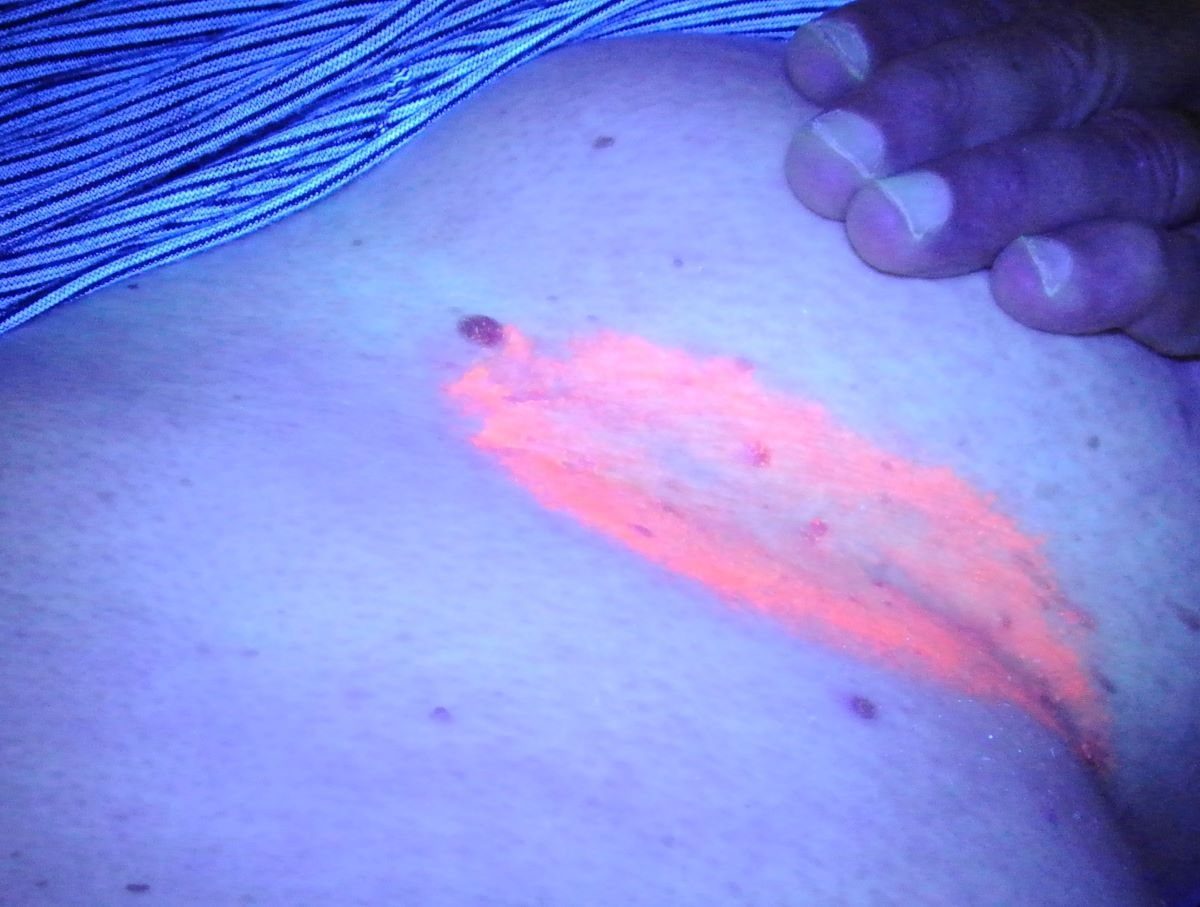
  • Exposure to Wood's light (longwave ultraviolet radiation) causes the erythrasma to fluoresce a coral-pink colour due to porphyrins released by the bacteria

Differential diagnosis

  • Tinea - which has a leading scaly edge
  • Psoriasis - which has a shiny, glazed appearance
  • Other causes of intertrigo

Clinical Images

Please refer to notes on image rights at bottom of the page with regards to individual image ownership.
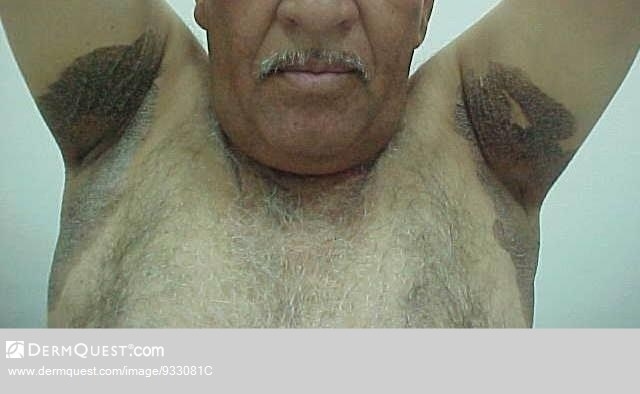
Investigations

  • Diagnosis is usually clinical
  • If necessary the diagnosis can be confirmed by a swab or scraping sent for microscopy and culture

Management

  • Topical clotrimazole or miconazole BD for two weeks is usually sufficient
  • A study comparing several treatments found Fucidin ® cream most effective, however, it should not be used first-line due to increasing levels of bacterial resistance to this treatment when used in other skin conditions 
  • For cases not responding to topical treatment, or for more extensive cases, good results have been reported with single-dose clarithromycin 1 g. Other options include a short course of either erythromycin or a tetracycline
  • In recurrent cases give advice on weight loss if appropriate, keeping the skin dry, and provide an antiseptic wash

Disclaimer - the author PCDS cannot accept responsibility for any misleading or incorrect statements, and the management of individual patients remains the direct responsibility of the individual doctor. We do however hope that visitors to this site can contact us regarding comments that are considered misleading or incorrect so that we can continue to improve the site.

Image Rights - The PCDS would like to thank Dermatoweb, DermQuest (Galderma), and others who have contributed images. All named individuals and organisations maintain copyright for the relevant images.

Quick Links

The following pharmaceutical companies have had no involvement in the content of this website or in our conference programmes


Almirall
Galderma
Glenmark
Johnson & Johnson
La Roche-Posay
LEO Pharma
Pierre Fabre
Schuco