Gouty tophi
LAST UPDATED: Jul 18, 2025
Introduction
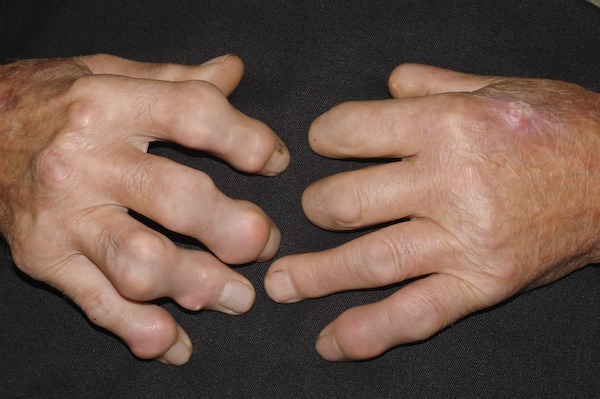
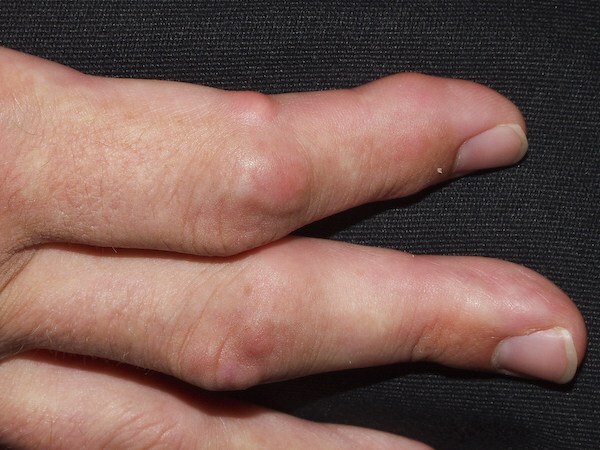
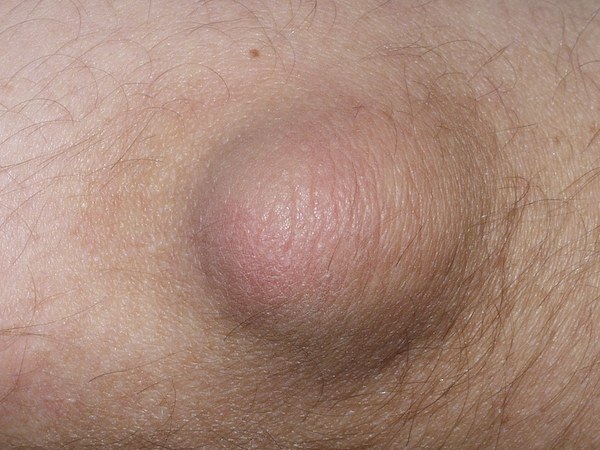
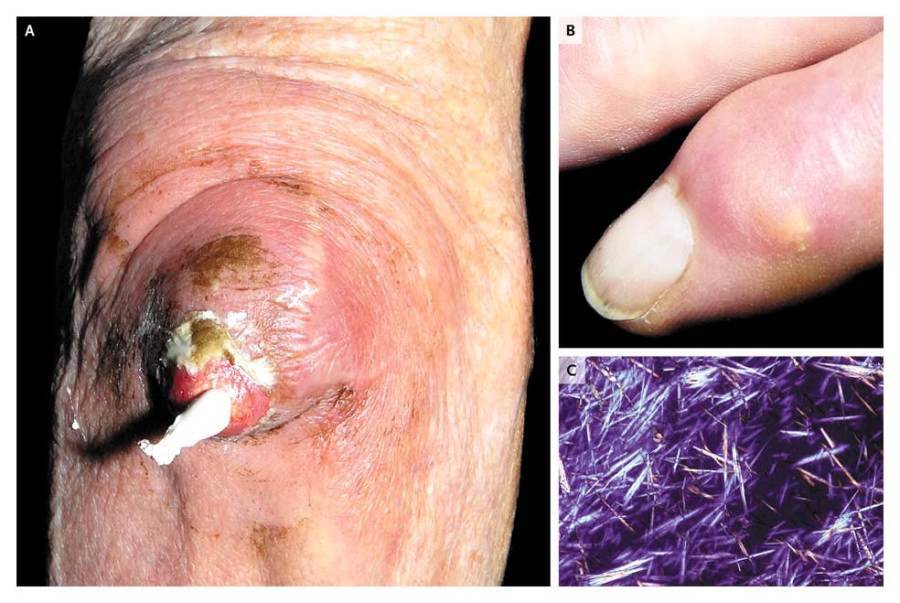
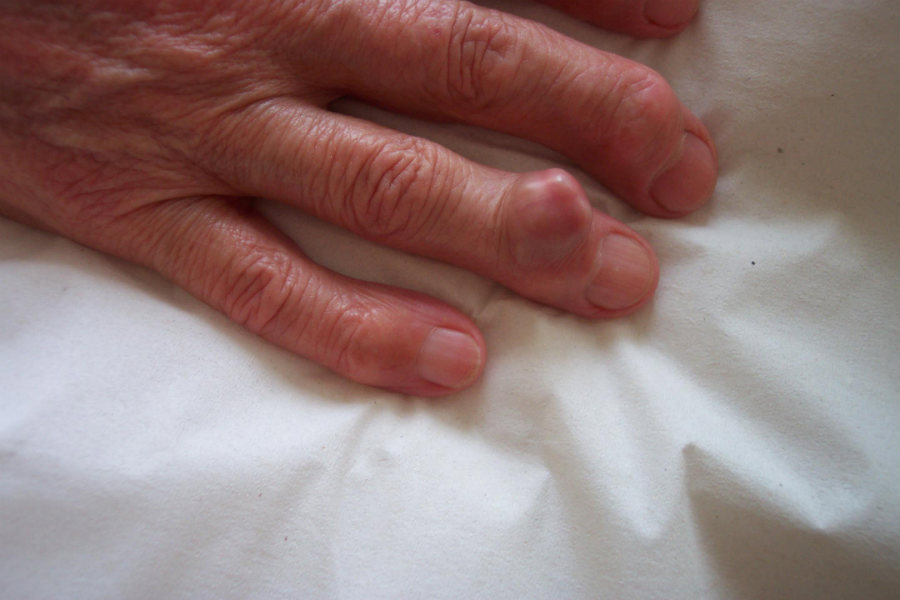
Gouty tophi are nodular masses of monosodium urate crystals deposited in the soft tissues of the body. They are a late complication of hyperuricaemia and develop in more than half of patients with untreated gout. Complications of tophi include pain, soft tissue damage and deformity, joint destruction and nerve compression syndromes such as carpal tunnel syndrome.
This chapter is set out as follows:
History
-
Tophi appear on average 12 years after the initial attack of gout. They tend to develop earlier in women, particularly those receiving diuretics
-
Rarely, tophi can develop without previous acute gouty arthritis
-
Lesions are normally painless, unless they affect the joint where they can be painful and if untreated cause permanent damage
Clinical findings
Distribution
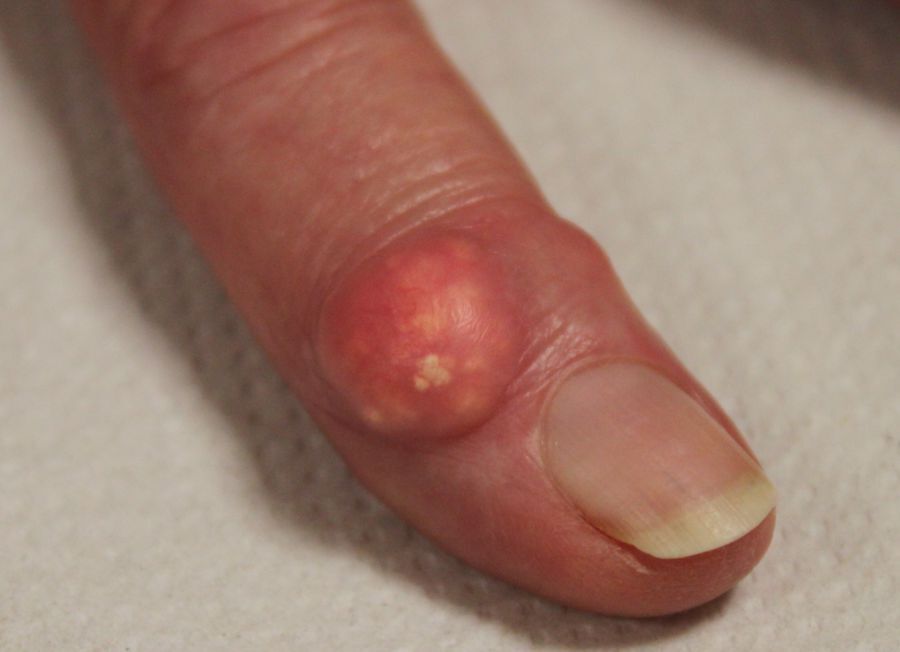
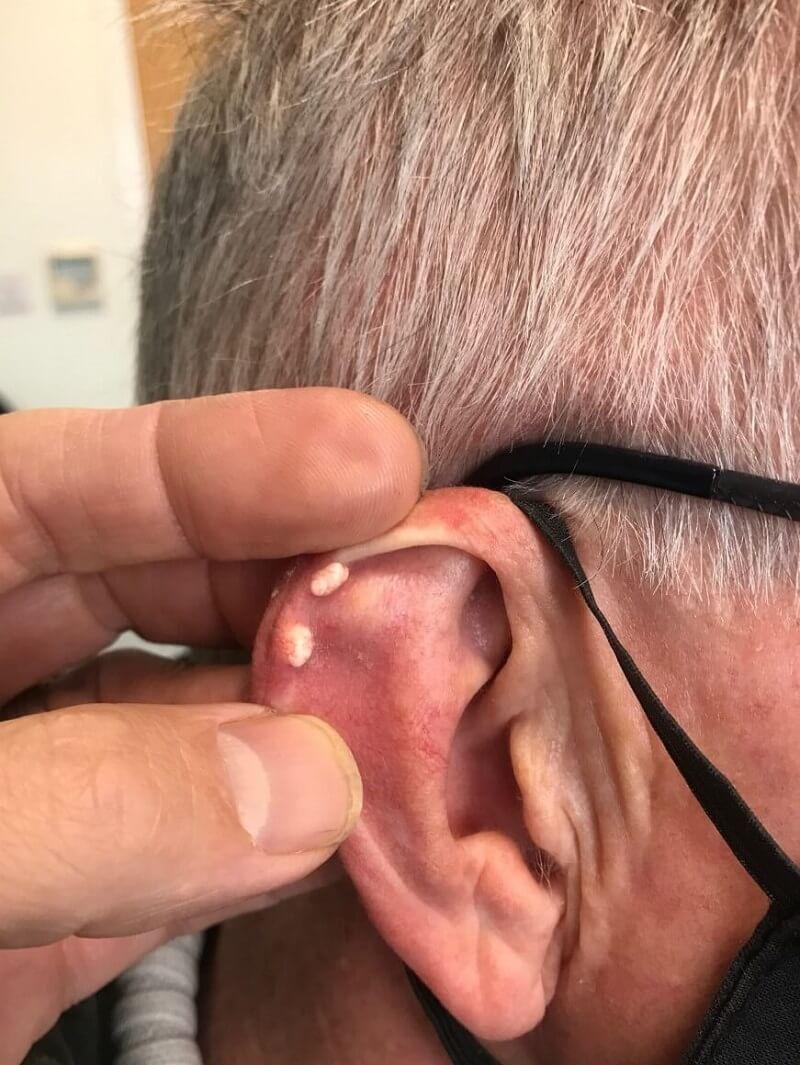
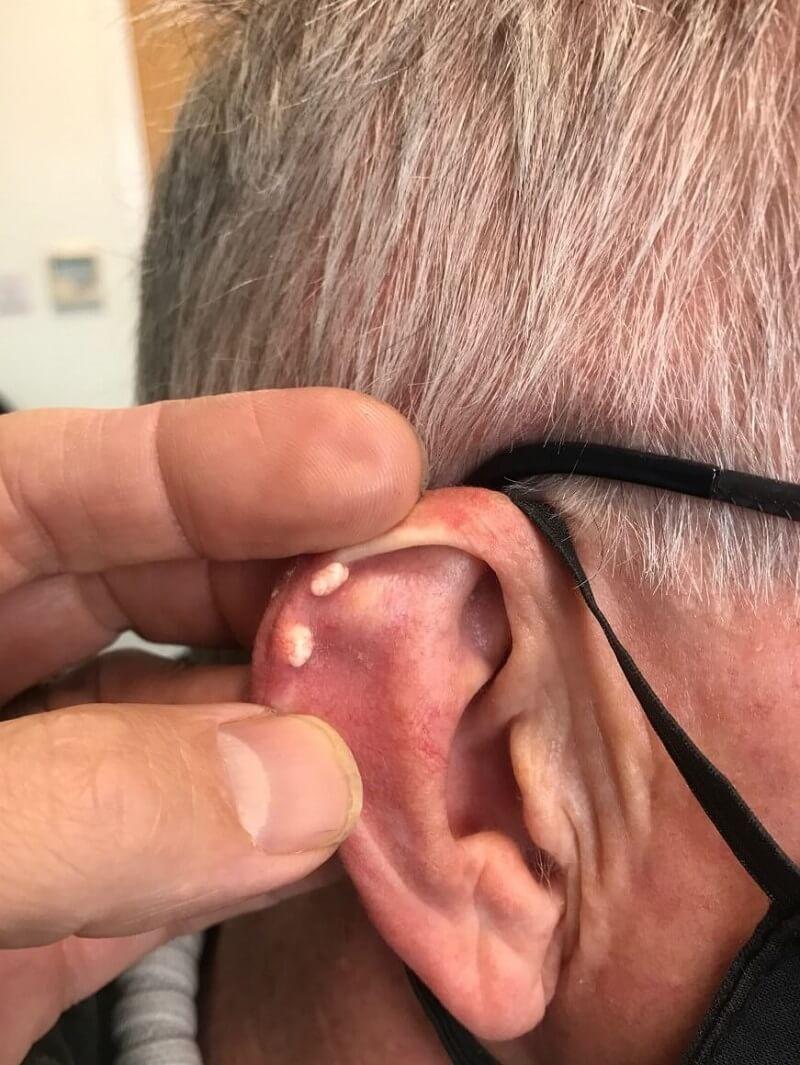
- The most common sites are the fingers and the helix / anti-helix of the ears
- They can be found in multiple locations such as the toes, in the olecranon bursae, and along the olecranon, where they can resemble rheumatoid nodules
Morphology
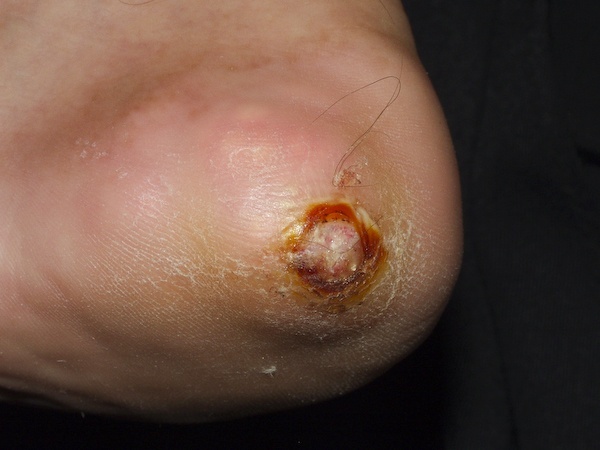
- Tophi contain a white pasty material and as they enlarge they work their way towards the skin surface to drain
- Small sinus tracts may develop and secrete white pasty material
- Alternatively a large blister may form, which ruptures leaving a continuously draining ulcer
Clinical Images
Please refer to notes on image rights at bottom of the page with regards to individual image
ownership.
Investigations
-
Patients are very likely to have already been diagnosed and investigated for gout, if not check serum uric acid levels
Management
-
Management is directed to reducing uric acid levels with the following:
-
Lifestyle change eg weight loss and reduction in alcohol intake where appropriate. Avoidance or restricted consumption of high-purine foods may also be applicable
-
Consider stopping, reducing or substituting diuretic treatment if the patient is on such medication
-
The first line medical treatment is with allopurinol if not contraindicated. Serum urate levels should be monitored with a view to increasing the dose of allopurinol until the urate level falls below 0.30 mmol/l. NICE have stated that febuxostat is an option for the management of chronic hyperuricaemia in gout only for people who are intolerant of allopurinol or for whom allopurinol is contraindicated
-
Patients with joint involvement need early intervention to try and lessen any permanent joint damage
Disclaimer - the author PCDS cannot accept responsibility for any misleading or incorrect statements, and the management of individual patients remains the direct responsibility of the individual doctor. We do however hope that visitors to this site can contact us regarding comments that are considered misleading or incorrect so that we can continue to improve the site.
Image Rights - The PCDS would like to thank Dermatoweb, DermQuest (Galderma), and others who have contributed images. All named individuals and organisations maintain copyright for the relevant images.