Herpes zoster (syn. shingles)
LAST UPDATED: Jul 06, 2025
Introduction
Reactivation of varicella-zoster virus (VZV) that has remained dormant within dorsal root ganglia, often for decades after the patient’s initial exposure to the virus in the form of varicella (chickenpox), results in herpes zoster (shingles). Although it is usually a self-limiting dermatomal rash, herpes zoster can be far more serious; in addition, acute cases often lead to postherpetic neuralgia.
This chapter is set out as follows:
Aetiology
-
For more information on the VZV and varicella (chickenpox) refer to the related chapters
History
-
Herpes zoster is more common in adults, especially the elderly, the unwell, and the immunosuppressed
-
It is not uncommon in children, but is usually very mild in such cases
-
The first manifestation of herpes zoster is usually pain, which may be severe, and may be accompanied by fever, headache and malaise
-
The time between the start of the pain and the onset of the skin eruption averages 1.4 days in trigeminal zoster and 3.2 days in thoracic disease
Clinical findings
Clinical features
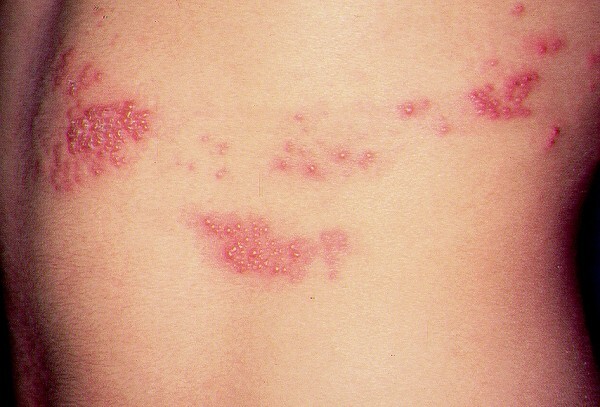
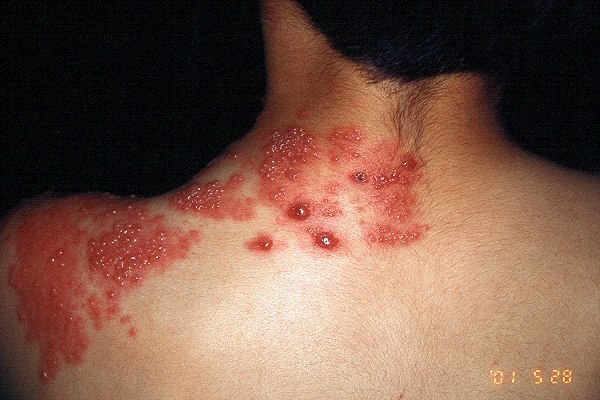
Dermatomal distribution
- Thoracic 53%
- Cervical 20%
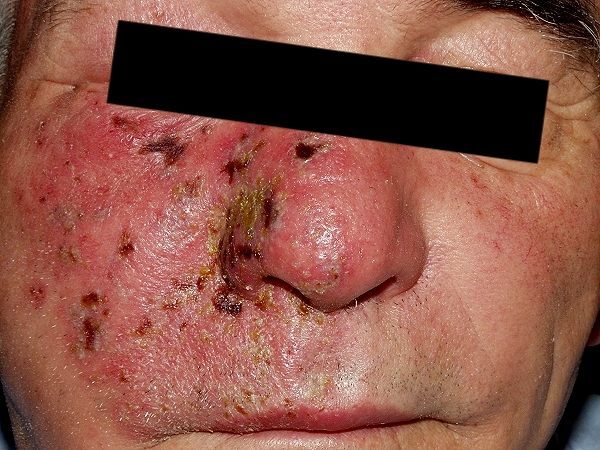
- Trigeminal, including ophthalmic 15% - ophthalmic zoster increases with age
- Lumbosacral 11%
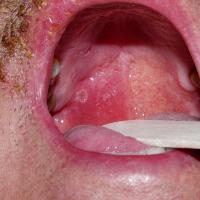
- Mucous membranes within the affected dermatome are also involved
- Bilateral involvement is rare
Morphology
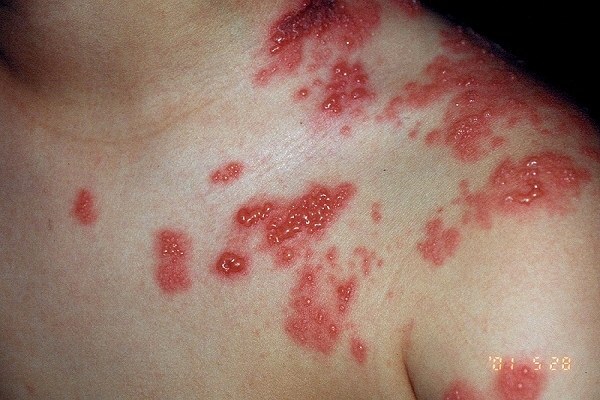
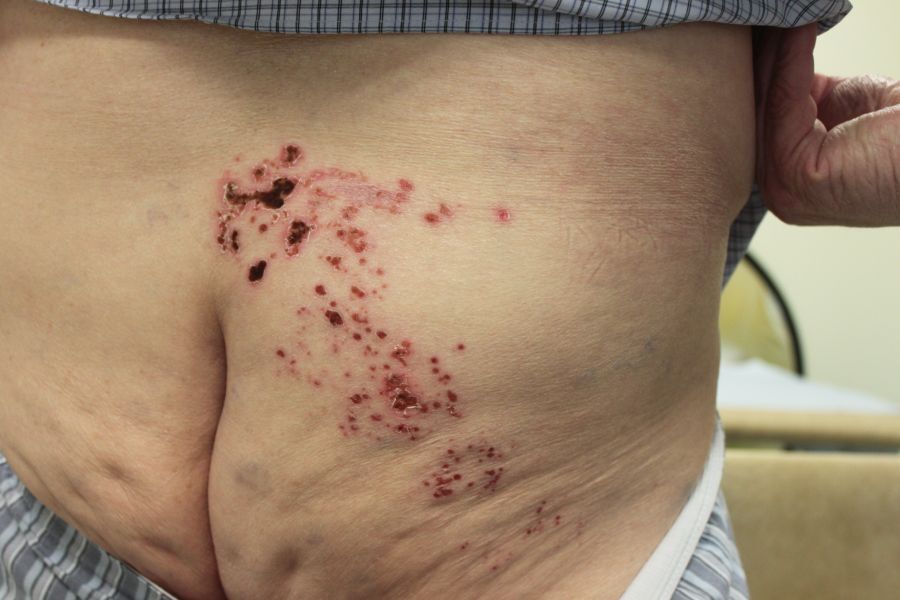
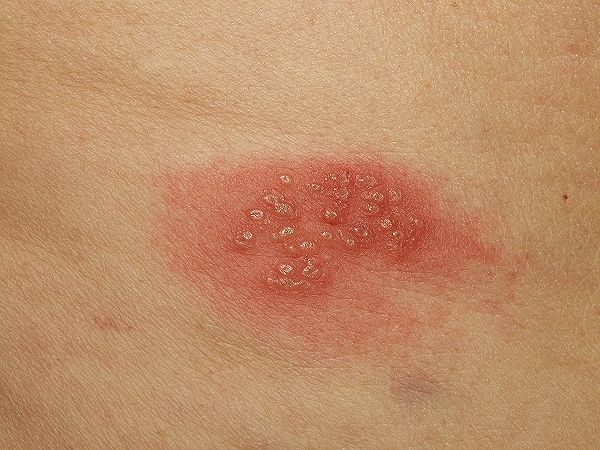
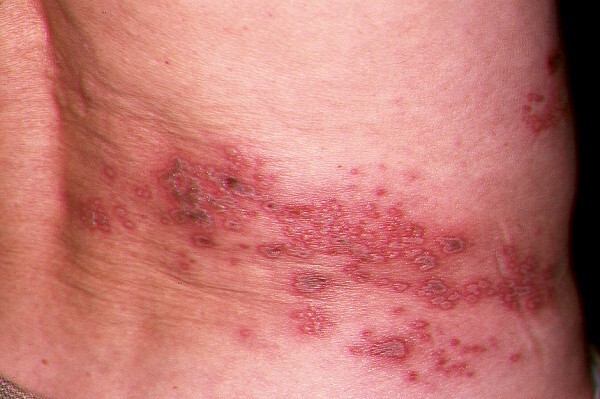
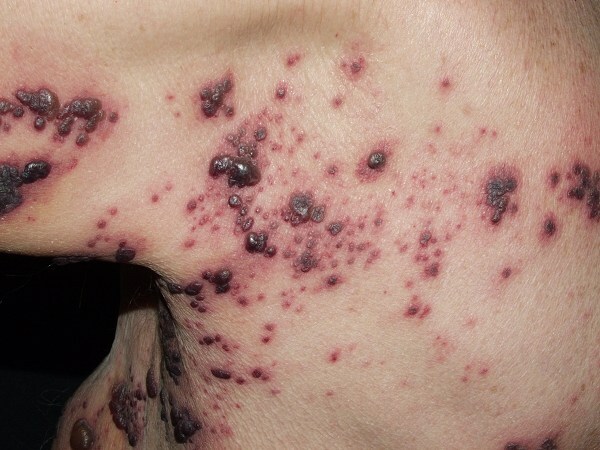
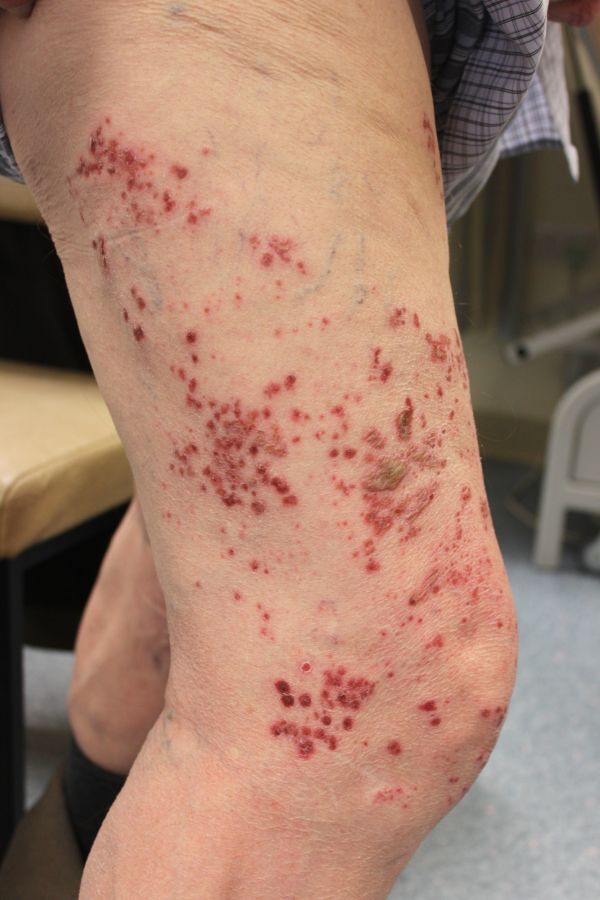
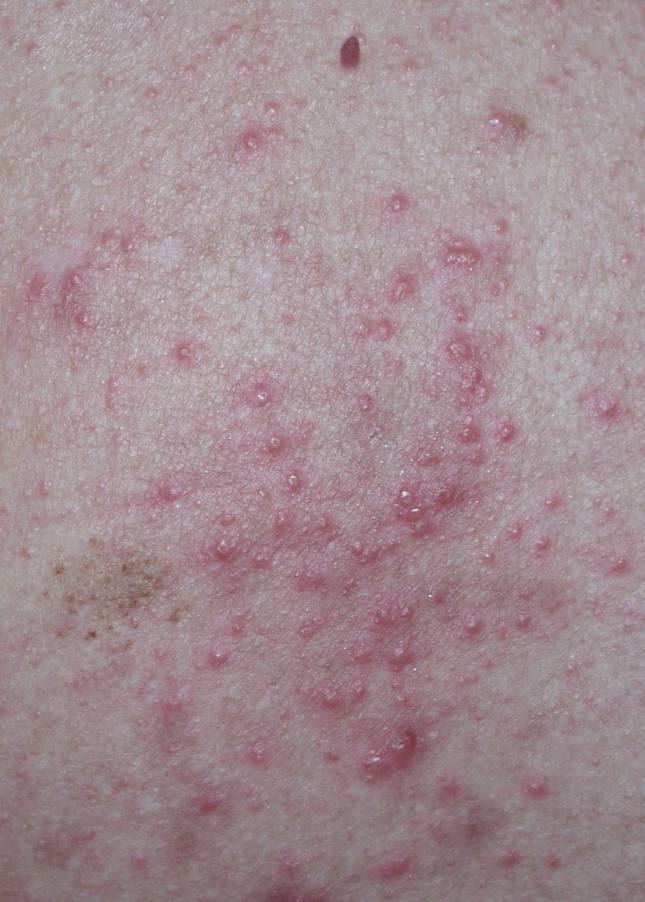
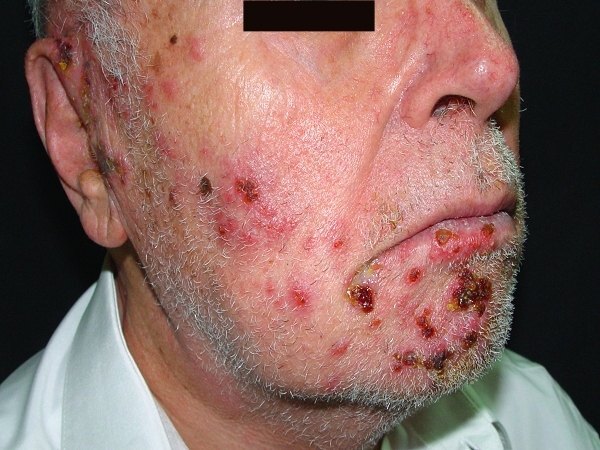
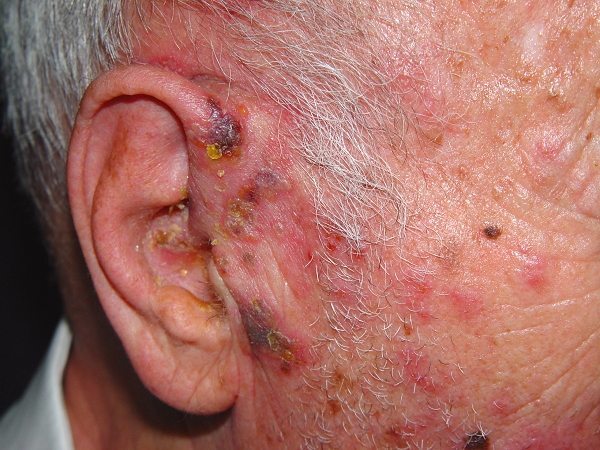
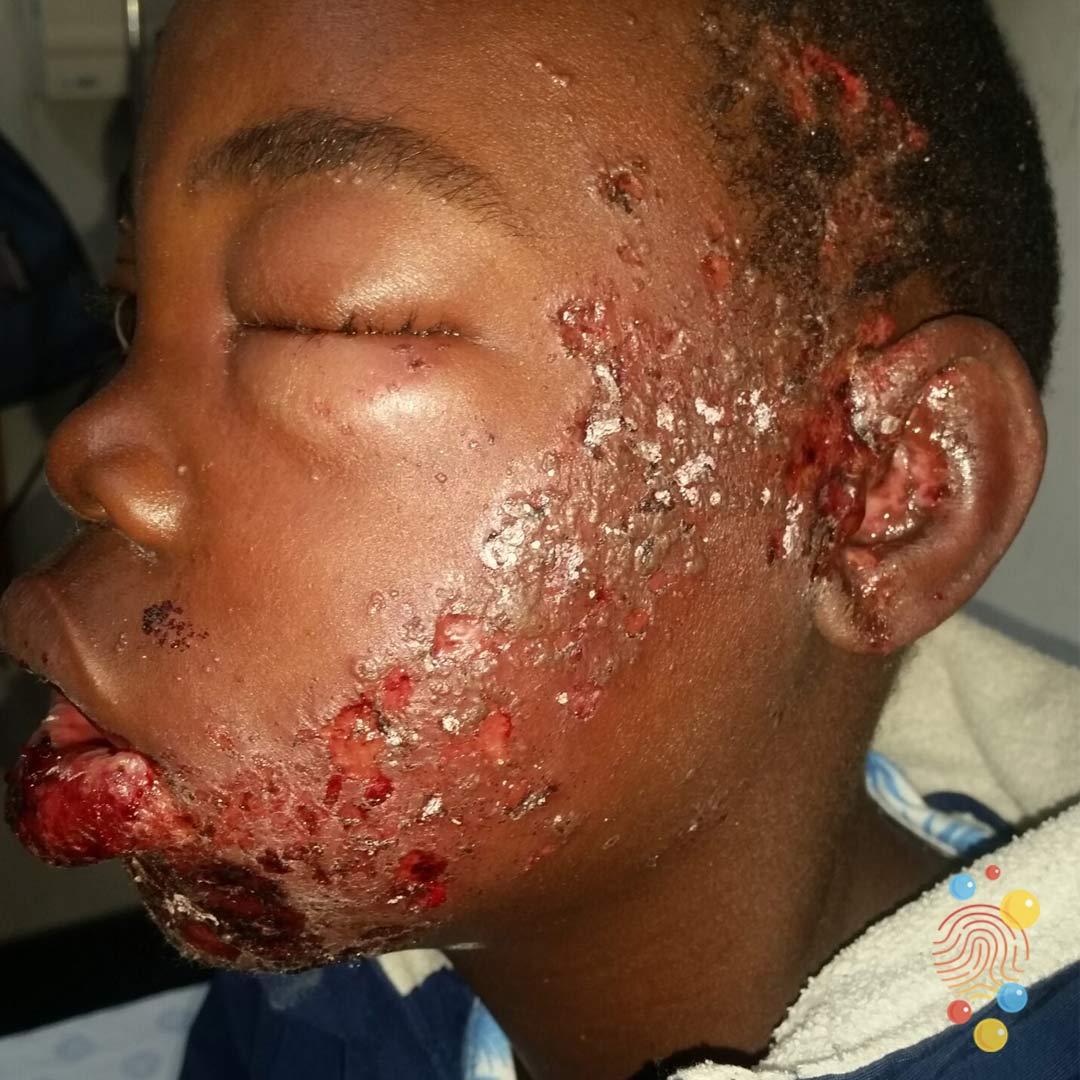
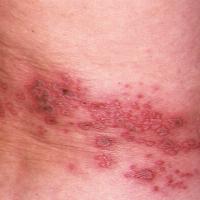
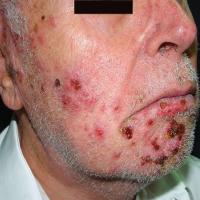
- Closely grouped red papules, rapidly becoming vesicular and then pustular, develop in a continuous or interrupted band in the area of one or occasionally two and, rarely, more contiguous dermatomes
- New vesicles continue to appear for several days
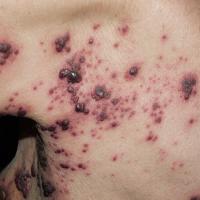
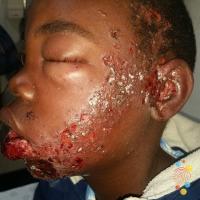
- In some patients lesions become much larger and necrotic
-
Lymph nodes draining the affected area are enlarged and tender
The pain and general symptoms subside gradually as the eruption disappears. In uncomplicated cases recovery is complete in 2-3 weeks in children and young adults, and 3 to 4 weeks in older patients.
Complications
Motor involvement
-
Occurs in 5% of cases and is more common in the elderly, those with underlying malignancy, and those with cranial nerve involvement. Complete recovery occurs in 55% of cases, some improvement can be expected in nearly all cases
Herpes zoster oticus and the Ramsay-Hunt syndrome
-
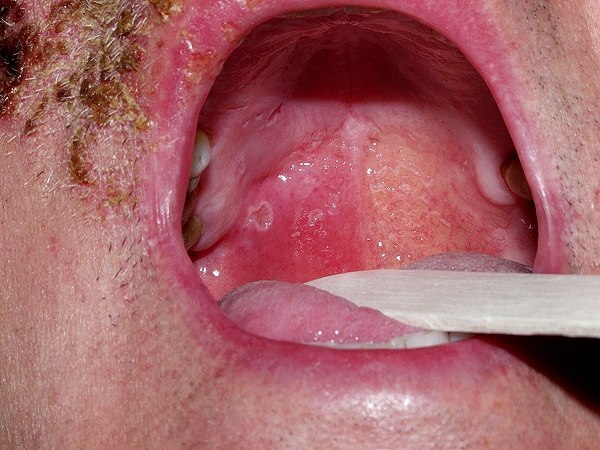
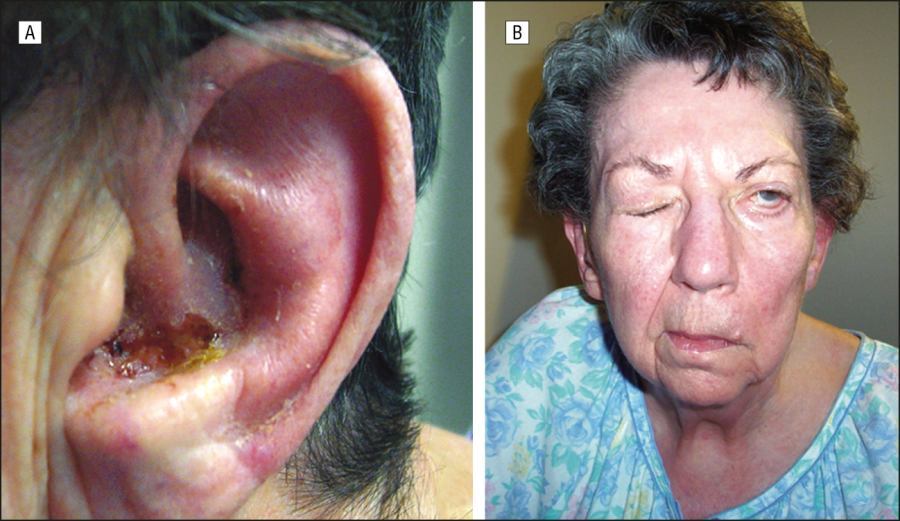
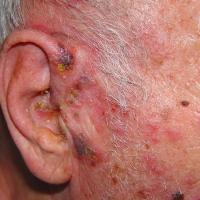
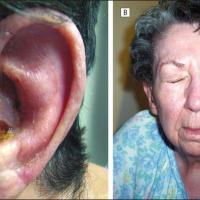
The strict definition of the Ramsay Hunt syndrome is peripheral facial nerve palsy accompanied by an erythematous vesicular rash on the ear (herpes zoster oticus) or in the mouth
-
Is caused by VZV infection of the head and neck involving the facial nerve (seventh cranial nerve). The facial nerve, mainly a motor nerve, has vestigial sensory fibres supplying the external ear (including the pinna and meatus), the tonsillar fossa and adjacent soft palate. Classical sensory nerve zoster causes pain and vesicles in the affected distribution, although the skin involvement can be minimal. The nerve palsy results from pressure on the facial nerve motor fibres and tends to arise after the pain / rash appears, although in 14% of cases the rash appears after the onset of facial weakness
-
Is occasionally associated with sensorineural hearing loss, dizziness, vertigo and ipsilateral loss of taste in the anterior two-thirds of tongue
Herpes zoster ophthalmicus
-
The risk of ocular complications in ophthalmic herpes zoster is not related to age or severity of the skin rash
-
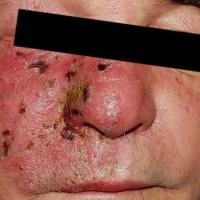
Doctors should be alert to sight threatening eye complications if skin lesions are located in the dermatome of the nasociliary nerve. This area includes not only the tip of the nose, but also involves the skin at the inner corner of the eye, and the root and side of the nose (Hutchinson's sign)
-
The disease is potentially serious and may result in severe and lasting pain, particularly in elderly patients. Moreover, without antiviral treatment, about half of all patients will develop various eye disorders. Conjunctivitis, for example, is seen in nearly all of ophthalmic zoster patients with ocular involvement. More severe disorders include keratitis, uveitis, and optic neuritis of the affected eye. If these latter disorders are not diagnosed and treated adequately the patient's sight may become permanently affected. The cornea may lose optical quality because of clouding and surface irregularities. Moreover, a decreased corneal sensitivity combined with inadequate blinking may lead to severe problems with dry eyes and subsequent corneal complications (neurotrophic ulceration, exposure keratopathy and secondary bacterial infection). The risk of corneal ulceration is particularly enhanced in patients with a substantial loss of corneal sensitivity
Disseminated herpes zoster
-
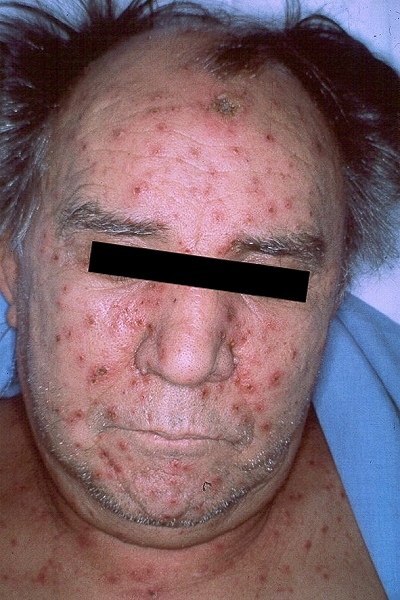
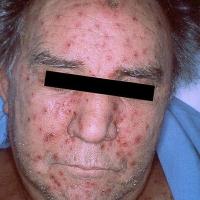
The risk of cutaneous dissemination, which has been defined as more than 20 vesicles outside the area of the primary and adjacent dermatomes, increases with age
-
Life-threatening systemic dissemination is rare, and mainly affects patients with lymphoma and other immunocompromised conditions
Postherpetic neuralgia
-
Is defined as the persistence or recurrence of pain more than one month after the onset of herpes zoster
-
It becomes increasingly common with age, affecting about one-third of patients aged over 40. It is particularly likely if there is facial involvement
-
The pain may be continuous and burning with increased sensitivity in the affected areas or a spasmodic shooting type of pain. Some patients complain of an itch and a crawling sensation. The overlying skin can be numb or exquisitely sensitive to touch
Clinical Images
Please refer to notes on image rights at bottom of the page with regards to individual image
ownership.
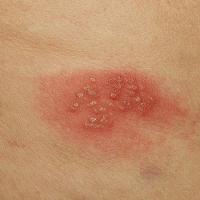
1
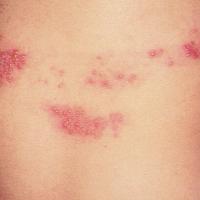
2
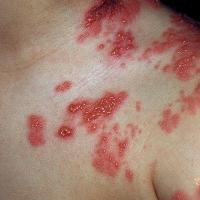
3
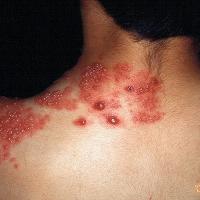
4
5
6
7
8
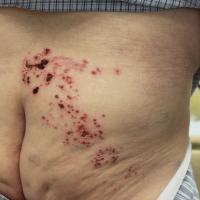
9
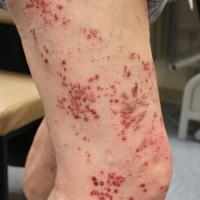
10
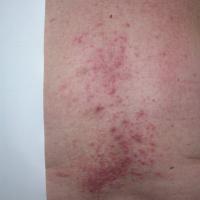
11
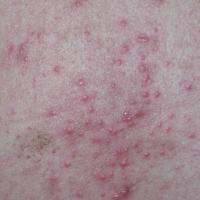
12
13
14
15
16
17
Investigations
- Herpes zoster (shingles) is an identified HIV indicator condition. Early diagnosis improves treatment outcomes and reduces the risk of transmission to other people. NICE guidance and British HIV Association guidance recommends an HIV test is offered to patients presenting with this condition
Management
General management principles
-
Provide a patient information leaflet
-
Treatment is recommended to prevent progression of the eruption and reduce complications including the development of postherpetic neuralgia
Standard treatment
-
Adults - oral antiviral therapy eg aciclovir tablets, 800 mg five times a day for seven days
-
Children - in healthy children the condition is often relatively mild and may not require treatment, however, children who take courses of systemic steroids, eg for asthma, are rendered vulnerable for up to three months after treatment is complete - if the child develops chickenpox in this period parents should seek urgent competent advice as treatment with oral antiviral therapy will be required
Immunocompromised patients
-
Should continue on with oral antiviral therapy for two days after crusting of the lesions
-
If the patient is unwell / develops widespread (disseminated) zoster, admission will be needed
Ophthalmic zoster
-
All patients with ophthalmic zoster, irrespective of age or severity of symptoms, should be prescribed oral antiviral drugs at the first sign of disease
-
Patients with a red eye or visual complaints must be referred to an ophthalmologist on an urgent basis
-
Those not needing referral must be reviewed after at most one week
Ramsay-Hunt syndrome
-
Oral antiviral therapy must be started immediately and contact the on-call ENT team
-
Some advocate the use of systemic steroids - refer to local guidelines for management
Postherpetic neuralgia
-
Tricyclic antidepressants such as amitriptyline, or anticonvulsants such as gabapentin, are the mainstay of treatment
Infectivity
-
Herpes zoster can result in chickenpox (varicella) in those who have never developed primary immunity, both from virus in the lesions and in some instances the nose and throat. This is of particular importance when infected patients come in to contact with unprotected pregnant or immunocompromised patients
-
Refer to the related chapter on varicella for more information
Other resources
Disclaimer - the author PCDS cannot accept responsibility for any misleading or incorrect statements, and the management of individual patients remains the direct responsibility of the individual doctor. We do however hope that visitors to this site can contact us regarding comments that are considered misleading or incorrect so that we can continue to improve the site.
Image Rights - The PCDS would like to thank Dermatoweb, DermQuest (Galderma), and others who have contributed images. All named individuals and organisations maintain copyright for the relevant images.