Hyperhidrosis (excessive sweating)
LAST UPDATED: Jun 08, 2026
Acknowledgements: I would like to thank Julie Halford of the UK Hyperhidrosis Support Group, who helped develop this chapter
Introduction
Primary or focal hyperhidrosis, which presents without an associated condition, is a common disorder affecting approximately 1% of the population. It is an embarrassing and disabling condition, defined as sweating in excess of that required for normal temperature regulation. It generally presents in childhood, but it is not unusual for the sufferer to wait until adolescence before seeking medical help. Most present before the age of 25.
Many sufferers are reluctant to seek medical help as they have often lived with their condition for many years and find it too embarrassing to discuss with their GP. Many have been bullied at school or in their work place and spend numerous hours of the day trying to mask their condition, which in turn causes great emotional stress. There is a family history in about a third of cases and the disease follows a chronic course, ensuring that most people will need treatment on a continuous basis throughout their lives.
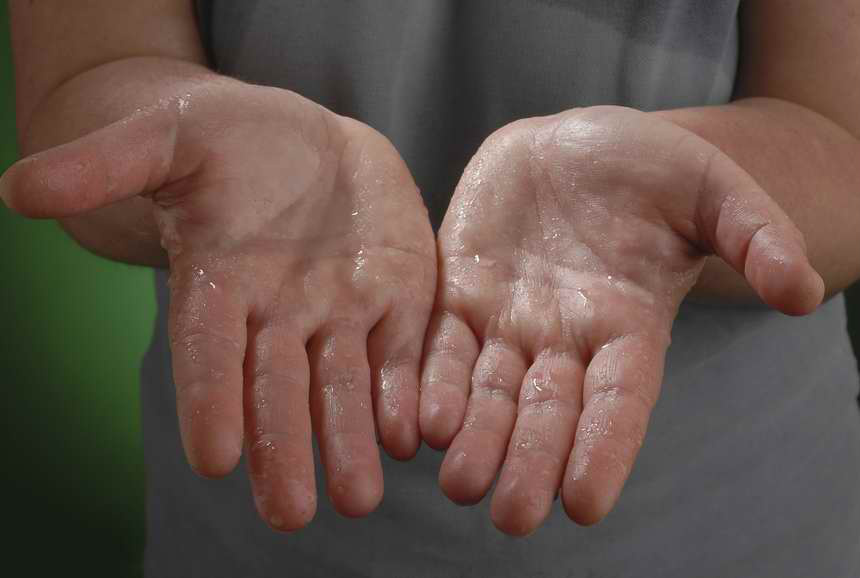
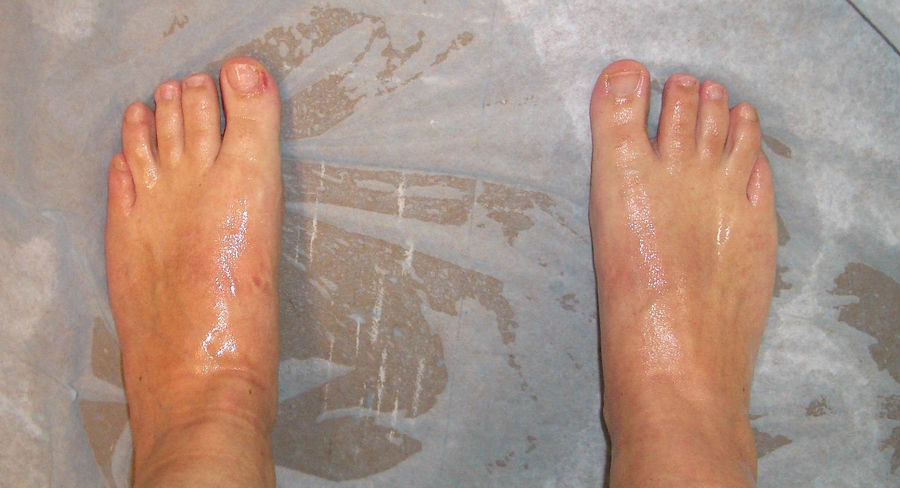
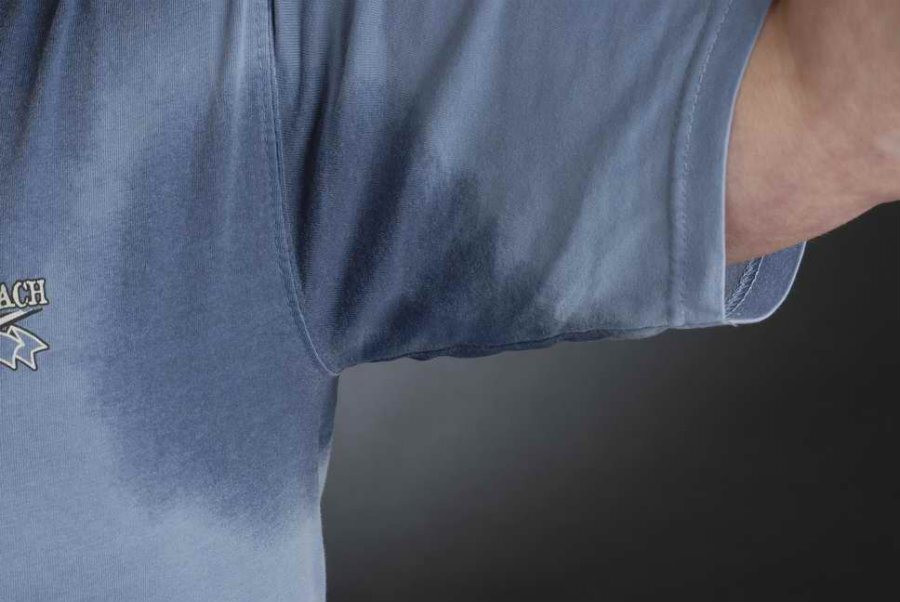
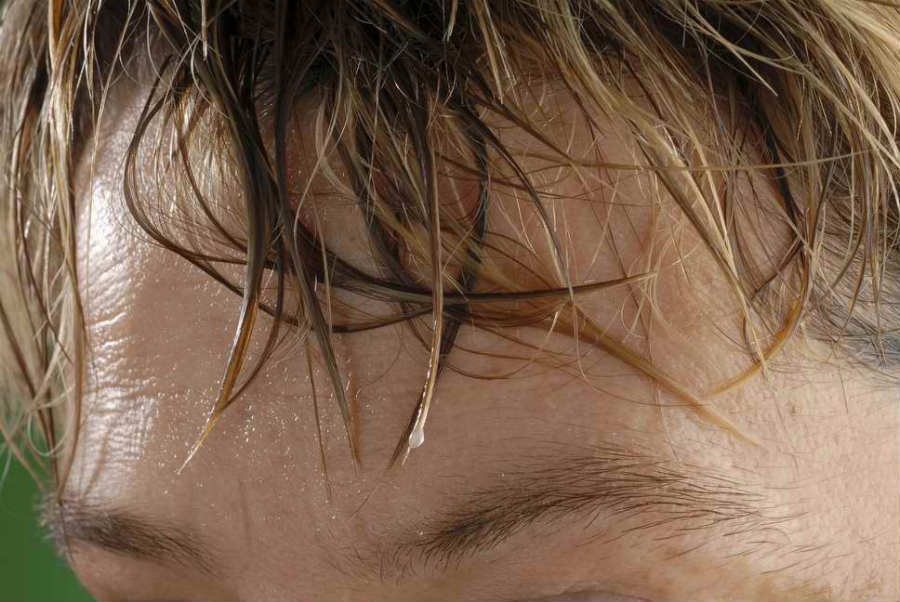
Primary hyperhidrosis most commonly affects the palms, soles of the feet and the axillae; but may affect any part of the body and association with the face and head is not uncommon. Sufferers do not sweat excessively during sleep. If sweating it present at night, then consideration should be made for further investigation as this would almost certainly be due to a secondary factor.
This chapter is set out as follows:
Aetiology
-
Hyperhidrosis is linked to over activity of the sympathetic nervous system. Specifically, it is the thoracic sympathetic ganglion chain, which runs along the vertebra of the spine, inside the chest cavity. This chain controls the apocrine and eccrine glands. The eccrine sweat glands are responsible for perspiration throughout the entire body and, when the chain is over-active, it causes excessive sweating at most times during the day. This in turn may cause considerable social, psychological and occupational problems, involving the sufferer to be either ostracised or bullied by their peers
-
Factors which may modify primary hyperhidrosis:
-
Hormonal factors - many females will find that their condition is either reduced or exacerbated during their menstrual cycle and when pregnant
-
Stress - this is a controversial issue as some patients are accused of ‘causing’ their hyperhidrosis by over-reacting to their sweating. However, without doubt, many dermatological conditions are exacerbated by stress; but this is not the cause of primary hyperhidrosis and, for a sufferer to be accused of this only ensures that they are reluctant to seek further help
-
Cosmetics - permanent or long-lasting cosmetic products often exacerbate hyperhidrosis of the face, and high factor sunscreens on other parts of the body
History
Types of hyperhidrosis
-
Focal ‘typical’ - palms, soles, axillae and craniofacial
-
Focal ‘atypical’ - asymmetric patches. May be due to a functional naevus
-
Gustatory - induced by food or drink, and can be associated with diabetes. The Frey syndrome occurs in patients with gustatory sweating caused by nerve damage following facial trauma or parotid surgery
Clinical findings
-
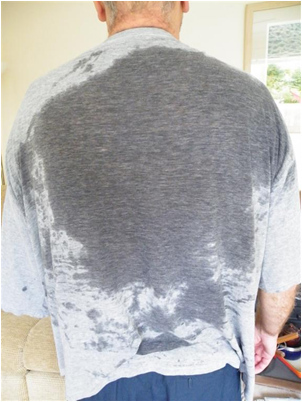
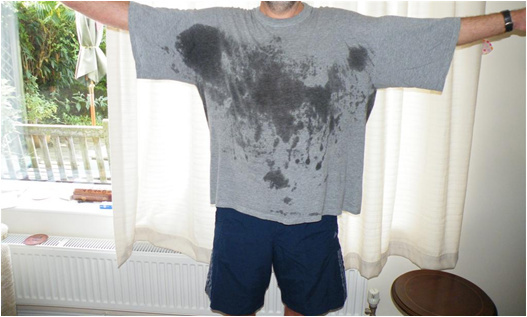
Bilateral excessive sweating most of the day; most commonly found on the palms, soles, axillae or face
-
If the feet are affected there is an increased incidence of fungal infections due to excessive sweat being trapped inside shoes all day
Clinical Images
Please refer to notes on image rights at bottom of the page with regards to individual image
ownership.
Investigations
-
Investigations are seldom, if at all, indicated for focal hyperhidrosis
-
Generalised hyperhidrosis in a well patient with a classical history of sweating starting in late childhood and improving in middle age is seldom related to an underlying medical condition
-
If the history is less typical eg symptoms starting in a different age group, night sweats or if the patient is unwell, there could be a secondary cause:
-
General medical conditions especially Parkinson’s disease, diabetes mellitus or thyroid disease
-
Medications (new or recent withdrawal) - fluoxetine, opiates, oestrogens and Zoladex ® can cause sweating. Sildenafil and apomorphine can cause craniofacial hyperhidrosis
-
Night sweats - could be due to lymphoma. Such a symptom warrants a thorough examination and CXR. If the patient has an associated fever investigate as per PUO (eg SBE, malaria, TB)
-
Rare conditions - if the attacks are associated with pallor, tremor or headaches consider a phaeochromocytoma or insulinoma. Ideally, the relevant investigations need to be done during an attack
-
Flushing, as opposed to sweating
-
Flushing, as opposed to sweating, is likely to be associated with the menopause or rosacea. Refer to the chapter Flushing
-
The Ross syndrome: extensive anhydrosis leads to islands of compensatory hyperhidrosis. Patients also have Aide's pupils (tonic pupils) and absent tendon reflexes
Management
General management
- Refer to the top right of the page for a patient information leaflet available through a QR code or printable PDF
- Advise patients as follows:
- Use emollient washes, rather than soap-based products
- Avoid tight clothing and man-made fabrics
- Wear leather shoes
- Self-help products include:
Suggested treatment algorithm for hyperhidrosis
Detailed noted on the treatments mentioned below can be found in the next section.
Generalised hyperhidrosis
- Oral anticholinergics
- Other treatments occasionally used include beta-blockers that cross the blood-brain barrier eg propranolol 40 mg tds, or diltiazem 60 mg tds, both of which can take several weeks to work
- Other drugs such as clonidine, clonazepam and indomethacin are probably of little value
Palmar and plantar hyperhidrosis
- Antiperspirants
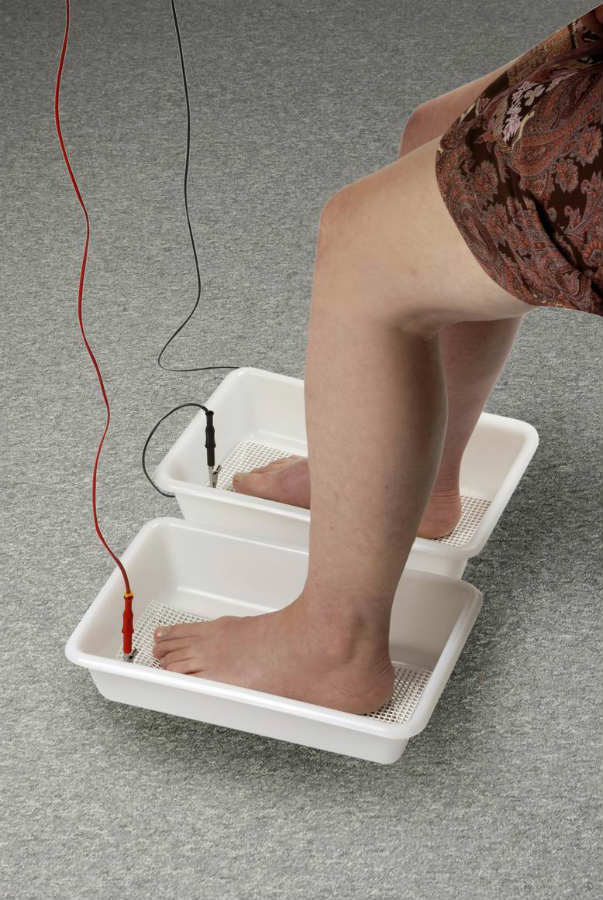
- Iontophoresis
- Anticholinergics
- Severe palmar hyperhidrosis - endoscopic thoracic sympathectomy (ETS)
Axillary hyperhidrosis
- Antiperspirants
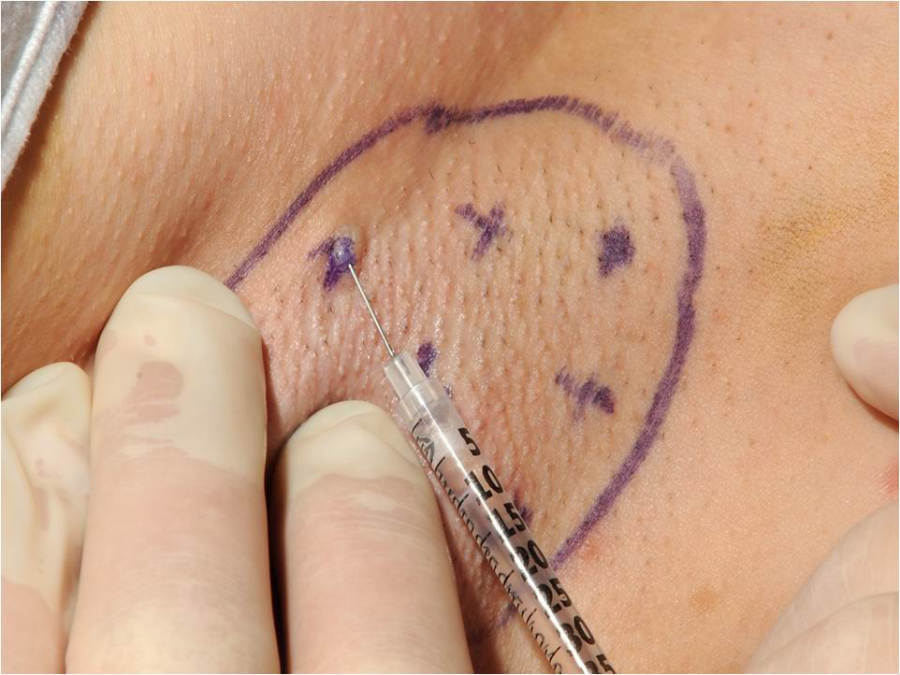
- Botulinum toxin
- Anticholinergics
Cranioffacial hyperhidrosis
- Anticholinergics (refer to notes below)
- Botulinum toxin
- Endoscopic thoracic sympathectomy (ETS)
Other focal hyperhidrosis
- Topical anticholinergics
- Botulinum toxin
Notes on the treatments referred to above
Antiperspirants (AP) - aluminium chloride antiperspirants eg Anhydrol Forte ® or Driclor ®
- Are of most use in the axillae but can also be used on the hands and feet
- Apply at night only. Wash the area, dry before application and wipe on once only. Wash off the following morning
- Due to the irritant nature of the treatment start twice a week, and gradually increase by one night a week. If very irritable use Eumovate cream in the morning, or wash the area with a pinch of baking soda dissolved in water. Alternatively advise patients to consider Sweatstop ®, which is a less irritant AP, due to the aloe vera content
- A two week trial of AP is considered appropriate, and if successful, continue
Topical anticholinergics (tAC) - Axhidrox (glycopyrronium bromide) pump-pack 2.2 mg/pump
- The UK’s only licensed topical anticholinergic for the treatment of hyperhidrosis
- Indicated for the topical treatment of severe primary axillary hyperhidrosis in adults
- The recommended dosage is two pump actuations per armpit (equivalent to 540 mg of cream or 4.4 mg glycopyrronium per armpit)
- During the first four weeks of treatment, Axhidrox is applied to each armpit evenly, once a day, preferably in the evening
- From the fifth week on, the frequency of application of Axhidrox may be reduced to twice a week, depending on the reduction of axillary sweating
- Continuous treatment of primary axillary hyperhidrosis with Axhidrox is required to maintain the effect. A pack has sufficient doses for 31 applications to each armpit
Systemic anticholinergics (sAC)
- Are best used for generalised hyperhidrosis, and compensatory sweating following ETS, as opposed to just one or two areas of hyperhidrosis
- Propanthelene bromide is the only licensed systemic product for primary hyperhidrosis. Start at a low dose of 15 mg once to twice a day, increasing as tolerated to 30 mg tds
- Some patients are unable to tolerate standard release formulations of sAC, in which case consider a modified-release formula of oxybutynin eg Lyrinel XL 10 mg ®, the dose can be gradually increased up to a maximum of 30mg OD. If dry mouth is a problem add in pilocarpine 10mg tds
- Consideration needs to be given to prescribing certain long-term systemic AC, especially in patients aged over 55 due to the association with dementia - to help calculate the risk refer to the Anticholinergic Burden Scale
- Children - while these preparations are not licensed for hyperhidrosis in children, both propantheline and slow-release oxybutinin are used for other indications (propantheline for GI muscle spasm and oxybutynin from the age of 5 years for nocturnal enuresis). The dose will need to be adjusted according to the patient's age
Iontophoresis
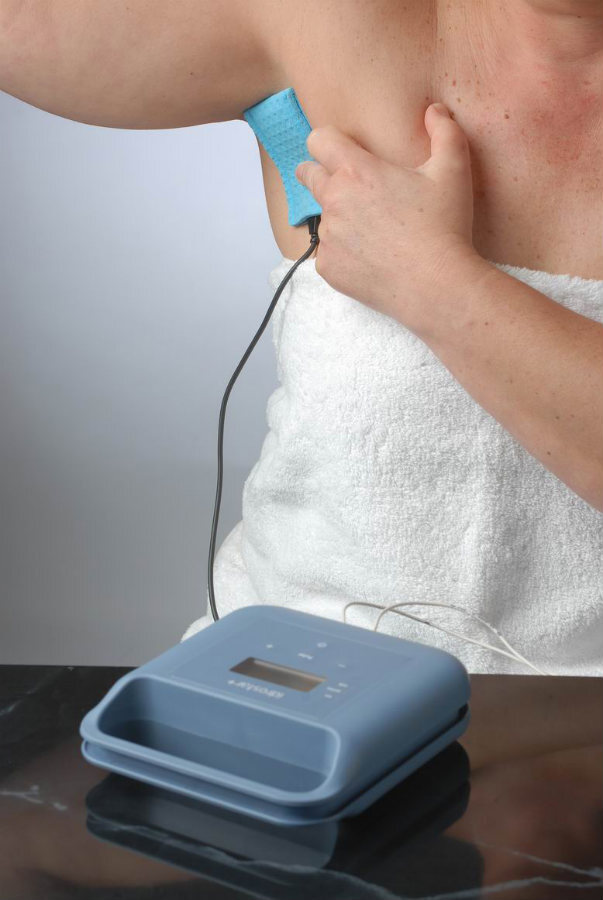
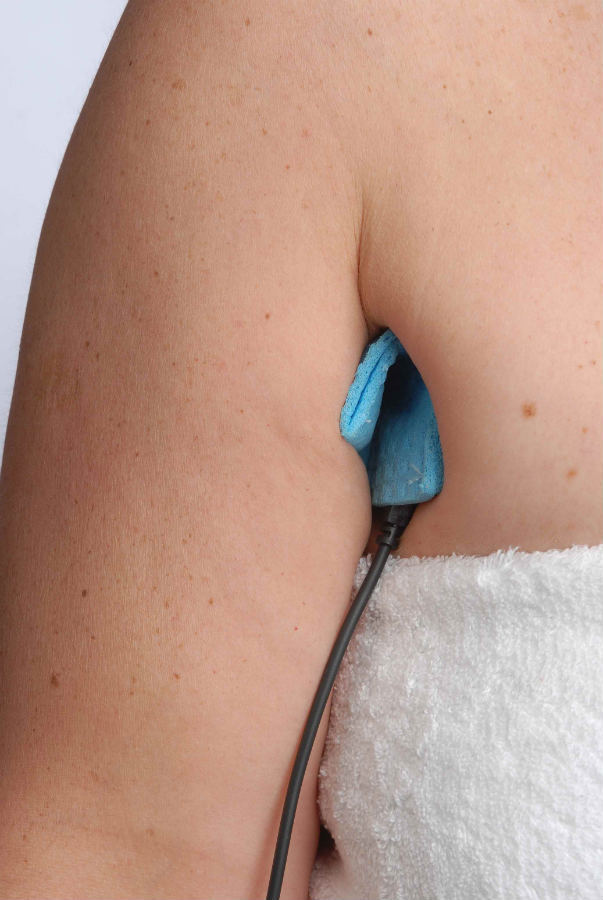
- Most dermatology departments treat palmar and plantar hyperhidrosis using iontophoresis and some treat the axillae
- Iontophoresis is contra-indicated if pregnant, or if the patient has pacemakers or metal implants
- If a course of treatment is successful it will need to be repeated as soon as the sweating resumes, for this the patient is encouraged to buy their own machine for home use, which often needs to be used once or twice a week
- Home units cost approximately £250 and can be purchased from www.iontophoresis.info or telephone 01432 373555
Botulinum toxin
- A series of injections is given intradermally, to block acetylcholine release and hence neurotransmission
- It is best for the axillae (its only licensed use in hyperhidrosis) and other focal areas where the efficacious effects last about 4-8 months, after which time further treatment will be required
- It is not as good for the feet and hands as local anaesthetic is needed, and it has a shorter duration of action
- NHS availability varies - check with local guidelines
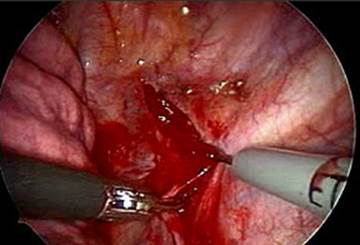
Endoscopic thoracic sympathectomy (ETS)
- Should only be considered when all other treatments have failed, as the compensatory sweating following this surgery can be much worse than the original problem
- ETS can be performed as an open or endoscopic procedure
- The main indications are resistant palmar or craniofacial cases, it is less successful for the axillae
- The risks of compensatory hyperhidrosis is 60% and can be severe. There are also rare risks of pneumothorax or dysrhythmia at time of the procedure
Other treatments
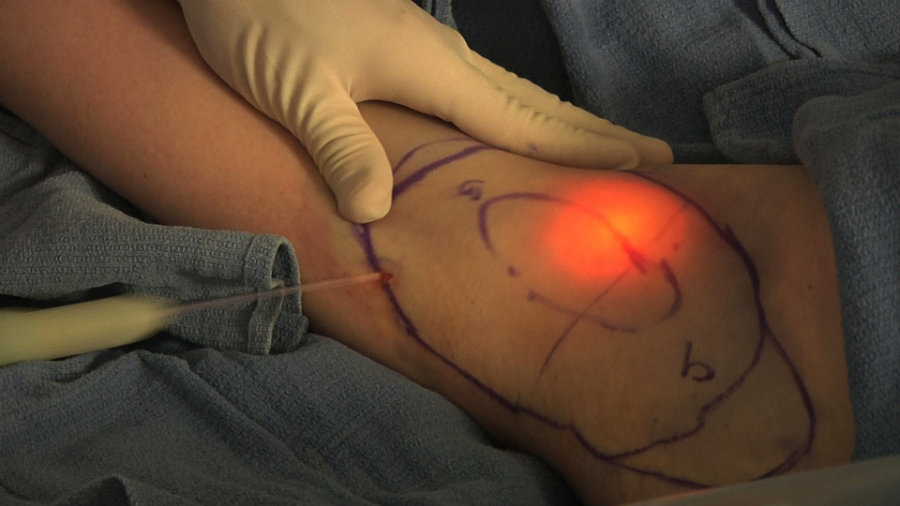
- Surgery such as retrodermal curettage, liposuction, and laser sweat ablation is generally performed privately, but a few NHS hospitals provide some of these treatments. These treatments are only suitable for the axillae and have varying success rates
Other resources
Additional images
Disclaimer - the author PCDS cannot accept responsibility for any misleading or incorrect statements, and the management of individual patients remains the direct responsibility of the individual doctor. We do however hope that visitors to this site can contact us regarding comments that are considered misleading or incorrect so that we can continue to improve the site.
Image Rights - The PCDS would like to thank Dermatoweb, DermQuest (Galderma), and others who have contributed images. All named individuals and organisations maintain copyright for the relevant images.