Keratosis pilaris (and its variants)
LAST UPDATED: Oct 25, 2024
Introduction
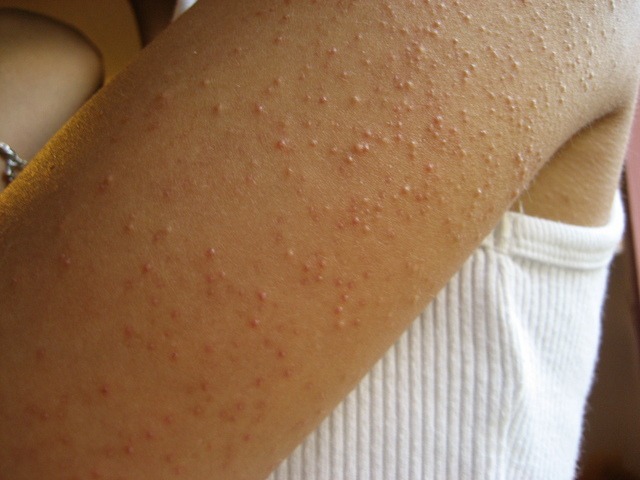
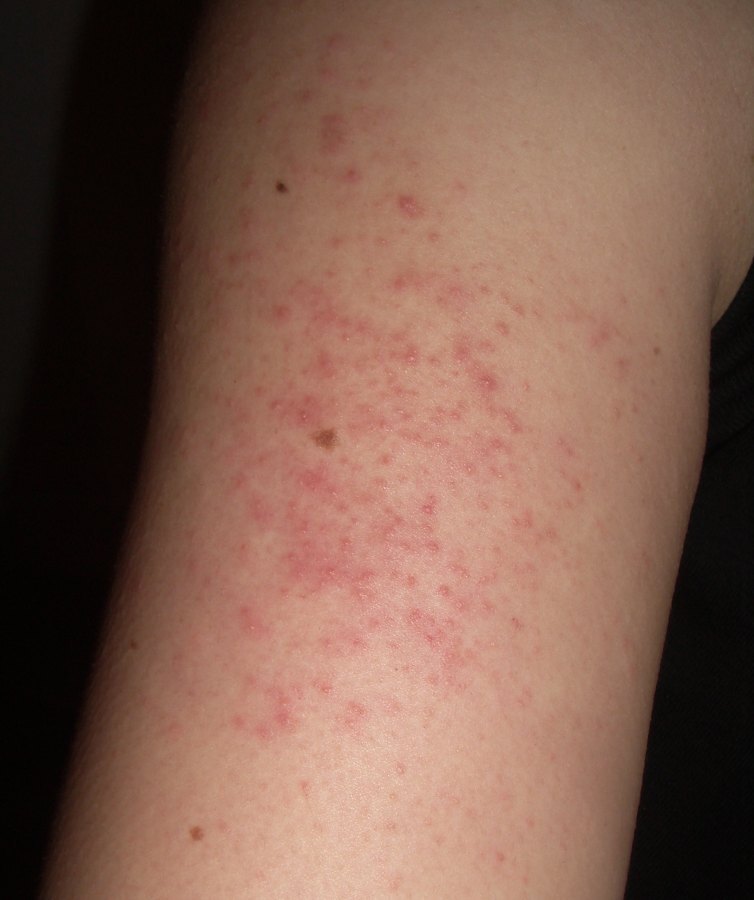
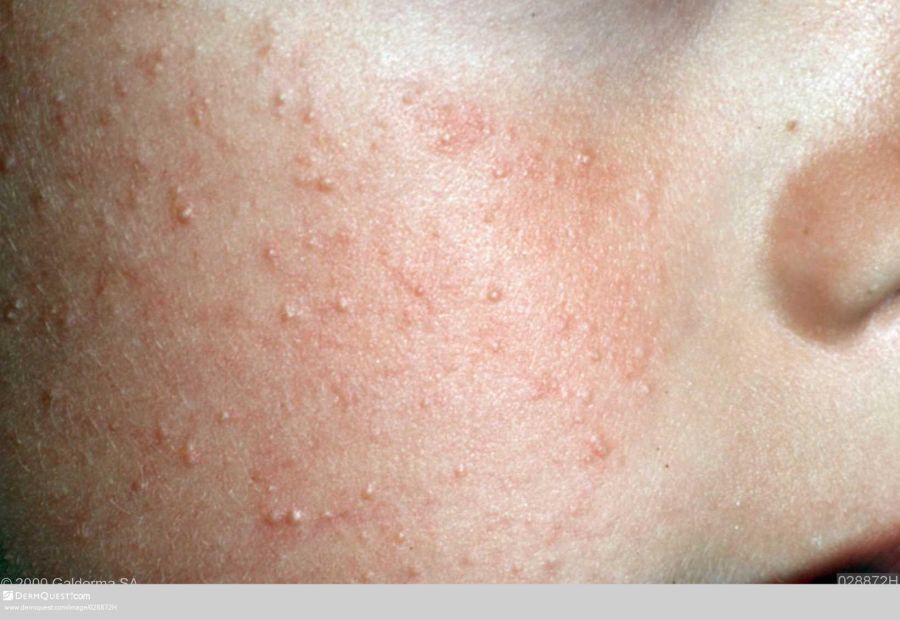
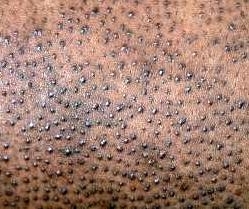
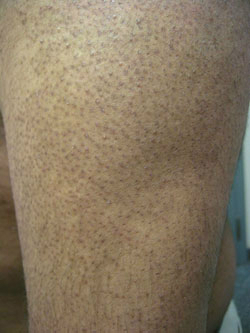
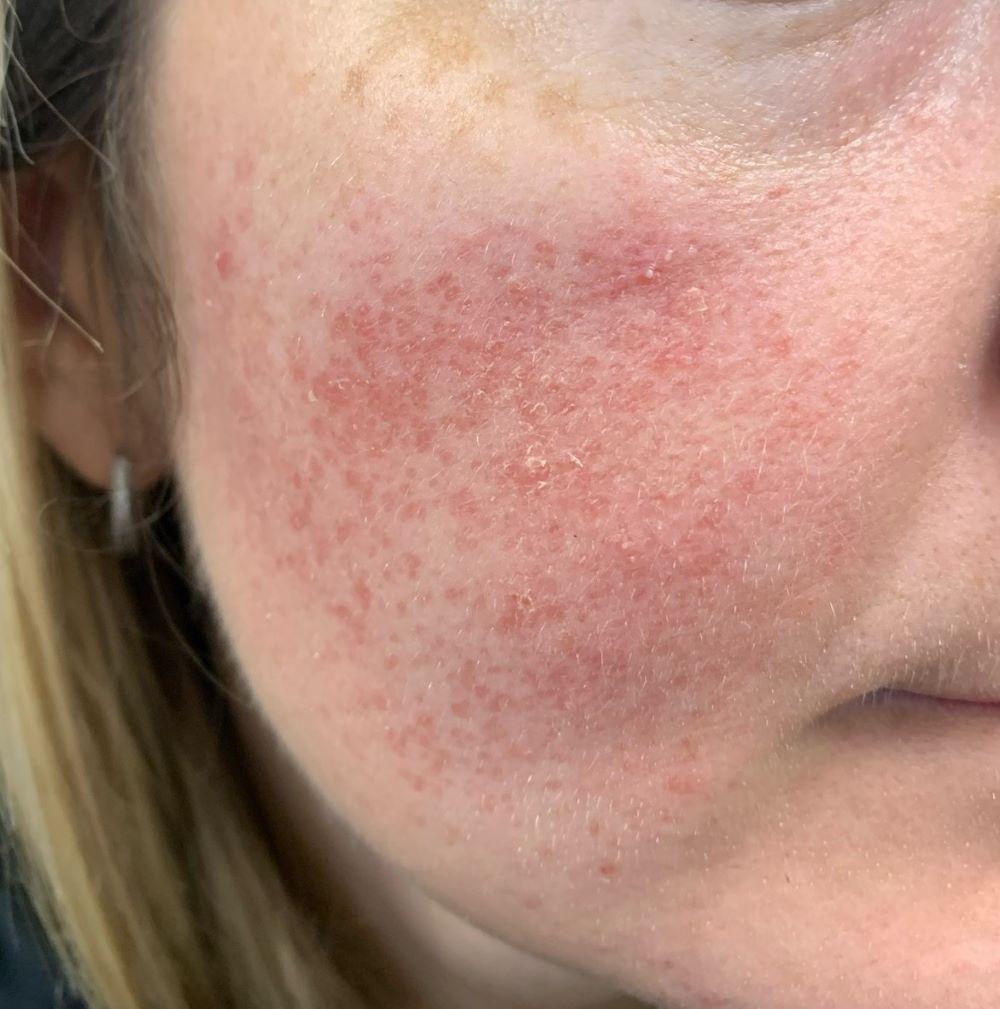
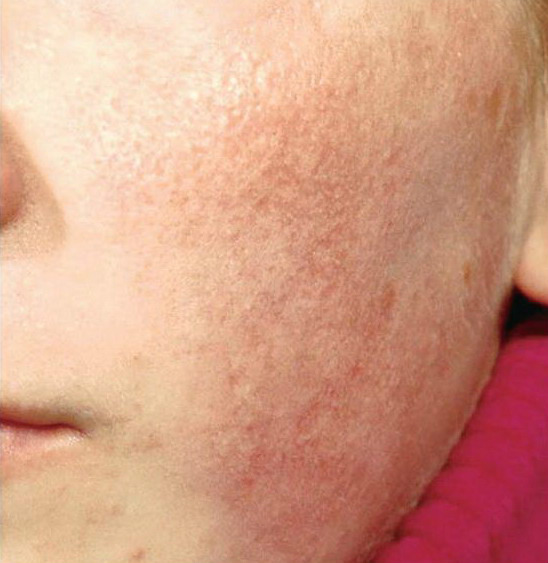
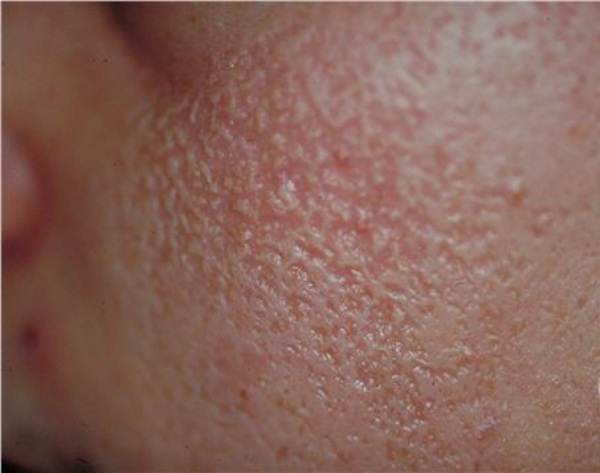
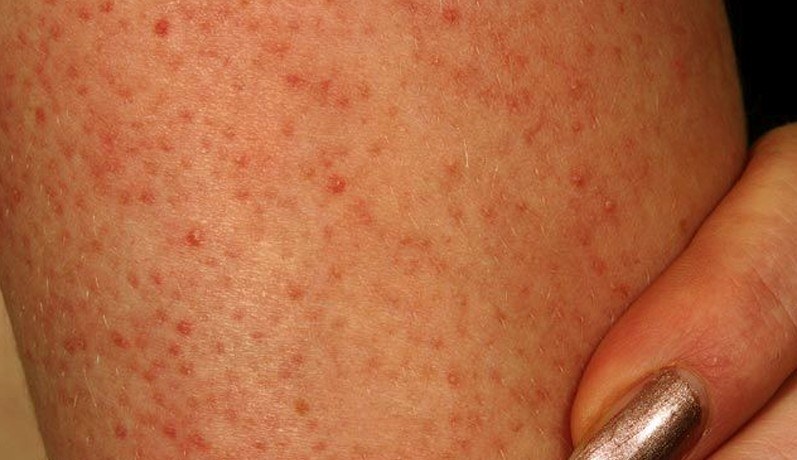
Keratosis pilaris (KP) is a very common skin condition characterised by keratinous plugging of hair follicles, with varying degree of perifollicular erythema, most commonly affecting the outer-upper arms and thighs.
This chapter is set out as follows:
Aetiology
-
Keratosis pilaris is due to abnormal keratinisation of the lining of the upper portion of the hair follicle, known as the follicular infundibulum - scale fills the follicle instead of exfoliating
-
Mild forms, appearing in childhood and adolescence, are extremely common and are best regarded as physiological
-
30-50% of cases have genetic origins, with an autosomal dominant inheritance
-
Associated conditions include other dry skin conditions such as ichthyosis vulgaris, obesity, insulin-dependent diabetes mellitus, and Down's syndrome
History
-
KP is best described as a condition of childhood and adolescence, and although it often becomes more exaggerated at puberty, it frequently improves with age. However, some adults can have rather persistent KP
-
Seasonal variation is sometimes described, with improvement of symptoms in summer months
-
Lesions are asymptomatic
Clinical findings
Typical KP
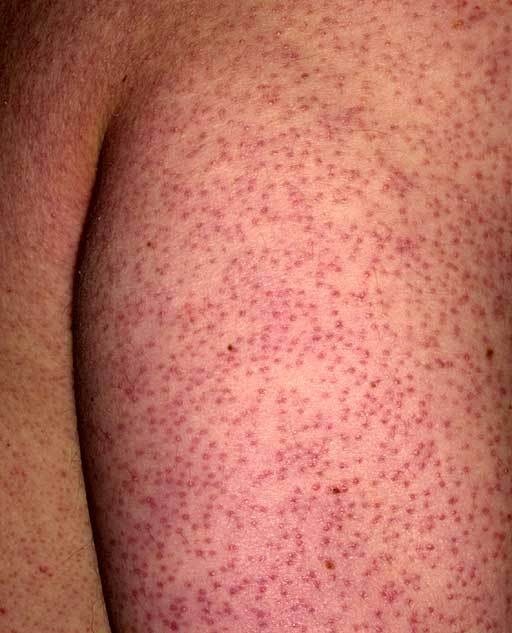
- Symmetrical, most commonly affecting the outer-upper arms and thighs
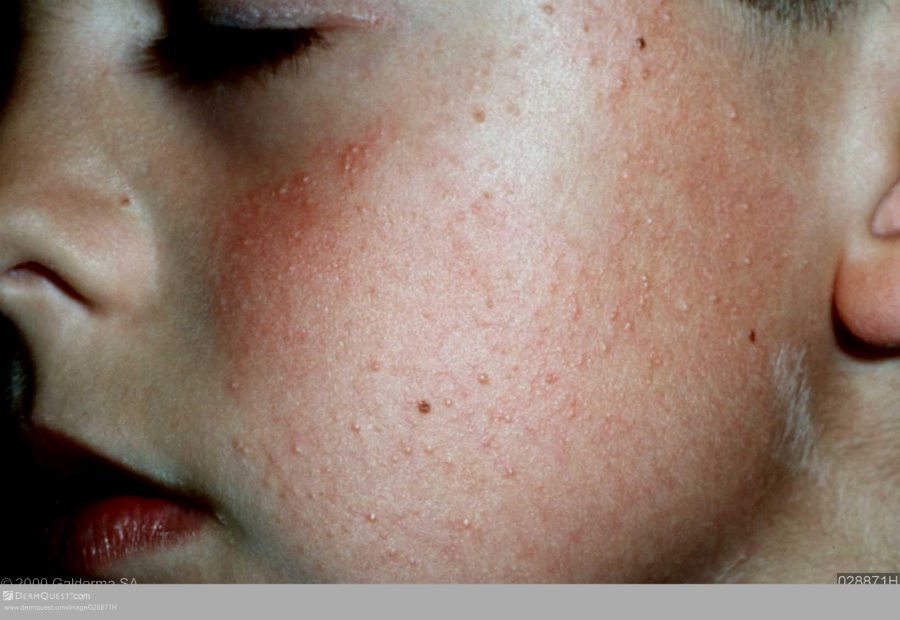
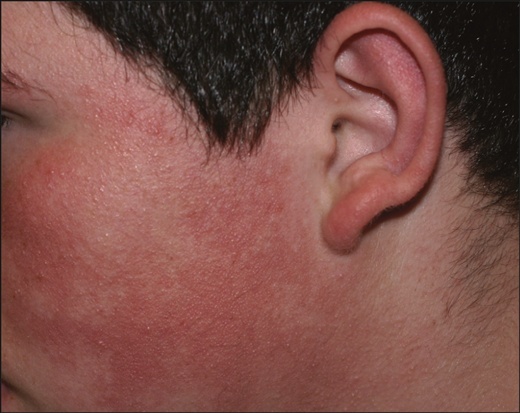
- KP may also occur on the buttocks and cheeks, and less often on the forearms and upper back
- Large numbers of scaly, rough papules, which in essence is the keratinous plugging of hair follicles
- Varying degrees of perifollicular erythema
Atypical KP
-
Has more widespread involvement of the skin, which may cause psychological distress
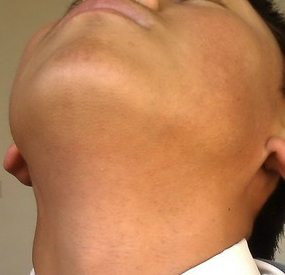
Erythromelanosis follicularis faciei et colli
-
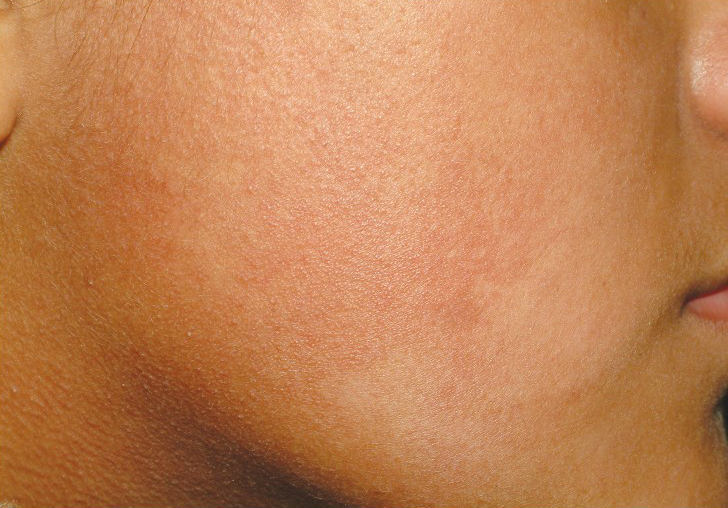
Is very rare, mainly seen in Asian men, and probably represents a variant of KP in pigmented skin
-
Clinically there is follicular plugging, erythema and hyperpigmentation of the cheeks and neck
KP associated with atrophy
KP is occasionally followed by atrophy, with scar-like follicular depressions and sometimes hair loss - such features can be associated with more typical KP at other sites:
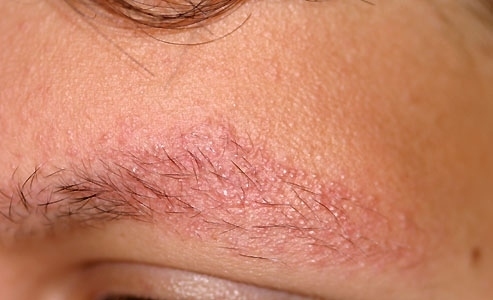
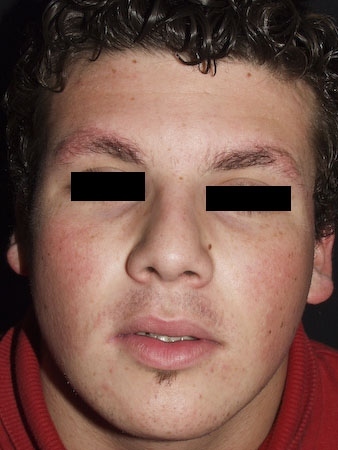
- Keratosis rubra pilaris faciei atrophicans (syn. ulerythema ophryogenes): prominent facial erythema with involvement of the eyebrows and scalp, followed by atrophy
- Atrophoderma vermiculatam: keratotic papules of the cheeks and pre-auricular skin are followed by atrophy
Clinical Images
Please refer to notes on image rights at bottom of the page with regards to individual image
ownership.
1
2
3
4
5
6
7
8
9
10
11
12
13
14
15
16
Management
-
No cure is available for KP and treatment is rarely helpful:
-
Female patients, in particular, may wish to try facial exfoliators with a buff for their arms and legs
-
Emollients containing urea (eg Calmurid ® cream, Balneum ® cream) or salicylic acid can be used
-
Mild topical steroids (eg Eumovate ® cream) may be used BD for a few days, eg prior to an important social occasion, to reduce redness in those with a very significant perifollicular erythema. Topical steroids must not be used regularly in KP as they may cause skin atrophy
Disclaimer - the author PCDS cannot accept responsibility for any misleading or incorrect statements, and the management of individual patients remains the direct responsibility of the individual doctor. We do however hope that visitors to this site can contact us regarding comments that are considered misleading or incorrect so that we can continue to improve the site.
Image Rights - The PCDS would like to thank Dermatoweb, DermQuest (Galderma), and others who have contributed images. All named individuals and organisations maintain copyright for the relevant images.