Lichen nitidus
LAST UPDATED: Aug 08, 2021
Introduction
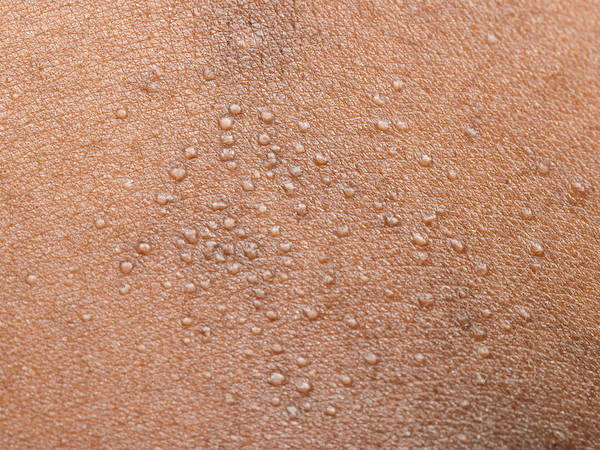
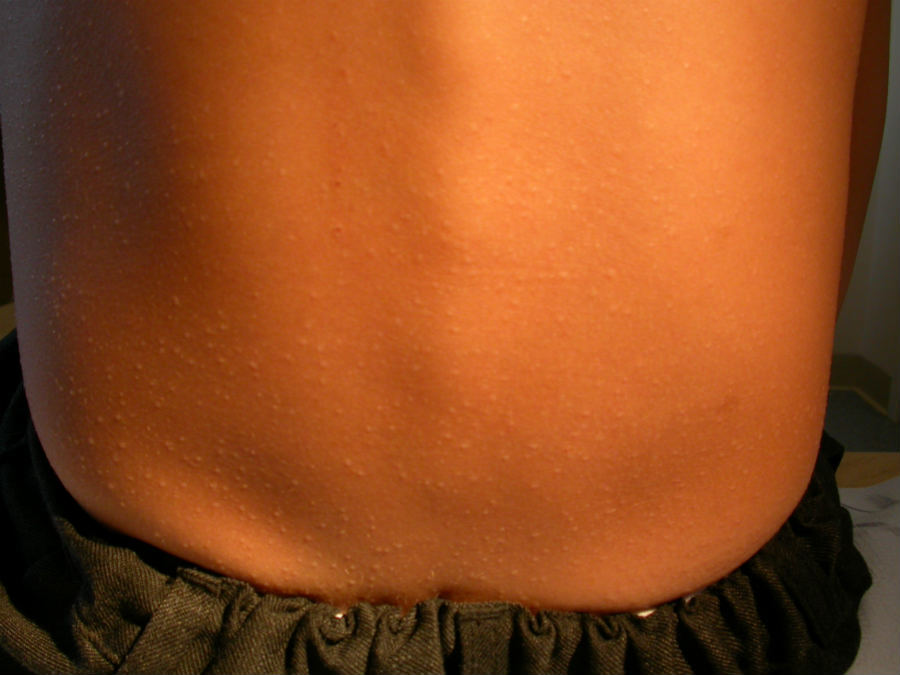
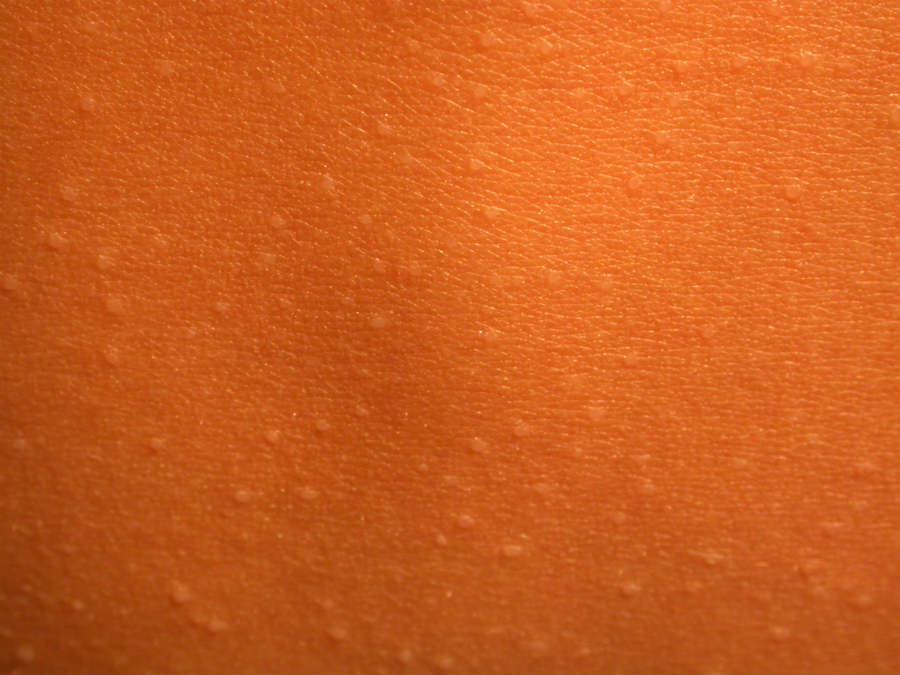
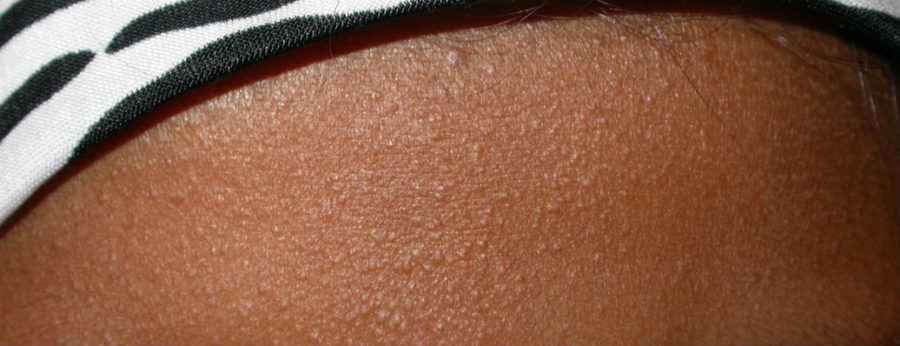
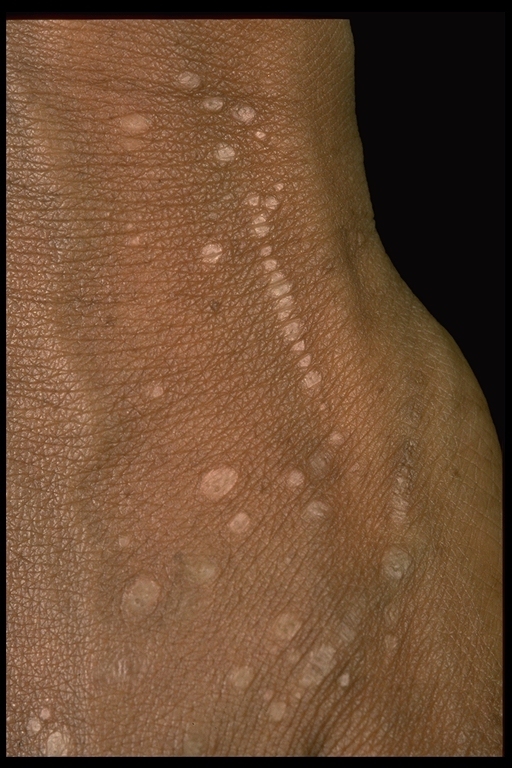
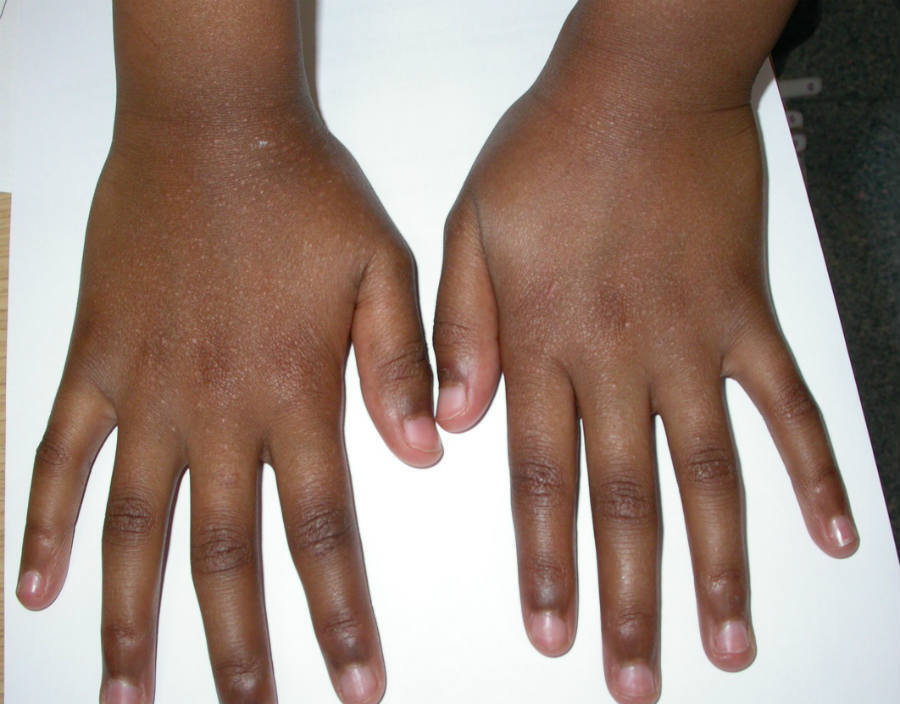
Lichen nitidus is a relatively rare condition that usually presents in children and young adults, and is characterised by the presence of many asymptomatic, skin-coloured or white, small, flat-topped papules that have a shiny surface.
This chapter is set out as follows:
Aetiology
-
The cause is unknown, although some consider lichen nitidus to be a variant of lichen planus
History
-
It usually begins in childhood, or in young adults
-
It affects both sexes equally and occurs in all races
-
Lesions are usually asymptomatic, but occasionally can be very itchy
Clinical findings
Distribution
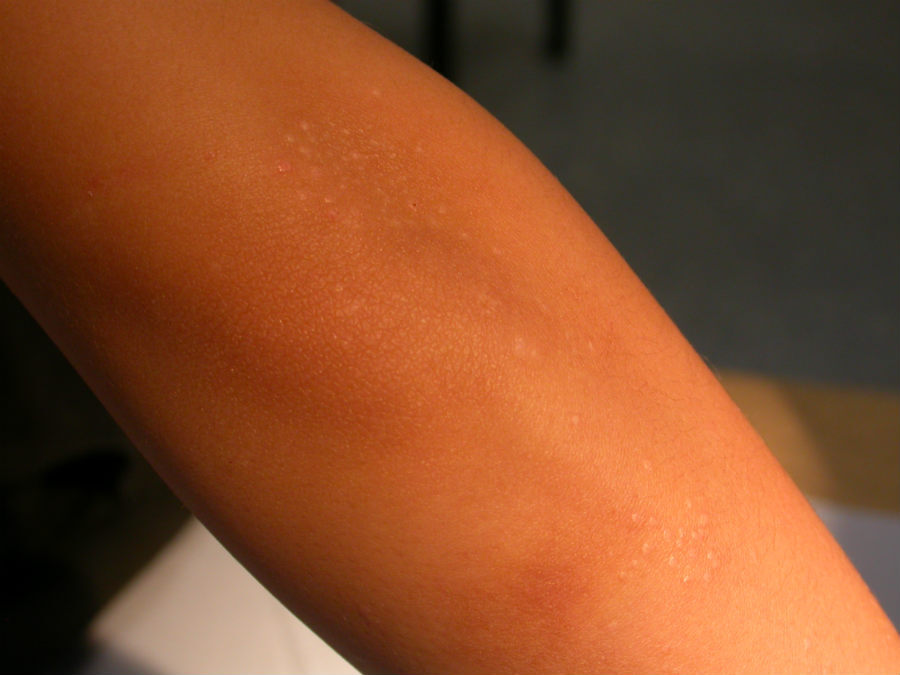
- Commonly it can affect any of the flexural forearms and backs of hands, the penis, chest, abdomen and buttocks, although any site can be involved and the eruption can be generalised
- Lesions are discrete but may be grouped
Morphology
- The characteristic lesion is a very small (1-3 mm), skin-coloured to red-brown, flat-topped papule with a shiny surface. In dark-skinned individuals lesions can be hypo- or hyperpigmented
- Köebnerisation is common ie lesions arise in a line along scratch marks
- There is a rare linear variant (independent of Köebnerisation)
- A rather hyperkeratotic involvement of the palms and soles is much less common and tends to affect an older age group
Other clinical features
- It can coexist with lichen planus
-
Nail changes, including pitting and longitudinal linear ridging, are seen in a minority
-
Mucosal lesions occur occasionally presenting as very small grey-white papules in the mouth
Clinical Images
Please refer to notes on image rights at bottom of the page with regards to individual image
ownership.
Investigations
-
Histology reveals a lymphohistiocytic inflammatory cell infiltrate that lies in close proximity to the epidermis and is associated with basal cell hydropic degeneration. The overlying epidermis is flattened and parakeratotic. At the lateral margins of the papule, the rete ridges extend downward and seem to hug the inflammatory infiltrate, which may be granulomatous (reference: Rook's Textbook of Dermatology)
Management
-
The natural history of lichen nitidus is unknown. In most cases the condition is self-limiting and treatment is not necessary. Response to treatment is unpredictable although there have been reports of lesions responding to topical steroids, and phototherapy
Disclaimer - the author PCDS cannot accept responsibility for any misleading or incorrect statements, and the management of individual patients remains the direct responsibility of the individual doctor. We do however hope that visitors to this site can contact us regarding comments that are considered misleading or incorrect so that we can continue to improve the site.
Image Rights - The PCDS would like to thank Dermatoweb, DermQuest (Galderma), and others who have contributed images. All named individuals and organisations maintain copyright for the relevant images.