Lipoma

LAST UPDATED: Nov 18, 2021
Introduction

A lipoma is a common benign tumour of adipose tissue. Lipomas are usually found in the subcutaneous tissue and less commonly in internal organs. Lesions are solitary or multiple and usually of no significance, however, they can be associated with neurofibromatosis and rarely a number of other syndromes.

This chapter is set out as follows:


History

  • Lipomas can occur at any age, however, they tend to arise in adulthood
  • Solitary lipomas are more common in women whilst multiple lipomas occur more frequently in men
  • Lesions are often asymptomatic unless large in which case they can cause pain through pressure on various structures

Clinical findings

Distribution

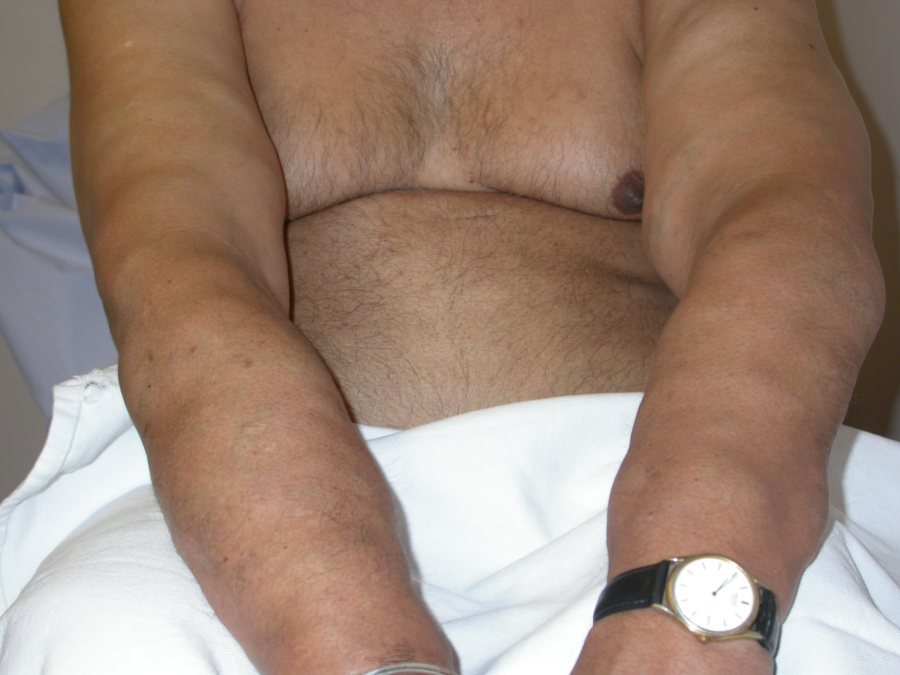
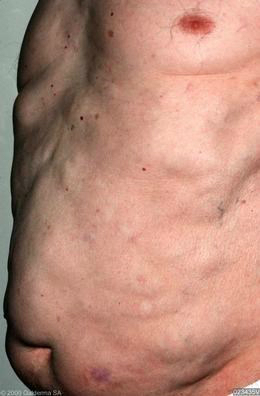
  • May be solitary, multiple, sometimes very numerous
  • The arms, back of the neck, trunk and thighs are the most common sites

Morphology

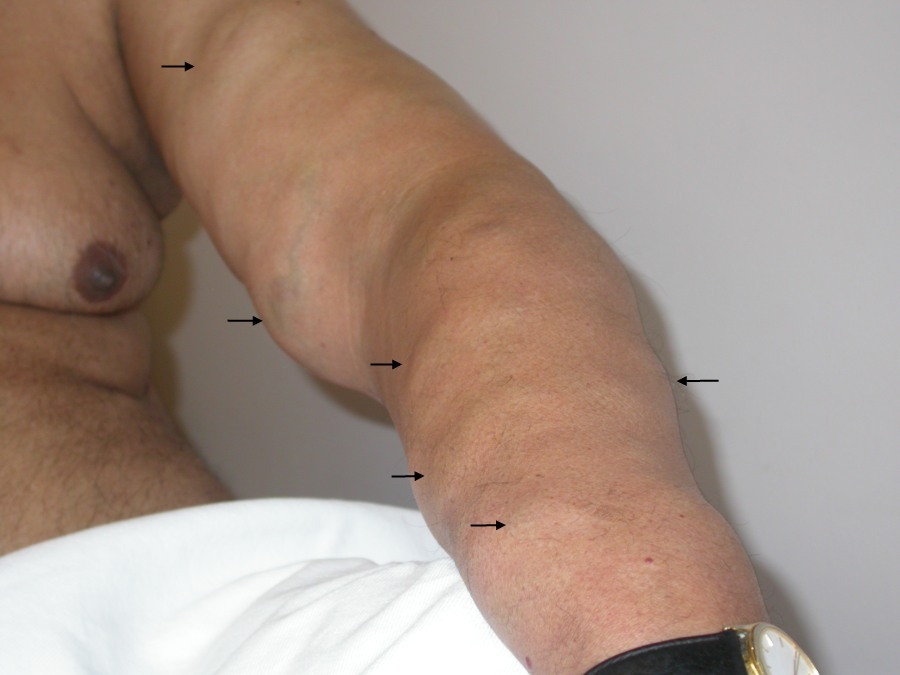
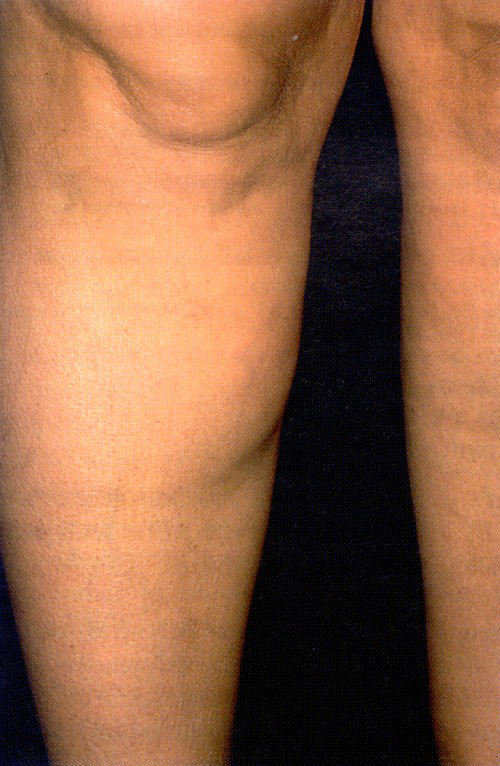
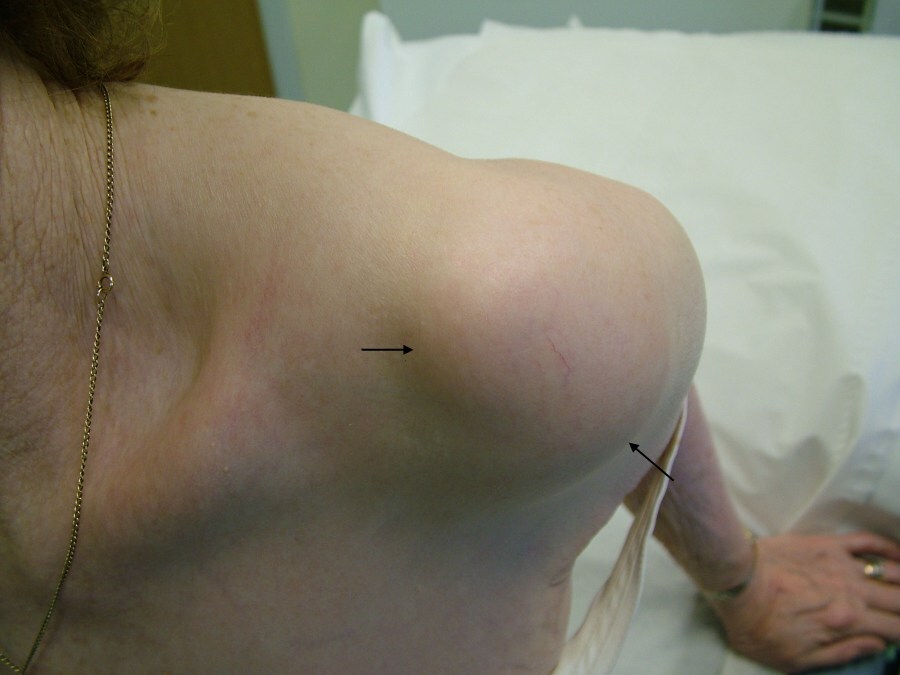
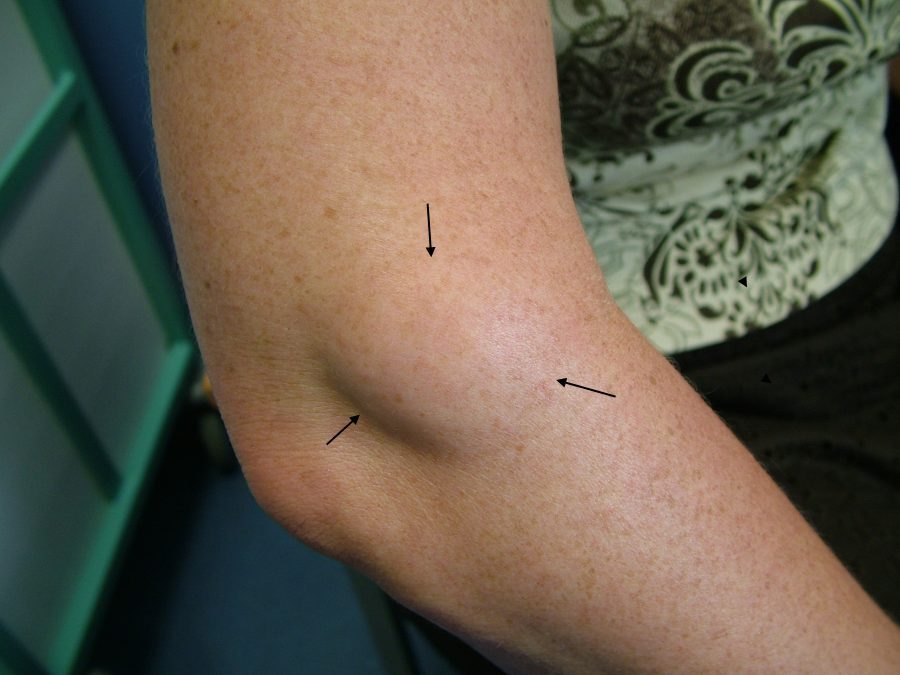
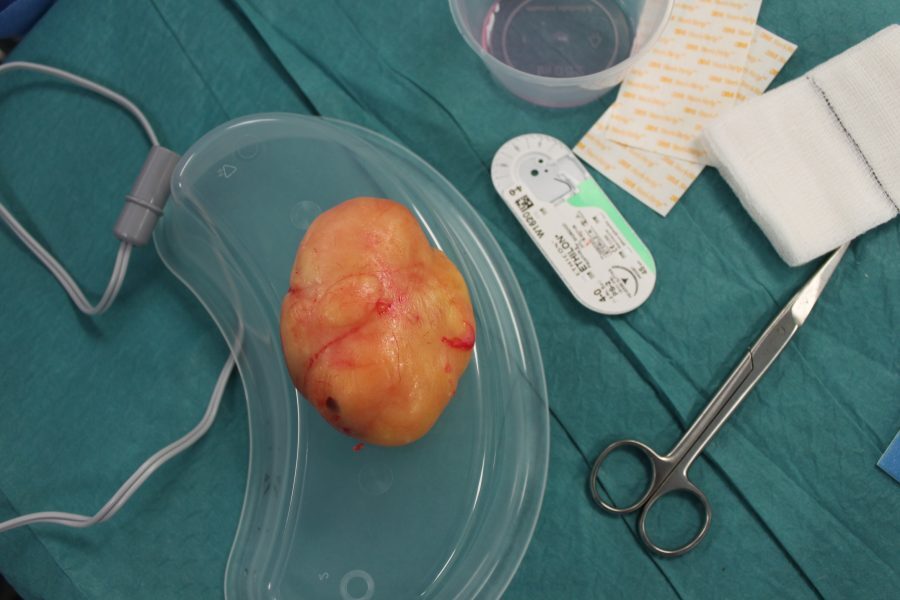
  • A subcutaneous nodule, often lobulated, with a soft doughy consistency
  • The overlying skin surface is normal and freely mobile over the lipoma
  • Lesions are often 2-10 cm in diameter but can be much larger

Differential diagnosis

Lipomas are usually easy to tell apart from epidermoid cysts, which are firm and often have a central punctum. Other conditions to be aware of include:

  • Angiolipomas: account for about 10% of all lipomatous lesions. They are morphologically similar to lipomas but can be intermittently painful or tender. They differ histologically by having excessive degrees of capillary proliferation
  • Lipomatosis: this term encompasses a spectrum of rare disorders characterised by the diffuse infiltration of structures with non-encapsulated adipose tissue. One such condition is multiple symmetrical lipomatosis, which has neck and mediastinal involvement along with neuropathic changes
  • Dercum's disease (syn. adiposis dolorosa): a rare syndrome characterised by deposits of tender adipose tissue, ecchymoses and obesity, typically in middle aged women
  • Cutaneous sarcomas: there are many different types of sarcoma. Deep-seated lesions are likely to grow much more quickly than lipomas, become painful and may be associated with a bruise-like skin discoloration. Refer to the chapter Liposarcoma

Clinical Images

Please refer to notes on image rights at bottom of the page with regards to individual image ownership.
Management

  • Most lipomas require no treatment
  • Surgical excision can be used for symptomatic lesions, or enlarging lesions on sites that are likely to become symptomatic
  • Lipomas may be significantly larger than they appear on clinical examination - the excision of lipomas should only be undertaken by health professionals who have had the appropriate training in skin surgery and understand the anatomy of where the lipoma is found and are able to use surgical techniques that close the dead space following the removal of the lipoma
  • Frontal lipomas: are found on the forehead and are often mistaken for epidermoid cysts. They arise from within the frontalis muscle or from deeper structures, are more complicated to manage and so must be excised only by health professionals trained to a high standard of skin surgery 
  • Liposarcomas: any atypical lesion (history and / or examination) should be considered for an urgent referral (two-week wait)
  • The following link provides a video clip showing the removal of a lipoma

Disclaimer - the author PCDS cannot accept responsibility for any misleading or incorrect statements, and the management of individual patients remains the direct responsibility of the individual doctor. We do however hope that visitors to this site can contact us regarding comments that are considered misleading or incorrect so that we can continue to improve the site.

Image Rights - The PCDS would like to thank Dermatoweb, DermQuest (Galderma), and others who have contributed images. All named individuals and organisations maintain copyright for the relevant images.

Quick Links

The following pharmaceutical companies have had no involvement in the content of this website or in our conference programmes


Almirall
Galderma
Glenmark
Johnson & Johnson
La Roche-Posay
LEO Pharma
Pierre Fabre
Schuco