Neurofibromatosis type 1 (syn. von Recklinghausen’s disease)
LAST UPDATED: Sept 15, 2022
Introduction
The neurofibromatoses comprise several distinct genetic disorders that lead to the formation of tumours surrounding nerves and a variety of other pathological features. This chapter focuses on the most common of the neurofibromatoses, neurofibromatosis type 1 (NF1), as well as discussing segmental neurofibromatosis and patients with isolated neurofibromas or café-au-lait patches unrelated to NF1. It does not include neurofibromatosis type 2, which is characterised by CNS tumours, such as bilateral acoustic neuromas, and few cutaneous features.
This chapter is set out as follows:
Aetiology
-
Neurofibromatosis type 1 (NF1) is an inherited autosomal dominant condition, a parent with NF1 has a 50% chance of passing the gene on to each of their children
-
A high gene mutation rate means that almost half the cases are the first in their family
-
The incidence is 1: 2,500-3000
History
-
NF1 is a multisystem disorder that is commonly associated with cutaneous, neurological, bone and soft tissue manifestations
-
The cutaneous features are described in the clinical findings
-
The systemic features are described in the management section
Clinical findings
Making a diagnosis of NF1
NF1 is diagnosed in the presence of two or more of the following:
-
Six or more café-au-lait macules or patches
-
Two or more cutaneous / subcutaneous neurofibromas or one plexiform neurofibroma
-
Axillary or groin freckling
-
An optic pathway glioma
-
Two or more Lisch nodules (pigmented iris hamartomas)
-
Boney dysplasia
-
A first degree relative with NF1
Clinical findings in NF1
-
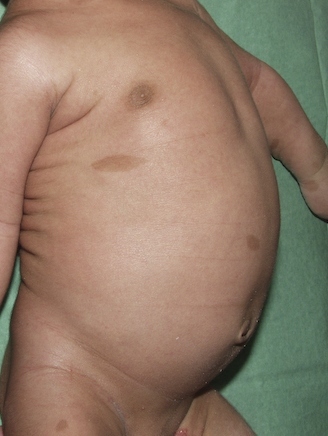
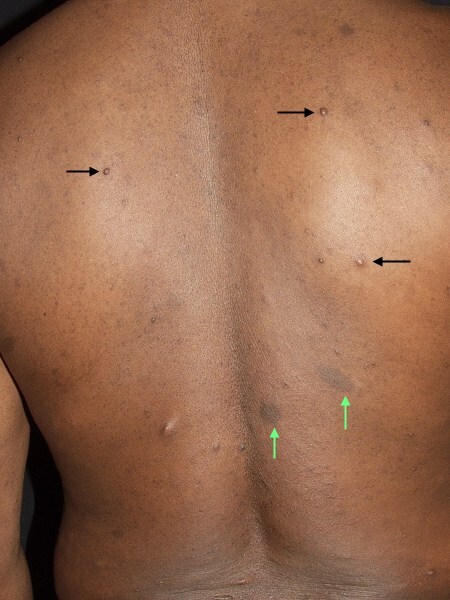
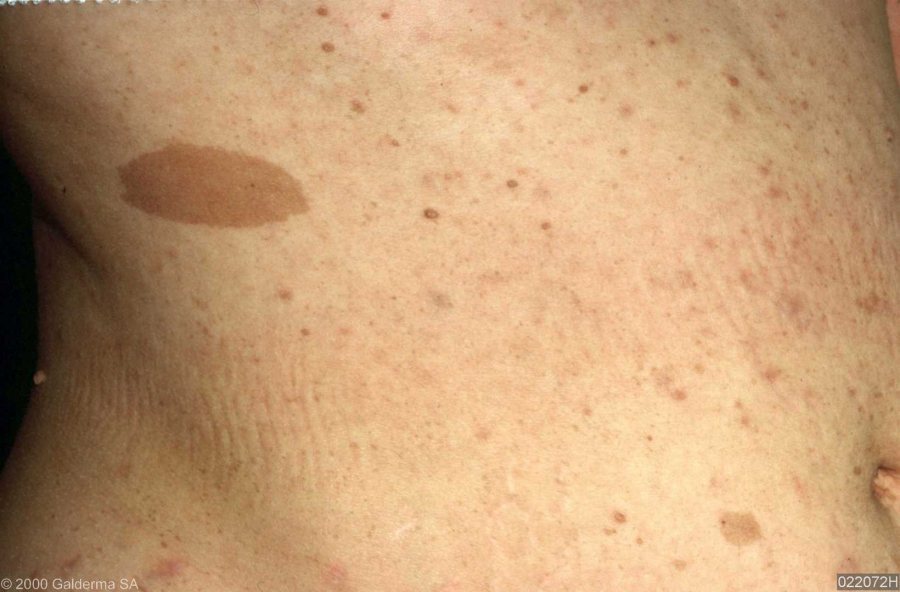
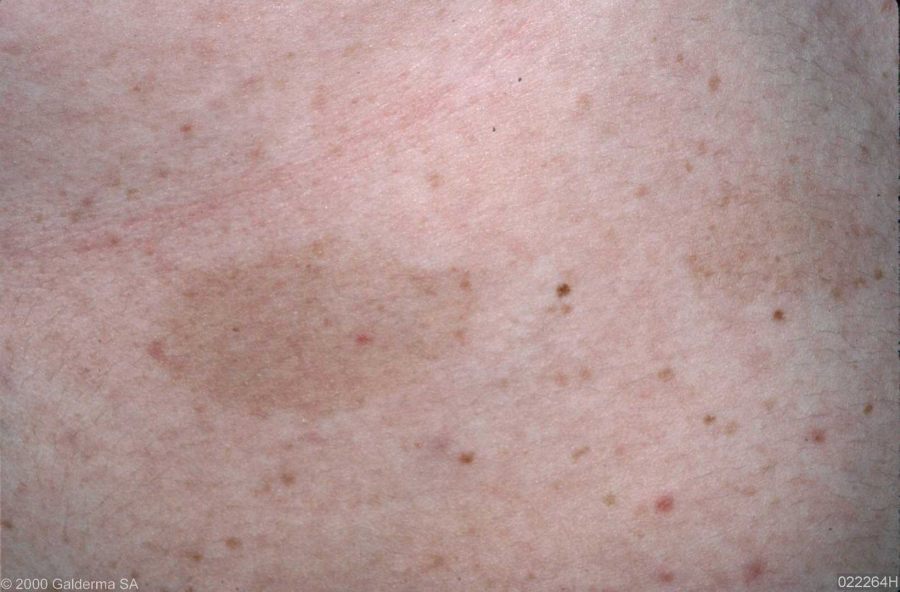
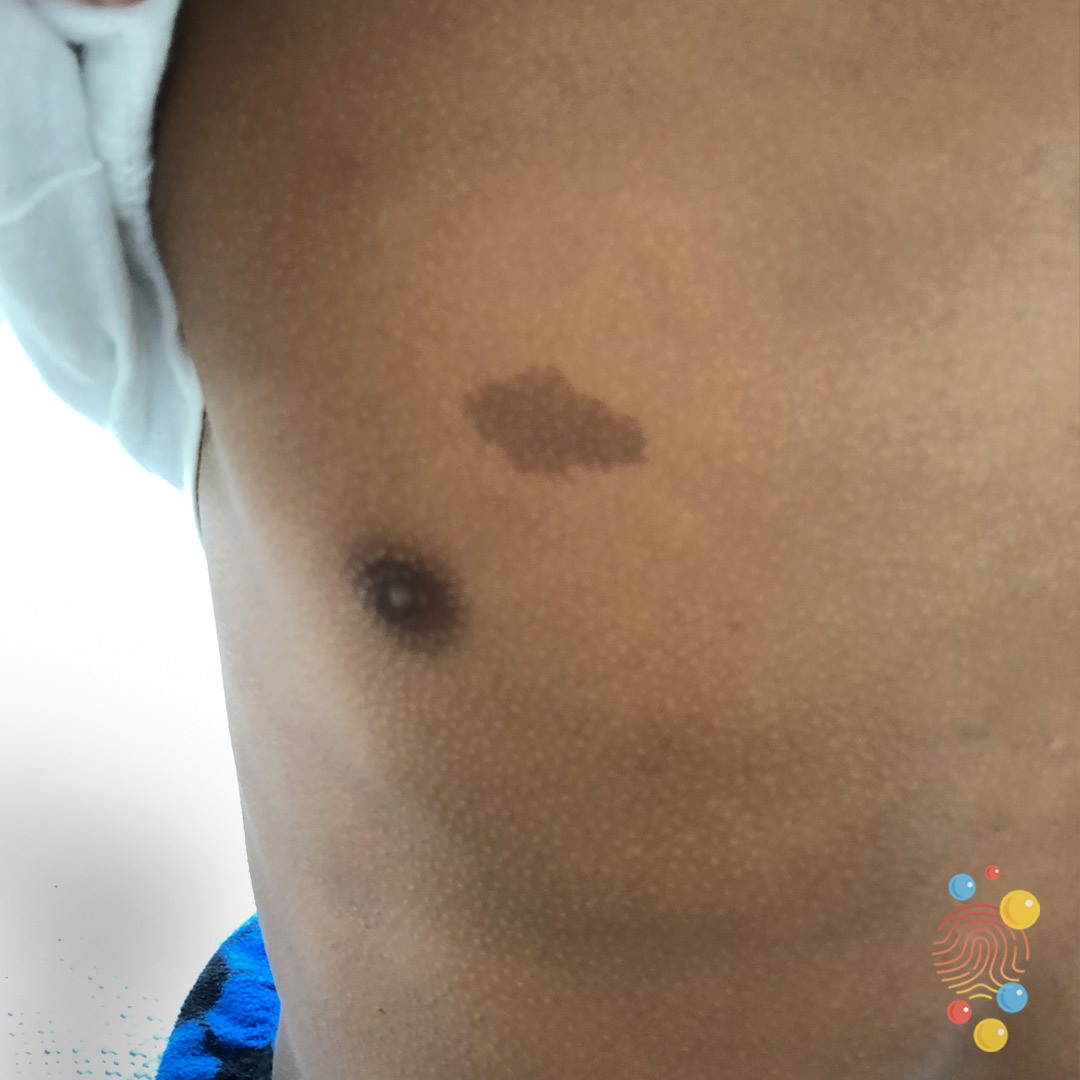
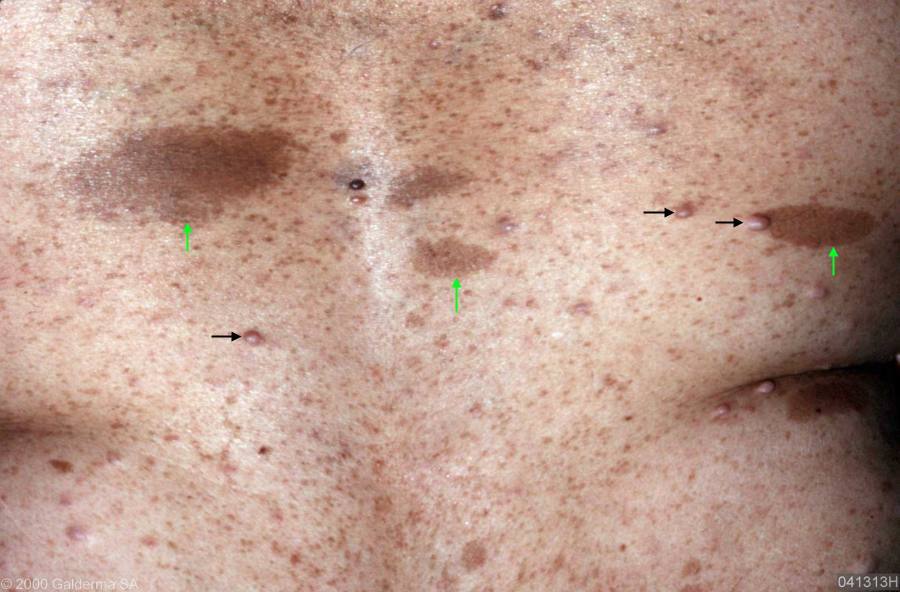
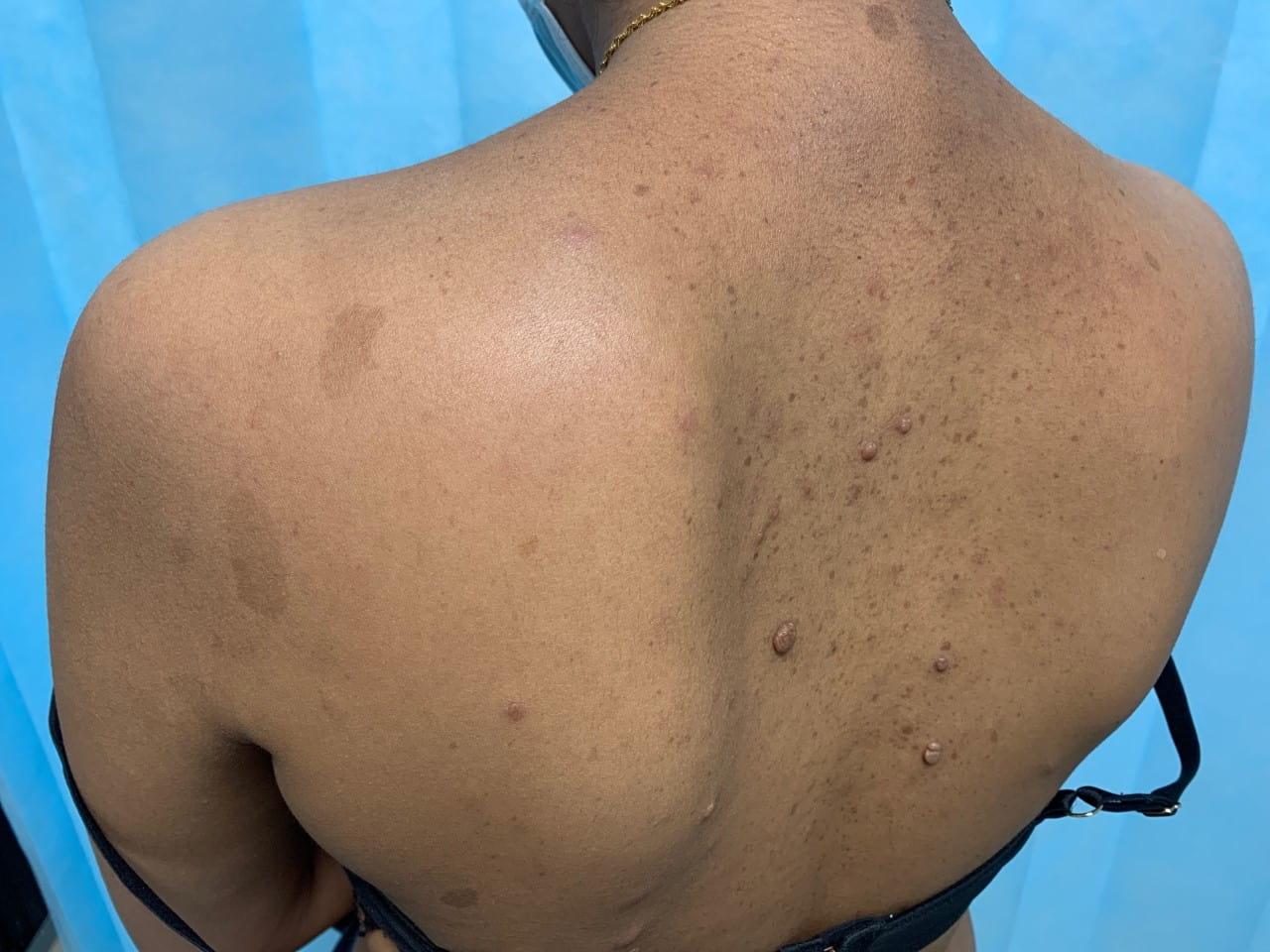
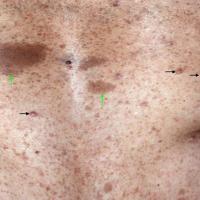
Cafe-au-lait patches (CALP)
-
These are sharply defined, light brown patches. Lesions are over 5 mm in their greatest diameter in pre-pubertal individuals and over 15 mm in their greatest diameter in post-pubertal individuals
-
They are the first feature of NF1 to appear in children. They start to appear in most patients in the first year of life and almost all will have lesions present by the age of five years. They increase in size and number over the first decade
-
Patients can have CALP without NF1, being present in 10-20% of normal individuals, however, children with more than five CALP need referring
-
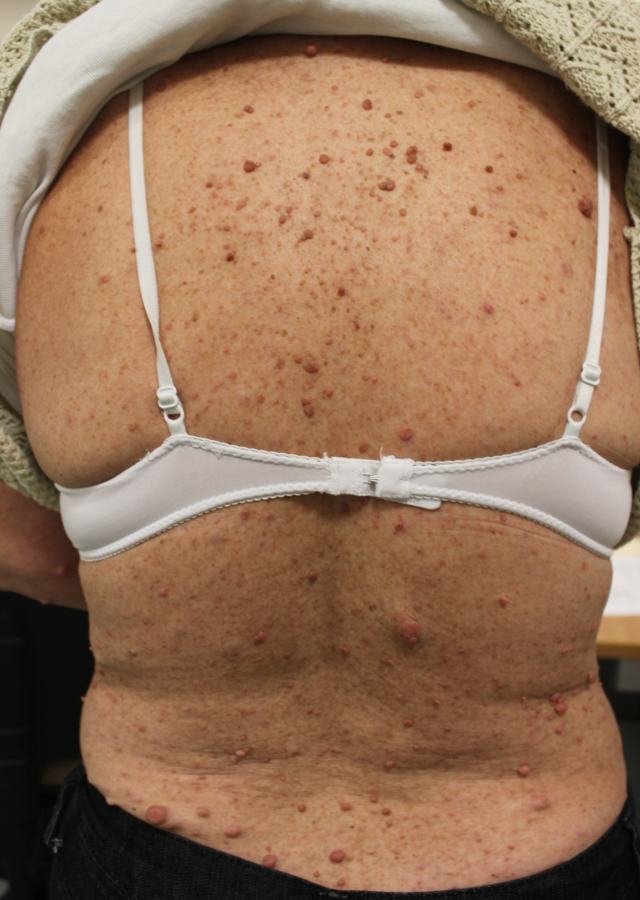
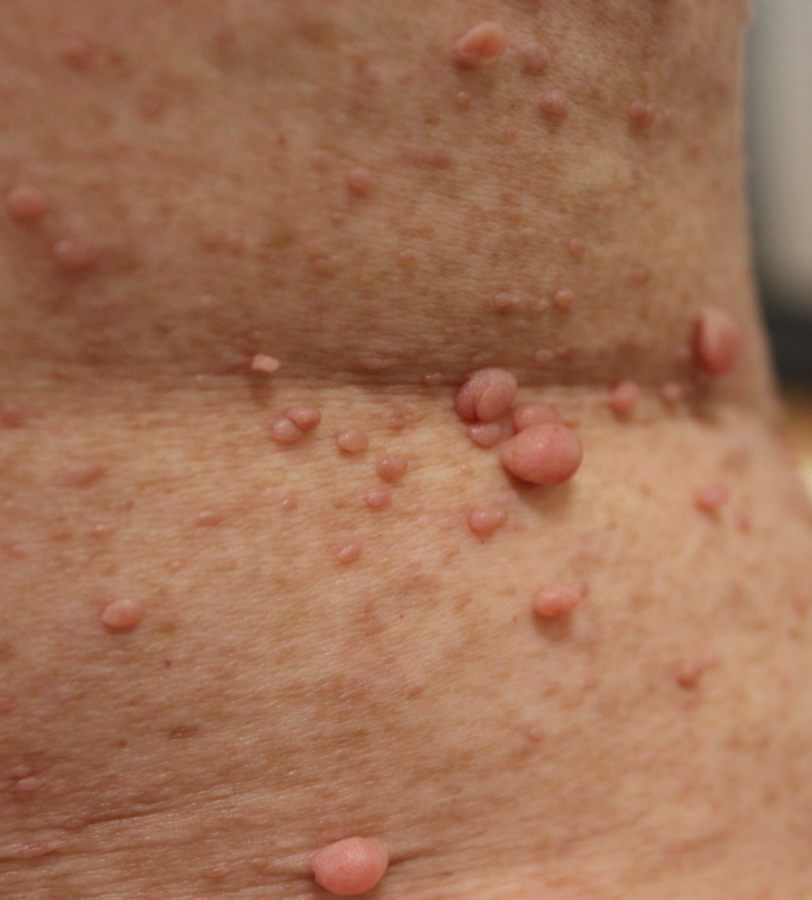
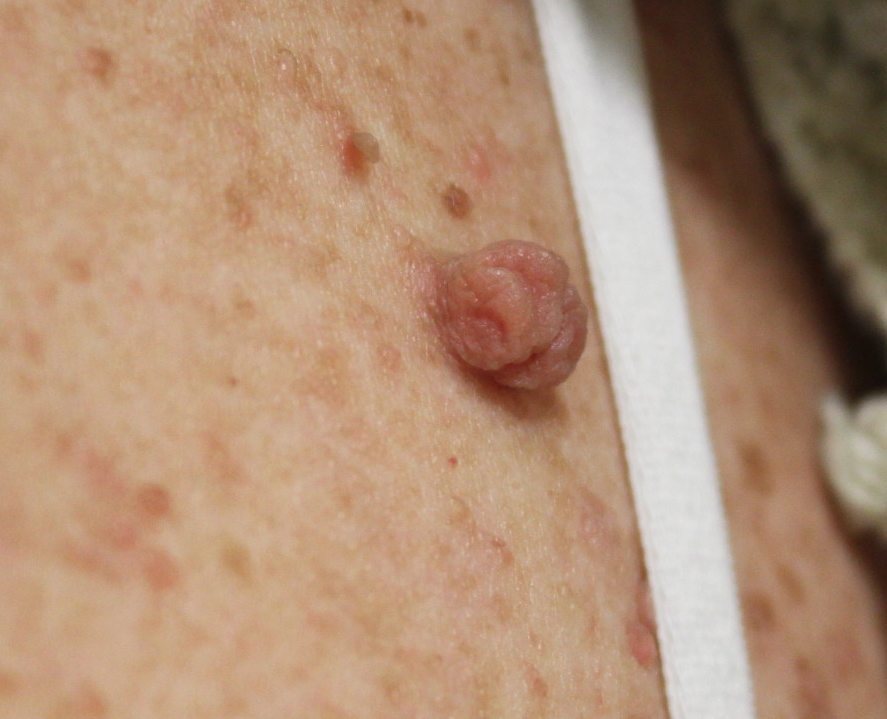
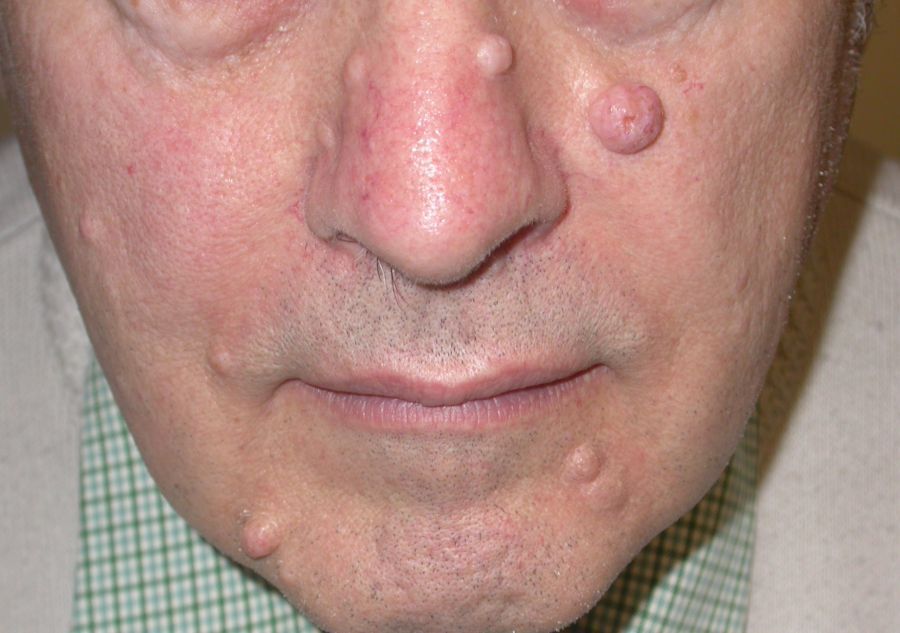
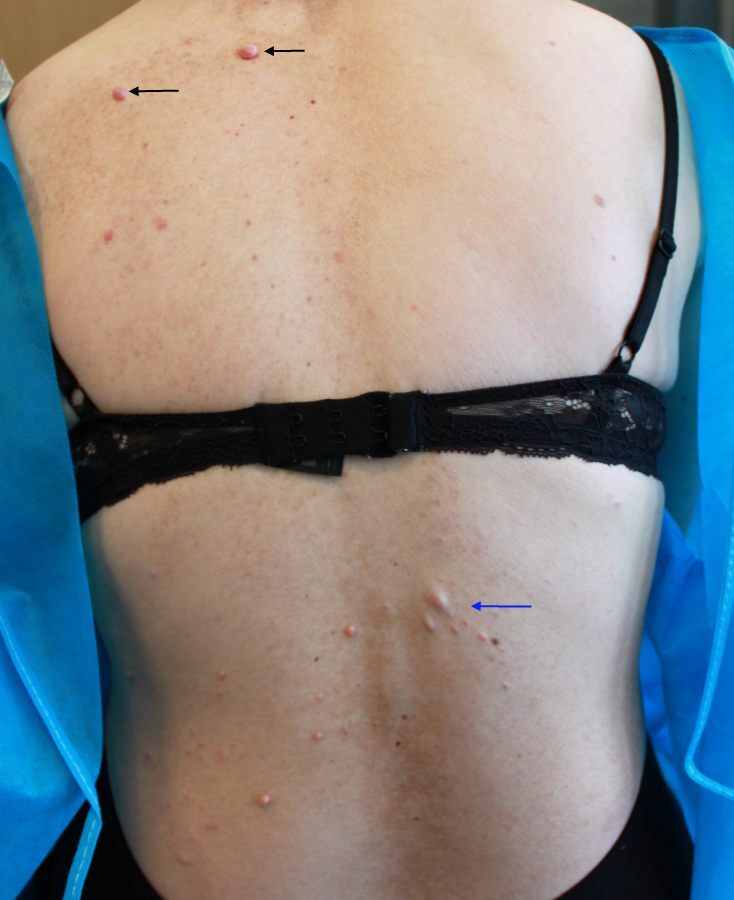
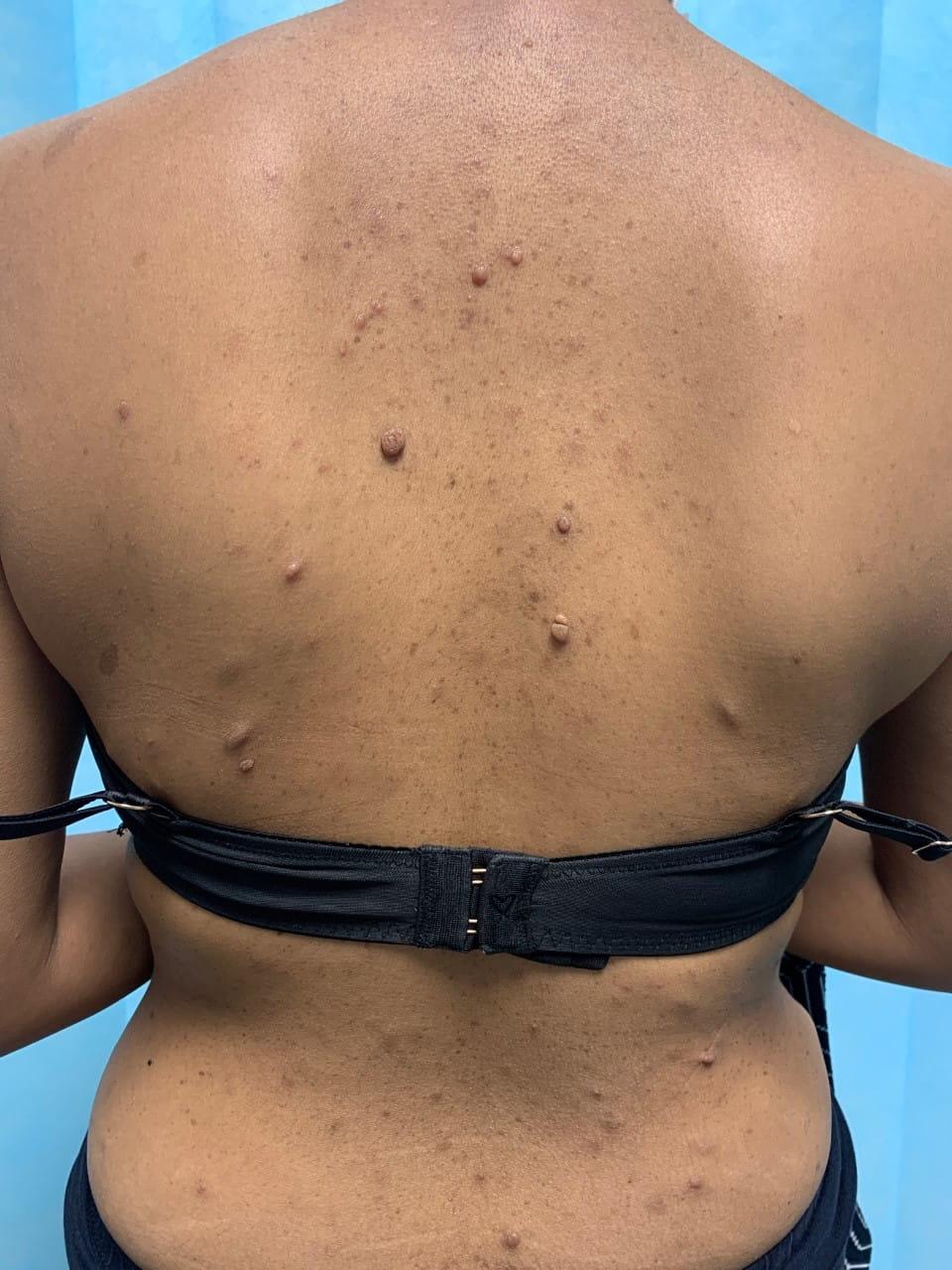
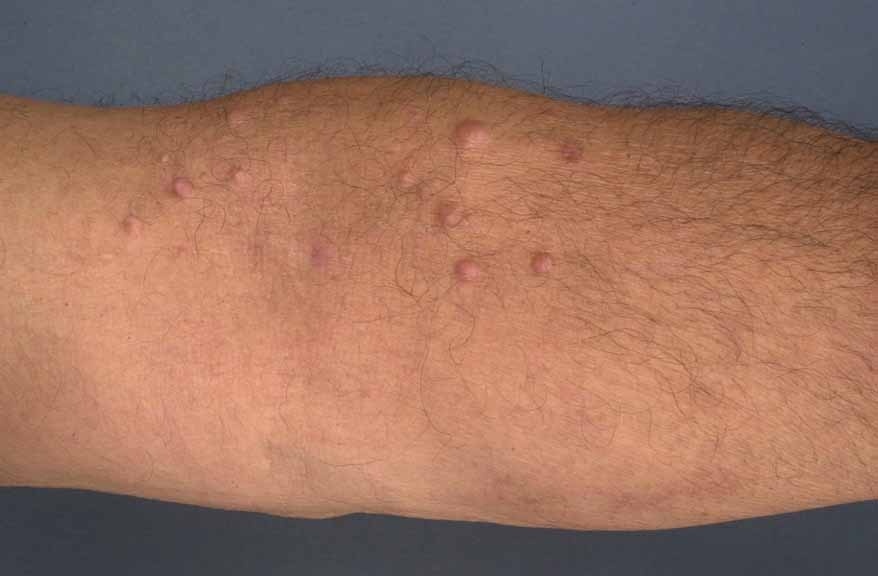
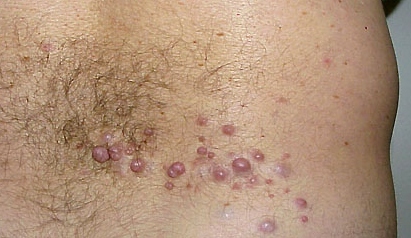
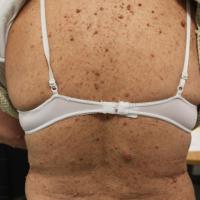
Cutaneous neurofibromas
-
Develop in childhood and increase in numbers at puberty
-
Large numbers can be present
-
Distribution - most common on the trunk and limbs
-
Morphology
-
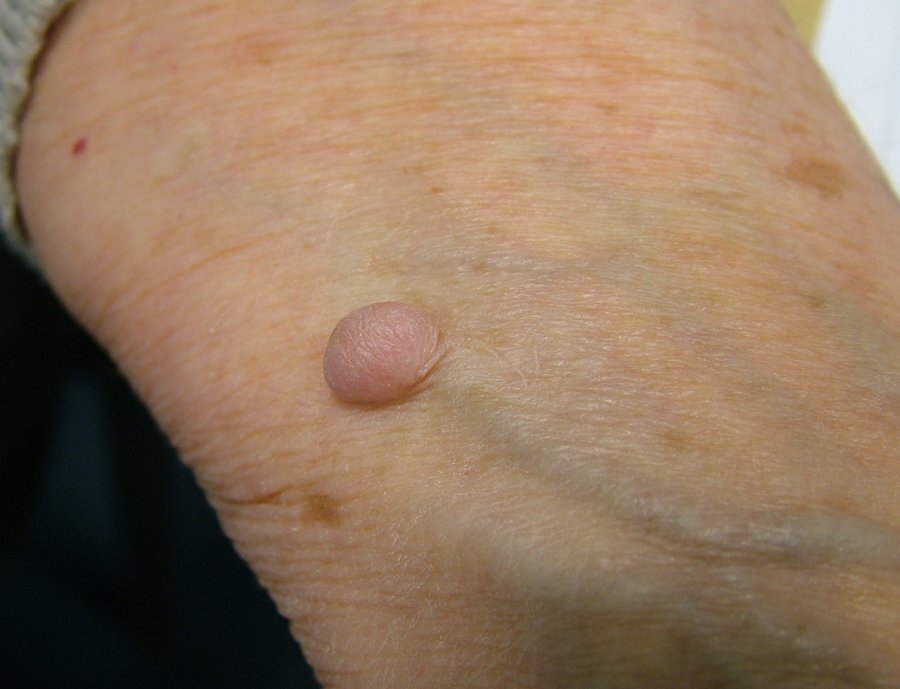
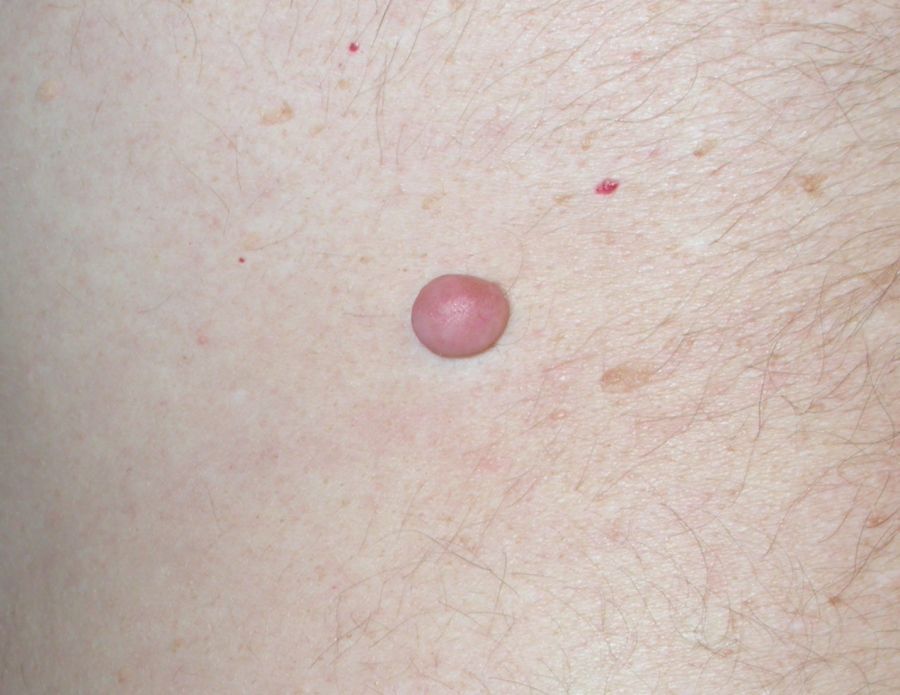
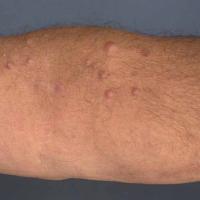
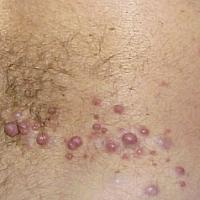
Size - a few mm to several cm
-
Colour - pink to skin coloured
-
Shape - generally dome-shaped but can be pedunculated
-
Soft to palpate
-
Subcutaneous neurofibromas sit deeper in the skin and are evident on skin palpation
-
Solitary neurofibromas can arise in the absence of NF1
-
Segmental neurofibromatosis refers to the presence of café-au-lait patches and cutaneous neurofibromas limited to a circumscribed body segment. These are usually isolated findings without systemic involvement. The chances of offspring having NF1 are small
-
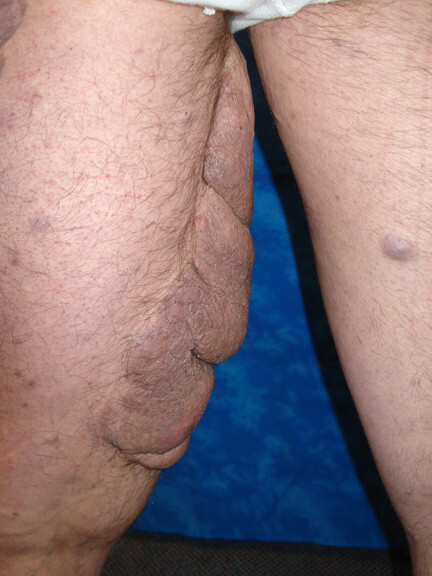
Plexiform neurofibromas
-
Usually noted in the first two years of life
-
Grow along the length of a nerve - most frequently involve the trigeminal or upper cervical nerves
-
May be nodular, and multiple discrete tumours may develop
-
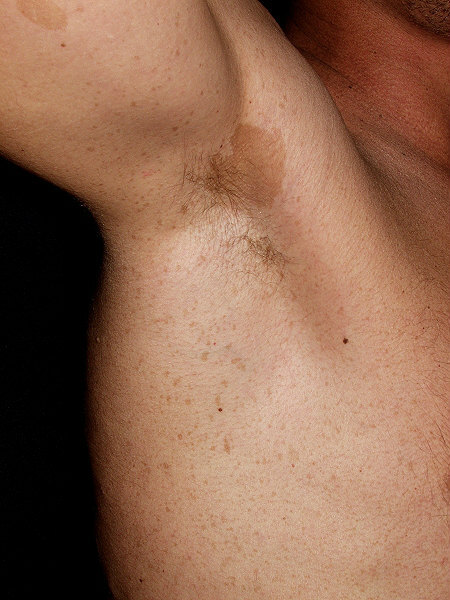
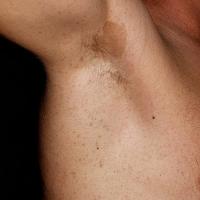
Axillary or groin freckling
-
Axillary freckling affects 70% of individuals and is virtually pathognomonic
-
It tends to arise a little later than the café-au-lait patches
-
Freckling can also affect the groin or other intertriginous areas
-
Lisch nodules
-
Affect 90% of patients
-
Are domed-shaped lesions found superficially around the iris on slit-lamp examination
The McCune-Albright syndrome
-
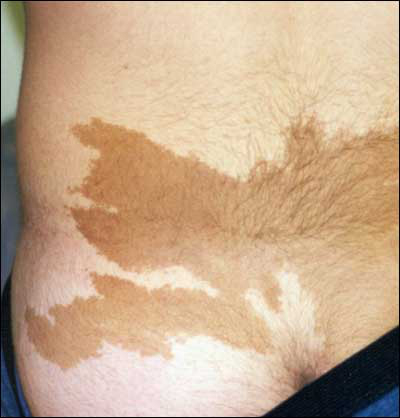
Is unrelated to NF1 but often presents with skin pigmentation developing under the age of two years. Although the same colour as cafe-au-lait patches, lesions are more extensive, are often asymmetrical and have an irregular or serrated margin
-
Other features include skeletal abnormalities and in girls precocious puberty
Clinical Images
Please refer to notes on image rights at bottom of the page with regards to individual image
ownership.

1

2

3

4
5
6

7

8

9
10

11

12

13

14

15

16
17
18

19

20

21
Management
Referral
Patients with suspected or possible NF1 should be referred, preferably to an individual who specialises in the management of NF patients, or if not available to a local dermatology or genetics department (check local pathways). The outcomes of such a referral should include:
-
Confirmation (or not) of the diagnosis
-
Counselling related to the possible complications associated with NF1
-
Management of any skin problems eg patients may wish to have one or more of their neurofibromas excised if troublesome (the excision of subcutaneous lesions can result in neurological deficit). For larger numbers of lesions the use of ablative laser (CO2) can be very beneficial
-
Counseling with regards to other family members
Complications
Malignant (sarcomatous) change in neurofibromas
- Do not occur in cutaneous lesions and rarely in subcutaneous lesions. In plexiform lesions there is a 10% lifetime risk of malignant change, which is most common in the second or third decades
- Patients should be referred urgently if they report persistent pain for more than one month, change in texture from soft to hard, a rapid increase in size or a new neurological deficit
Cardiovascular
- There is an increased incidence of congenital heart disease, hypertension, renal artery stenosis and phaeochromocytoma
- Management of blood pressure - patients should have an annual BP check. Hypertension should be investigated and managed as in the general population
Eyes
- Visual problems include glaucoma, proptosis, plexiform neurofibroma involving the eyelid orbit and optic pathway gliomas
- Optic pathway gliomas are pilocytic astrocytomas that mainly occur under the age of seven years. They are often indolent and may be picked up as field or colour defects during an eye assessment
- Management - it is recommended that an eye assessment is performed annually for children and every two years in adults
Neurological manifestations
- Occur in up to 40% of patients with NF1
- Complications include CVD, malformations, tumours (cerebral and optic pathway gliomas, medulloblastomas), epilepsy, pressure from plexiform lesions, neurofibromatous neuropathy (mild symmetrical distal tingling / weakness)
- Up to 30% of patients exhibit learning difficulties
- Management - patient must be referred urgently if they have sensory / motor deficit, incoordination, sphincter problems or symptoms suggestive of raised intra-cranial pressure
Malignancy
- As well as the tumours referred to above there is an increased risk of rhabdomyosarcoma (especially pelvic) and leukaemia
Orthopaedic
- Bowing of long bones in infancy
- Kyphoscoliosis affects 2% of cases and may be idiopathic, dystrophic or secondary to plexiform neurofibromas
Psychological
- There is an increased incidence of anxiety and depression
Pregnancy and pre-conceptual management
-
Prenatal testing is available but the severity of the condition cannot be predicted within families
-
If on anticonvulsants patients should take 5 mg folic acid per day before pregnancy
-
During pregnancy neurofibromas may increase in size and number
-
Ensure that pelvic floor neurofibroma do not impede delivery
-
Infants require assessment at birth. If no features are present by the age of two years then NF1 is unlikely but one final review at five years of age is advised
Other resources
Disclaimer - the author PCDS cannot accept responsibility for any misleading or incorrect statements, and the management of individual patients remains the direct responsibility of the individual doctor. We do however hope that visitors to this site can contact us regarding comments that are considered misleading or incorrect so that we can continue to improve the site.
Image Rights - The PCDS would like to thank Dermatoweb, DermQuest (Galderma), and others who have contributed images. All named individuals and organisations maintain copyright for the relevant images.