Psoriasis: nail psoriasis

LAST UPDATED: May 12, 2022
Introduction

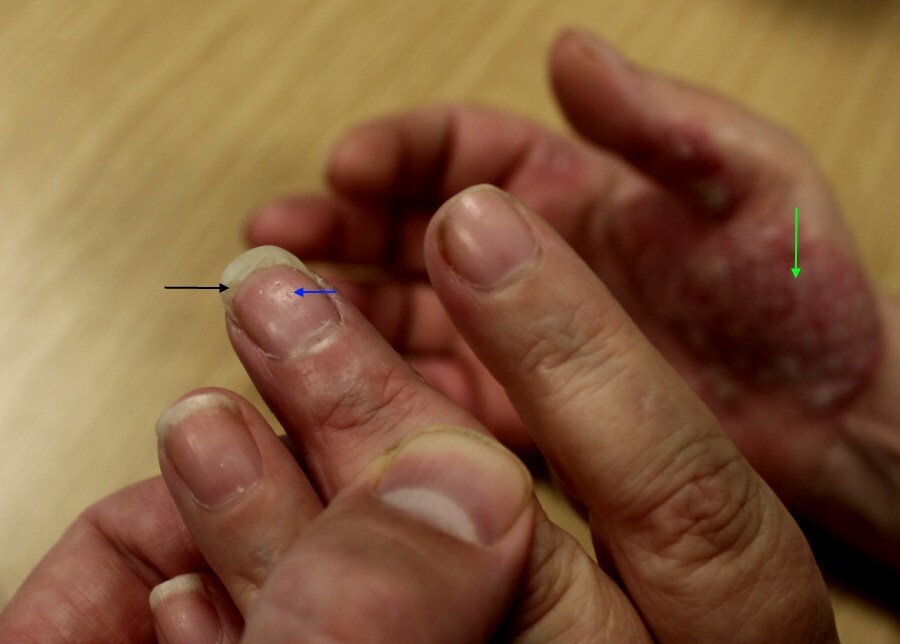
Psoriatic nail dystrophy mainly occurs in patients who also suffer from psoriasis of the skin. Less than 5% of patients have solely psoriasis of the nails. It commonly affects patients with psoriatic arthritis.

This chapter is set out as follows:


Clinical findings

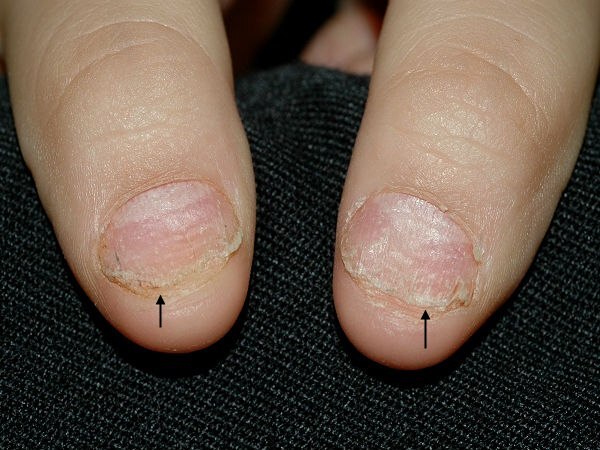
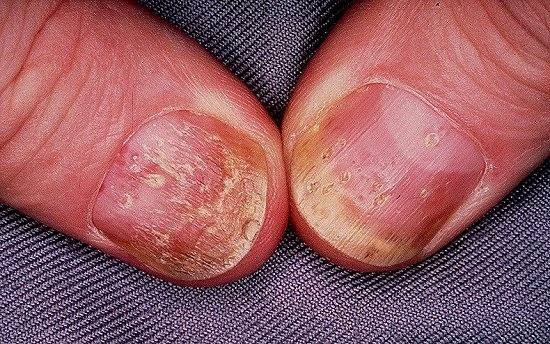
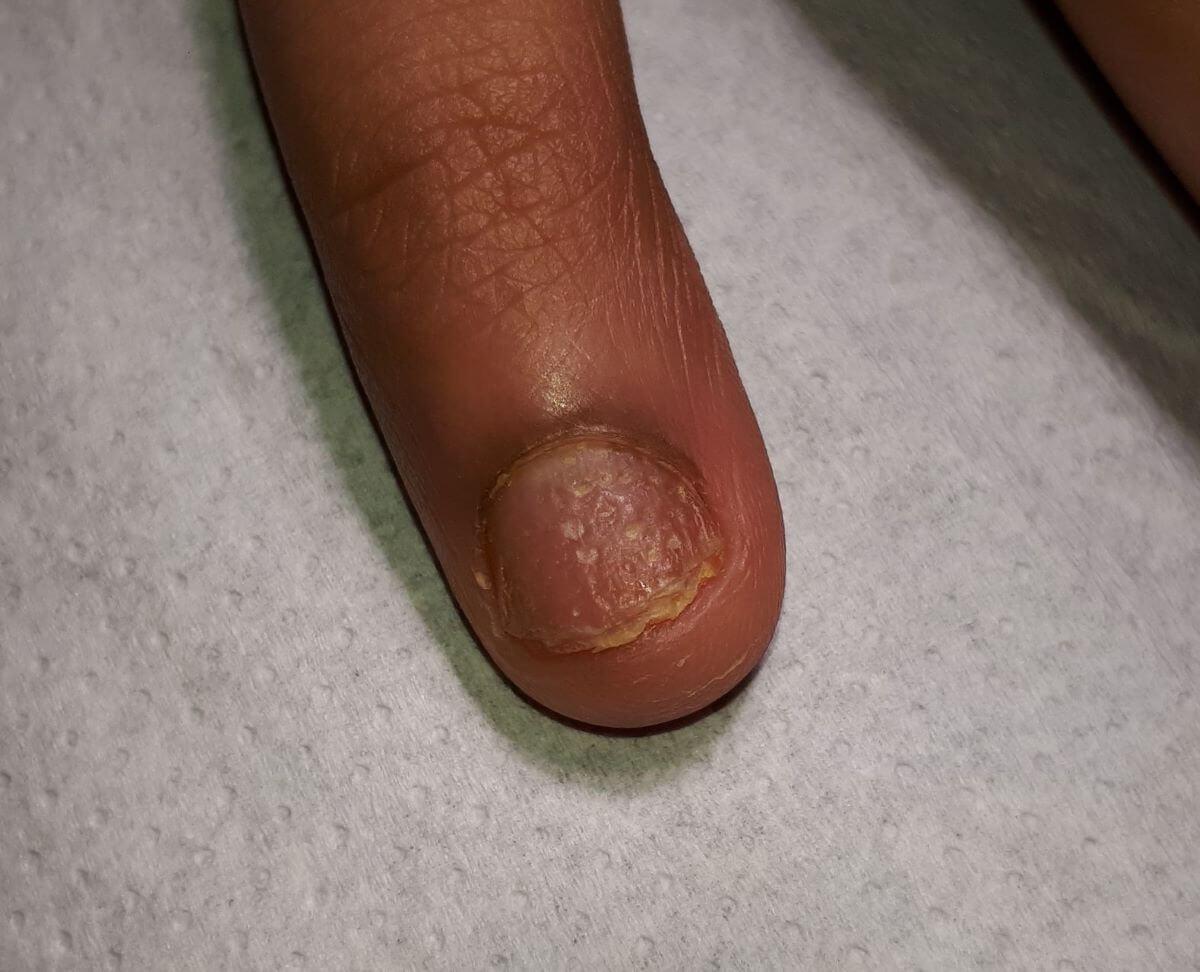
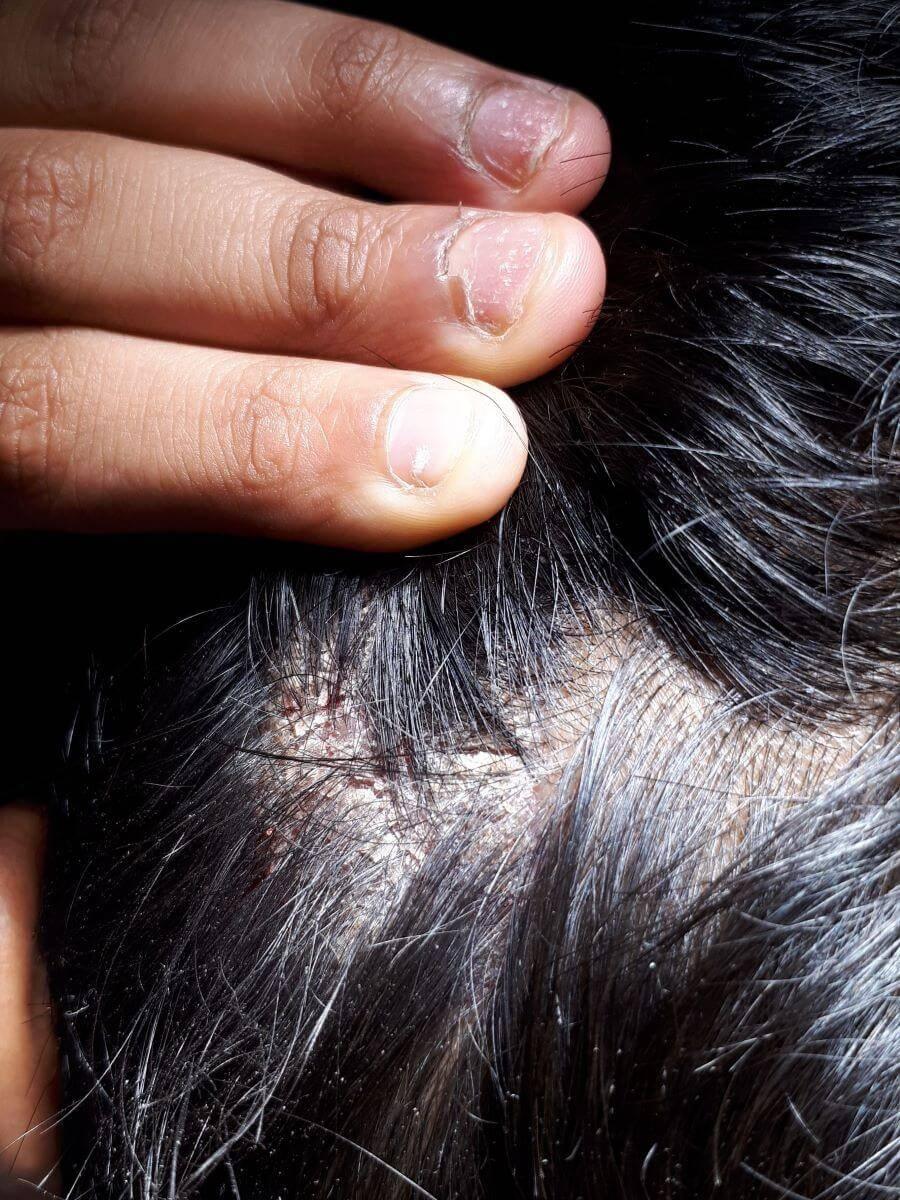
  • Pitting
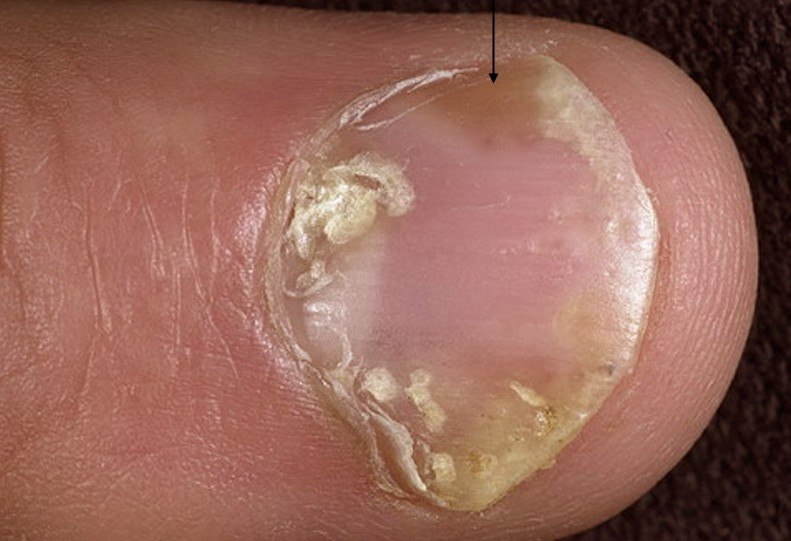
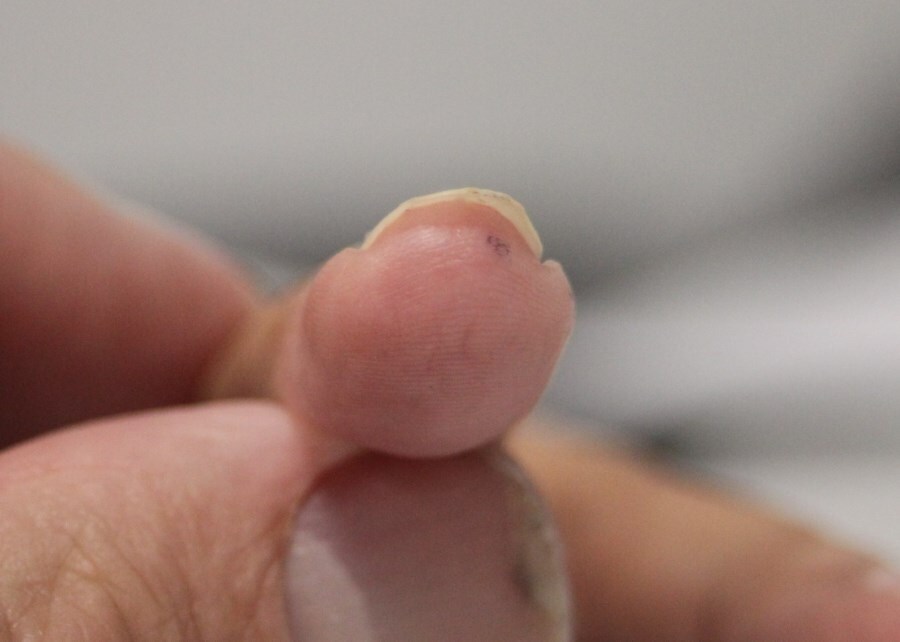
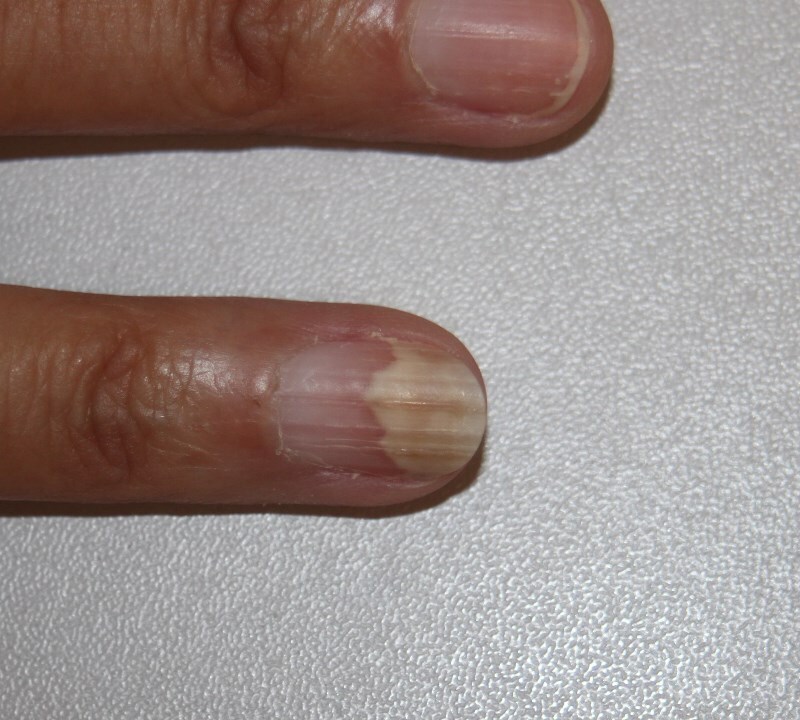
  • Onycholysis - a yellow / white discoloration where the distal nail plate has separated from the nail bed 
  • Subungual hyperkeratosis - thickening of the nail bed
  • Oil drop or salmon patch - translucent yellow-red discolouration in the nail bed, resembles a drop of oil under nail plate

Clinical Images

Please refer to notes on image rights at bottom of the page with regards to individual image ownership.
Management

  • If there is any diagnostic uncertainty samples must be sent for mycology to rule out tinea. It is important to not only include nail clippings but also scrapings from the undersurface of the nail plate, otherwise many cases of tinea will be missed. It must be remembered that psoriasis and tinea of the nails can co-exist
  • Treatment of nails is difficult and results are often disappointing. Patients should be encouraged to keep their nails short. The use of nail varnish will not cause harm and can help disguise nail changes
  • For troublesome cases the following can be discussed with the patient:
    • Distal nail involvement - advise the patient to cut the nail back as far as possible then apply a potent topical steroid, possibly combined with a vitamin D analogue, once a day for a trial period of three months
    • More substantial involvement (including proximal nail) - consider referral to dermatology for a trial of triamcinolone injections via Dermojet ®. Systemic agents such as methotrexate are occasionally used but benefit is not guaranteed, and the risk to benefit ratio means that such treatments are not often justified unless the nail changes are severe or the patient also has moderate-severe psoriasis of the skin

Disclaimer - the author PCDS cannot accept responsibility for any misleading or incorrect statements, and the management of individual patients remains the direct responsibility of the individual doctor. We do however hope that visitors to this site can contact us regarding comments that are considered misleading or incorrect so that we can continue to improve the site.

Image Rights - The PCDS would like to thank Dermatoweb, DermQuest (Galderma), and others who have contributed images. All named individuals and organisations maintain copyright for the relevant images.

Quick Links

The following pharmaceutical companies have had no involvement in the content of this website or in our conference programmes


Almirall
Galderma
Glenmark
Johnson & Johnson
La Roche-Posay
LEO Pharma
Pierre Fabre
Schuco