Syphilis
LAST UPDATED: Jun 01, 2023
Introduction
Syphilis is a sexually transmitted infection caused by the spirochete Treponema pallidum. The systemic nature of syphilis, in which there are florid clinical manifestations interspersed with periods of asymptomatic latency, is also characterised by transmission to offspring, and chronic late disease in 25% of those untreated.
This chapter is set out as follows:
Aetiology
-
The incidence of syphilis is increasing, and is greatest in developing countries
-
It is primarily spread through sexual contact but can be spread by exposure to blood products and transferred in utero
-
The incidence is higher in men
-
The peak age of presentation is between the age of 15 and 40 years
History
-
The incubation period after contact with an infected individual is upto 90 days, with a peak at around 21 days
Clinical findings
Untreated syphilis can progress through four stages: primary, secondary, latent, and tertiary.
Primary syphilis
-
Distribution
-
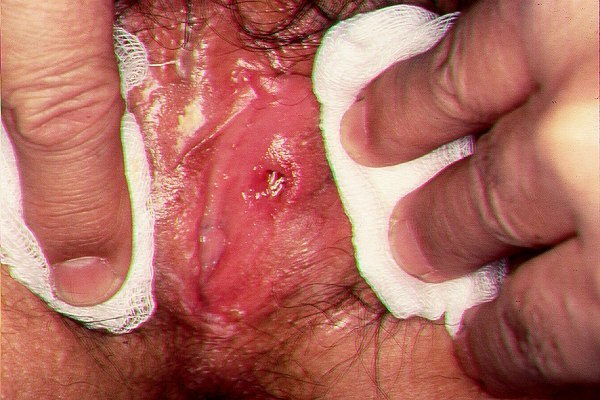
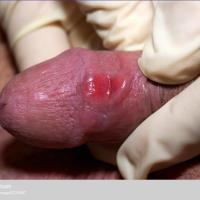
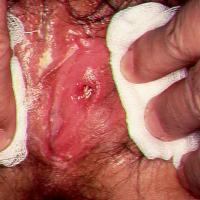
Mainly the glans penis, vulva or cervix. 10% of syphilitic lesions are found on the anus and other extragenital sites
-
Morphology
-
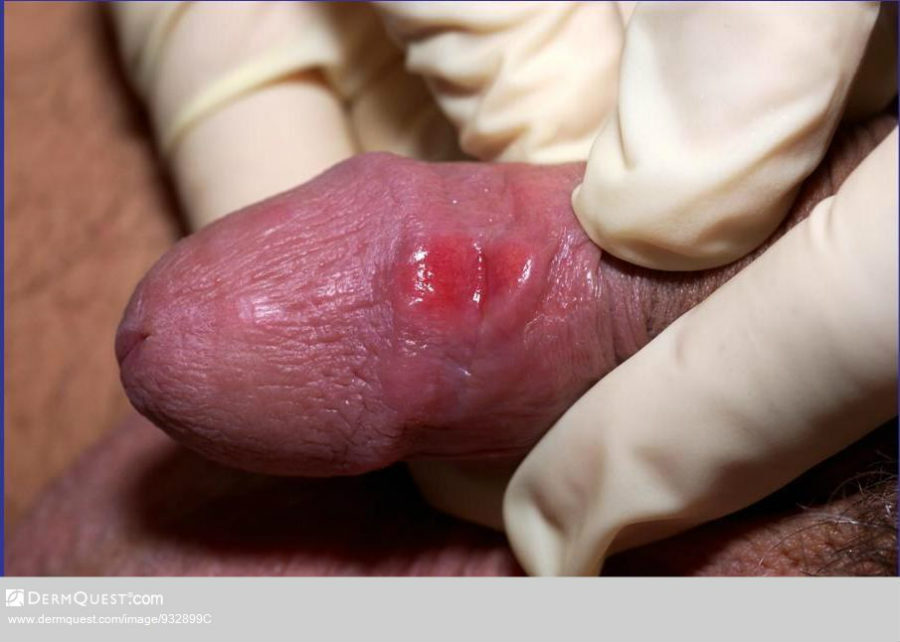
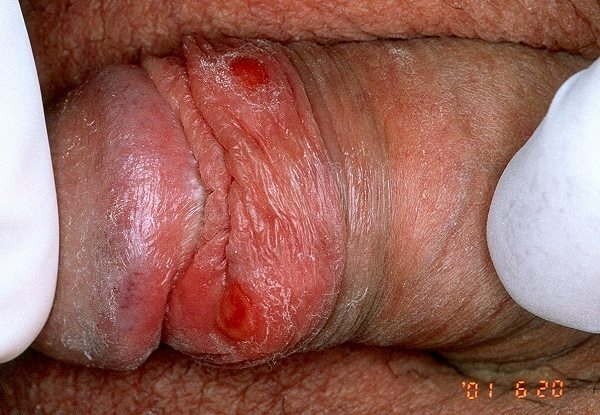
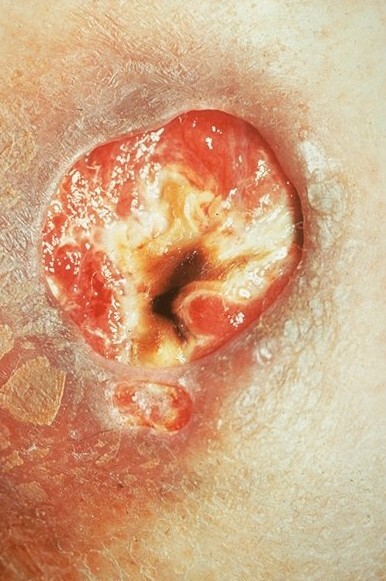
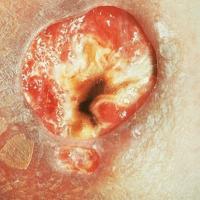
The primary chancre is a solitary, small (up to 1cm), firm, red, painless papule. The lesion quickly develops into an indurated ulcer, ie an ulcerative crater within the papule, with slightly elevated edges around the central ulcer
-
Regional non-tender lymphadenopathy develops
-
The chancre generally heals within 4-8 weeks with or without treatment
-
Primary syphilis may go unnoticed if present around the cervix or inside the anus
Secondary syphilis
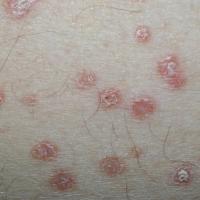
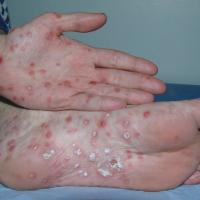
Secondary syphilis is the stage where the untreated infection manifests on the skin and mucous membranes. It usually presents within three months of the primary chancre. The cutaneous features are as follows:
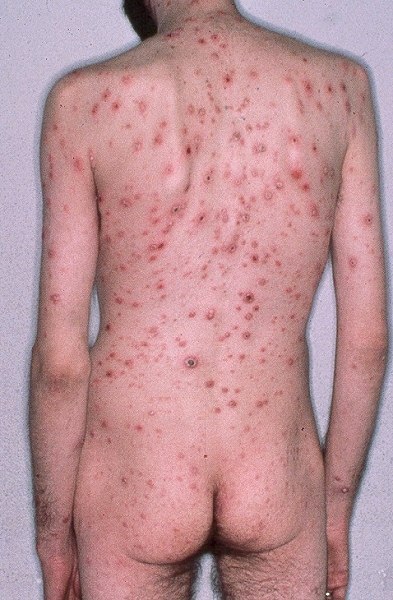
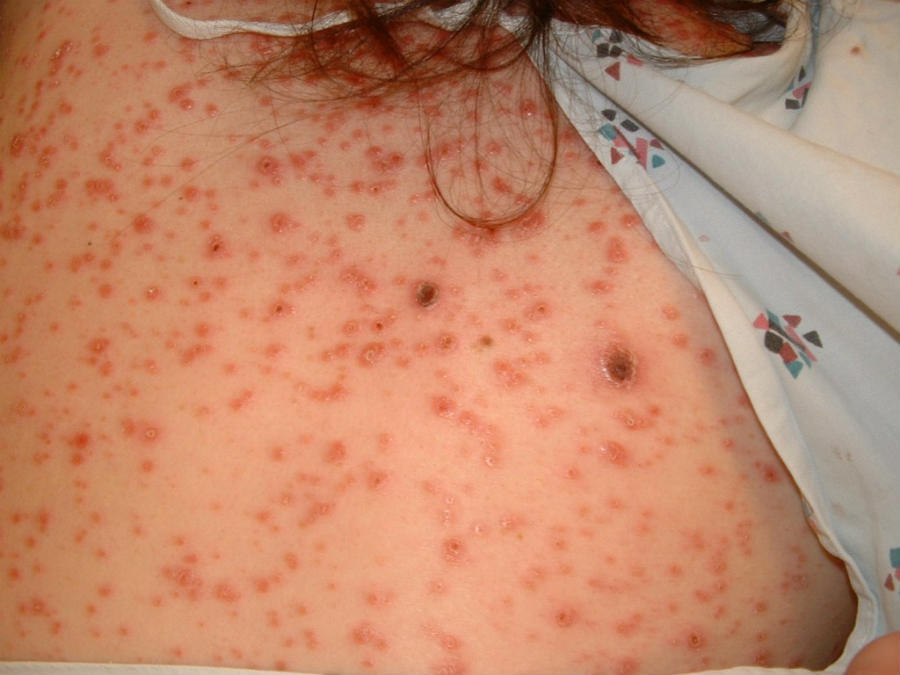
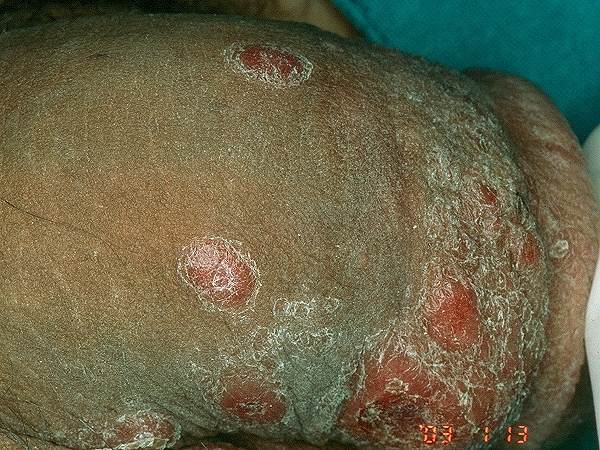
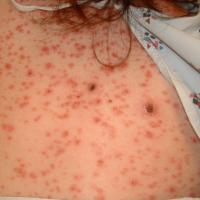
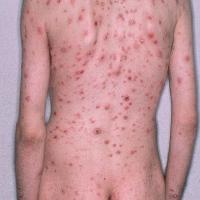
- Syphilitic rashes have three common features - they do not itch, lesions are distributed symmetrically, and are coppery red
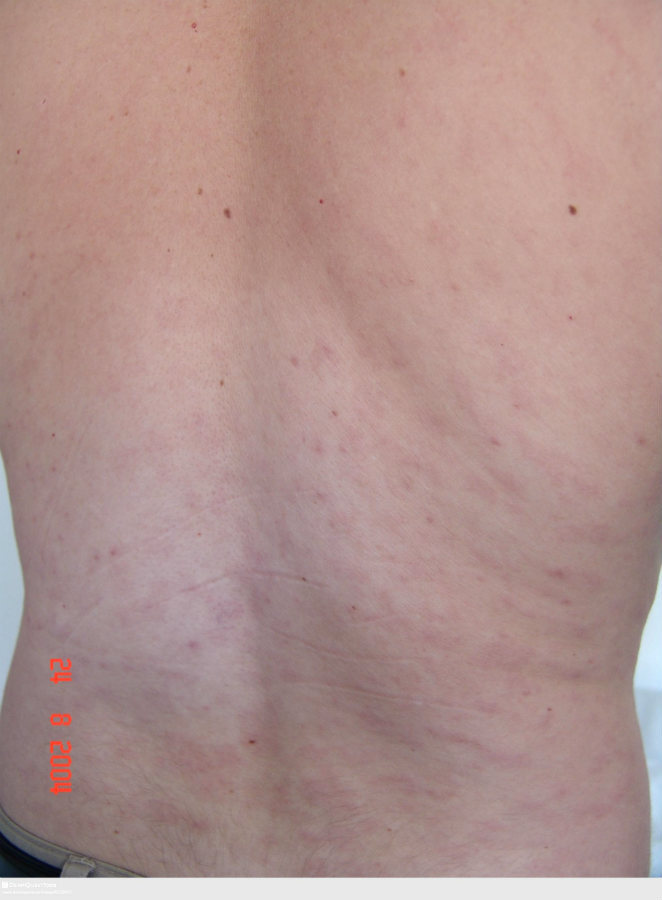
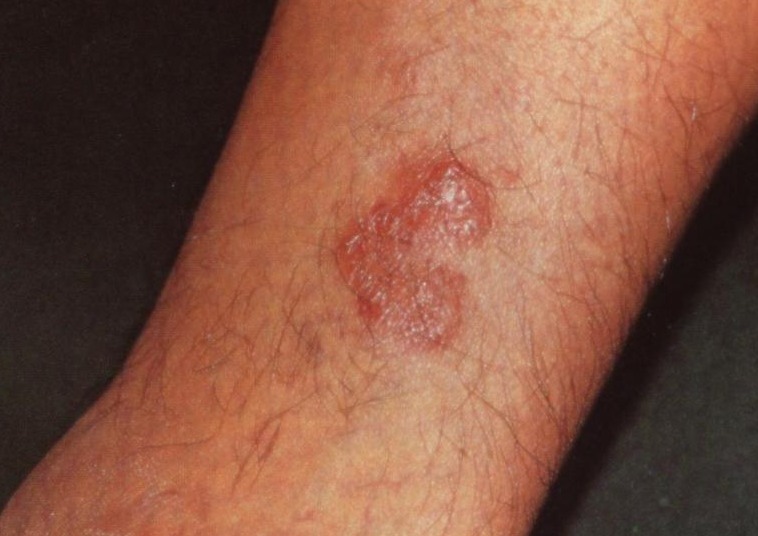
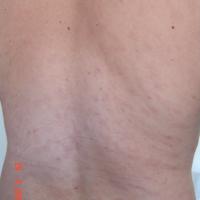
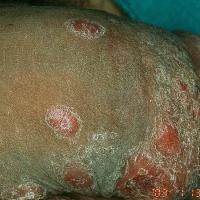
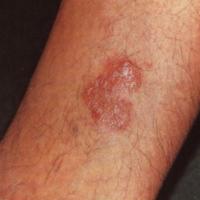
- Lesions are initially macular and can be very subtle in 25% of patients. The rash consists of rounded-oval macules, which can be widely distributed. On the back the lesions follow the lines of cleavage
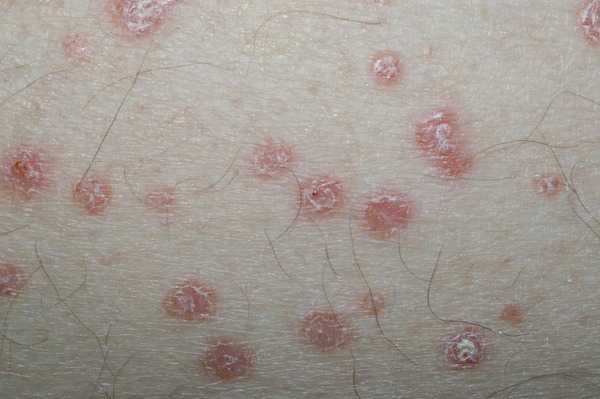
- Over time the lesions become papular, and for a short time they may scale
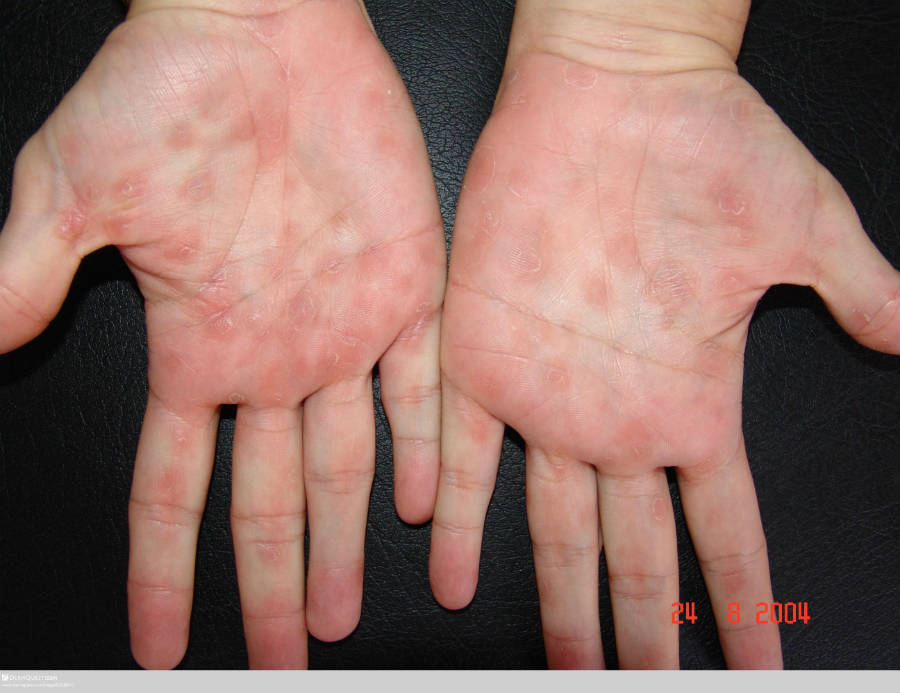
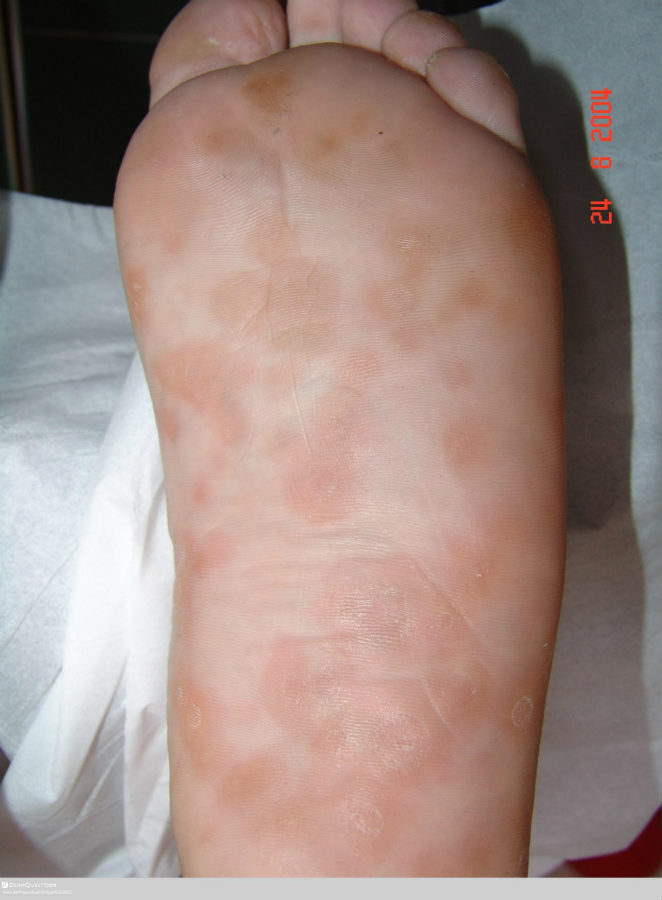
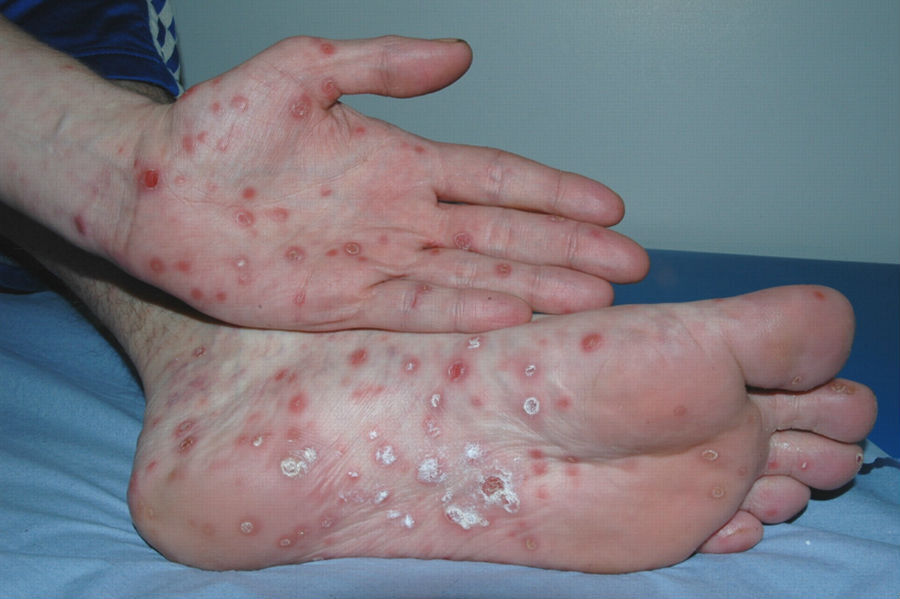
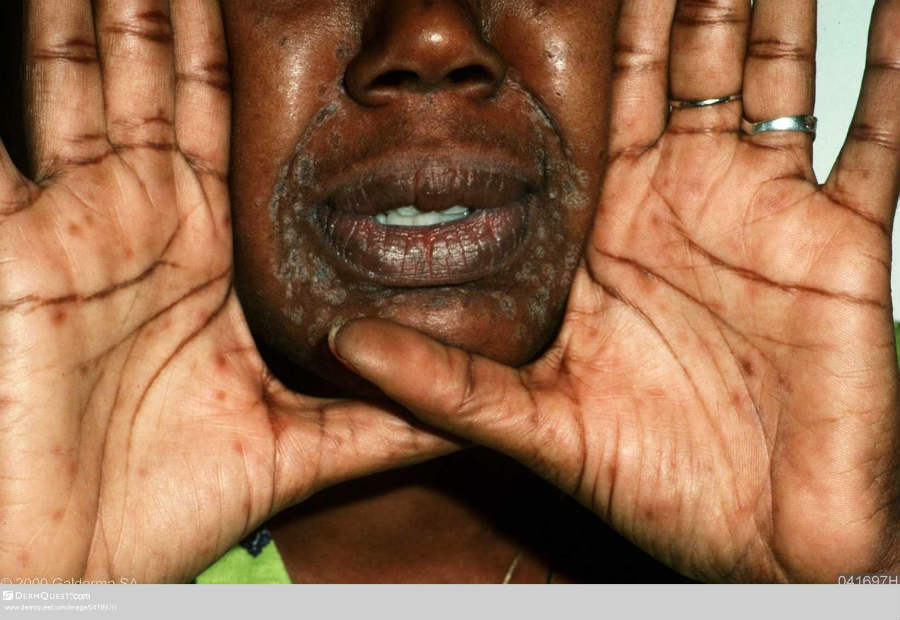
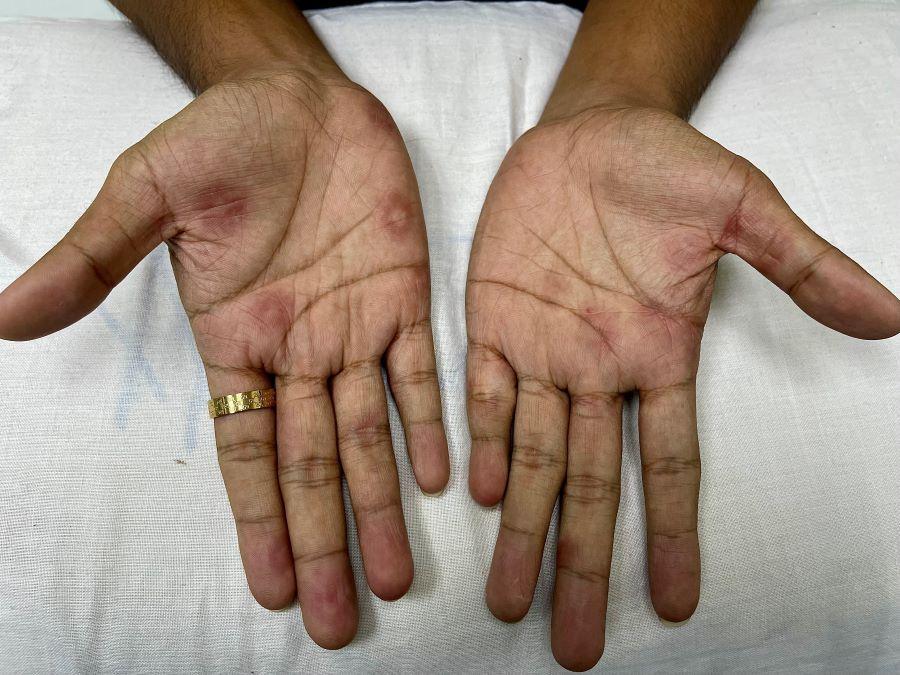
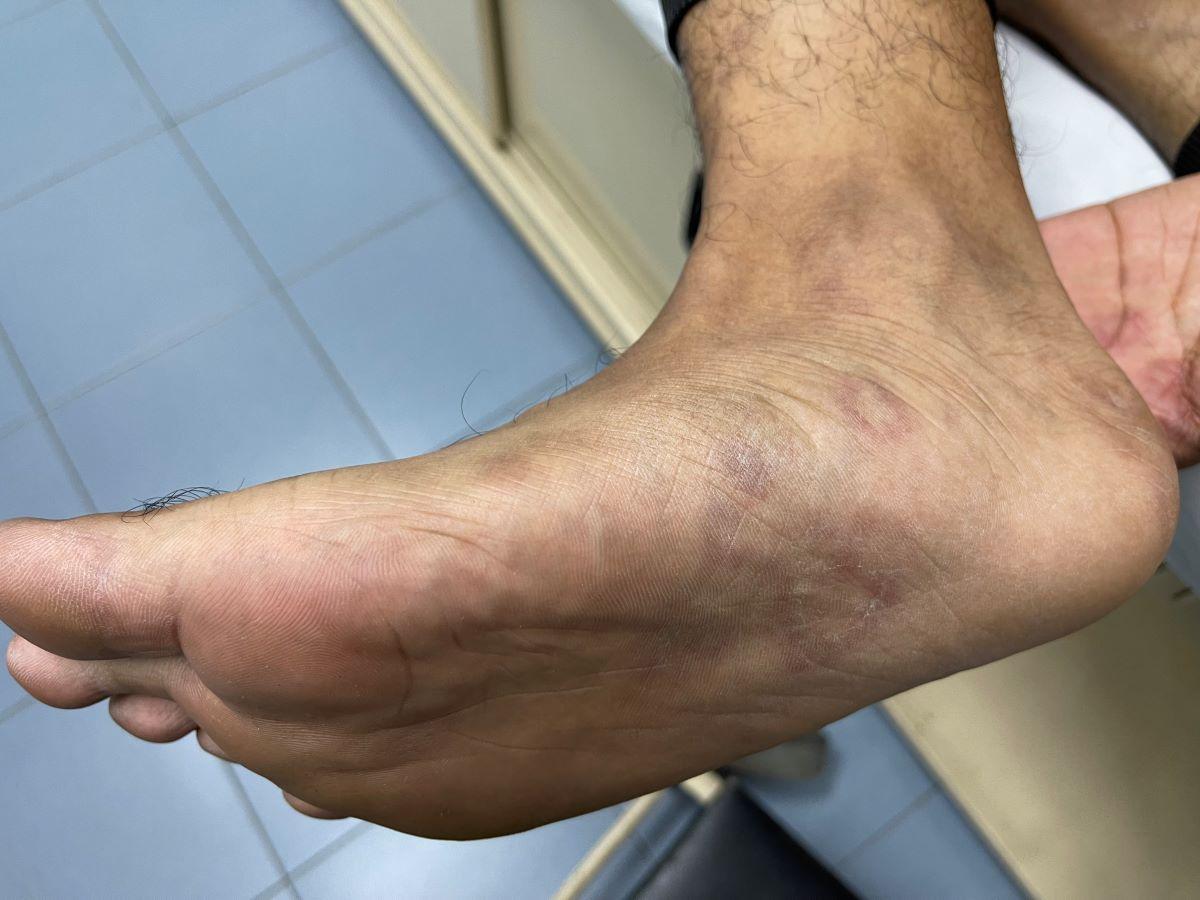
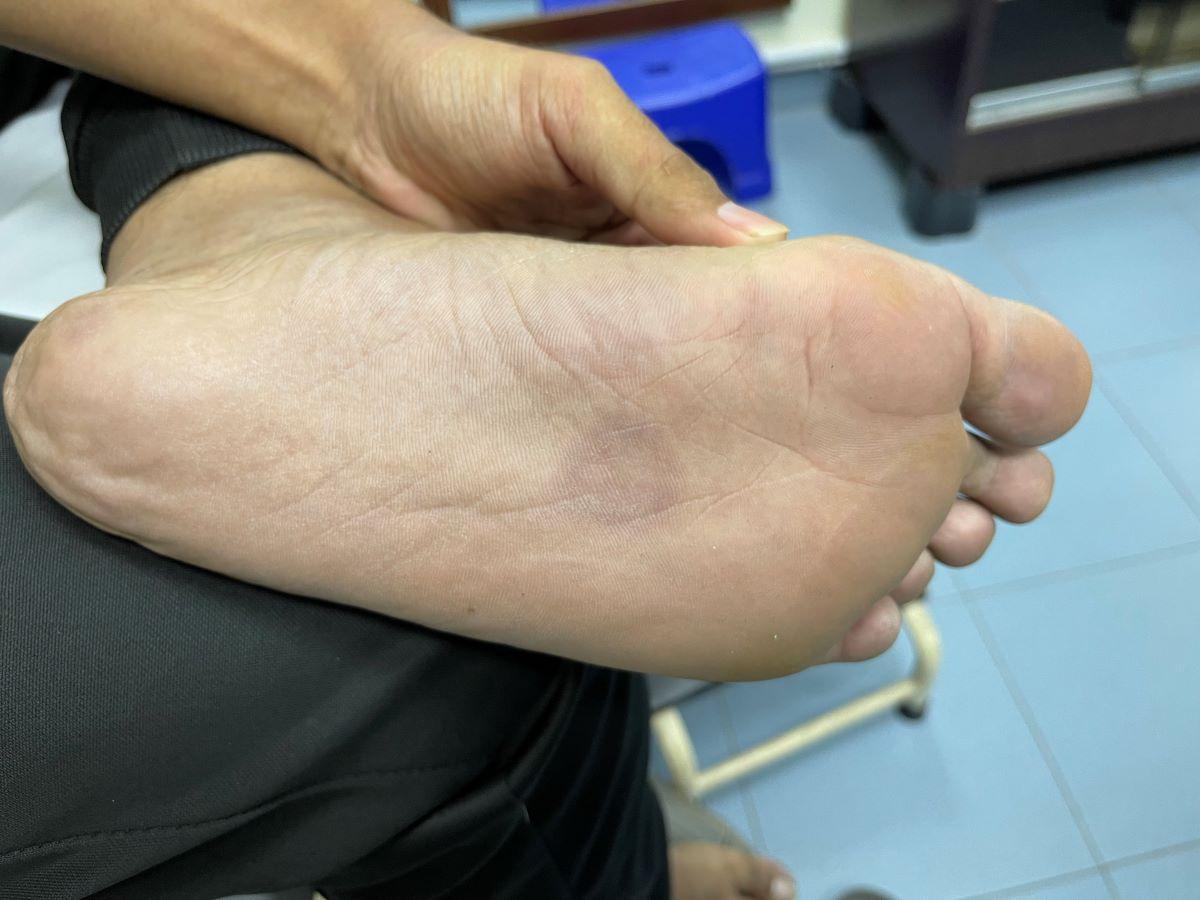
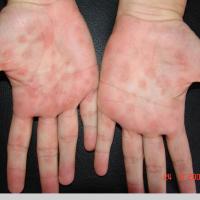
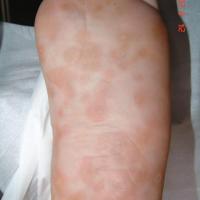
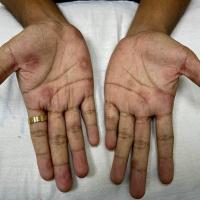
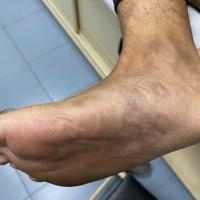
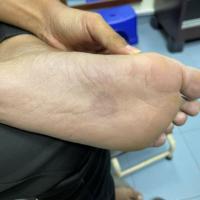
- Involvement of the palms and soles is very common
- Condyloma lata - these are reddish-brown or purple, moist, flat-topped papules that arise in mucocutaneous areas, especially the anogenital region. Similar lesions can be found on other frictional surfaces such as the groin, inner thighs, axilla, and the under-breasts
Other clinical features can include:
-
Systemic upset with fever, headache, arthralgia, and lymphadenopathy
-
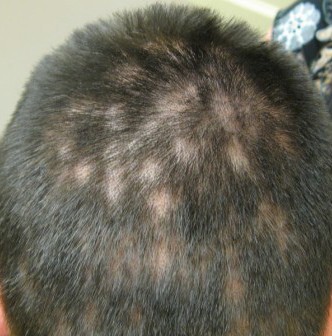
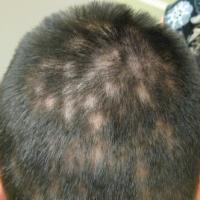
Patchy alopecia, sometimes referred to as 'moth-eaten'. Generalised alopecia may also occur
-
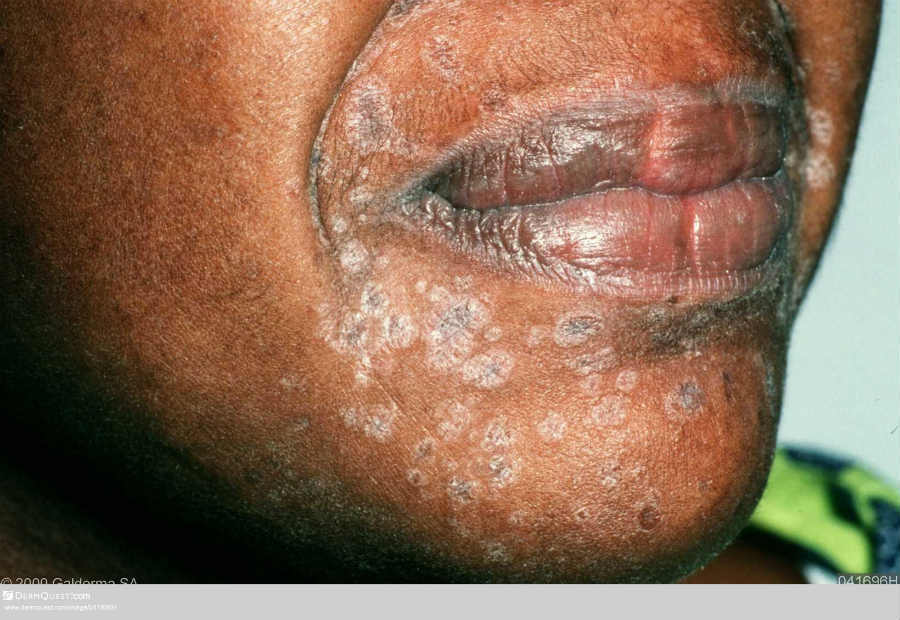
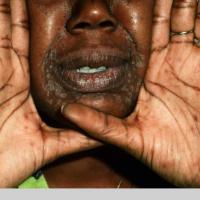
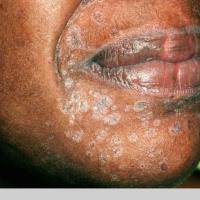
Mucosal changes - white-grey patches, and less commonly ulceration
-
Occasionally other organs such as the liver, kidneys, CNS, joints and eyes are affected
Latent syphilis
-
In latent syphilis there are no clinical signs of active infection, however, it remains detectable by serological tests
-
This period can last for up to 20 years before the destructive lesions of tertiary syphilis manifest
-
In early latency, within two years of infection, vertical transmission may still occur, but in the absence of mucocutaneous lesions, sexual transmission is unlikely
Tertiary syphilis
Affects approximately 25% of untreated patients. It is slowly progressive and may affect any organ. The cutaneous features are as follows:
- A solitary granulomatous plaque or nodule, known as a gumma, is the characteristic lesion of tertiary syphilis, and may be found on the skin, in the mouth and throat or occur in bones. Cutaneous gumma's tend to start deep in the skin, expand, and often ulcerate
- Nodular or tubercular - these lesions are grouped, protruding, firm, coppery red nodules. There is central healing as the lesions spread out peripherally
Other clinical features can include:
-
CNS involvement (neurosyphilis) may occur, with presenting symptoms representative of the affected area of the brain or spinal cord
-
Other internal organs such as the cardiovascular system, liver and eyes can be affected
Congenital syphilis
-
Congenital syphilis can be prevented by treatment prior to 16 weeks gestation
-
Foetal infection can cause miscarriage, stillbirth and neonatal death
-
Early congenital syphilis occurs within the first two years of life. Late congenital syphilis presents after the age of two years
-
Early congenital syphilis - often presents with a nasal discharge. The rash, and other cutaneous / mucosal features resemble that of secondary syphilis in adults, although bullous lesions are more common
-
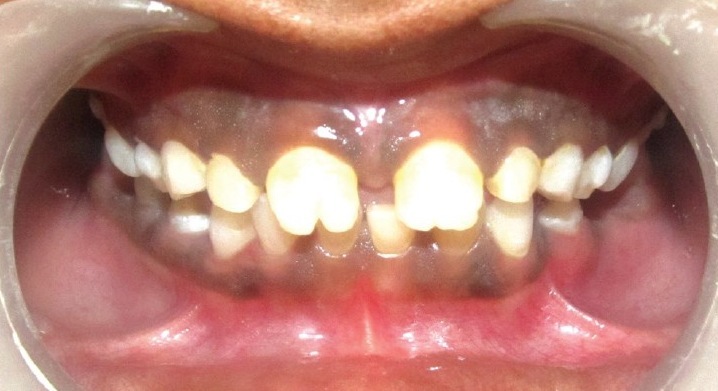
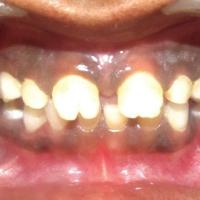
Late congenital syphilis - characteristic signs include Hutchinson's teeth (the incisors are peg-shaped, and notched at the border), a typical facial appearance, and interstitial keratitis
Clinical Images
Please refer to notes on image rights at bottom of the page with regards to individual image
ownership.
1

2
3
4
5
6
7
8
9
10
11
12
13
14
15
16
17
18
19
20
Investigations
-
Dark-field microscopy, which can be used to identify lesions of primary (and secondary) syphilis, is essential in evaluating moist cutaneous lesions, such as the chancre of primary syphilis
-
Serologic testing is considered the standard method of detection for all stages of syphilis, although it may take up to four weeks to become positive after the chancre appears
-
Serological tests include the treponemal EIA used as a single test, or VDRL / RPR which can be combined with the TPHA test. Please check with local guidelines
-
Tests can occasionally be false positive, including in cases of viral pneumonia, glandular fever, active tuberculosis, connective tissue disorders, and in pregnancy, and drug abusers
Management
-
Patients with suspected syphilis are generally referred to sexual health / genitourinary medicine (GUM) clinics, where they will also be tested for other sexually transmitted infections
-
All sexual activity should be refrained from until all syphilis sores or lesions are completely healed
-
Parental penicillin is still the mainstay of treatment for all stages of syphilis. In cases of penicillin allergy, doxycycline, erythromycin and azithromycin can all be used
-
Treatment failure, especially in patients with HIV, can occur, so patients need clinical and serological testing for 1-2 years after treatment
Disclaimer - the author PCDS cannot accept responsibility for any misleading or incorrect statements, and the management of individual patients remains the direct responsibility of the individual doctor. We do however hope that visitors to this site can contact us regarding comments that are considered misleading or incorrect so that we can continue to improve the site.
Image Rights - The PCDS would like to thank Dermatoweb, DermQuest (Galderma), and others who have contributed images. All named individuals and organisations maintain copyright for the relevant images.