Viral exanthems
LAST UPDATED: Dec 14, 2021
Acknowledgements: I would like to thank Dr Liz Ogden who helped developed this chapter. Liz is an Associate Specialist in Dermatology at the Lister Hospital, Stevenage, Hertfordshire and also the driving force behind the PCDS educational programme
Introduction
An exanthem is a rash, usually of viral origin, accompanied by systemic symptoms such as fever, headache and malaise. Symptoms can be secondary to a reaction to toxin produced by the organism, damage to the skin by the organism or an immune response.
The causative viruses for chickenpox, measles, rubella, roseola, erythema infectiosum (fifth disease), hand foot and mouth disease and a number of other organisms cause distinctive patterns of rashes and prodromal symptoms. When there are no characteristic lesions and/or distinctive prodromal signs and symptoms, diagnosis of a specific cause may not be possible. Many exanthems are associated with common winter and summer viruses including respiratory and enteroviruses.
It becomes more important to make a definitive diagnosis if a pregnant woman or immunocompromised patient are exposed to an infected child, as risks to the foetus or patient may be considerable.
This chapter is set out as follows:
History
As an aid to diagnosis the following are useful tips:
-
Erythematous exanthems that tend to start on the face
-
Measles
-
Rubella
-
Erythema infectiosum
-
Erythematous exanthems that tend to start on the trunk
-
Roseola
-
Scarlet fever
-
Unilateral laterothoracic exanthem
-
Papulo-vesicular exanthems
-
Chickenpox (syn. varicella)
-
Gianotti-Crosti syndrome
-
Exanthems of the extremities
-
Hand, foot and mouth disease
- Covid-19
-
Papular-purpuric gloves and socks syndrome
Refer to the section on clinical findings for further information on these conditions.
Clinical findings
Erythematous exanthems that tend to start on the face
Measles (syn. rubeola)
-
Infective agent
-
Measles is a notifiable illness caused by the Paramyxovirus
-
Incubation period
-
7-18 days
-
It is spread by airborne or droplet transmission
-
History
-
Preceded by fever, cough and very red eyes
-
Older children may have photophobia
-
The child often looks ill
-
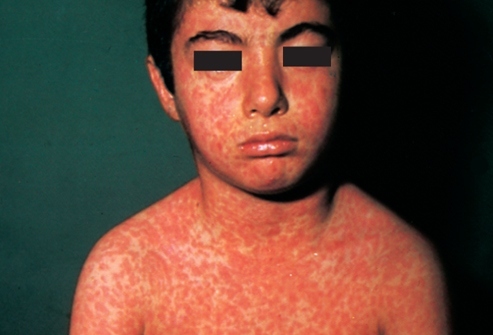
Morphology
-
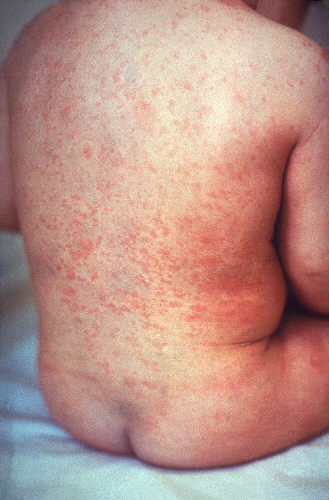
The rash is erythematous and maculopapular and lasts 4-7 days
-
Distribution
-
First the face, then chest and abdomen, then arms and legs
-
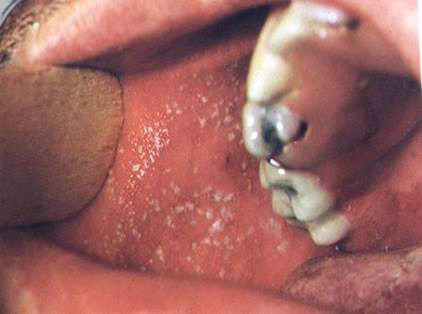
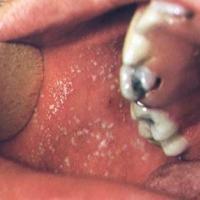
Koplik's spots (small red spots with bluish-white centres) may appear on the mucous membranes of the mouth 1-2 days before the rash appears and may be seen for a further 1-2 days afterwards
-
Infectivity
-
From prodromal symptoms to 4 days after the onset of the rash
-
Complications
-
The most common complications of measles infection are otitis media, pneumonia, diarrhoea and convulsions
-
Other, more rare complications include encephalitis (1:1000 cases of measles) and sub-acute sclerosing pan-encephalitis (SSPE). Death occurs in 1:5000 cases in the UK
Rubella (syn. German measles or 3-day measles)
-
Infective agent
-
Rubella is a notifiable disease
-
History
-
Prodromal symptoms occur 1-5 days before the rash with mild fever, conjunctivitis, features suggestive of an URTI and tender post-auricular lymphadenopathy
-
Patients appear less unwell than with measles
-
Morphology
-
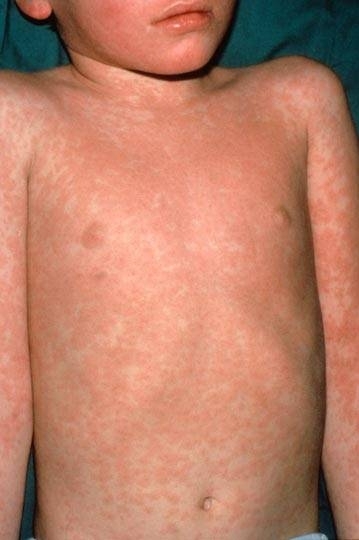
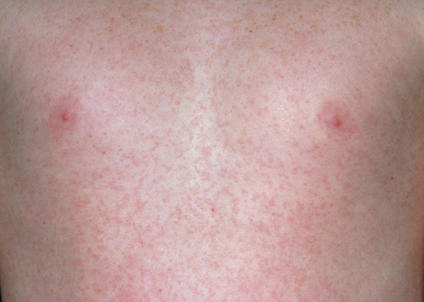
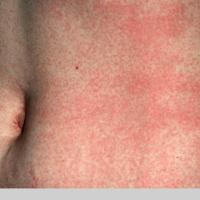
A transient pink or light red rash
-
Distribution
-
Starts face / neck then moves onto the trunk and limbs
-
Infectivity
-
From 1 week before until 4 days after the onset of rash
-
Complications
-
For most people rubella is a mild infectious disease
-
Pregnancy
-
Rubella is serious for pregnant women, because if they are infected their unborn baby may develop abnormalities
-
The risk to the fetus in the first 16 weeks of gestation is substantial. Reported fetal defects include mental handicap, cataracts, deafness, cardiac abnormalities, retardation of intra-uterine growth and inflammatory lesions of brain, liver, lungs and bone marrow. Between 16-20 weeks there is a minimal risk of deafness only, and there is no documented risk after 20 weeks of gestation
-
Immunisation is essential as there is no treatment for rubella
Erythema infectiosum (syn. fifth disease; slapped cheek syndrome)
-
Infective agent
-
Parvovirus B19, transmitted via respiratory droplets
-
History
-
It primarily affects children aged 4-10 years
-
Common in winter and spring
-
Occasionally mild prodromal symptoms precede the rash; these include low-grade fever, headache, pharyngitis, malaise, myalgias, nausea, diarrhoea and joint pain
-
Morphology and distribution - a biphasic rash
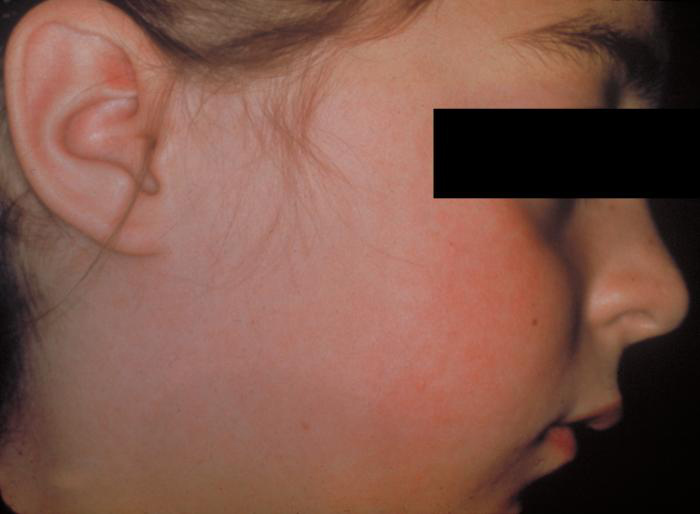
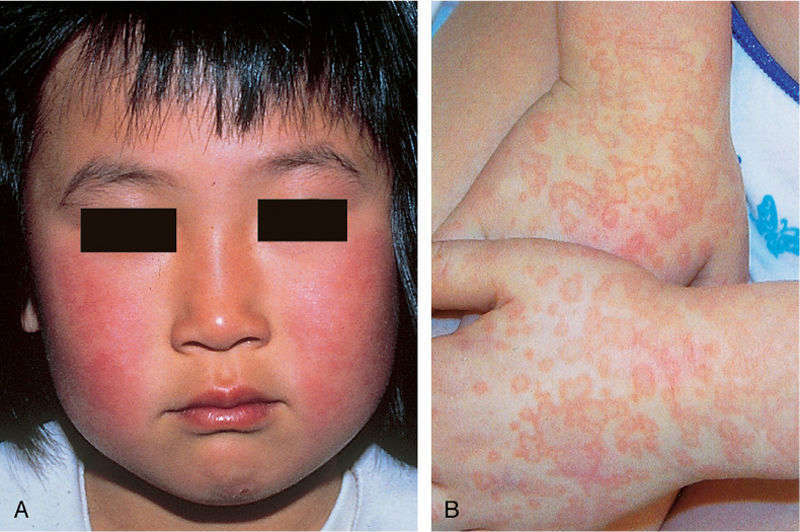
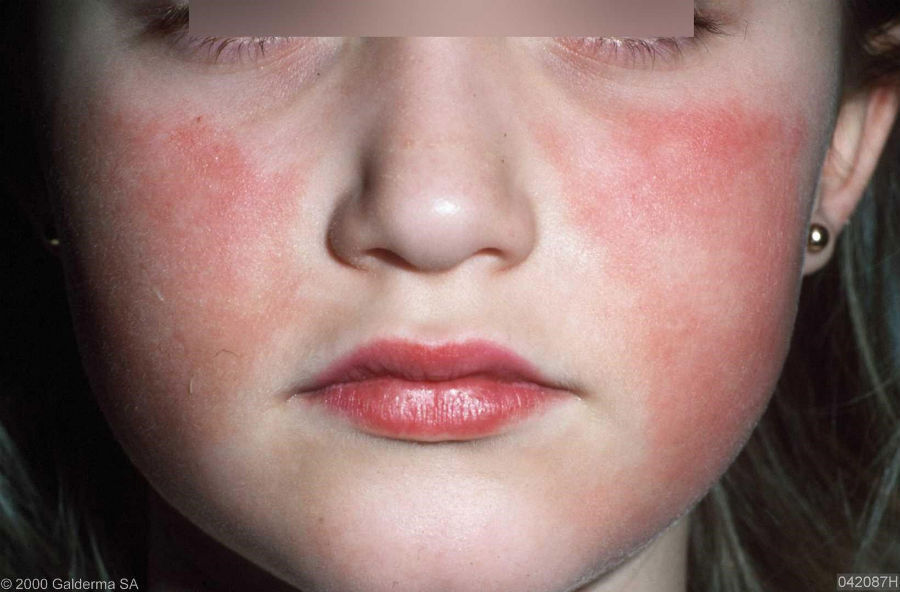
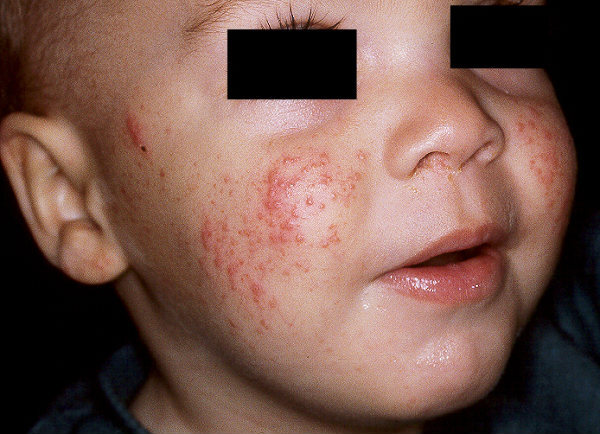
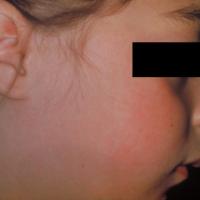
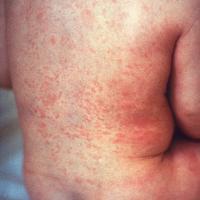
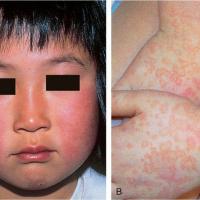
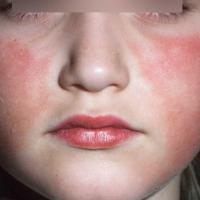
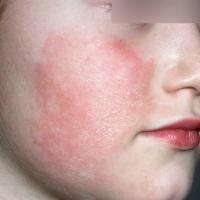
- Erythema infectiosum is characterised by confluent erythematous, oedematous patches or plaques on the cheeks, with sparing of the nasal bridge and periorbital regions. These so-called slapped cheeks fade over 1-4 days
- The rash then spreads to the trunk and extensor extremities, which undergo patchy clearing resulting in a lacy reticular pattern and may be pruritic.This eruption lasts 5-9 days but can recur for weeks to months afterwards with triggers such as sunlight, exercise, temperature change, bathing, and emotional stress
-
Infectivity
-
Not infectious once rash appears
- Pregnancy
- Most women who are infected with parvovirus B19 infection during pregnancy have a satisfactory outcome. However, gestational parvovirus B19 infection has been associated with adverse consequences such as foetal death and occasionally hydrops fetalis resulting from viral replication in the bone marrow. A prospective study of pregnant women in the UK estimated that parvovirus B19 infection in pregnancy caused fetal loss in 9% of pregnancies in which infection occured during the first 20 weeks
Erythematous exanthems that tend to start on the trunk
Roseola (syn. roseola infantum, exanthema subitum)
-
Infective agent
-
Human herpes virus 6 or 7, transmitted by airborne or droplet transmission
-
History
-
Affects children upto 3 years of age
-
High fever for 3 days which settles as rash starts
-
Occasionally URTI
-
Abdominal pain and malaise
-
Morphology
-
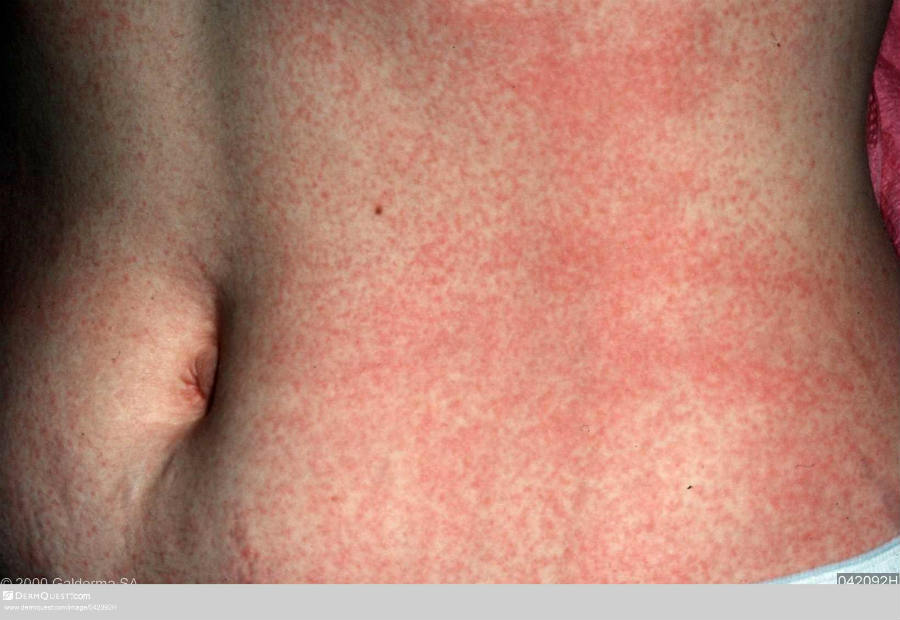
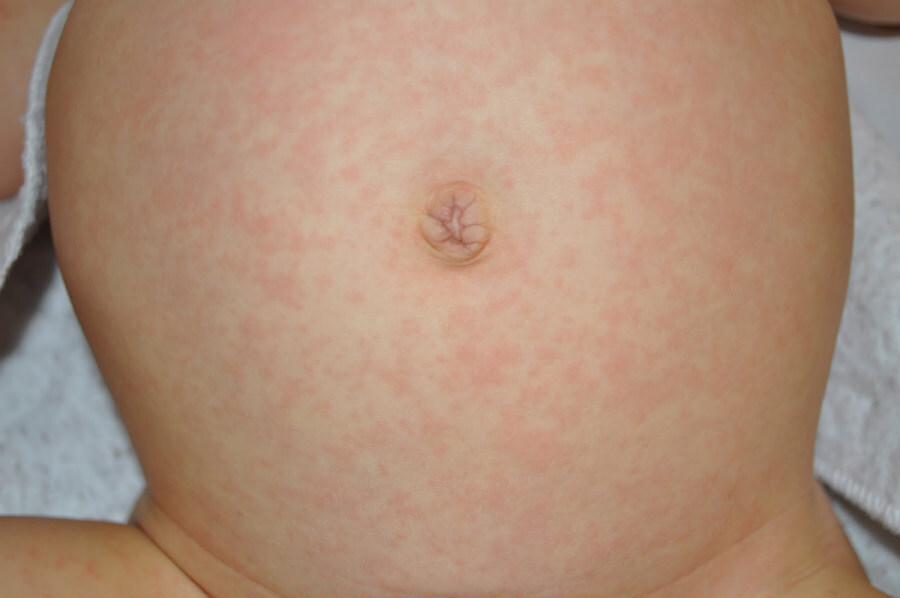
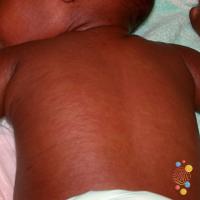
Small pink-red macules occasionally with some papules
-
Distribution
-
First the trunk, then arms and neck, very little on face and legs
-
Lasts 1-2 days
-
Eyelid oedema in 30%
-
Infectivity
-
The child is probably infectious during the whole period of the disease and may be even before the high temperature begins
-
Complications
-
Roseola is normally a mild self-limiting illness
-
Encephalitis is a rare complication
Scarlet fever (syn. scarlatina)
-
Infective agent
-
Streptococcus pyogenes
-
The disease is spread by sneezing, coughing, or breathing out. It can also be caught by direct contact with the mucous or saliva of an infected person
-
It is a notifiable disease in the UK (except Scotland)
-
History
-
Mainly a childhood disease and is most common between the ages of 2-8 years
-
Fever, usually accompanied by a sore throat, headache. Nausea and vomiting may also occur
-
Morphology
-
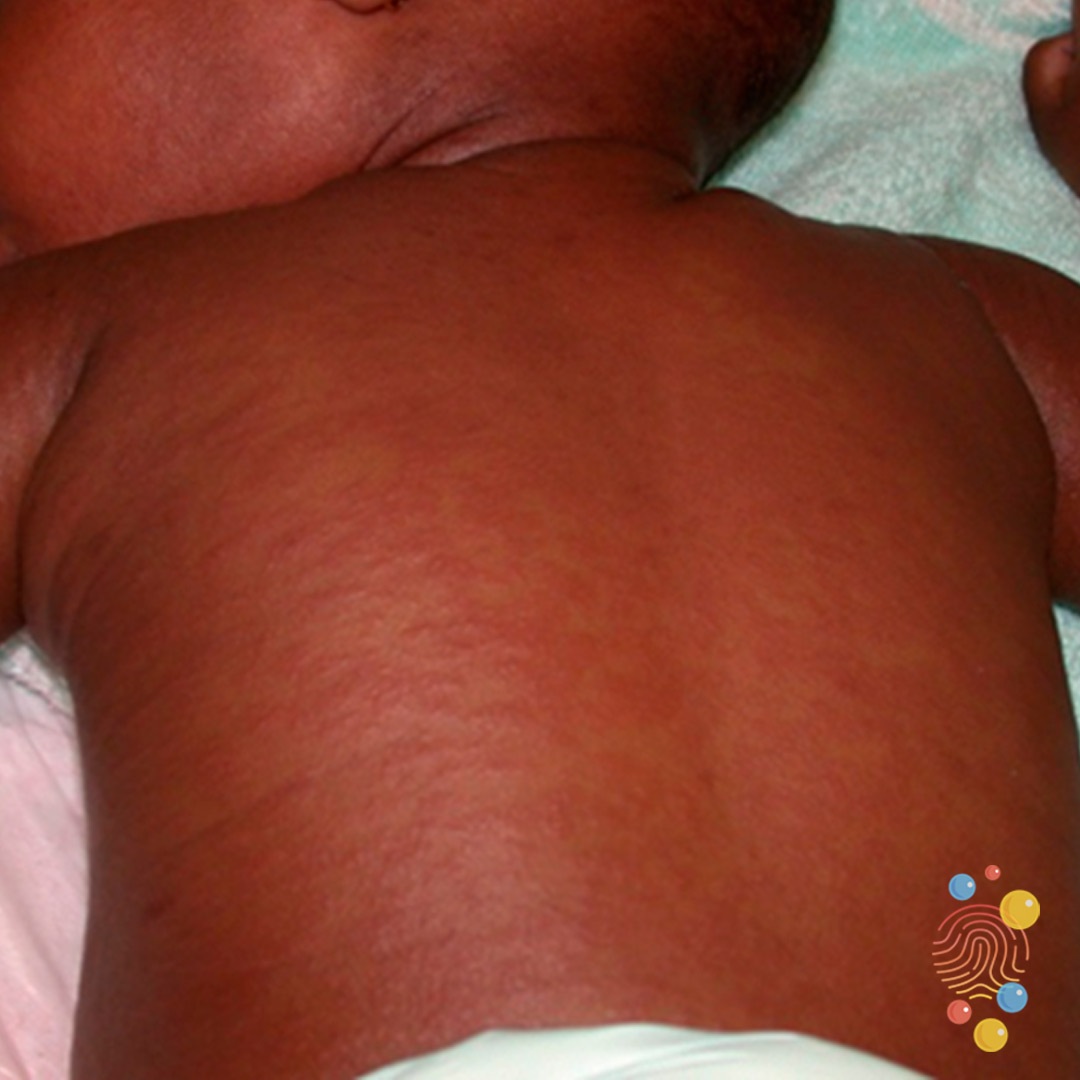
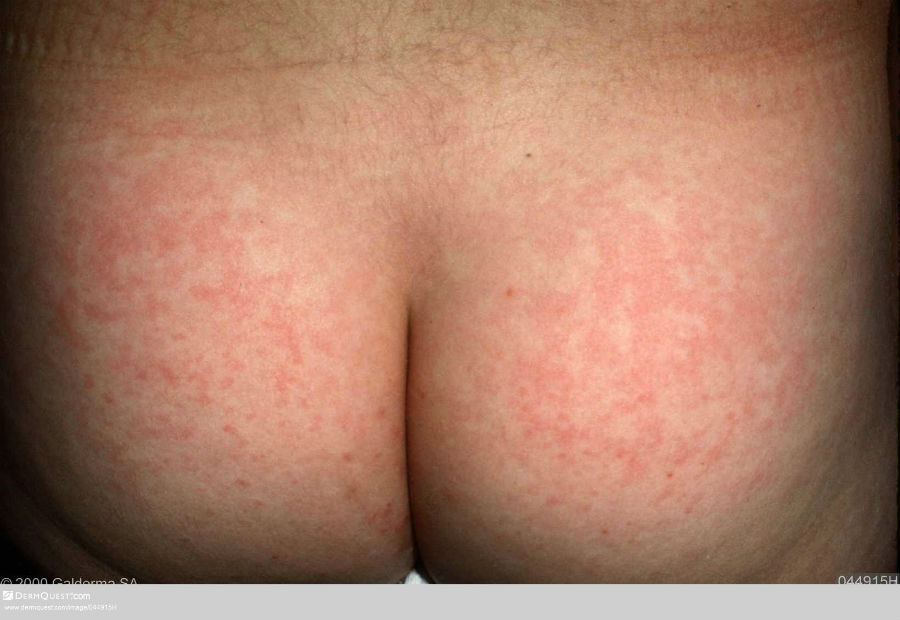
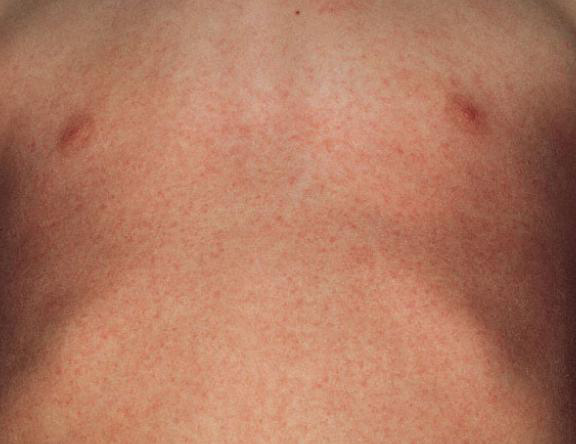
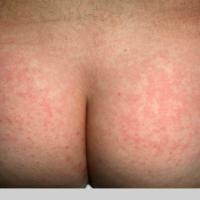
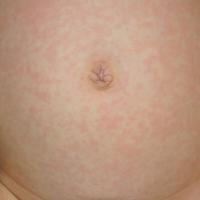
A fine, papular, red rash that feels like sandpaper
-
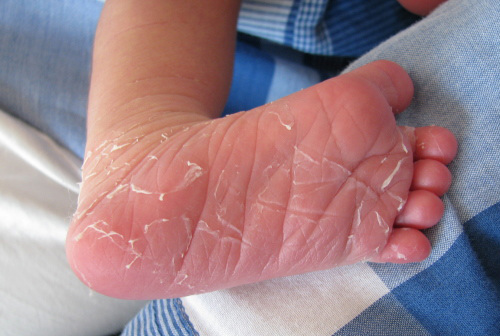
As the rash fades peeling affects the fingertips, toes and groin area
-
Distribution
-
Typically the rash first appears on the chest and stomach, rapidly spreading to other parts of the body
-
Flushing of the face and perioral pallor
-
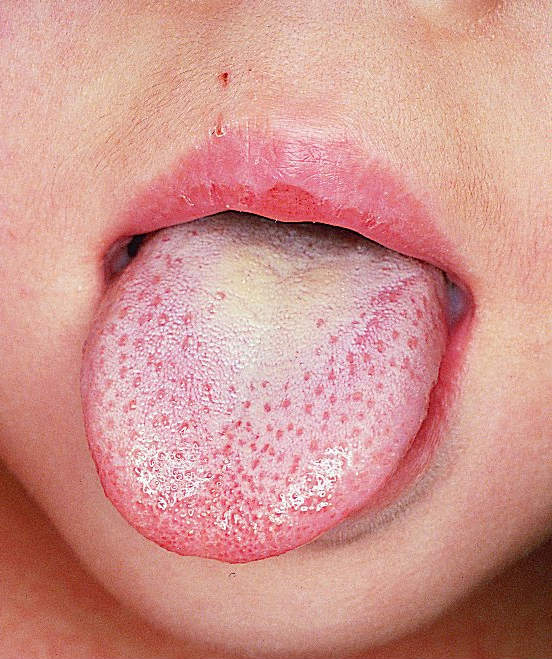
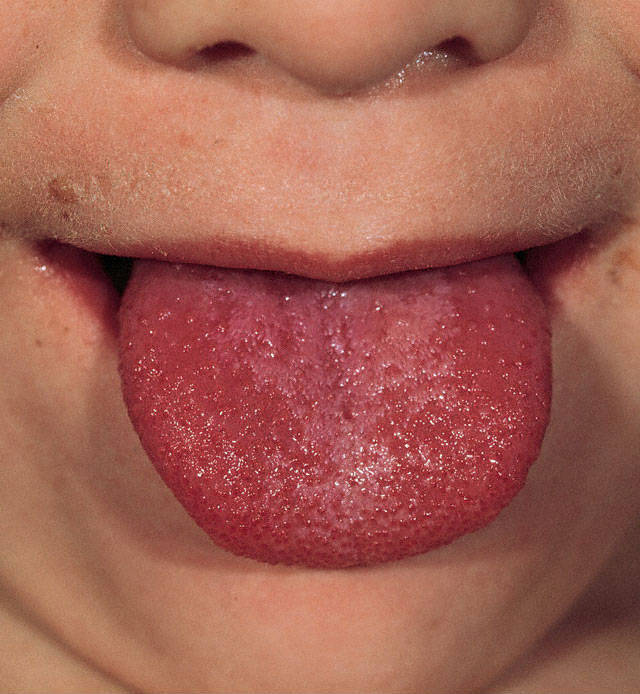
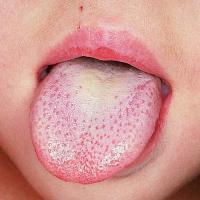
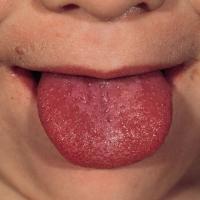
A white coating on the tongue, which peels a few days later leaving the tongue looking red and swollen (known as 'strawberry tongue')
-
Complications
-
Although most cases are self-limiting, given the possible complications patients should be promptly treated with 10 days of antibiotics
-
In the early stages, there is a small risk of the following ear infection, throat abscess, sinusitis, pneumonia, meningitis
-
On rare occasions, at a later stage, the disease can lead to bone or joint problems, liver damage, renal damage, and acute rheumatic fever with associated cardiac complications (especially mitral valve or aortic valve stenosis)
Unilateral laterothoracic exanthem (syn. asymmetric periflexural exanthem of childhood)
-
Infective agent / incubation period
-
History
-
Mainly infants and young children
-
Most affected children are healthy and asymptomatic at presentation, with an unremarkable medical history
-
Occasionally patients may report a current and / or recent episode of URTI, adenopathy, lymphadenopathy, fever, otitis media, or diarrhoea
-
Morphology and distribution
-
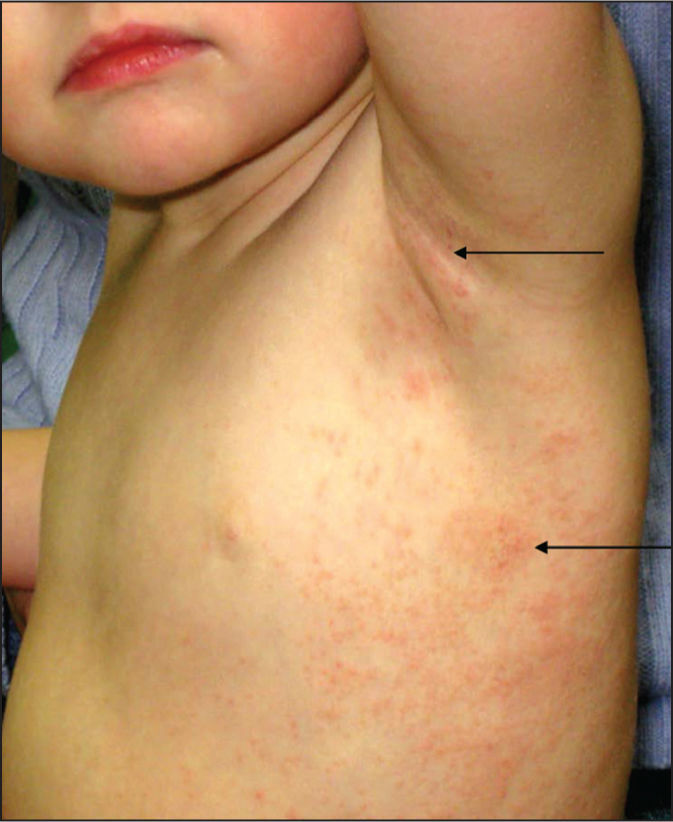
The general appearance of lesions includes a morbilliform, eczematous, and occasionally reticulated group of macules, papules or coalescent plaques
-
Initially lesions are unilateral and usually begin near the axillae, lateral trunk and upper inner arm or groin. During the course of the condition lesions often progress bilaterally with an asymmetric predominance. The 4 sequential stages of the lesions are as follows:
-
Eczematous, when initial lesions occur on the axillae and lateral chest wall
-
Coalescence, when lesions extend to the trunk and proximal extremities and are separated by areas of normal skin
-
Regression, when older lesions may develop a central dusky-grey centre
-
Desquamation, when residual bran-like scale appears and resolves with time
-
Fades over 6 weeks
Papulo-vesicular exanthems
Chickenpox (syn. varicella)
-
Infective agent
-
Varicella-zoster virus
-
Transmission is through direct person to person contact, airborne droplet infection or through contact with infected articles such as clothing and bedding
-
History
-
Most commonly seen in children under 10 years, but can affect any age
-
May initially begin with cold-like symptoms followed by a high temperature
-
Morphology
-
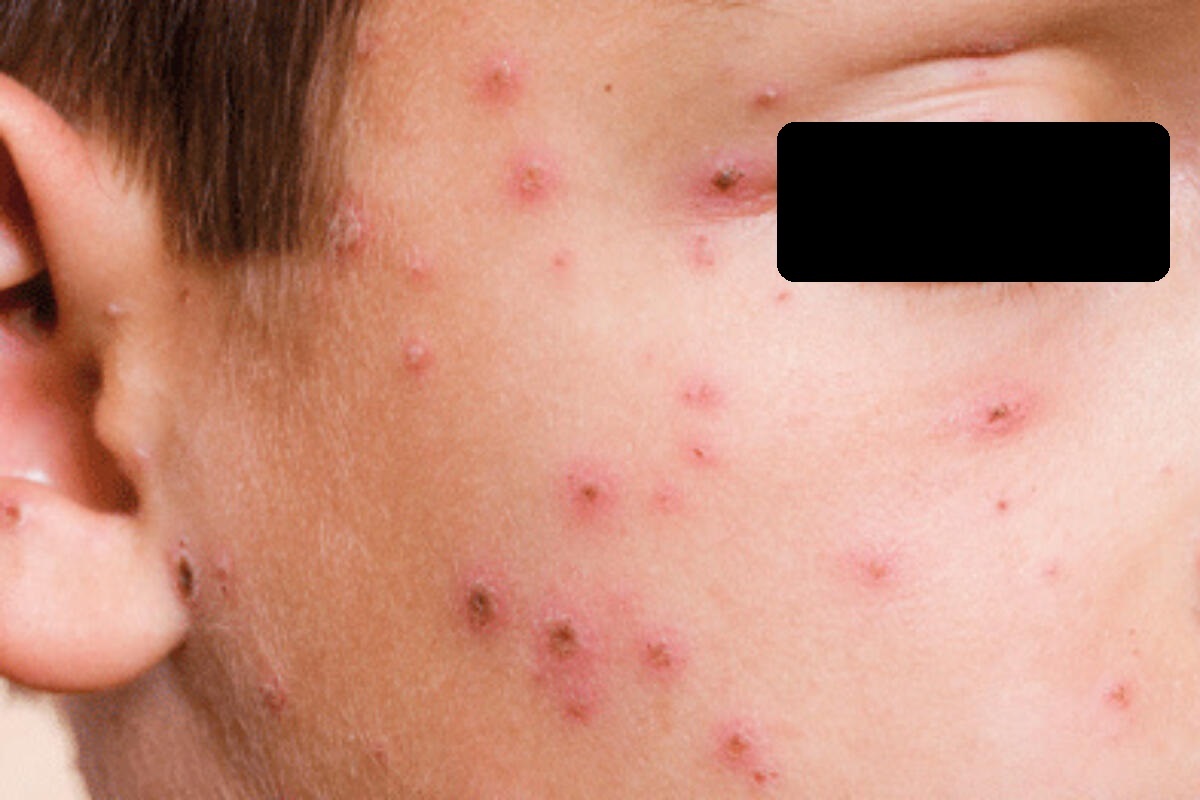
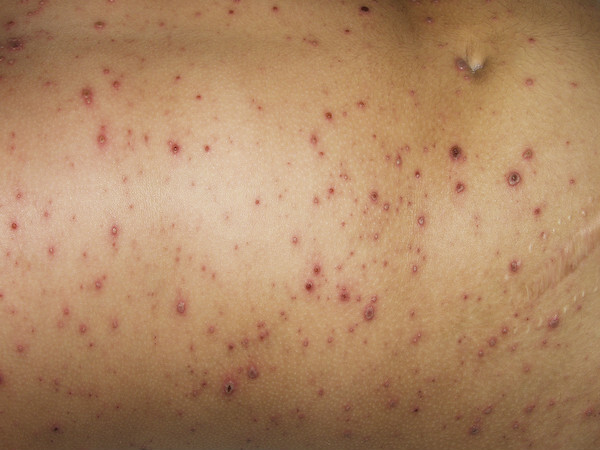
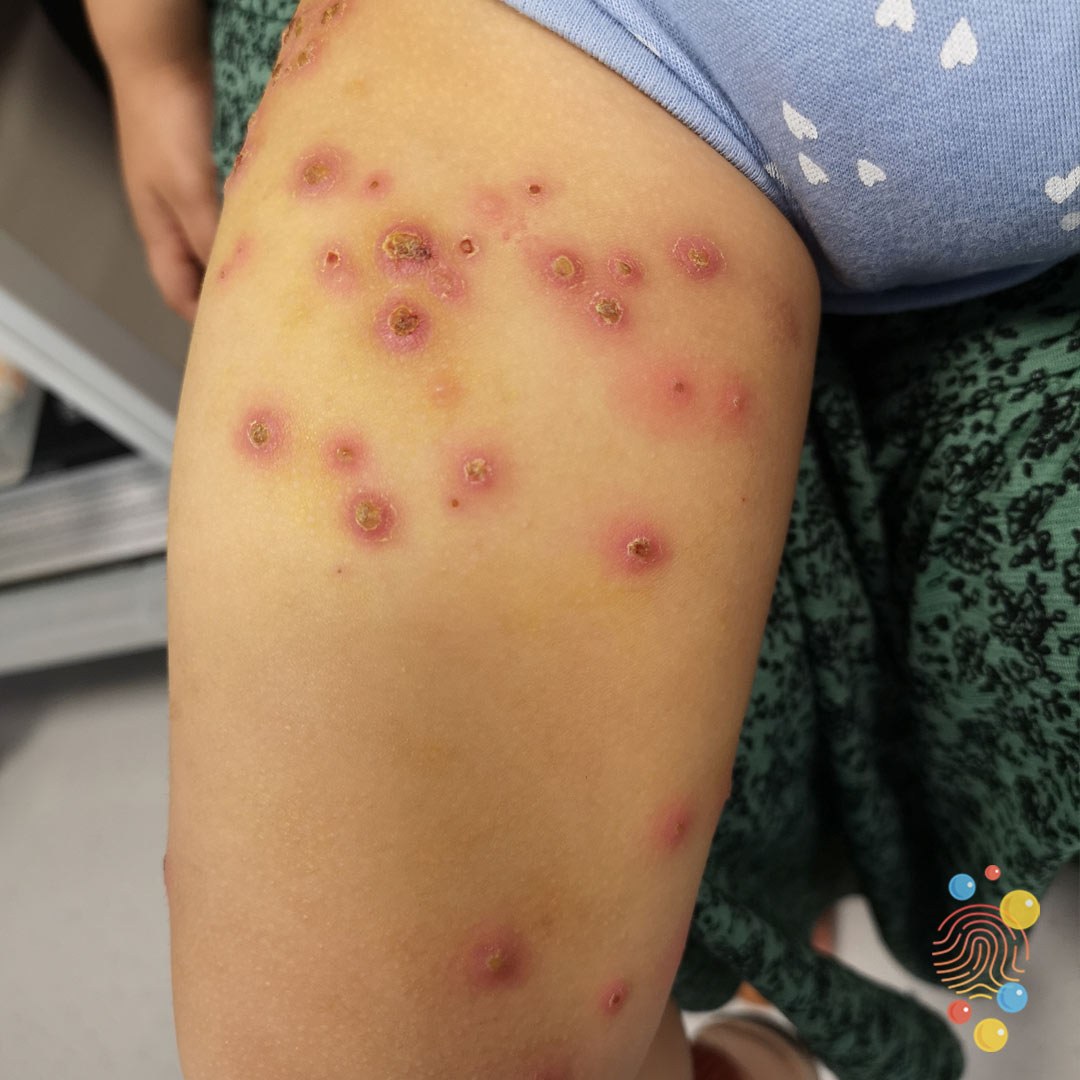
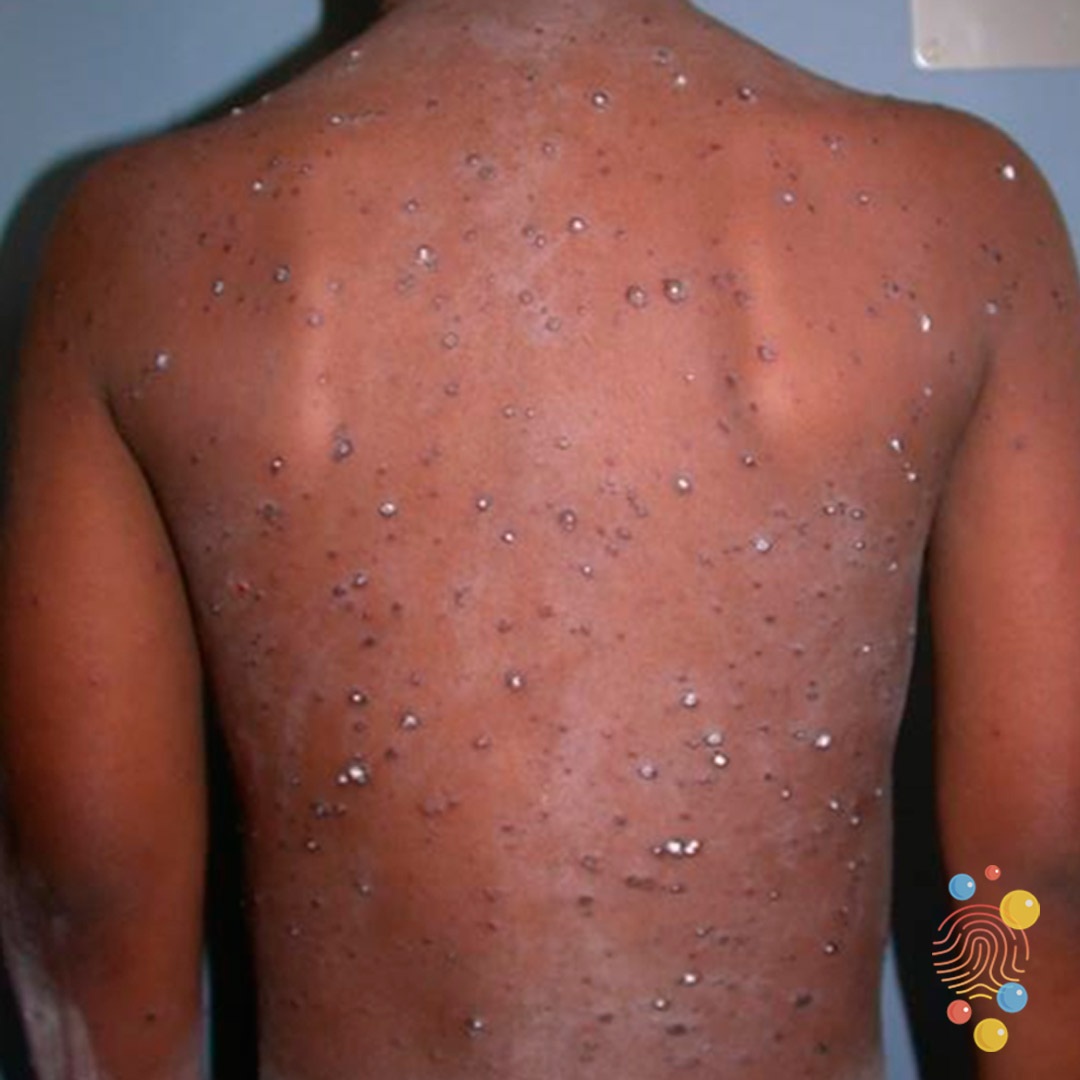
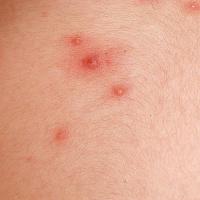
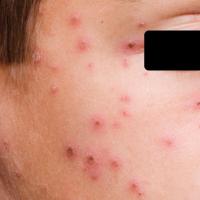
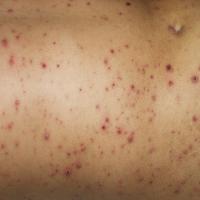
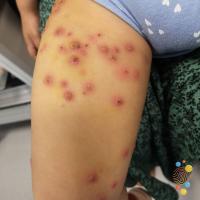
Crops of red flat macules which become raised then blister and crust
-
Lesions at different stages
-
Lasts 4-10 days
-
Distribution
-
Mostly over the trunk and more sparsely over the limbs, although any body site can be affected
-
Infectivity
-
Chickenpox is highly contagious, infecting up to 90% of people who come into contact with the disease
-
The most infectious period is from 1 to 2 days before the rash appears but infectivity continues until all the lesions have crusted over (commonly about 5 to 6 days after onset of illness)
-
Complications
-
Chickenpox is usually a mild illness and most healthy children recover with no complications
-
Certain groups of people, however, such as neonates (infants within the first four weeks of life), adults, pregnant women and those who are immunocompromised due to illness or treatments such as chemotherapy or high-dose steroids, may experience more serious complications. These include viral pneumonia, secondary bacterial infections and encephalitis
-
Pregnancy
-
Varicella infection in pregnant women can cause severe chickenpox with increased risks for the mother from varicella pneumonia and other complications
-
It also carries the risk of the congenital varicella syndrome for the fetus. The congenital varicella syndrome can cause a range of problems including shortened limbs, skin scarring, cataracts and growth retardation - the risk of this occurring within the first 20 weeks of pregnancy has been estimated to be less than 1% in the first 12 weeks and around 2% between 13 and 20 weeks of pregnancy. Occasional cases of fetal damage following maternal varicella infection between 20 to 28 weeks gestation have been reported but the risk is likely to be substantially lower
-
Infection with varicella in the later stages of pregnancy can cause premature delivery or neonatal chickenpox infection. This is particularly serious if the mother becomes infected 7 days before birth
-
Pregnant women contacting chickenpox within the first 20 weeks of pregnancy need to be offered immunoglobulin, but this is only affective if given before the rash appears. After 20 weeks of pregnancy woman can be offered oral antiviral treatment. For further information please refer to ''Guidance on Viral Rash in Pregnancy: Investigation, Diagnosis and Management of Viral Rash Illness, or Exposure to Viral Rash Illness, in Pregnancy''
Gianotti-Crosti syndrome (syn. papular acrodermatitis of childhood)
-
Infective agent
-
Several viruses have been implicated - the main causative virus in the UK is EBV
-
History
-
The majority of patients are aged 1-6 years with a range from 3 months to 15 years
-
Most patients will have a prodrome consisting of fever and URTI
-
Morphology
-
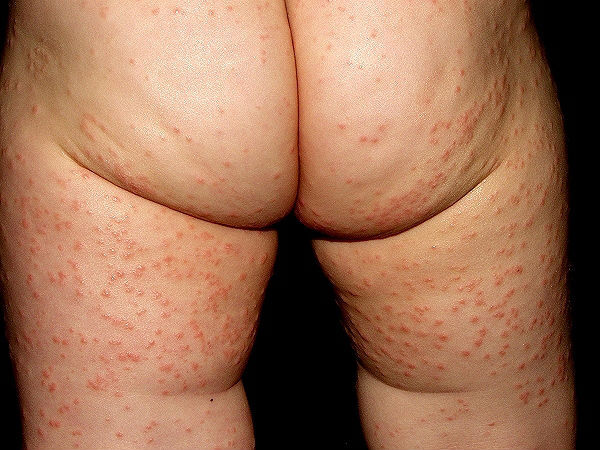
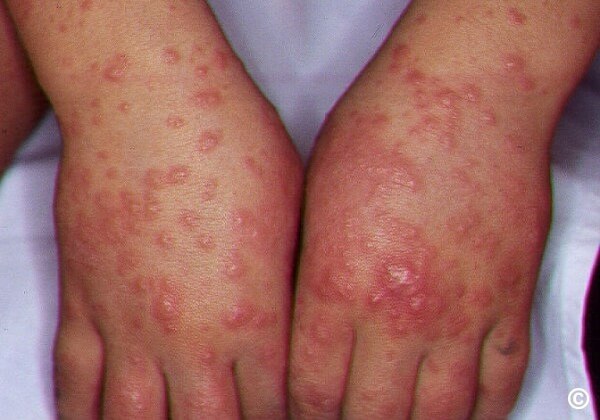
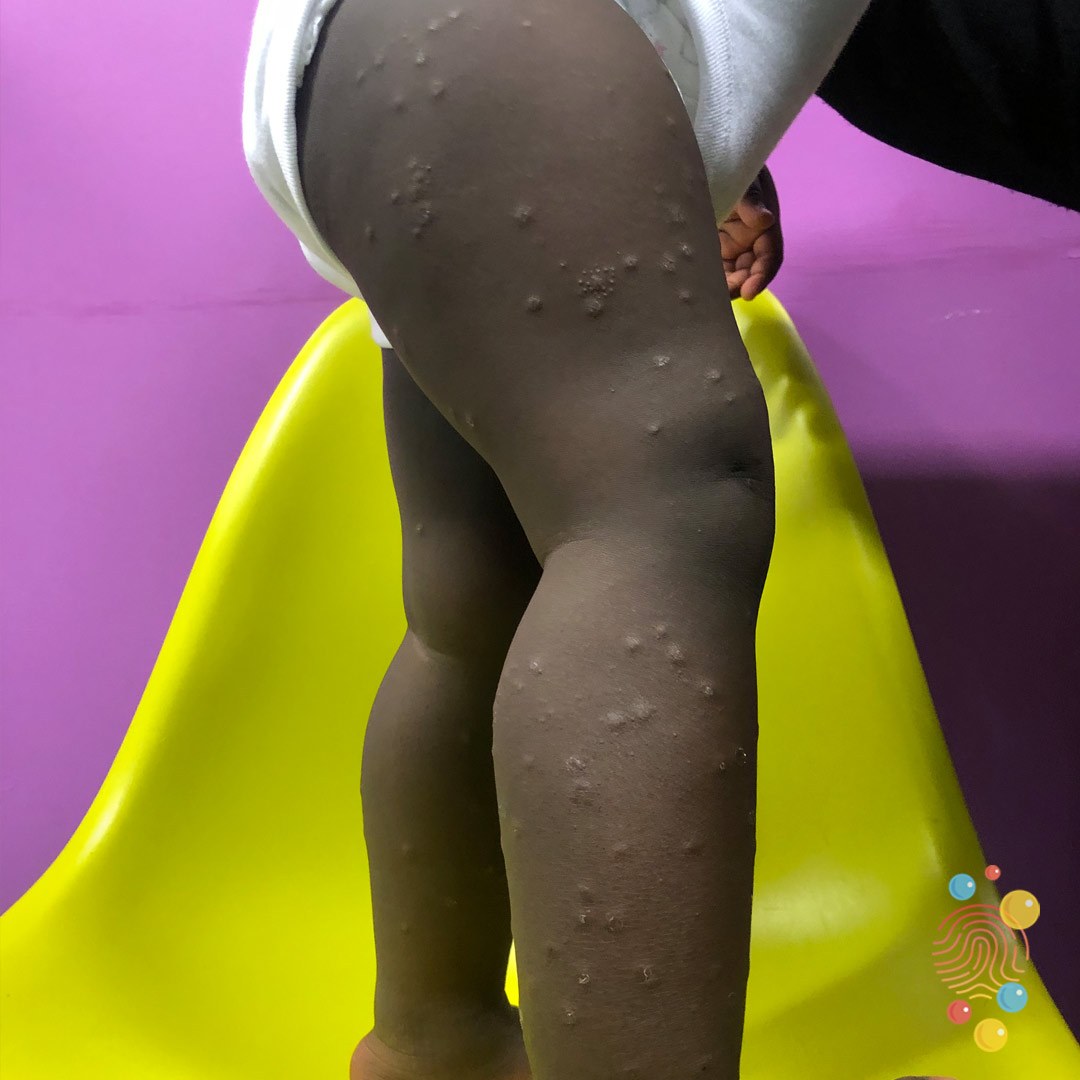
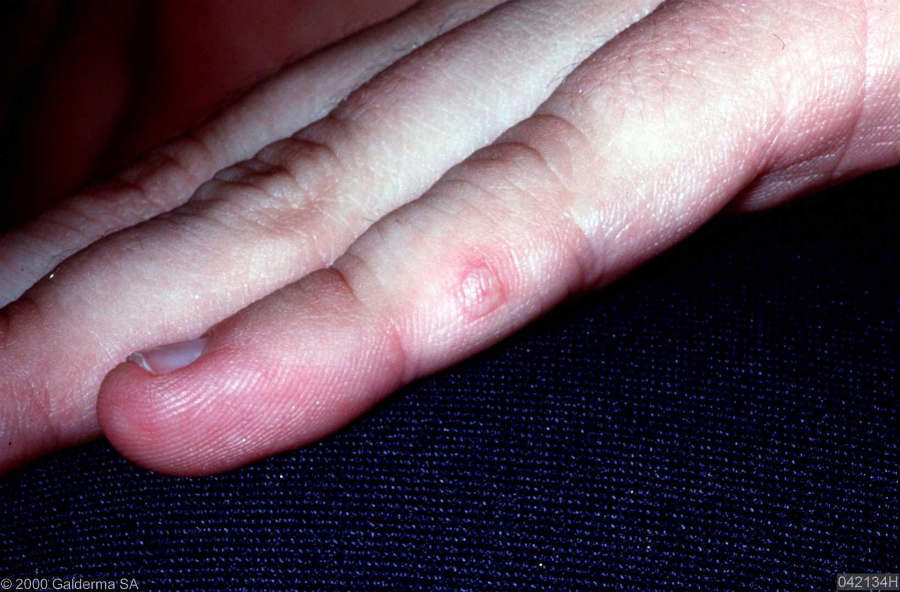
Discrete, non-pruritic, red-purple, monomorphic papules, and occasionally papulovesicles
-
Lasts 2-8 weeks
-
Distribution
-
The face, buttocks, and extensor surfaces of the extremities. The trunk is spared
Exanthems of the extremities
Hand, foot and mouth disease
-
Infective agents
-
Coxsackie A16, A10 and the echovirus
-
History
-
Most commonly affects children aged under 10 years
-
There is a brief 12-36 hour prodrome of low-grade fever, malaise, cough, anorexia, abdominal pain, and a sore mouth before the rash
-
Morphology and distribution
-
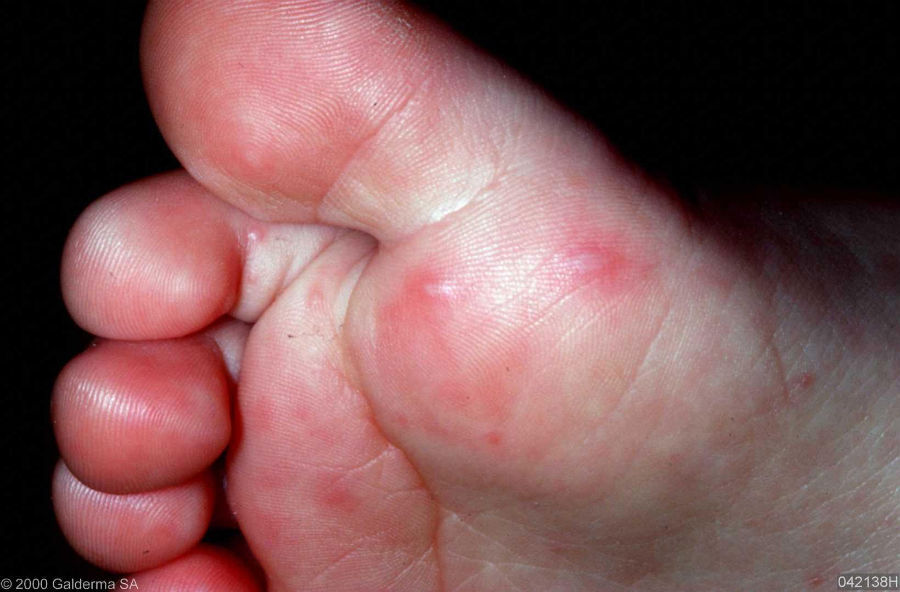
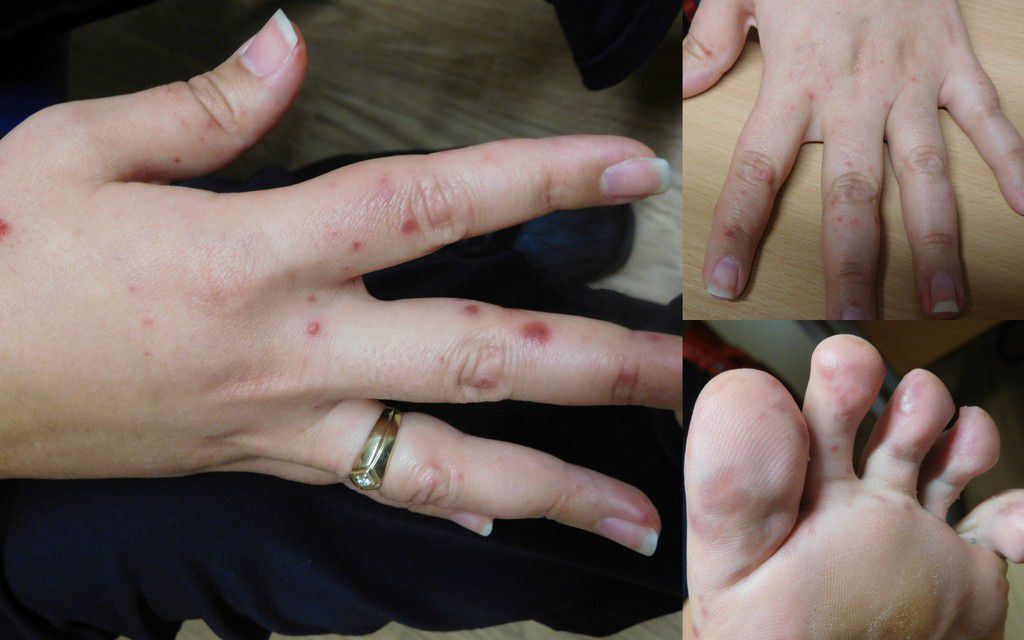
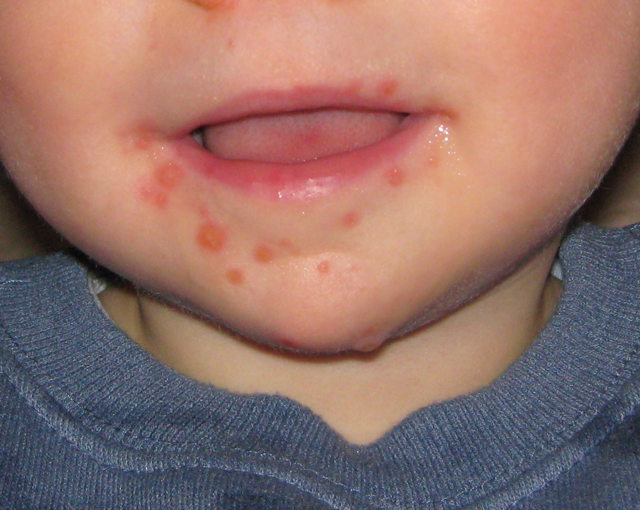
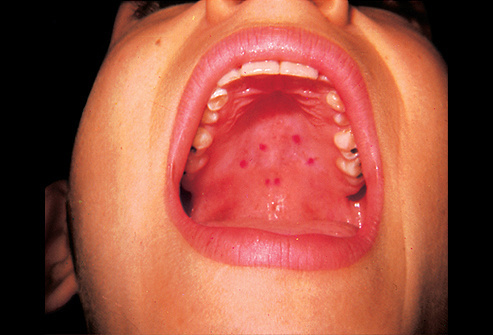
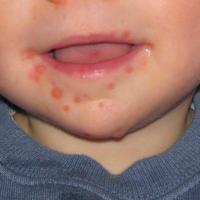
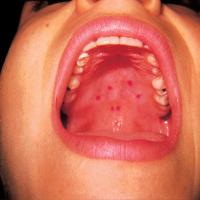
Painful ulcerative lesions occur anywhere in the oral cavity, but are most commonly found on the hard palate, tongue, and buccal mucosa. The exanthem begins as 2-8 mm erythematous macules and papules, which progress through a short vesicular stage to form a yellow-grey ulcer with an erythematous halo. Lesions may coalesce, the tongue may become red and oedematous, and pain may interfere with oral intake. Oral lesions resolve without treatment in 5-7 days
-
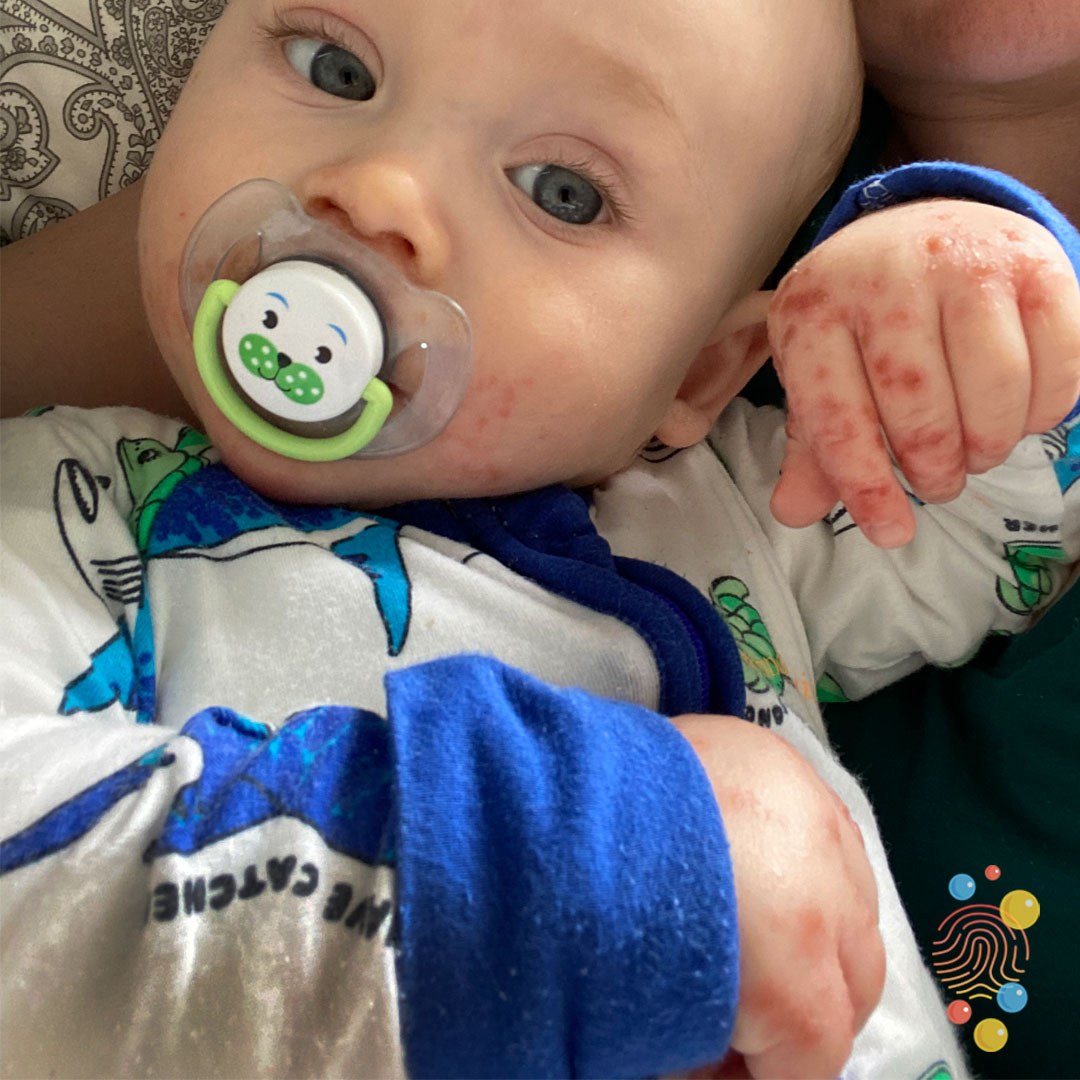
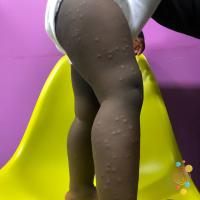
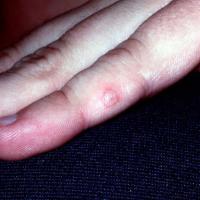
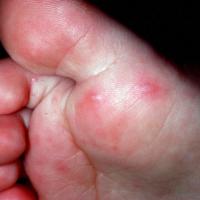
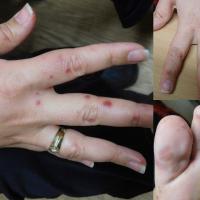
Hands and feet - lesions, characterised by 2-3 mm erythematous macules or papules with a central grey vesicle, usually appears shortly after oral lesions, with the hands more commonly involved than the feet. The sides of the fingers and dorsal surfaces are more often involved than palms and soles. Lesions appear elliptical, with the long axis running parallel to skin lines, and may be asymptomatic or painful. Lesions crust and gradually disappear over 5-10 days without scarring
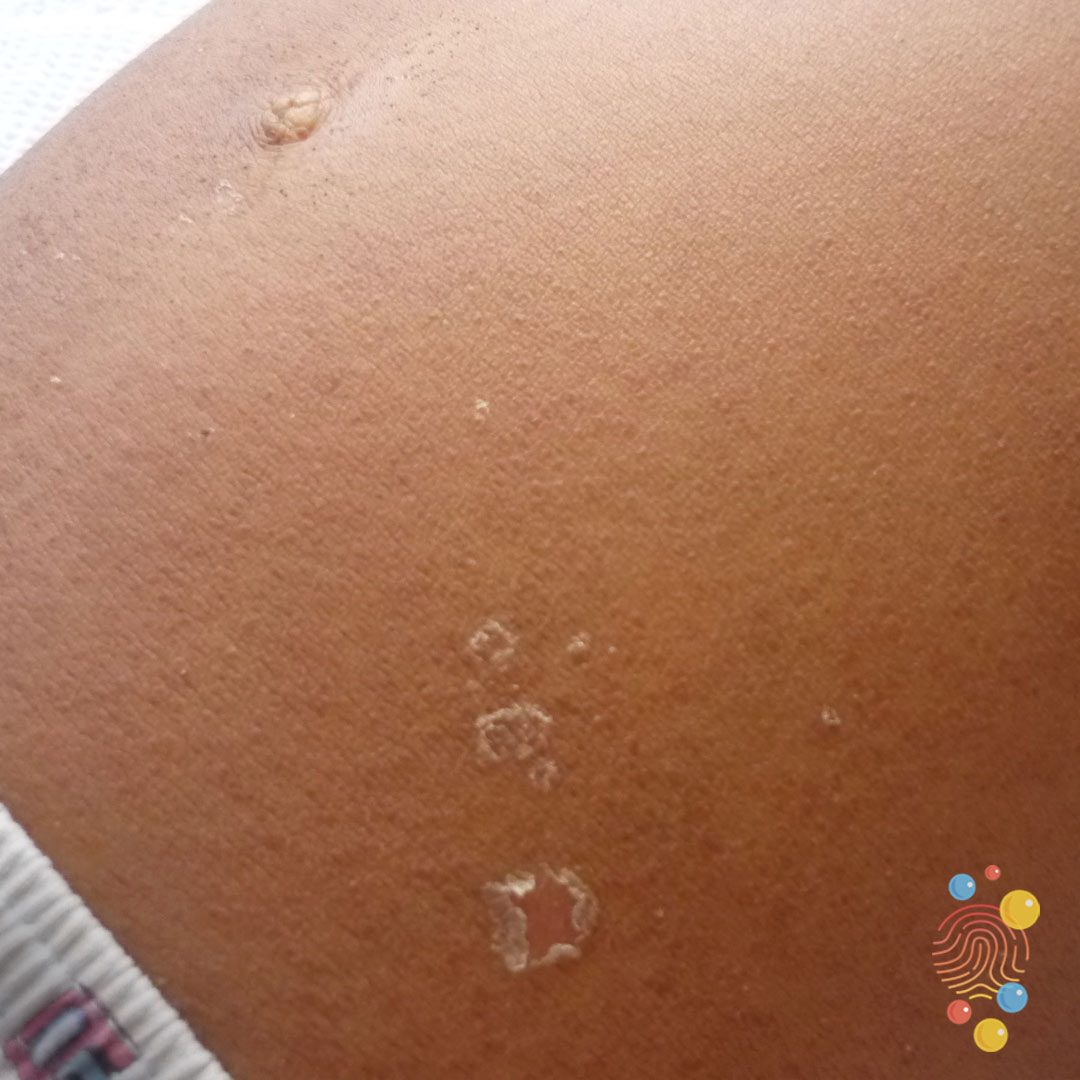
- Eczema coxsackium - also known as atypical hand, foot and mouth, is a variant found in children with atopic eczema. Like classical hand, foot and mouth, eczema coxsackium typically affects preschool children with lesions on hands, feet, buttocks, torso and face, but mostly localising to sites of broken skin. Fever and mouth ulcers are common. It can also occur in children with broken skin not due to eczema such as sunburn, napkin dermatitis, wounds and scars
-
Complications
-
Rarely viral meningitis and encephalitis
Covid-19
Many presentations have been associated with Covid, the list below are the most common.
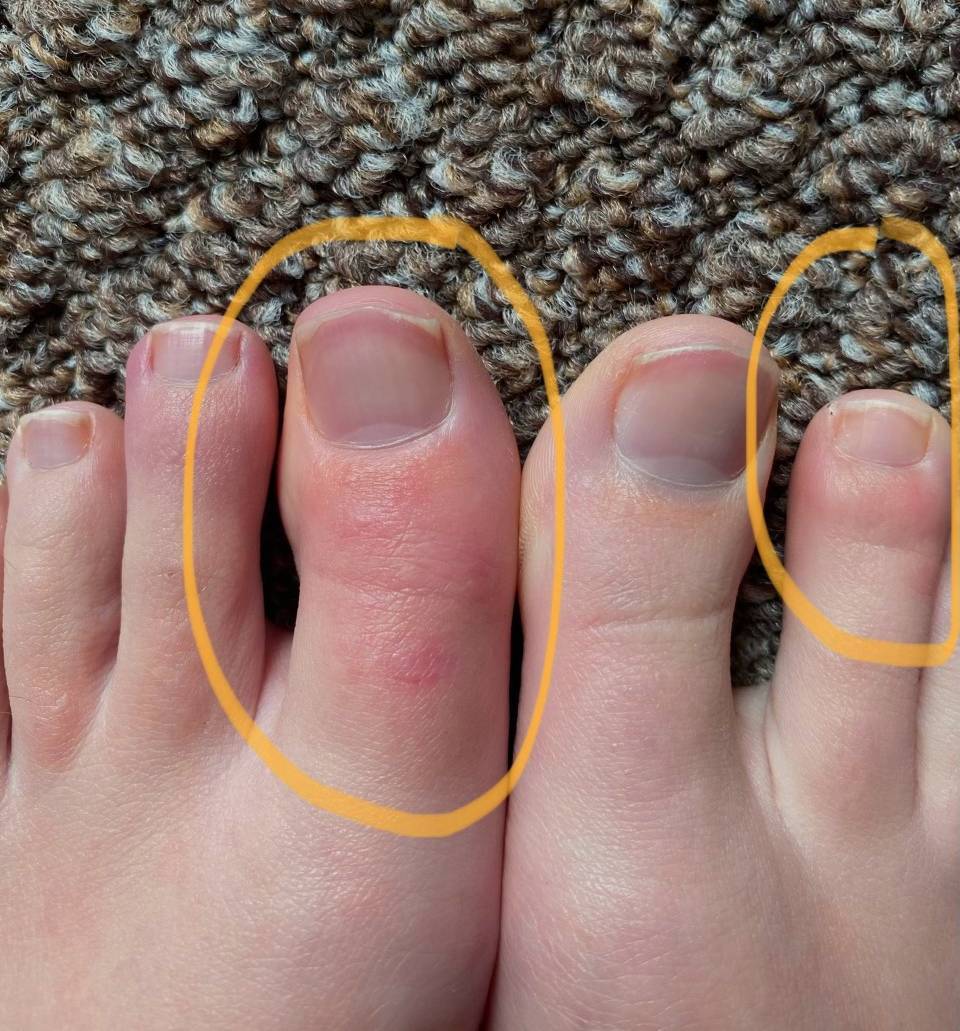
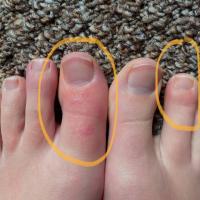
- Covid toes
- Red and tender, well-demarcated areas on the toes on a background of otherwise normal-looking skin on rest of foot. Can also affect fingers
- Unlike perniosis (chilblains), not caused by cold exposure
- If needed treat with super-potent topical steroid (Dermovate ® OD)
- Short duration (7-days)
- Negative swabs and serology are common
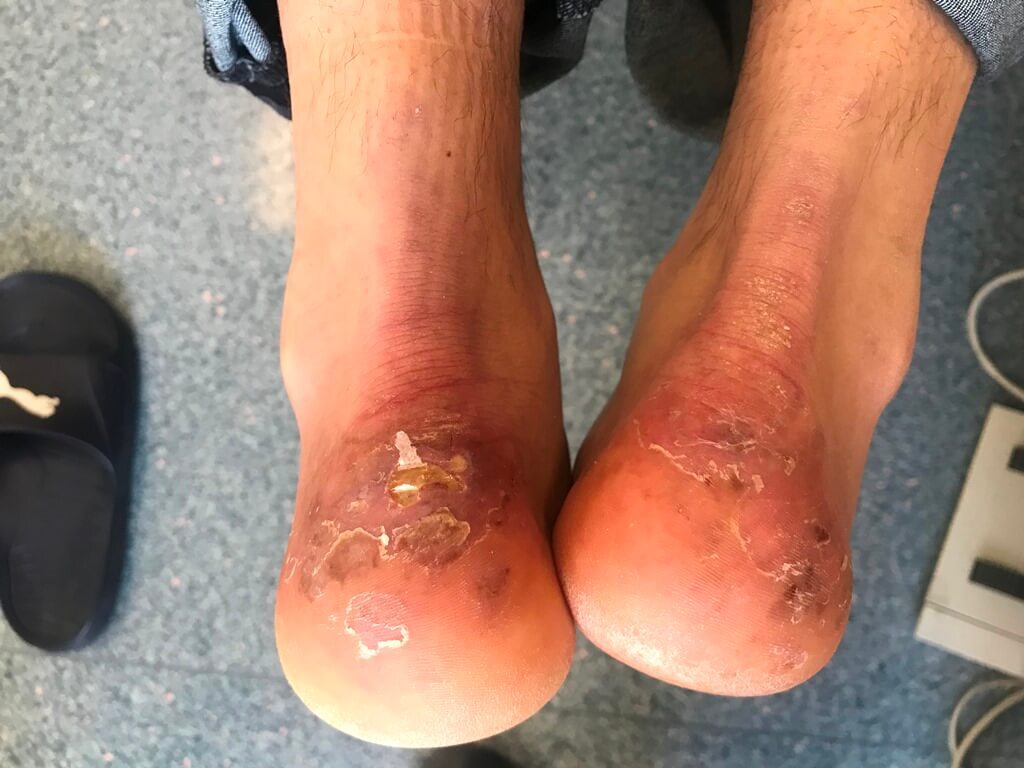
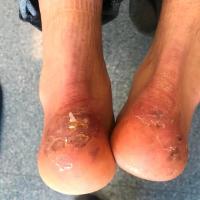
- LONG Covid toes
- Desquamation (peeling), swelling and erythema - can last many months
- Acrocyanosis
- Dusky red-purple skin changes affecting feet / lower legs and hands
- Burning sensation - patients often place limbs in ice water for symptomatic relief (makes matters worse in the medium to long term)
- Seen in otherwise fit and healthy young patients
- Can last for several weeks or even many months
- Often negative COVID swabs and antibody tests
- Need to exclude other pathology such as connective tissue disease and vasculitis bu checking relevant tests including FBC, standard biochemistry, ANA, ENA, ANCA, complement levels (if low check cryoglobulins - can only be done in Secondary Care), HIV, Hep B/C, CXR
- Management in adults
- Keep peripheries warm and don't immerse hands in cold water
- Aspirin 75 mg OD as associated with microangiopathy and hypercoagulability
- Super-potent topical steroid (Dermovate ® OD)
- Other drugs sometimes used: calcium channel blockers (eg nifedipine), consider prednisolone if very severe / refractory, prostacyclin analogues (e.g. iloprost) for extreme cases
- For more information (including in children) refer to the Lancet publication
- Others
- Vesicular eruptions
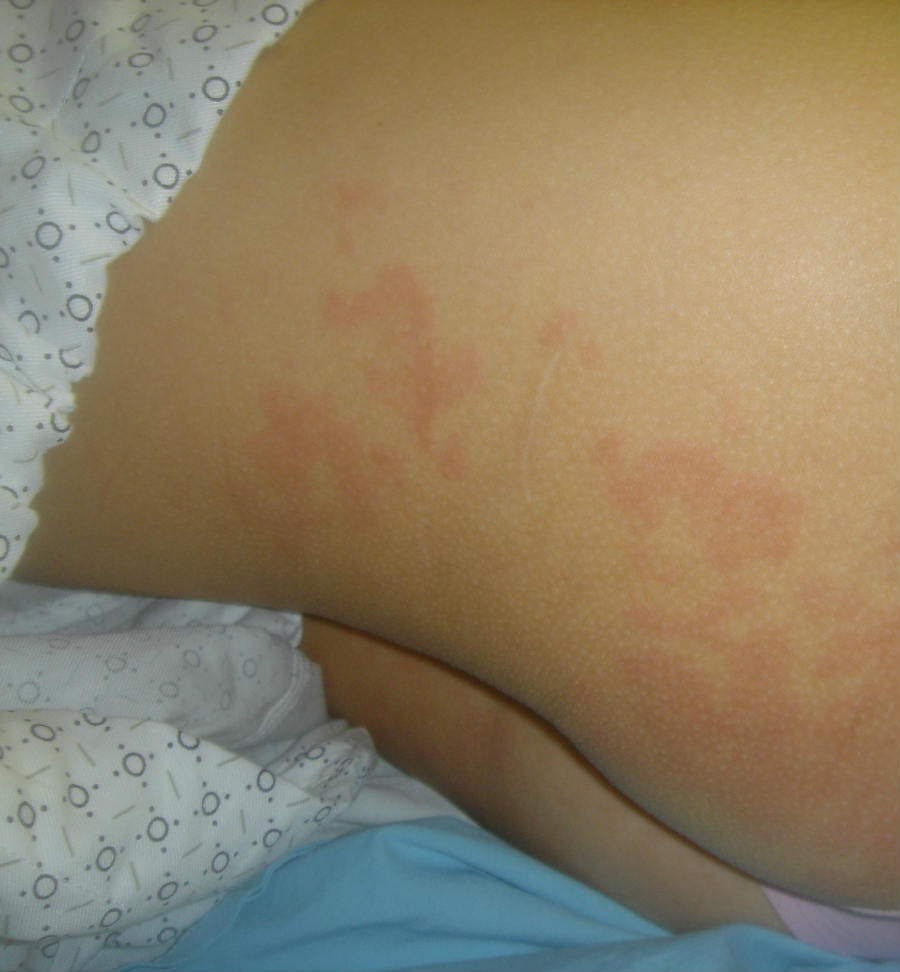
- Urticaria - various forms including spontaneous and vasculitis - treat in the same way as non-Covid urticaria
- Erythema multiforme
- Scaly, morbilliform, and purpuric eruptions (along with many others)
Papular-purpuric gloves and socks syndrome (PPGSS)
-
Infective agent
-
50% due to parvovirus B19
-
History
-
Rare
-
Occurs most commonly in young adults, primarily during the spring and summer
-
Can be associated with myalgias, arthralgias, lymphadenopathy and fatigue
-
Morphology and distribution
-
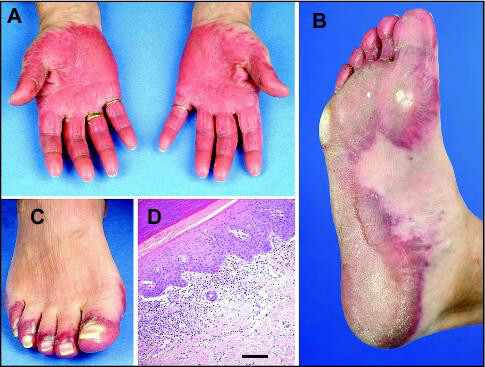
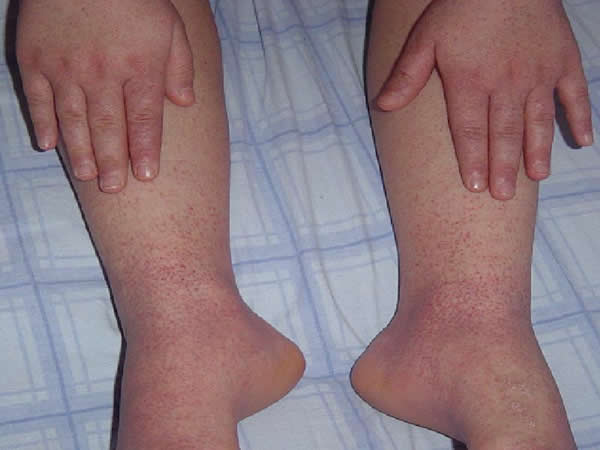
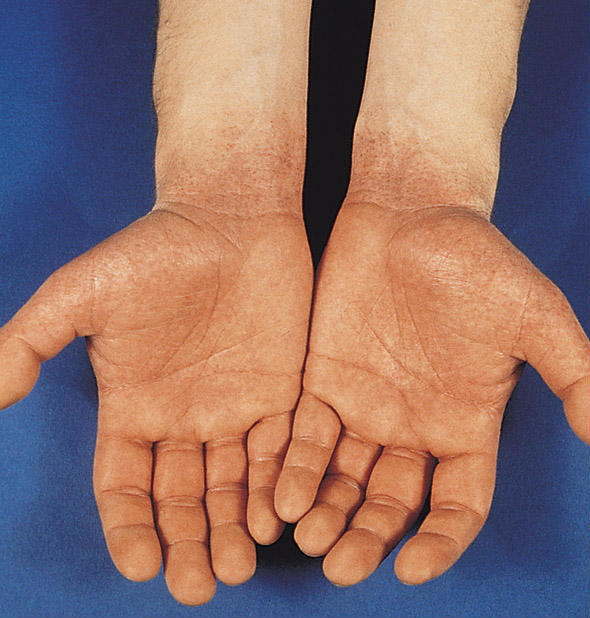
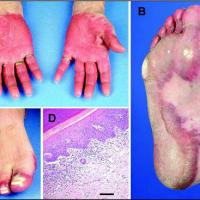
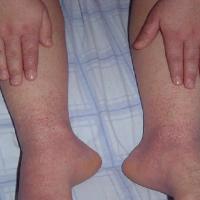
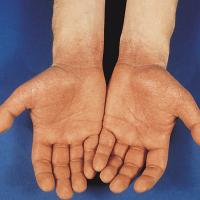
Symmetrical erythema and oedema of the hands and feet progress to petechial and purpuric macules, papules, and patches that are followed by fine desquamation. There is a characteristic, sharp demarcation at the wrists and ankles
-
Rarely the eruption may extend to non-acral sites
-
Lasts 1-2 weeks
-
Infectivity period and pregnancy
-
B19 PPGSS is unlike erythema infectiosum where skin signs develop after clearance of viraemia and in the presence of rising antibody titres
- Patients with erythema infectiosum are only infectious in the prodromal phase and not once the rash appears
- In PPGSS, the immune response against parvovirus B19 occurs later, after the onset of the skin eruption. Therefore, patients with clinical signs of PPGSS secondary to parvovirus B19 are potentially infectious. This fact has important implications regarding contact with seronegative pregnant patients
Clinical Images
Please refer to notes on image rights at bottom of the page with regards to individual image
ownership.
1
2
3
4
5
6
7

8
9
10
11
12
13
14
15
16
17
18
19

20
21
22
23
24
25
26
27
28
29
30
31
32
33
34

35
36
37
38
39
40
Management
Disclaimer - the author PCDS cannot accept responsibility for any misleading or incorrect statements, and the management of individual patients remains the direct responsibility of the individual doctor. We do however hope that visitors to this site can contact us regarding comments that are considered misleading or incorrect so that we can continue to improve the site.
Image Rights - The PCDS would like to thank Dermatoweb, DermQuest (Galderma), and others who have contributed images. All named individuals and organisations maintain copyright for the relevant images.