Vitiligo
LAST UPDATED: May 29, 2024
Introduction
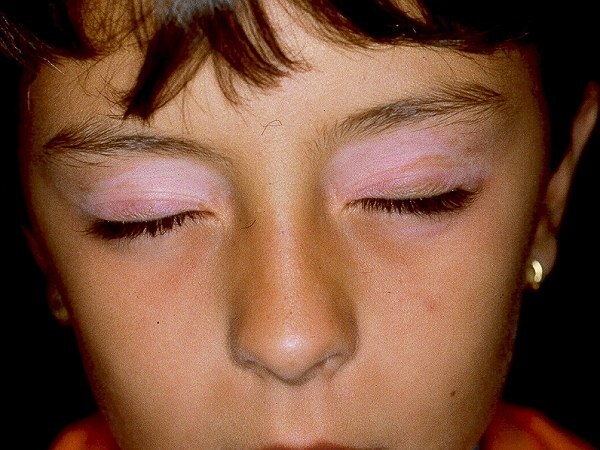
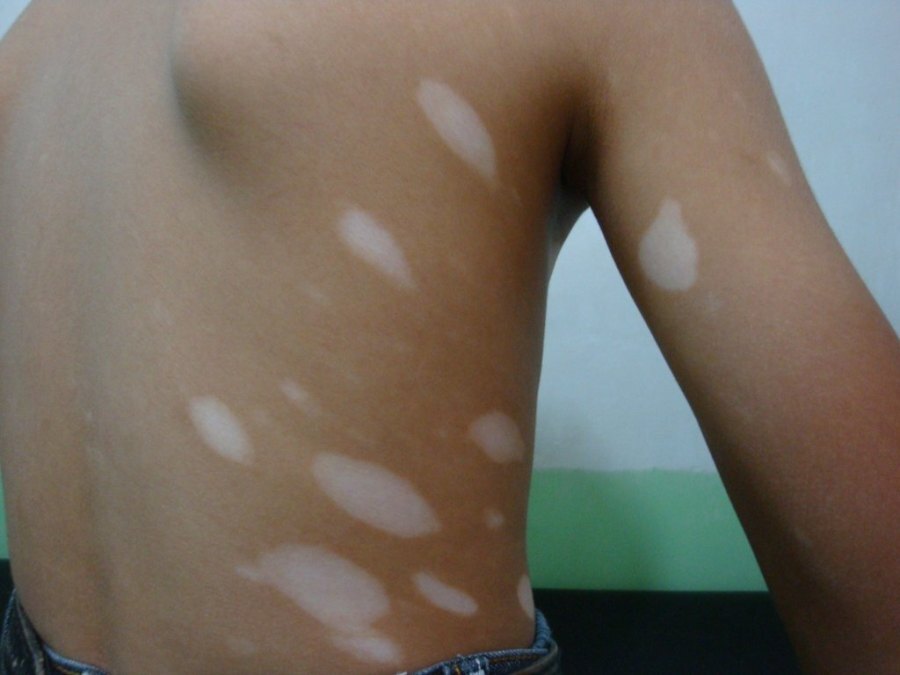
Vitiligo is the complete loss of pigmentation arising in discrete patches of skin. It occurs in approximately 1% of the world’s population. The incidence appears to be higher in darker-skinned individuals. Vitiligo often has a significant impact on quality of life causing social isolation, depression, difficulties with sexual relationships and in some cultures, it affects suitability for marriage.
This chapter is set out as follows:
Aetiology
-
The aetiology is not fully understood
-
Genetics are certainly involved, one third of patients have a positive family history
-
It is likely that vitiligo has an autoimmune basis with the immune system destroying melanocytes, the cells that normally produce pigment in our skin. Vitiligo is associated with several other autoimmune conditions:
-
One third of patients will have / develop thyroid disorders (hyper or hypo)
-
Others include pernicious anaemia, diabetes mellitus, alopecia areata, Addison’s disease, hypoparathyroidism, and myasthenia gravis
-
There are several other theories with regards to the aetiology of vitiligo, including the release of chemicals in the peripheral nerve endings of the skin, which then inhibit melanogenesis
History
-
Males and females are equally affected
-
Age - while vitiligo can arise at any age, in 50% of cases it arises before the age of 20 years
-
Symptoms
-
Itching and other symptoms are very uncommon
-
In patients with light skin the changes may first be noticed in the summer - when the rest of the skin becomes more pigmented the contrast between unaffected skin and areas of vitiligo become more pronounced
-
The natural history of vitiligo in unclear. Spontaneous remission is uncommon. Pigment loss tends to be progressive - it often starts with a rapid loss of pigment, which may be followed by a latent period when the skin remains unchanged. Later, the pigment loss may begin again
Clinical findings
Distribution
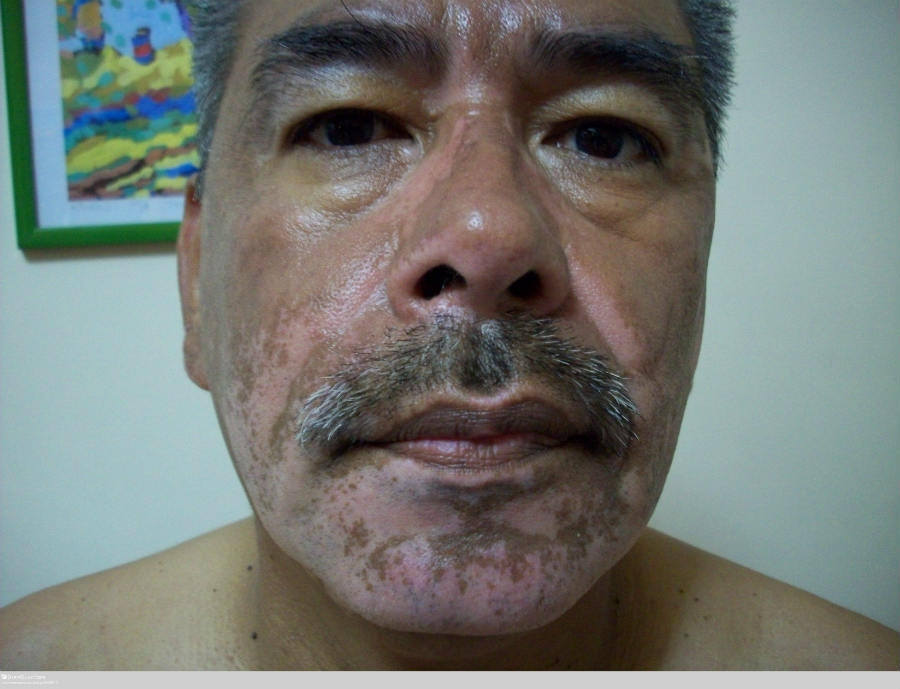
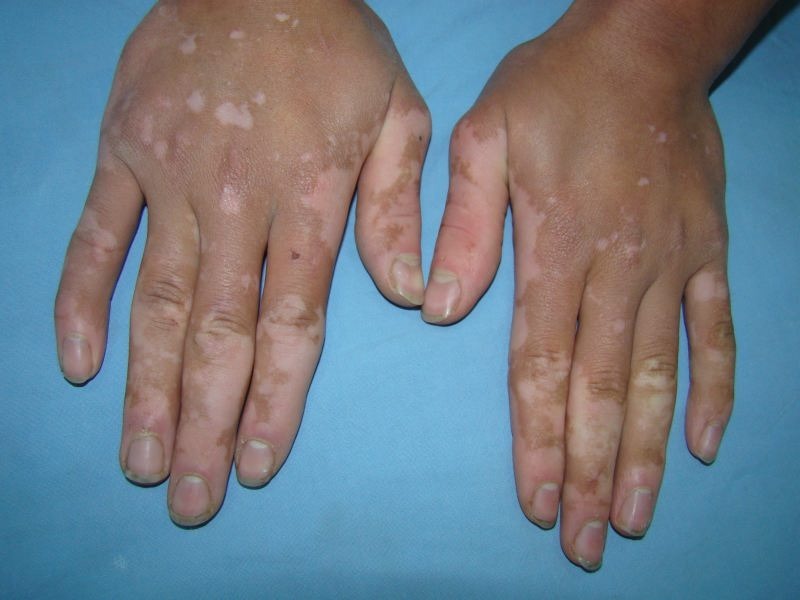
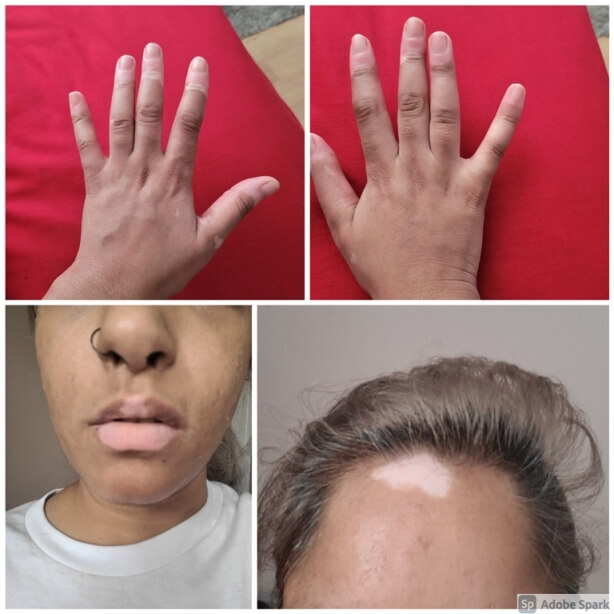
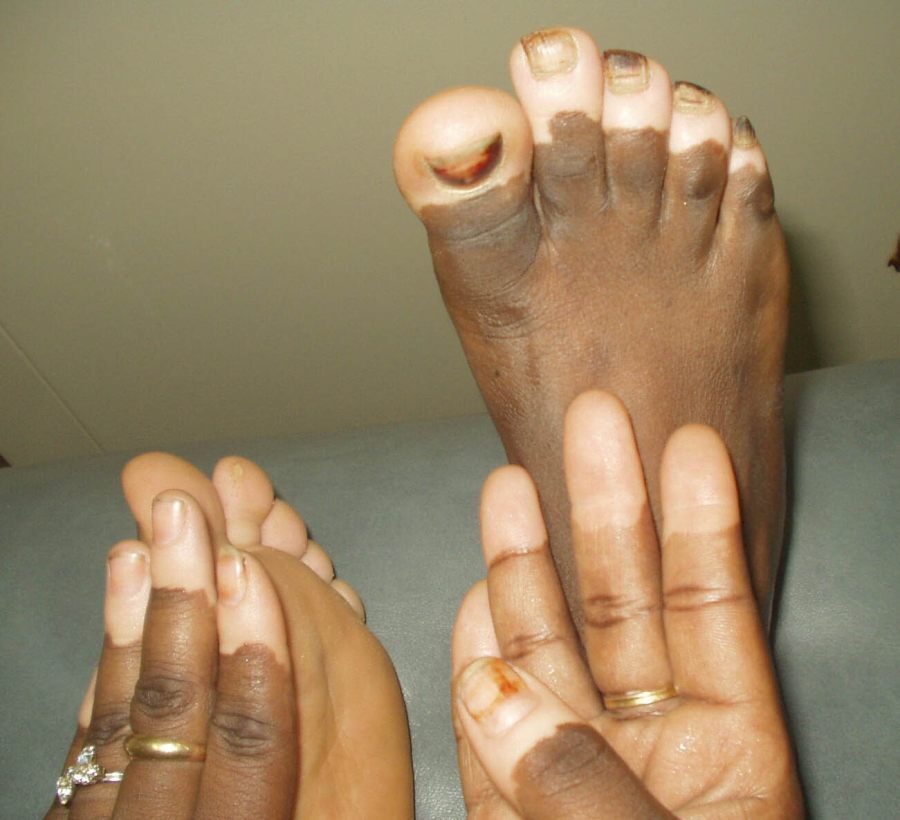
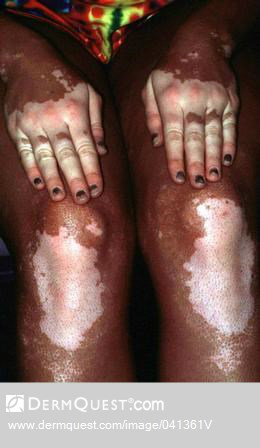
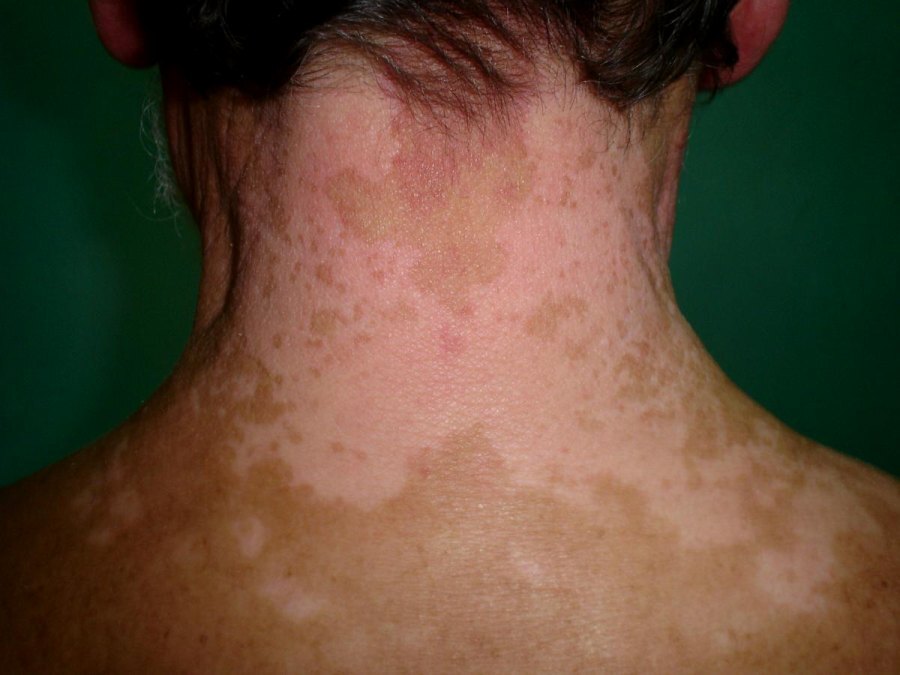
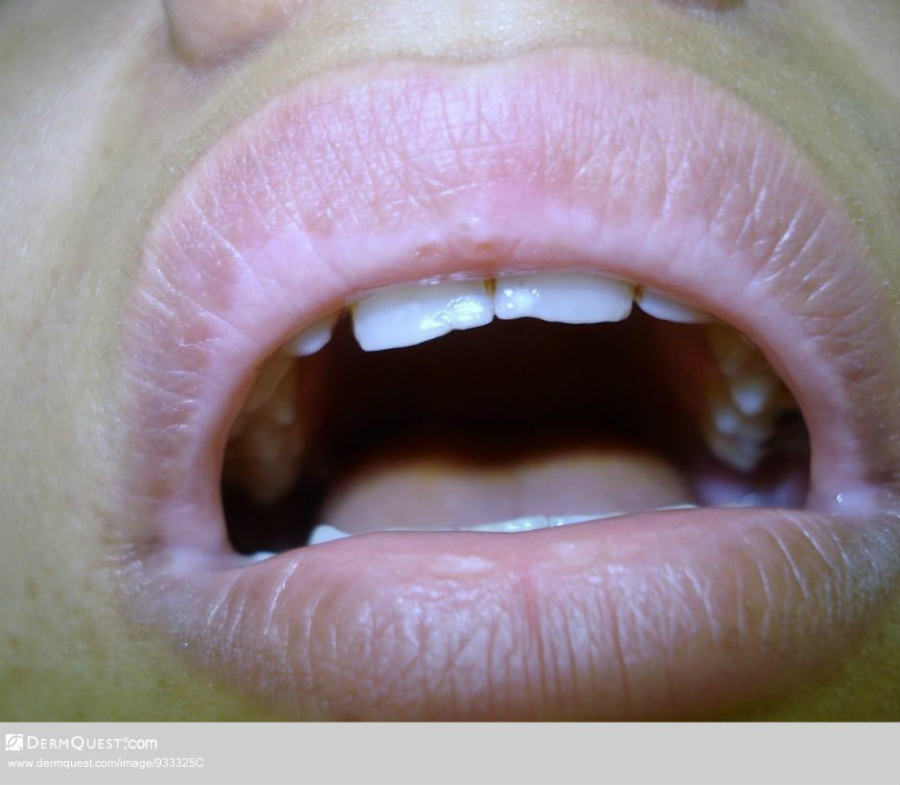
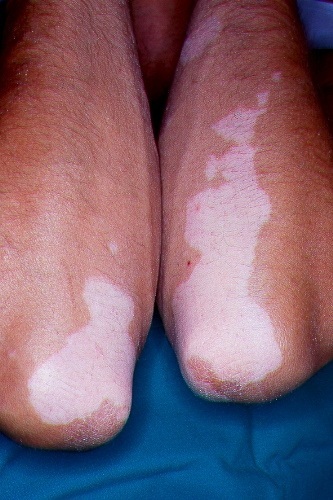
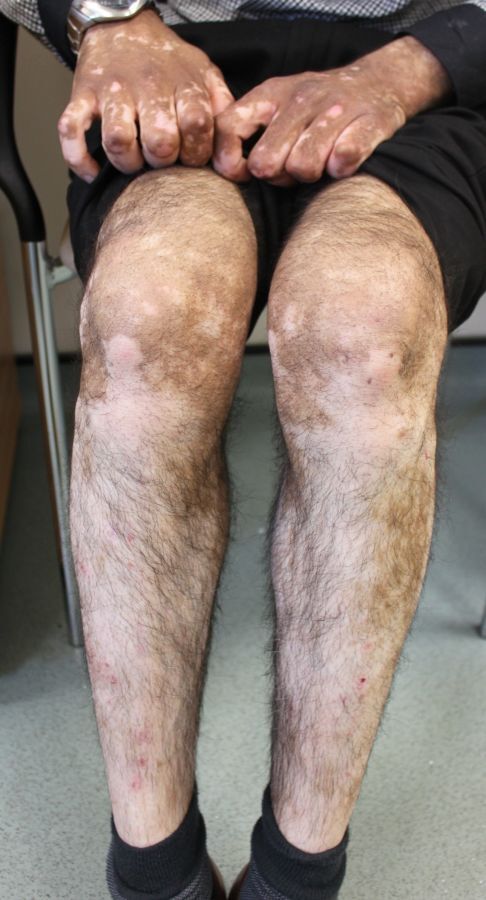
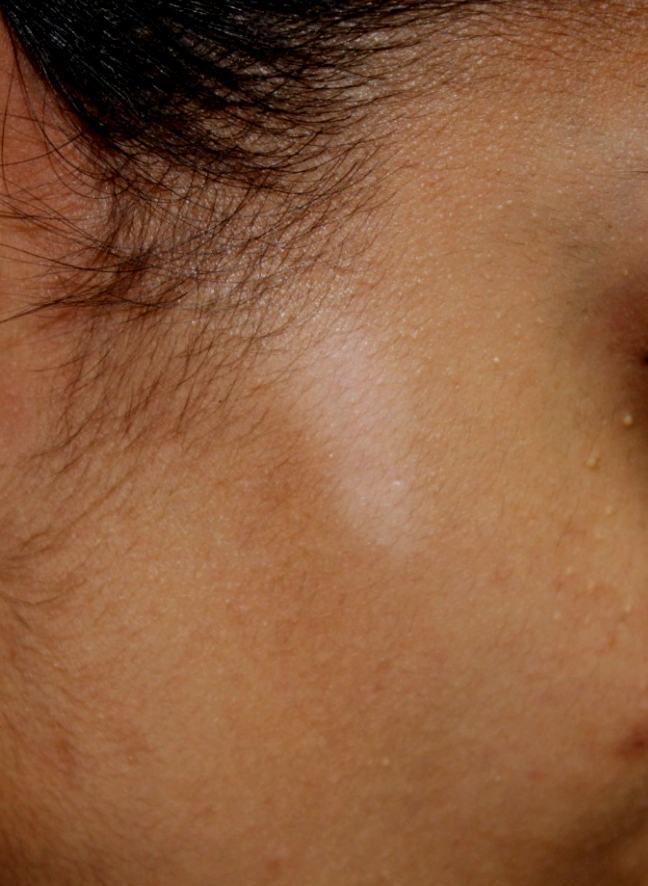
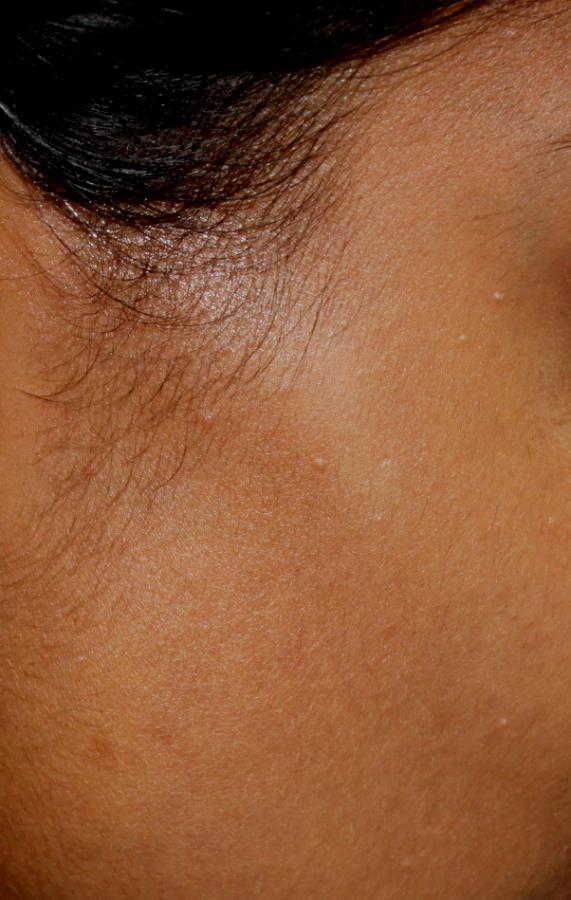
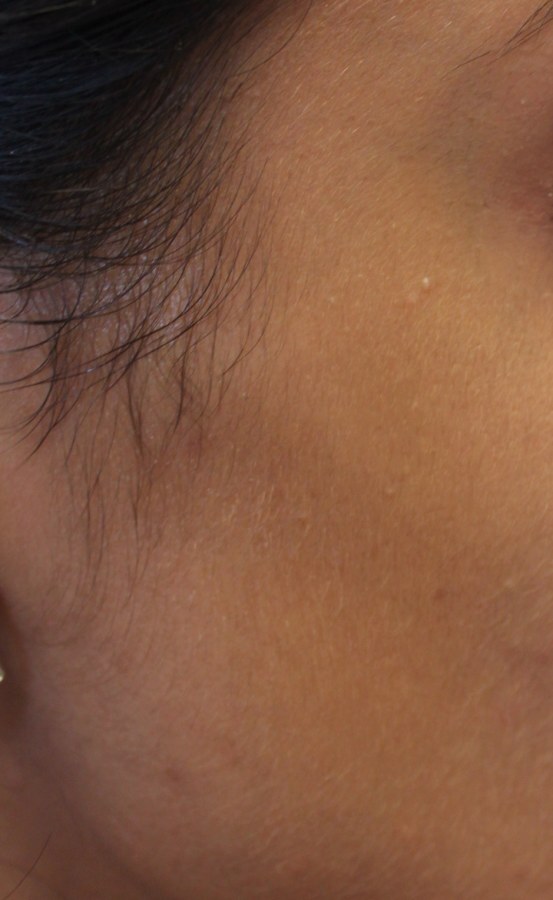
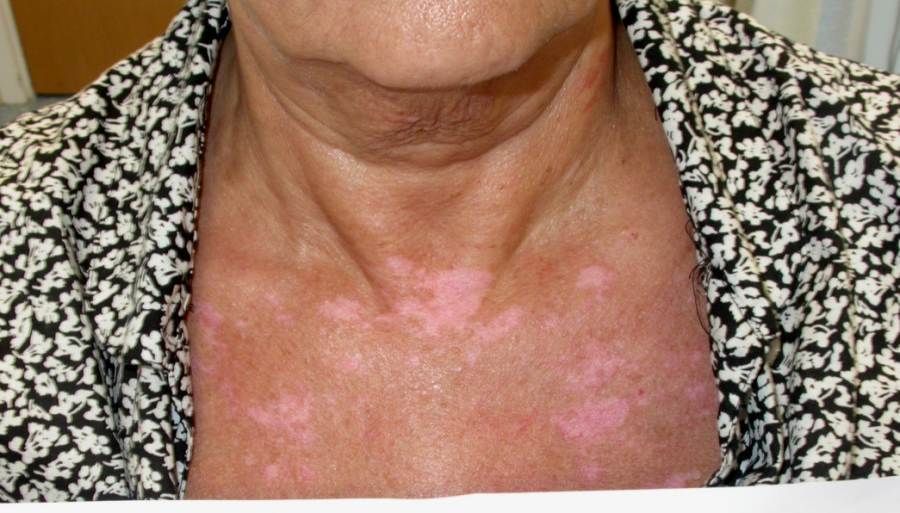
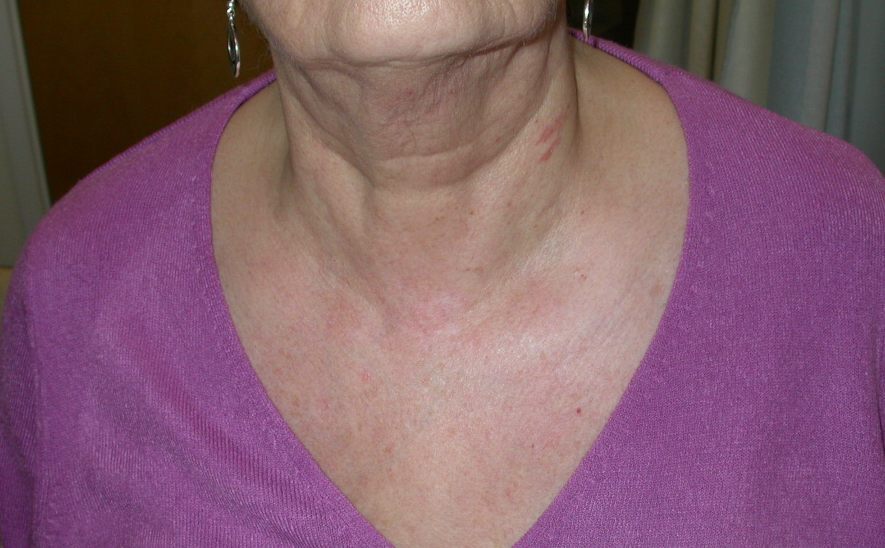
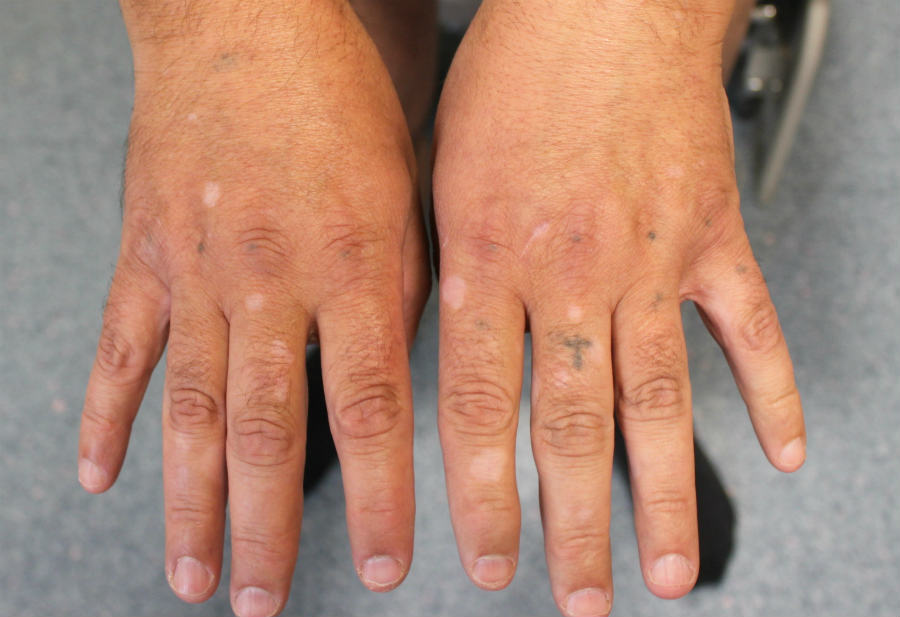
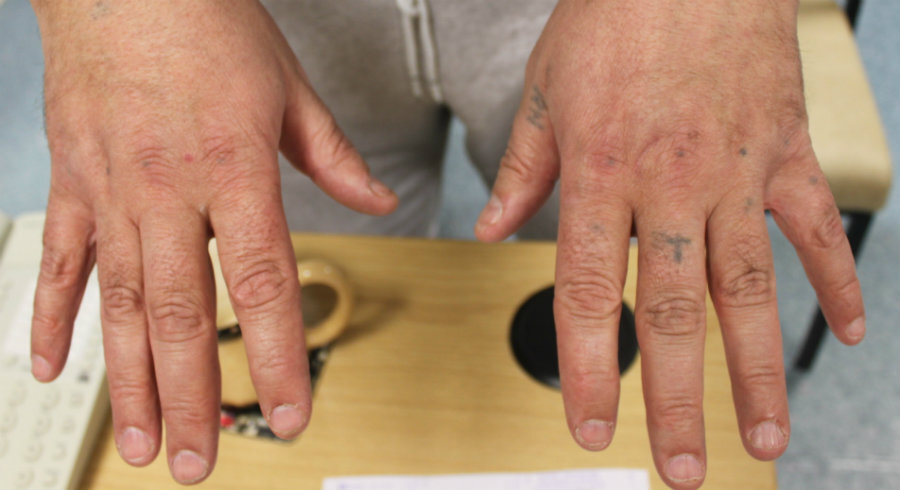
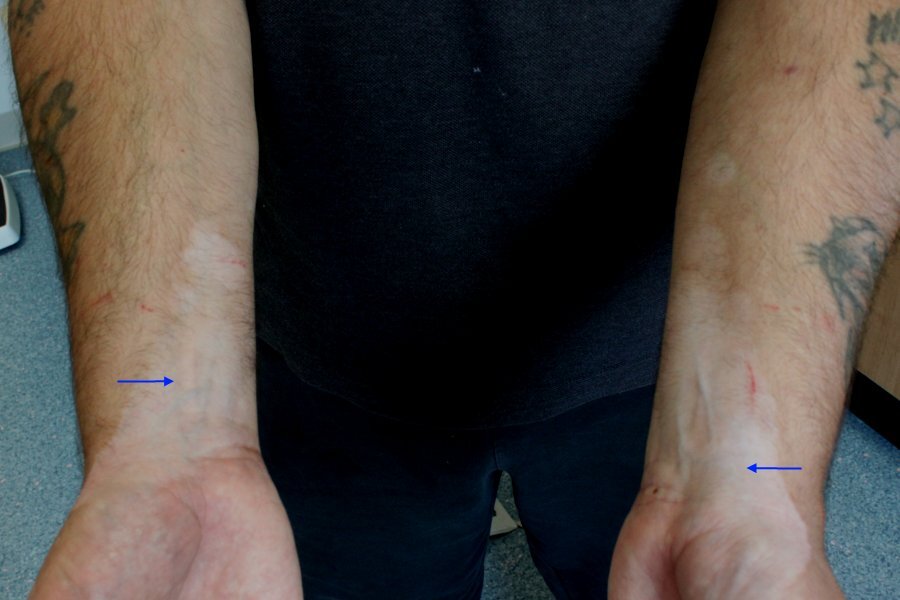
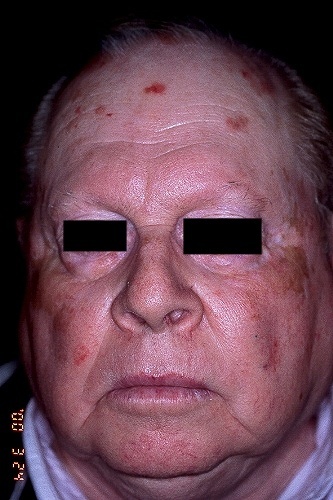
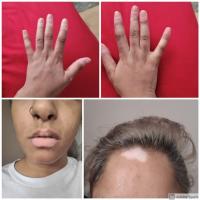
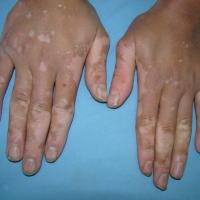
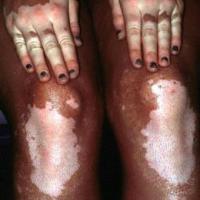
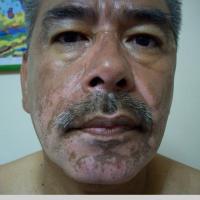
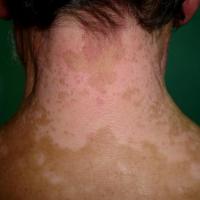
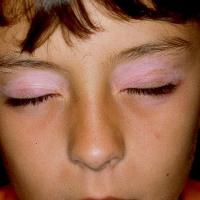
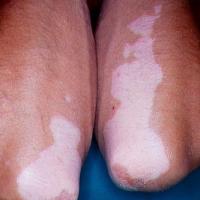
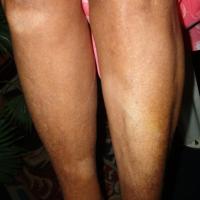
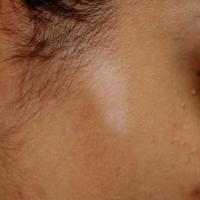
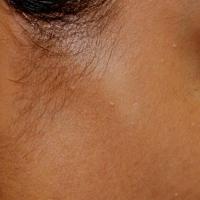
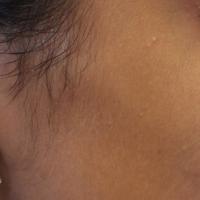
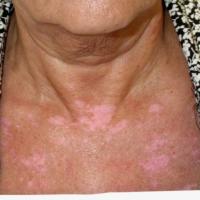
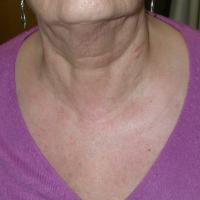
- Often first noted on the face, neck, and dorsum of hands
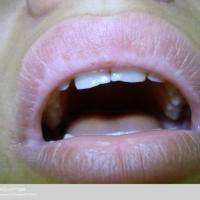
- Other frequently affected sites include those areas of the skin that are normally hyperpigmented such as the axillae, groins, areolae, and genitalia
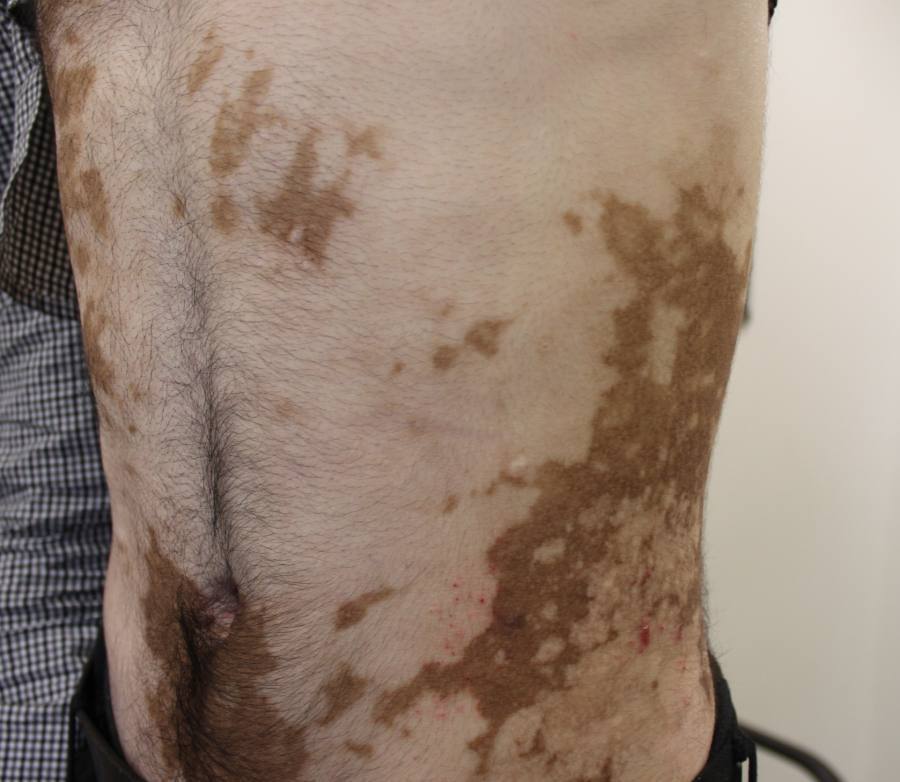
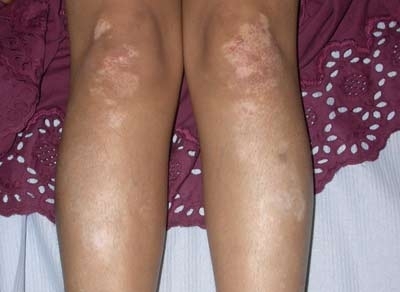
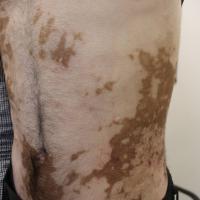
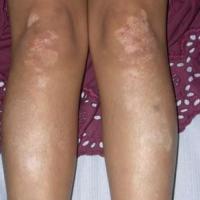
- The pattern is normally symmetrical, although it can be unilateral and occasionally has a dermatomal / segmental arrangement (segmental vitiligo)
- Rarely, pigment loss can be widespread with only a few remaining islands of normally pigmented skin remaining
- Hair - areas of premature greyness can arise in the scalp and other hair-bearing areas
Morphology
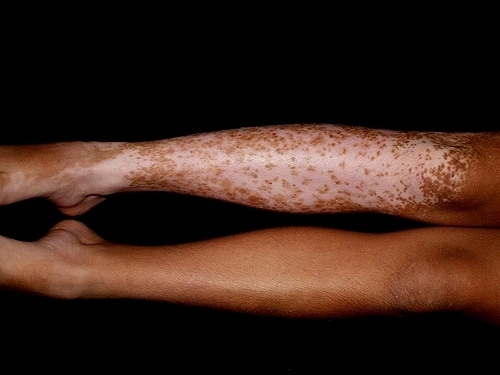
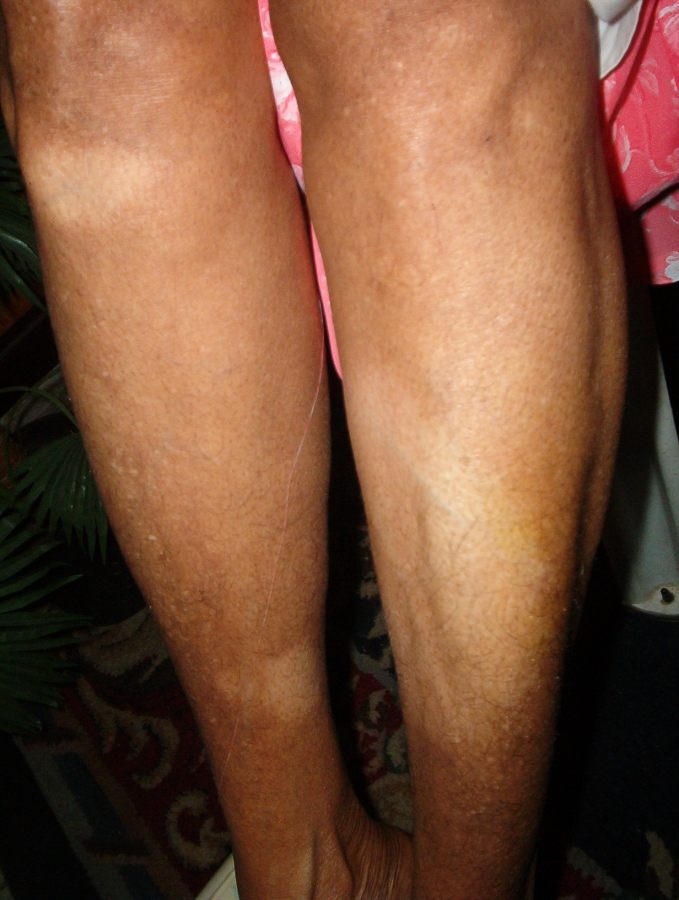
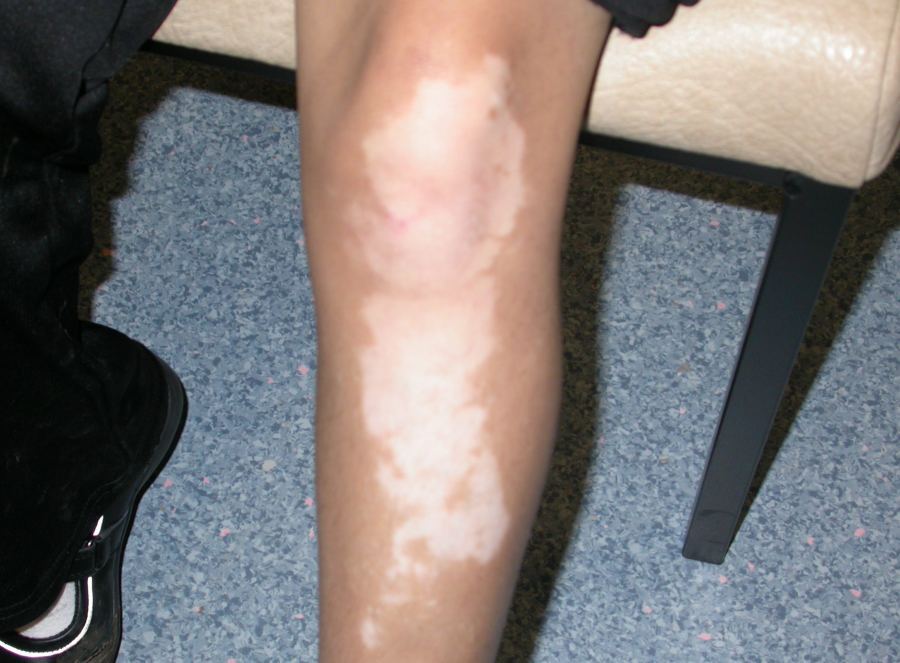
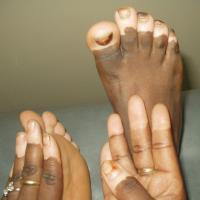
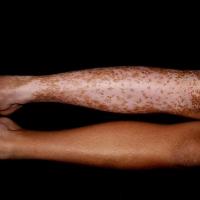
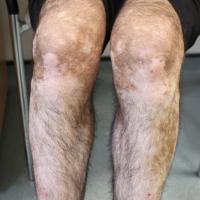
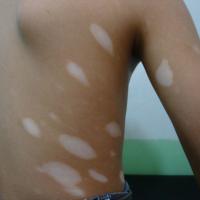
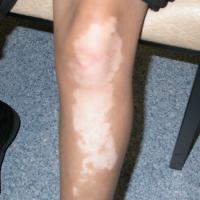
- Hypopigmented macules with convex outlines
- Often fuse with surrounding lesions to form larger patches
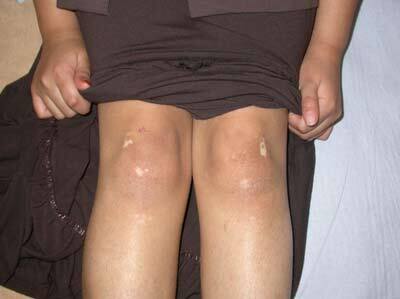
- Koebner phenomenon - depigmentation can occur in areas of the skin that have been traumatised
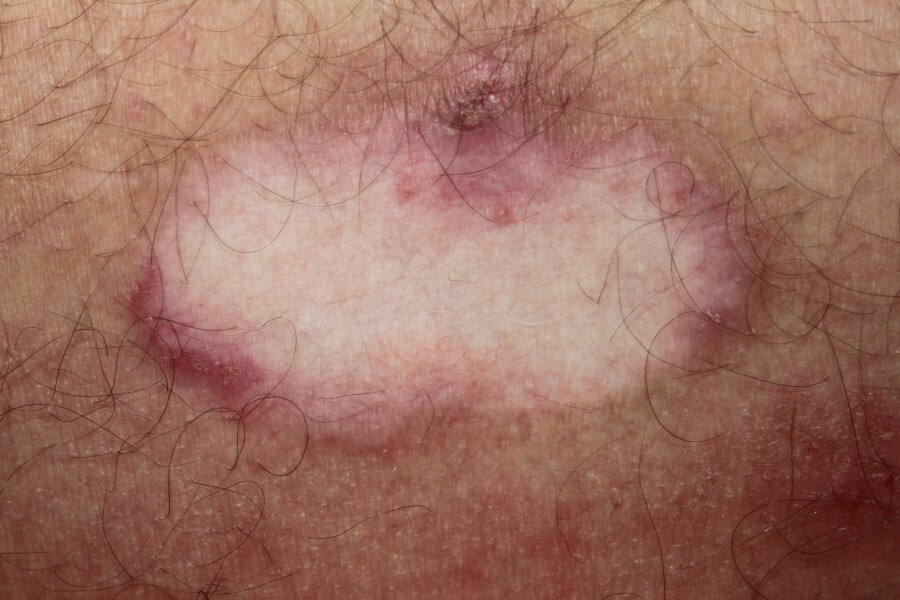
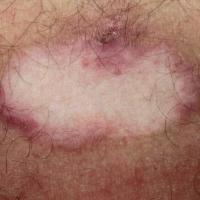
- Inflammatory vitiligo is a rare variant presenting with an elevated, erythematous border. The inflammation may arise at the onset of the vitiligo or later. The aetiology is poorly understood, and there are few reports of successful treatment
Differential diagnosis
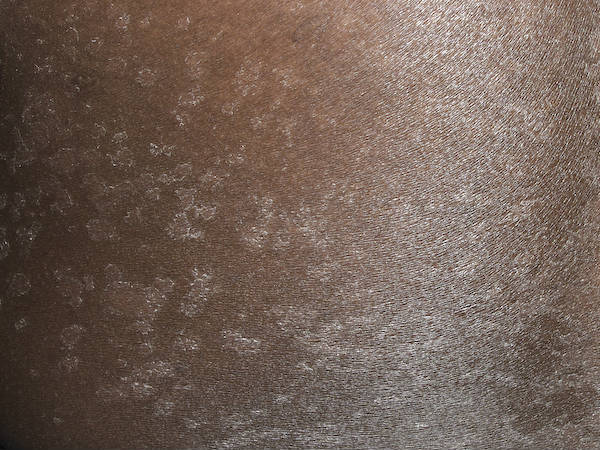
- Pityriasis alba - hypopigmented patches on the face in childhood and adolescence, particularly in skin of colour
-
Piebaldism - hypopigmented patches of skin present at birth, usually associated with a white forelock of hair
-
Leprosy - thickened, hypopigmented, anaesthetic patches of skin. Can be scaly
-
Hypopigmented cutaneous t-cell lymphoma - rare, more common in younger patients with skin of colour. Lesions, which can occur at any site, are predominantly distributed on the trunk and proximal portions of the extremities, especially the buttocks, as well as the pelvic girdle and the lower limbs.
-
There are several other differentials
Clinical Images
Please refer to notes on image rights at bottom of the page with regards to individual image
ownership.
1
2
3
4
5
6
7
8
9

10
11
12
13
14
15
16
17
18
19
20
21
22
23
24
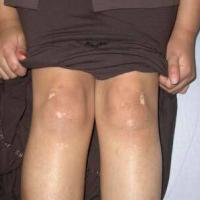
25
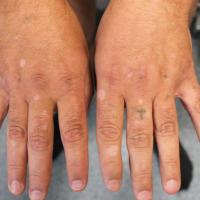
26
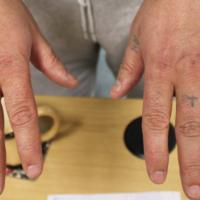
27
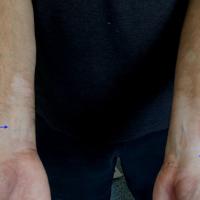
28

29
30
Investigations
- Patients require a TFT and thyroid autoantibody screen, and must be educated about symptoms of thyroid disorders
Management
General management principles
-
Refer to the top right of the page for a patient information leaflet available through a QR code or printable PDF
- Refer patients urgently to Secondary Care with rapidly progressive vitiligo
- Offer a referral to a camouflage team for best advice on how to cover up the affected areas. Camouflage teams tend to be based in hospital outpatient departments, if this is not so contact your local dermatology department or Changing Faces. Alternatively patients may wish to use their own fake tan products
- Offer sunscreen with a 4 or 5-star UVA rating and sun protection factor 50 - ideally this should be applied to affected patches (for protection) and surrounding skin (to lessen contrast ie tanned-skin will show up areas of vitiligo)
- Consider measuring serum vitamin D levels in people with vitiligo who are avoiding all sun exposure. If levels are reduced, advise that they may wish to consider taking supplementary vitamin D3 (10–25 micrograms per day) and increasing their intake of foods high in vitamin D, such as oily fish, eggs, meat, fortified margarines, and cereals
- Monitor for psychological complications as vitiligo is associated with higher levels of social anxiety
-
Discuss the treatments below, if treatment is commenced monitor for treatment response via images taken at the beginning of treatment and at regular intervals of approximately 3–6 months
Who to treat?
-
Patients very unlikely to benefit from treatment include those with vitiligo at the extremities eg hands and forearms, and those with longstanding vitiligo
-
Patients more likely to respond to treatment include cases of more central vitiligo eg the face, and recent onset vitiligo
- Greater consideration to treat also needs to be given to those with marked psychological impact
-
Other considerations - vitiligo in skin of colour is likely to have a greater impact on the patient as it is harder to disguise. In pale skin, avoiding tanning often gives good camouflage
Topical treatments for thin areas of skin - face, flexures, and genitalia (refer below for children)
- Tacrolimus (Protopic ®) 0.1% ointment BD should be considered first-line, which appears to be more effective than other topical calcineurin inhibitors (ie pimecrolimus cream)
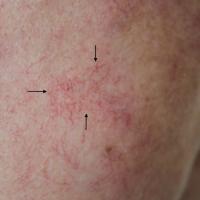
- Having discussed the risks and benefits of topical steroids on thin skin, offer a potent topical steroid, eg mometasone 0.1% cream, in addition to tacrolimus. To reduce the risk of steroid atrophy, apply thinly OD, initially on alternate weeks. If there are signs of atrophy (figure 33) then reduce the frequency of steroid application. The other main adverse effect of topical steroids is hypertrichosis (excess hair growth)
- Review at 3 months
Topical treatments of other sites (refer below for children)
- Once daily applications of a potent topical steroid, eg mometasone 0.1% cream, may be as effective as a super-potent topical steroid and should be considered first-line for an initial period of three-six months; response to treatment can be slow. If there is limited response, then consider a super-potent topical steroid (eg Dermovate ®)
- The possible adverse effects of topical steroids need to be discussed as above, although they are less common on areas of thicker skin
Consideration of referral for phototherapy, and sometimes systemic steroids (refer below for children)
-
Almost two-thirds of patients get 50% or more re-pigmentation but a prolonged course of treatment is needed (6 months in children and 12 months in adults), and relapse occurs in 75% patients within two years
-
The use of phototherapy is perhaps best reserved for patients who have failed to respond to topical treatments AND who are both more severely affected by their vitiligo and are suitably motivated to attend for a prolonged treatment
- Narrow-band UVB phototherapy is the initial treatment of choice
- Rapidly progressive vitiligo - oral betamethasone 0·1 mg kg−1 twice weekly on two consecutive days for 3 months followed by tapering of the dose by 1 mg per month for a further 3 months, in combination with narrow-band UVB phototherapy, is occasionally used to try and arrest disease activity
Treatment of children and young people
Childhood-onset vitiligo is common and affects around 30% of patients with vitiligo. Research shows that most paediatric patients with vitiligo (89%) had disease onset after the age of 4 years. In most aspects, vitiligo is very similar in children and adolescents compared with adults, including treatment approaches. However, there are a few important management aspects to consider when seeing paediatric and adolescent patients:
- There is very little published evidence for treatment interventions in children aged under 12 years
- The impact of vitiligo on children will depend on age and developmental level. Treatment decisions, including deciding not to actively treat, should consider the child’s own level of concern about the condition and its impact on them. Potential future impact may also be considered
- Topical steroids - young children are more at risk from skin atrophy, especially on areas of thinner skin such as the face. On such areas consider non-steroid options initally such as tacrolimus 0.1% ointment BD for 3 months, if there is no significant improvement then consider adding in a potent topical steroid (as above). Topical potent and super potent steroids are more likely to have a systemic effect due to the increased surface-area-to-volume ratio in young children, and caution should be exercised regarding their use in more widespread involvement
- Phototherapy - excess UV exposure may have different biological effects in young children compared with adults, with childhood sunburn episodes increasing the risk of melanoma. More caution should be exercised in recommending phototherapy treatment in children. Phototherapy is logistically difficult in young children and is generally not offered to children under the age of 5 years.
- Systemic corticosteroid treatment can affect growth in children, and more caution should be exercised when recommending their use in children
Other treatments
- Consider excimer laser or light in people with localised vitiligo, in combination with tacrolimus 0.1% ointment. Prior to treatment, advise patients that there is a theoretical increased risk of skin cancer with this combination of treatment. This treatment is not widely available on the NHS, but is available in a limited number of centres with a specialist interest
Minimal remaining vitiligo
-
A few patients have very extensive vitiligo and, as such, the main cosmetic problem is the remaining areas of pigmentation. This tends to cause more problems in patients with skin of colour
-
Patients can be referred to dermatology for consideration of 20% Benoquin ® cream, which bleaches the skin. This is used twice a day for at least four months, response to treatment can be very slow. If it is helping, patients may need to use for much longer to reach their desired outcome
Other resources
Disclaimer - the author PCDS cannot accept responsibility for any misleading or incorrect statements, and the management of individual patients remains the direct responsibility of the individual doctor. We do however hope that visitors to this site can contact us regarding comments that are considered misleading or incorrect so that we can continue to improve the site.
Image Rights - The PCDS would like to thank Dermatoweb, DermQuest (Galderma), and others who have contributed images. All named individuals and organisations maintain copyright for the relevant images.