Actinic prurigo

LAST UPDATED: Aug 02, 2021
Introduction

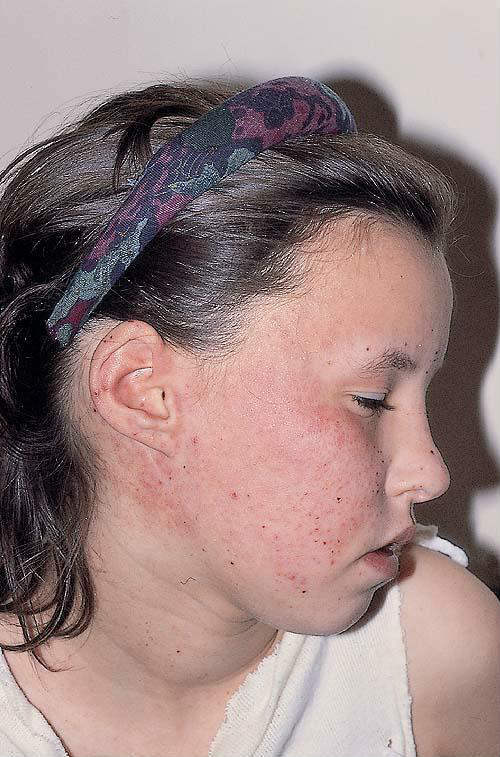
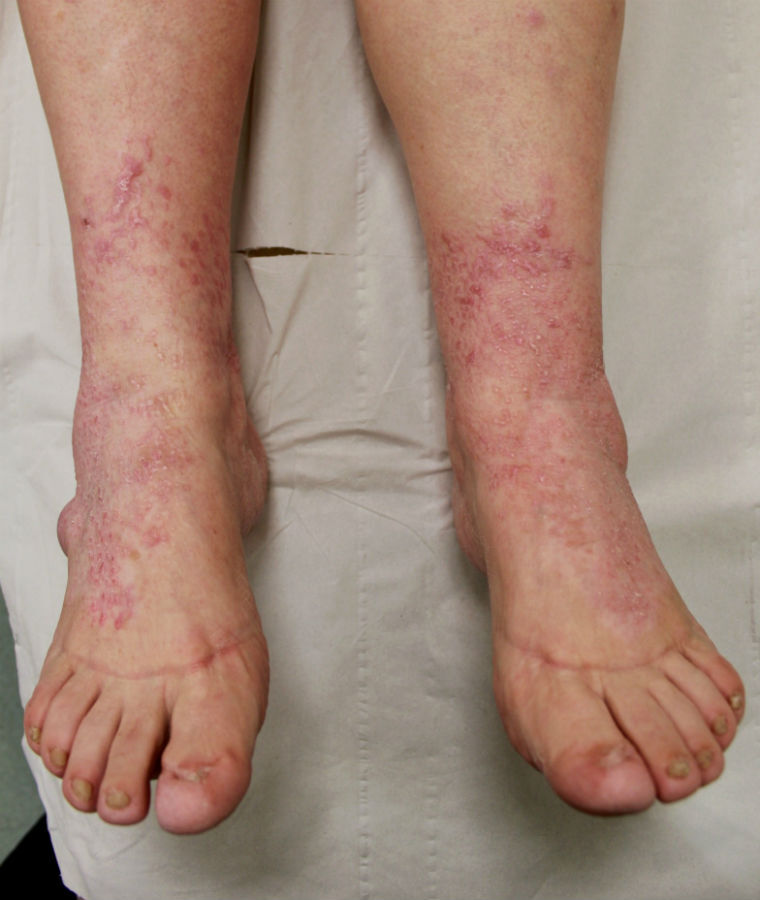
Actinic prurigo is a rare, UV-induced papular or nodular, itchy and usually excoriated eruption.

This chapter is set out as follows:


History

  • Rare in Europe but common amongst some populations in the Americas
  • Commoner in children, especially girls
  • Often starts in the first decade of life
  • Lesions are usually very itchy
  • Symptoms most apparent in summer, when most affected people are aware of distinct flares related to UV exposure. Often fails to clear completely in the winter
  • Often improves over time and may resolve by teenage years or early adulthood, occasionally persisting into adult life

Clinical findings

Distribution

  • The face and distal limbs predominate although non-exposed sites can be affected

Morphology 

  • Initially pink papules or small nodules and plaques, and sometimes vesicles, which usually become rapidly excoriated, crusted and scabbed, not infrequently with associated eczematization and subsequent scarring
  • Ocular symptoms and soreness and inflammation of the lips are common

Clinical Images

Please refer to notes on image rights at bottom of the page with regards to individual image ownership.
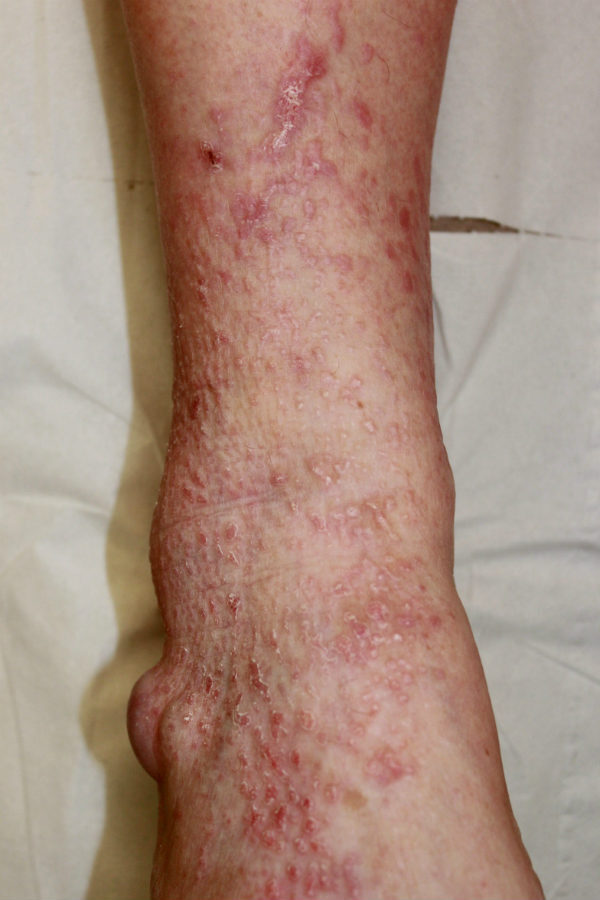
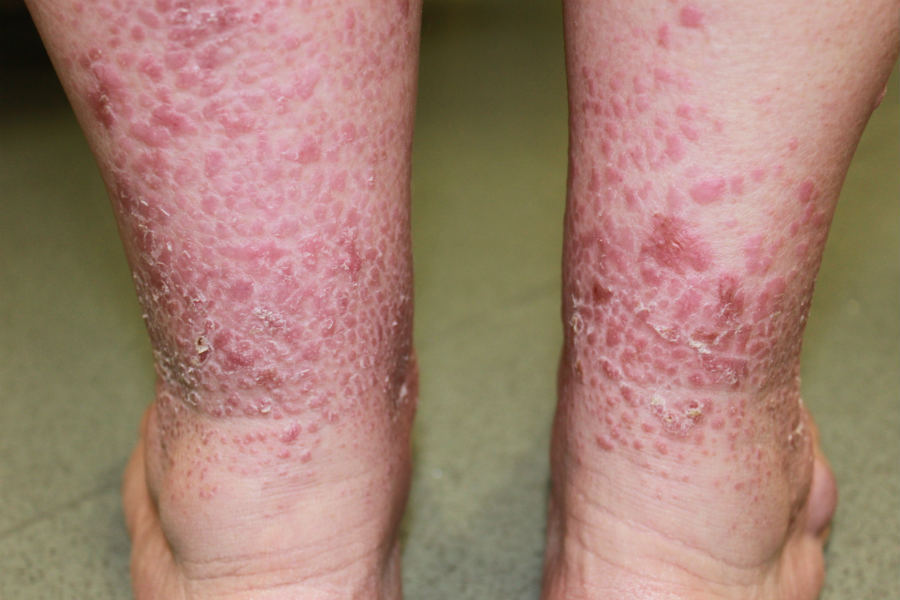
Investigations

  • Phototesting (available in some dermatology departments) is usually required to confirm the diagnosis 

Management

Step 1: general

Step 2: milder cases

  • Can be managed by appropriate UV protection measures (including window film), emollients and potent to super-potent topical steroids

Step 3: moderate to severe cases

  • Referral for phototherapy, to be commenced in early Spring, can help promote tolerance
  • If refractory to treatments, Thalidomide (in those who are not of child‐bearing potential) or immunosuppressive drugs such as azathioprine may be required

Disclaimer - the author PCDS cannot accept responsibility for any misleading or incorrect statements, and the management of individual patients remains the direct responsibility of the individual doctor. We do however hope that visitors to this site can contact us regarding comments that are considered misleading or incorrect so that we can continue to improve the site.

Image Rights - The PCDS would like to thank Dermatoweb, DermQuest (Galderma), and others who have contributed images. All named individuals and organisations maintain copyright for the relevant images.

Quick Links

The following pharmaceutical companies have had no involvement in the content of this website or in our conference programmes

Almirall
Galderma
Glenmark
Johnson & Johnson
La Roche-Posay
LEO Pharma
Pierre Fabre
Schuco