Eczema: hand (and foot) eczema
LAST UPDATED: Jul 18, 2025
Introduction
Hand eczema often results from a combination of both genetic (constitutional) factors and contact with irritants (contact irritant dermatitis). In addition some patients may have a contact allergic dermatitis (refer to the related chapter Eczema: contact allergic dermatitis).
This chapter is set out as follows:
History
-
A careful history is needed to identify relevant occupational factors and hobbies
Clinical findings
-
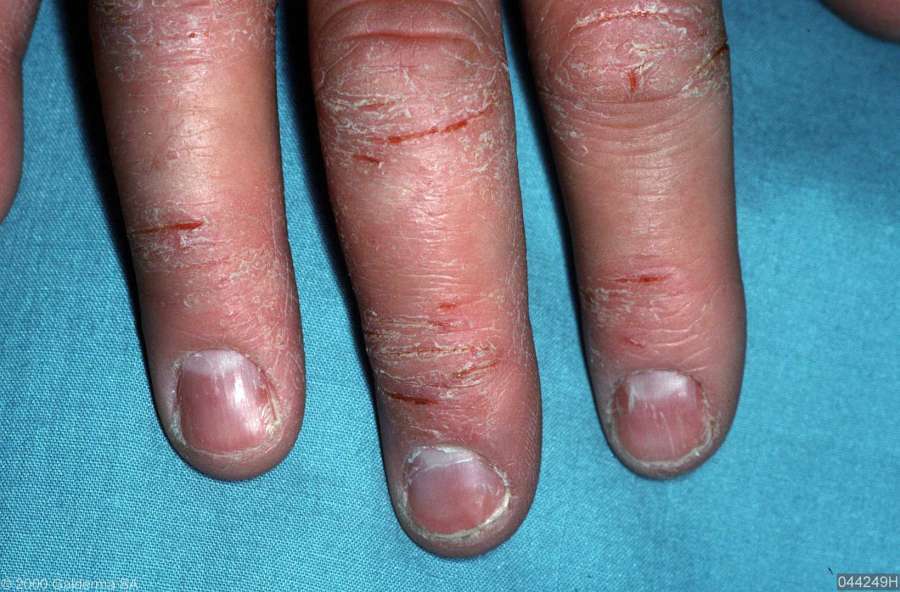
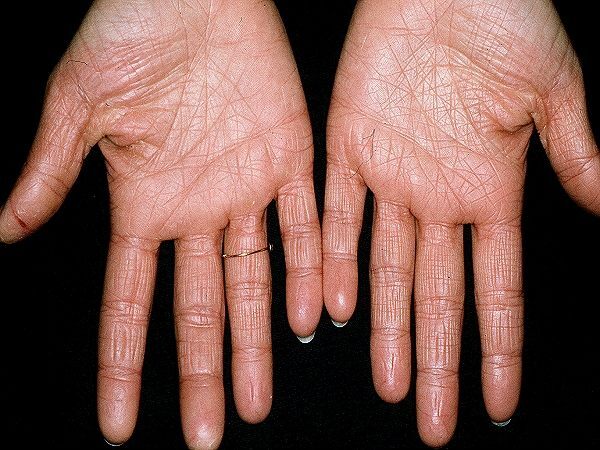
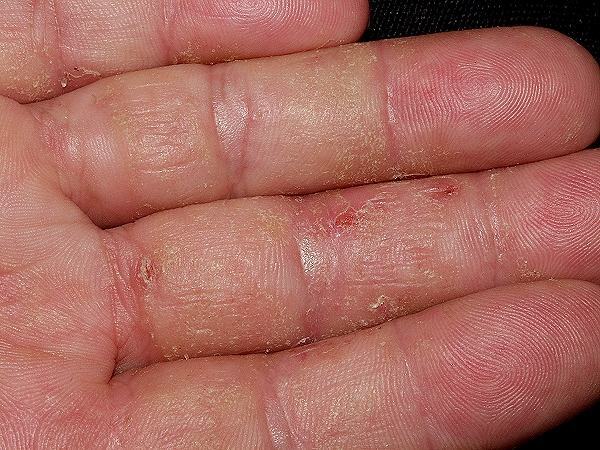
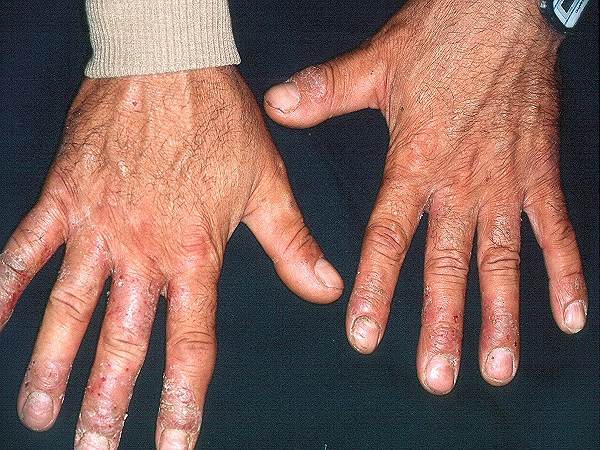
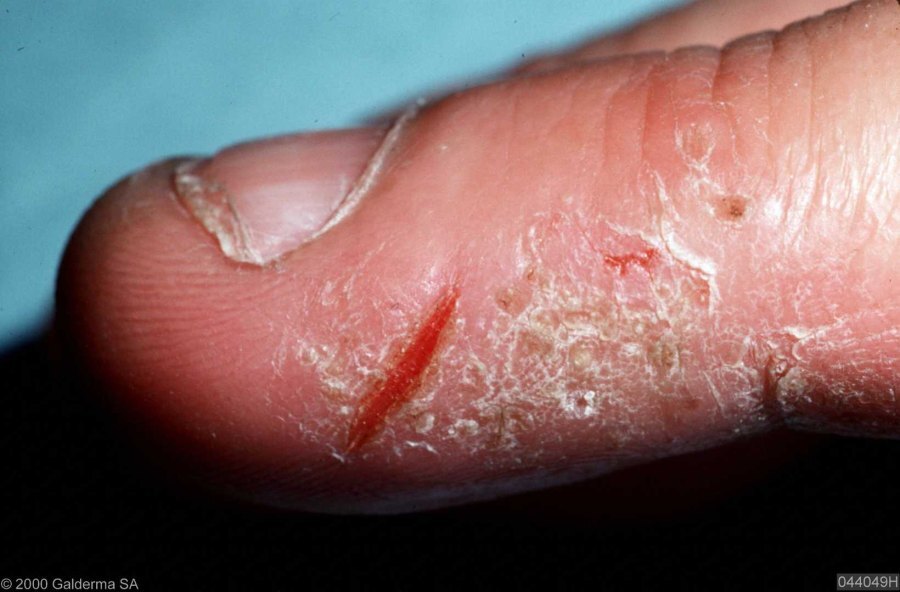
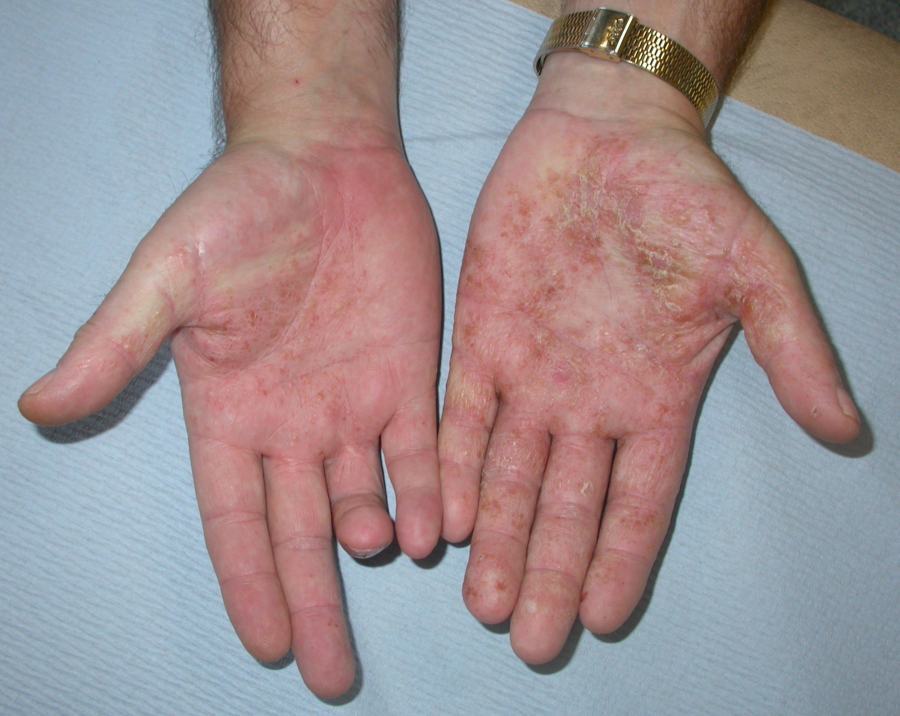
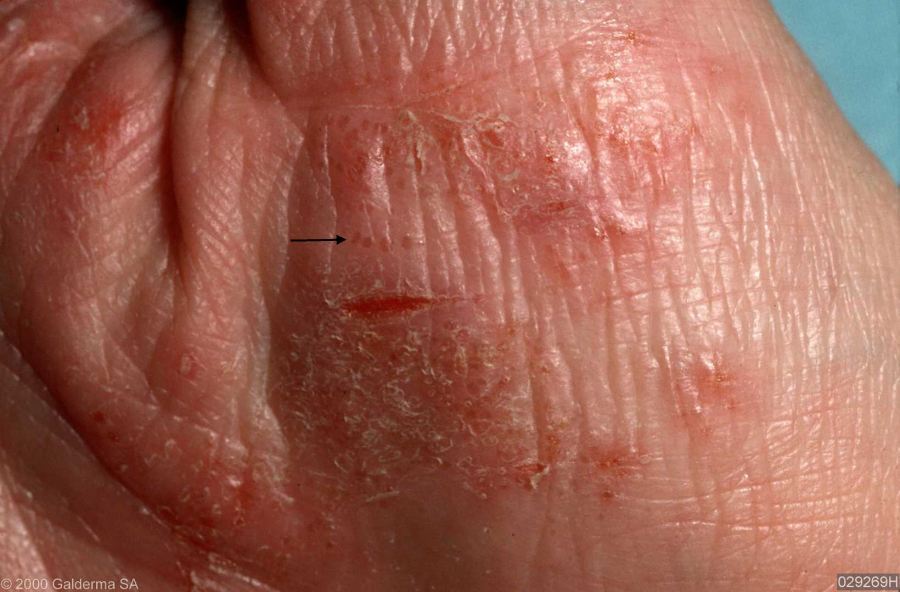
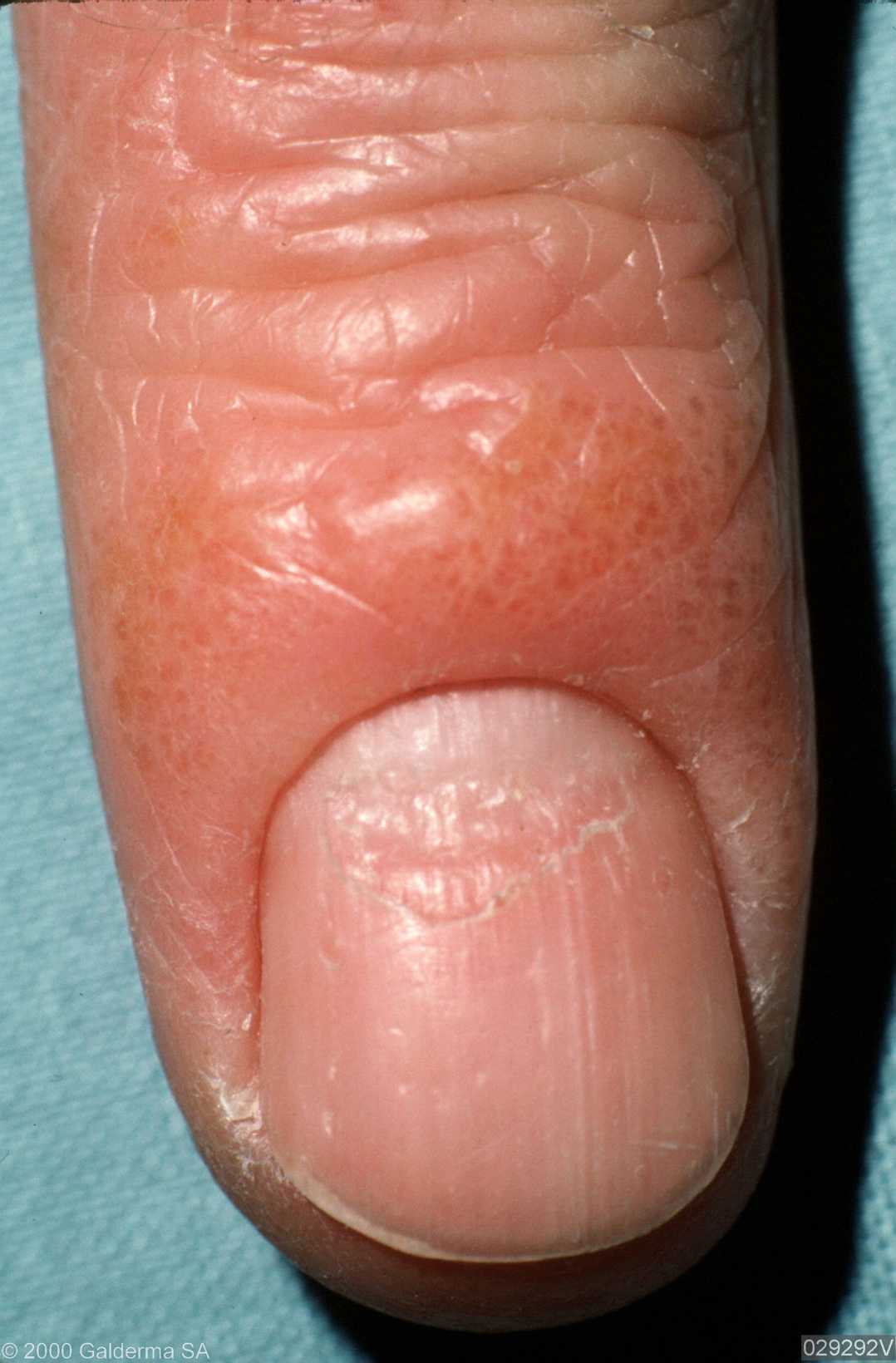
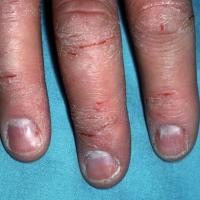
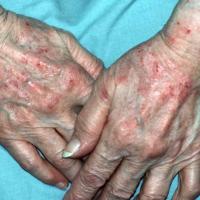
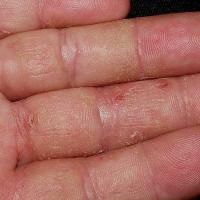
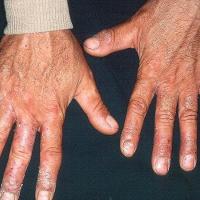
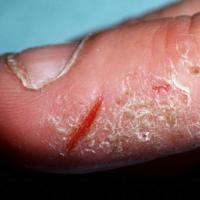
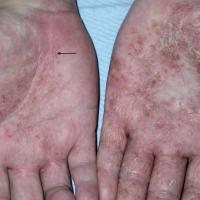
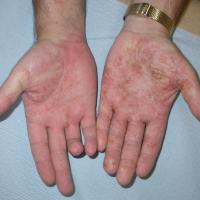
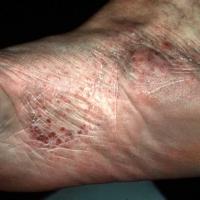
Dry and scaling (if features asymmetrical it is important to look for tinea - skin scrapings should be sent for mycology)
-
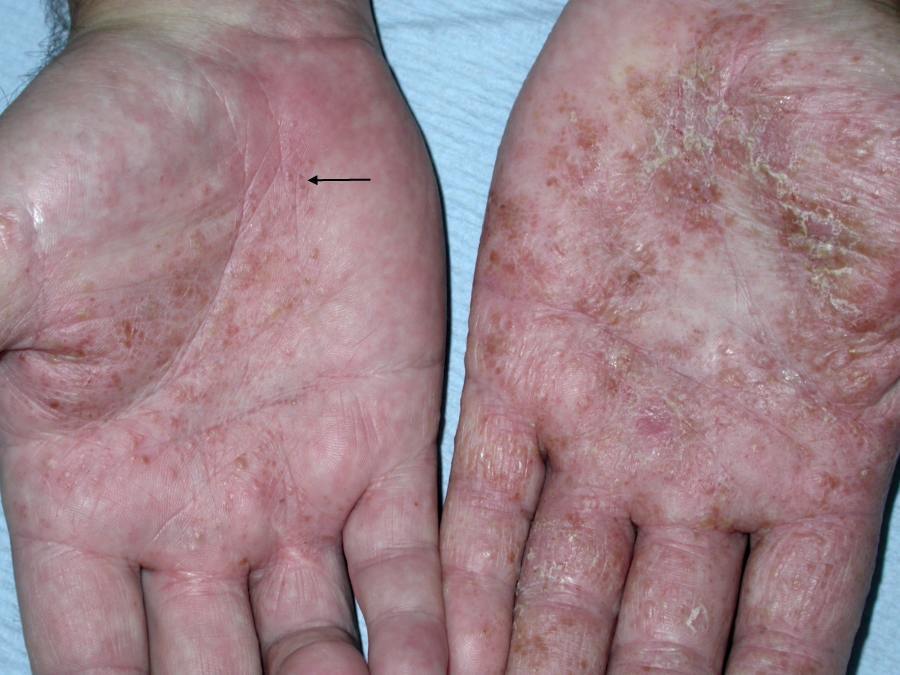
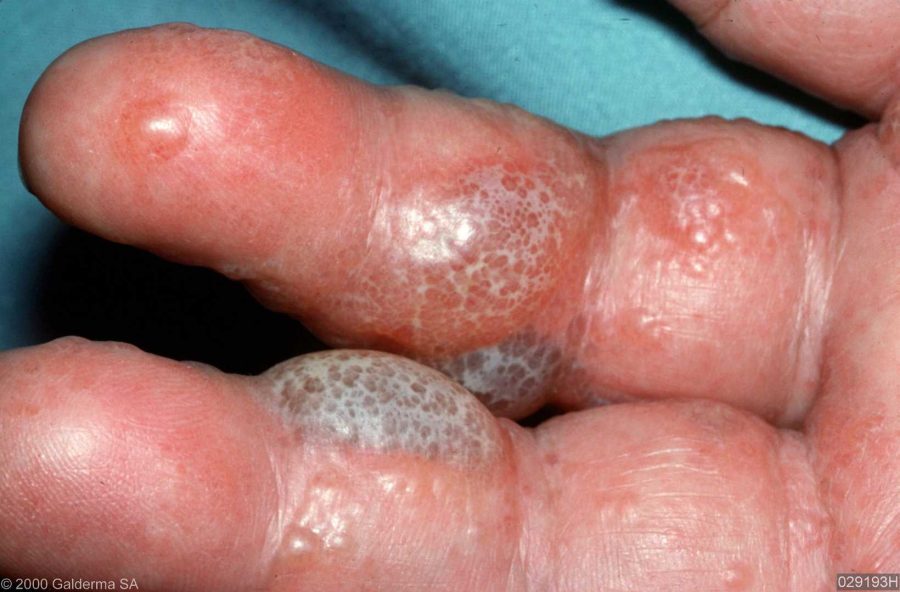
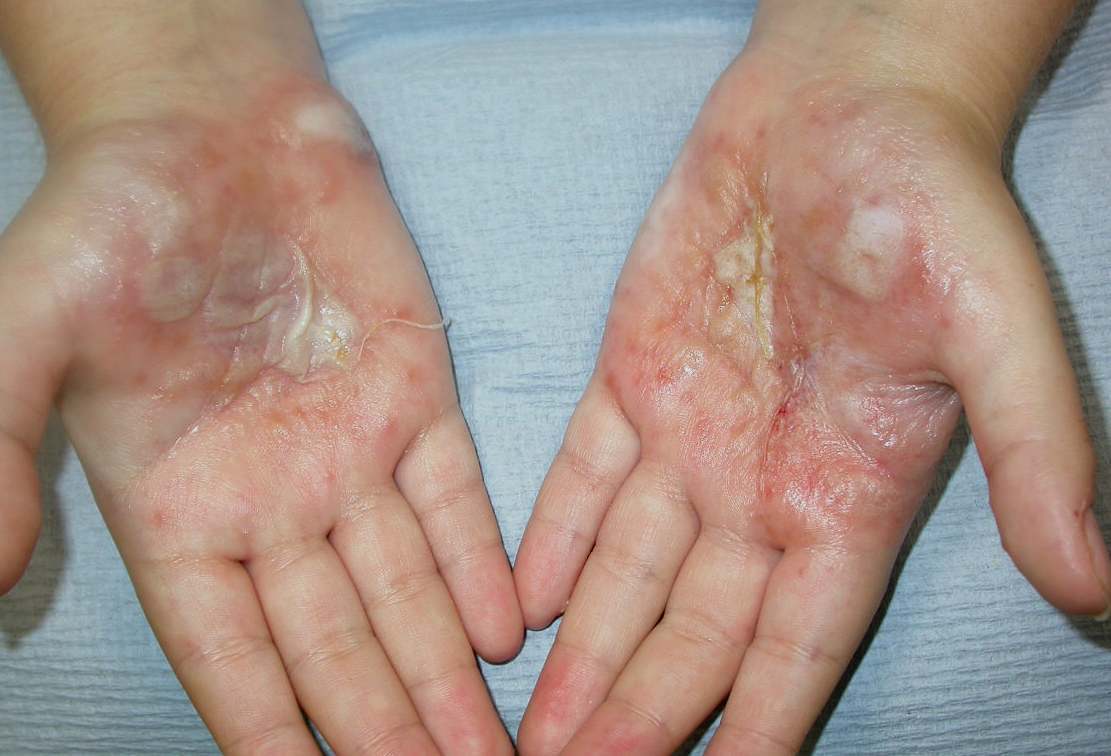
Wet and weeping (with or without vesicles / blisters)
-
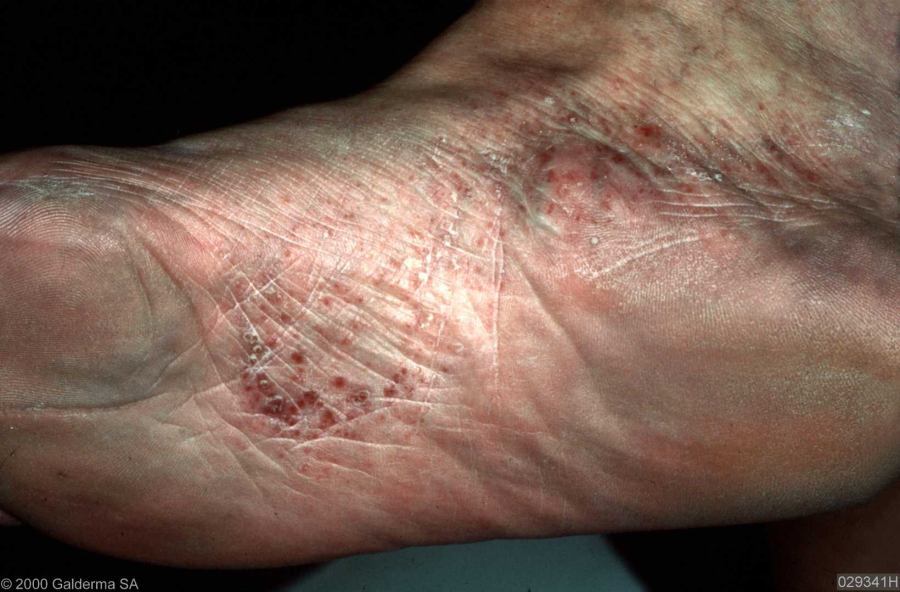
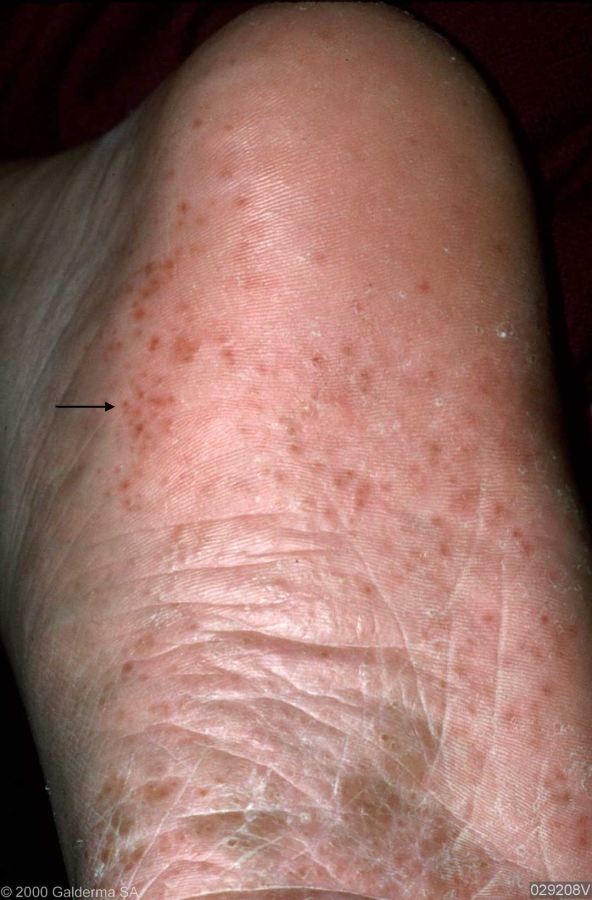
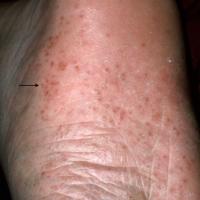
Pompholyx (dyshidrotic eczema): a specific type of eczema that usually presents periodically with intensely itchy vesicles that predominate on the palms and sides of fingers. On occasions large blisters may develop. One of the differentials is an id reaction, most commonly associated with tinea pedis, as such it is recommended to check the feet - refer to the related chapter for more information
-
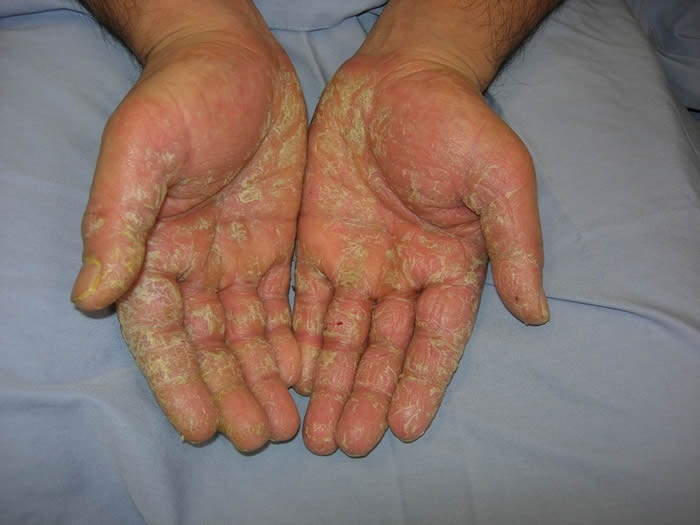
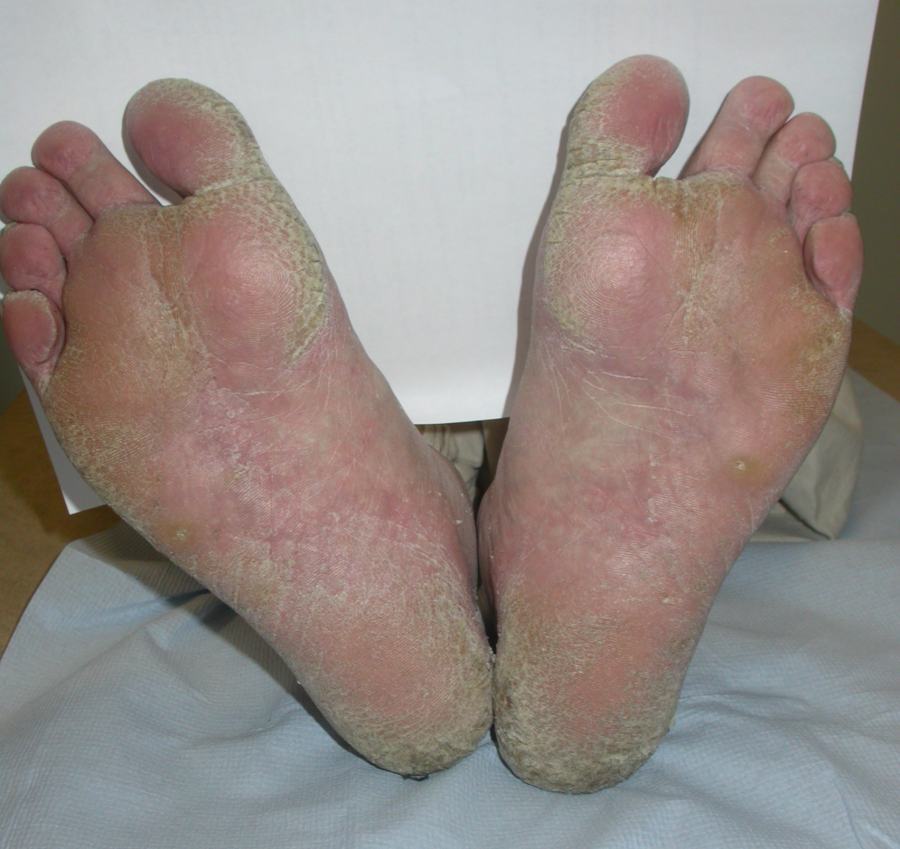
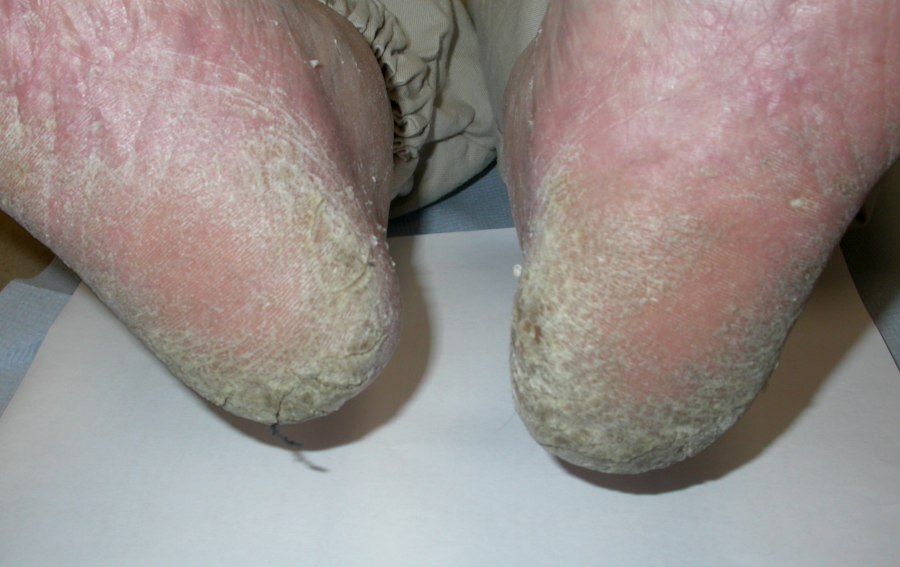
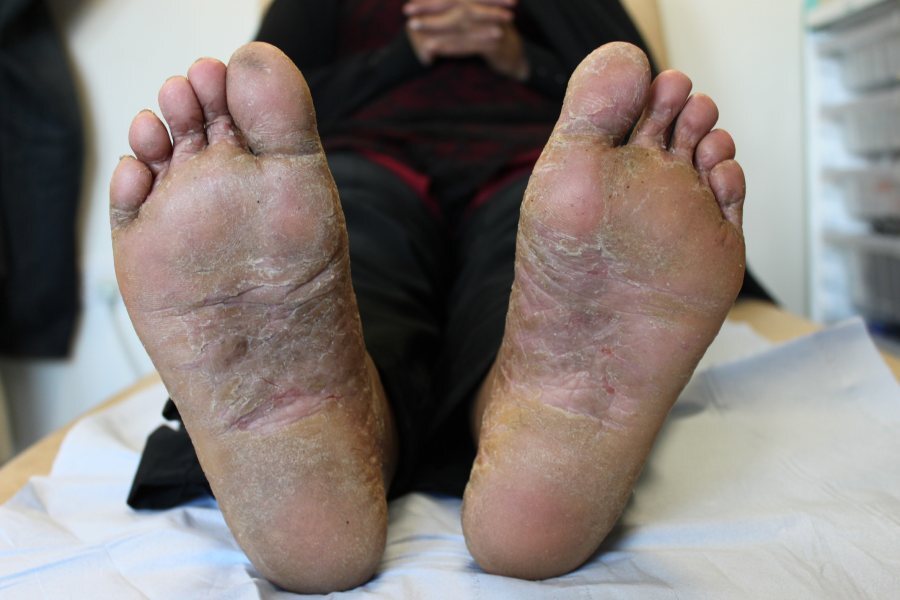
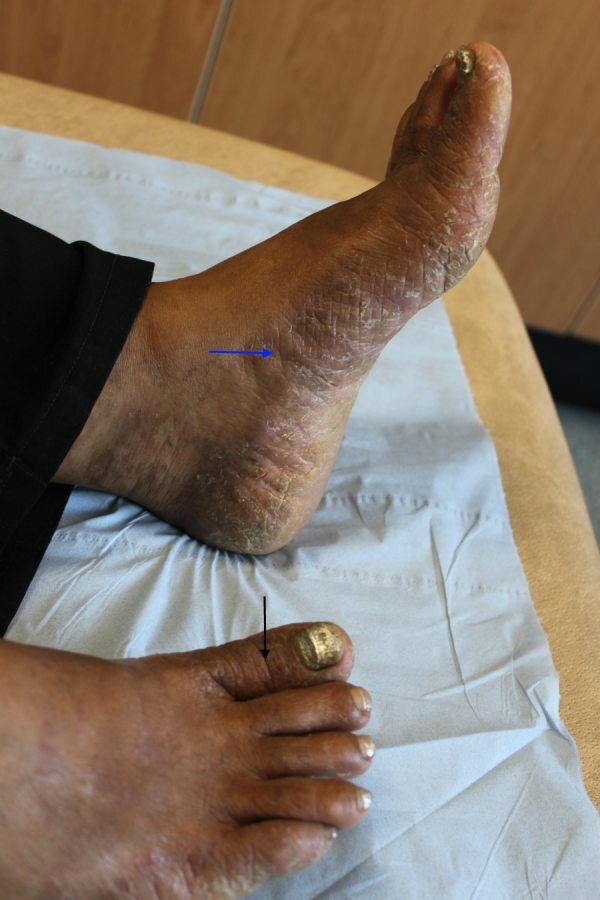
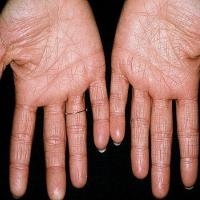
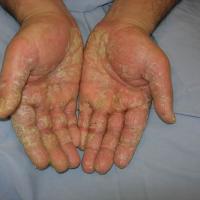
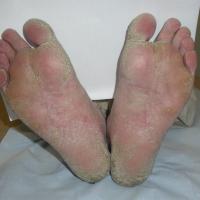
Hyperkeratotic eczema: thick areas of scale on the palms and soles. Can be very difficult to distinguish from psoriasis although the latter may be better demarcated
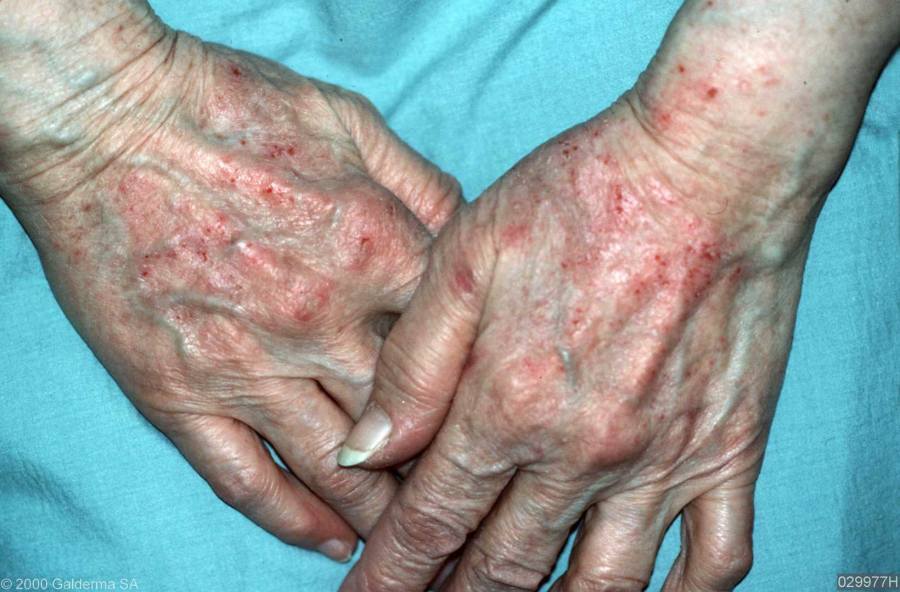
Clinical Images
Please refer to notes on image rights at bottom of the page with regards to individual image
ownership.
1
2
3
4
5
6
7
8
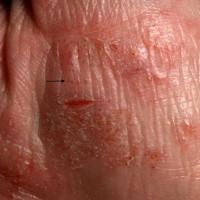
9
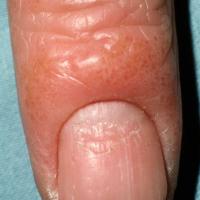
10
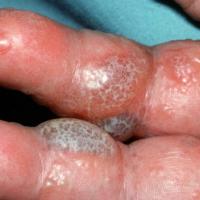
11
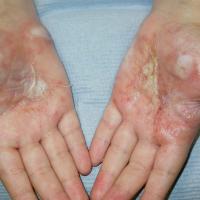
12
13
14
15
16
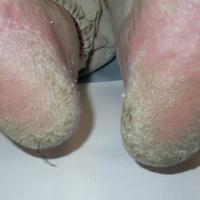
17
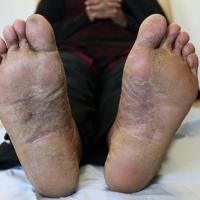
18
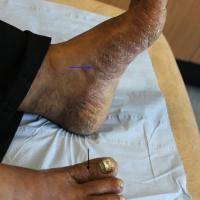
19
Management
Step 1: general management
- Refer to the top right of the page for a patient information leaflet available through a QR code or printable PDF
- Eliminate any obvious cause - perform swabs for bacteriology and treat if positive. Take skin scraping for mycology if appropriate
- Gloves - hands should be protected when doing house / occupational work
- Patients can use either cotton gloves (cotton gloves should be washed inside pillowcases otherwise they tend to fall apart in the washing machine), vinyl gloves or rubber gloves (the latter two are both suitable for 'wet' work)
- Cotton lined rubber gloves should be used for patients allergic to certain allergens such as acrylates and epoxy resins, which can penetrate rubber and vinyl gloves
- Refer to the related chapter Contact allergic dermatitis if latex / rubber allergy is suspected
Step 2: bullae / weeping eczema
- Aspirate any large bullae
- For weeping skin / large bullae: use potassium permanganate solution (one Permitab ® dissolved in four litres of warm water, soak for 10-15 minutes, 2-4 times a day) - provide written instructions
Step 3: emollients
- Soap substitutes eg E45 ® emollient wash cream, or Dermol ® wash (200 mls)
- Emollient creams / ointments must be applied several times a day including after hand washing
Step 4: corticosteroids
- Potent / super-potent topical steroids are often needed to treat hand eczema eg Betnovate 0.1% ® cream or Dermovate ® cream. If the hands are not weeping the effects of treatment can be enhanced by way of night time occlusion using either cotton gloves or Clingfilm wrapped around troublesome areas
- Fissures. Consider steroid impregnated treatment - there are two types, both of which can be left on for up to 24 hours before reapplying:
- Haelan ® tape (fludroxycortide tape) - patients can follow this link for an application guide
- Betesil ® medicated plaster (betamethasone valerate 2.25mg) - patients can follow this link for an application guide
- Short courses of oral prednisolone may be needed if symptoms are severe - the usual dose is 0.5 mg/kg per day for the first week, to then be reduced by 5 mg per day each week (eg a 60 kg patient will require 30 mg OD week one, 25 mg OD for week two and so on). An antibiotic may also be needed if the skin is infected
Step 5: hyperkeratotic eczema of the palms and soles
- Emollients containing urea (under cotton gloves at night for the hands and socks for the feet if needed)
- Diprosalic ® ointment OD-BD is often effective for erythema with scale
- Very thick scale on the feet can be treated by higher strengths of urea (eg Flexitol 25% ® Urea Heel Balm; various 20% urea products can be purchased online) should be applied to the skin under a damp sock with a dry sock on top, starting 3 nights a week. In Secondary Care 10-20% preparations of salicylic acid in yellow soft paraffin can be used, however, these are often made up as a 'special' and can be costly
- See below for moderate-severe cases
Step 6: who to refer
- Troublesome symptoms not responding to the treatments referred to above
- If contact allergic dermatitis (CAD) is suspected refer to dermatology for patch testing - it can be difficult to differentiate contact allergic dermatitis from other types of hand eczema
- The first-line systemic treatment for moderate-severe hyperkeratotic hand / foot eczema are the systemic retinoids acitretin (Neotigason ®) and alitretinoin (Toctino ®). Systemic retinoids are teratogenic and so all woman of childbearing age need to be on a pregnancy prevention program. They should be prescribed in the same context as with isotretinoin, accordingly by dermatologists, or physicians with experience in the use of systemic retinoids, who have full understanding of the risks of systemic retinoid therapy and monitoring requirements - this could include an experienced GPwER working in an integrated fashion with a local dermatology department
- Other treatments used in Secondary Care include extremity PUVA (phototherapy), methotrexate, and ciclosporin
Other resources
Disclaimer - the author PCDS cannot accept responsibility for any misleading or incorrect statements, and the management of individual patients remains the direct responsibility of the individual doctor. We do however hope that visitors to this site can contact us regarding comments that are considered misleading or incorrect so that we can continue to improve the site.
Image Rights - The PCDS would like to thank Dermatoweb, DermQuest (Galderma), and others who have contributed images. All named individuals and organisations maintain copyright for the relevant images.