Eczema: contact allergic dermatitis (including latex and rubber allergy)

LAST UPDATED: Jun 30, 2022
Introduction

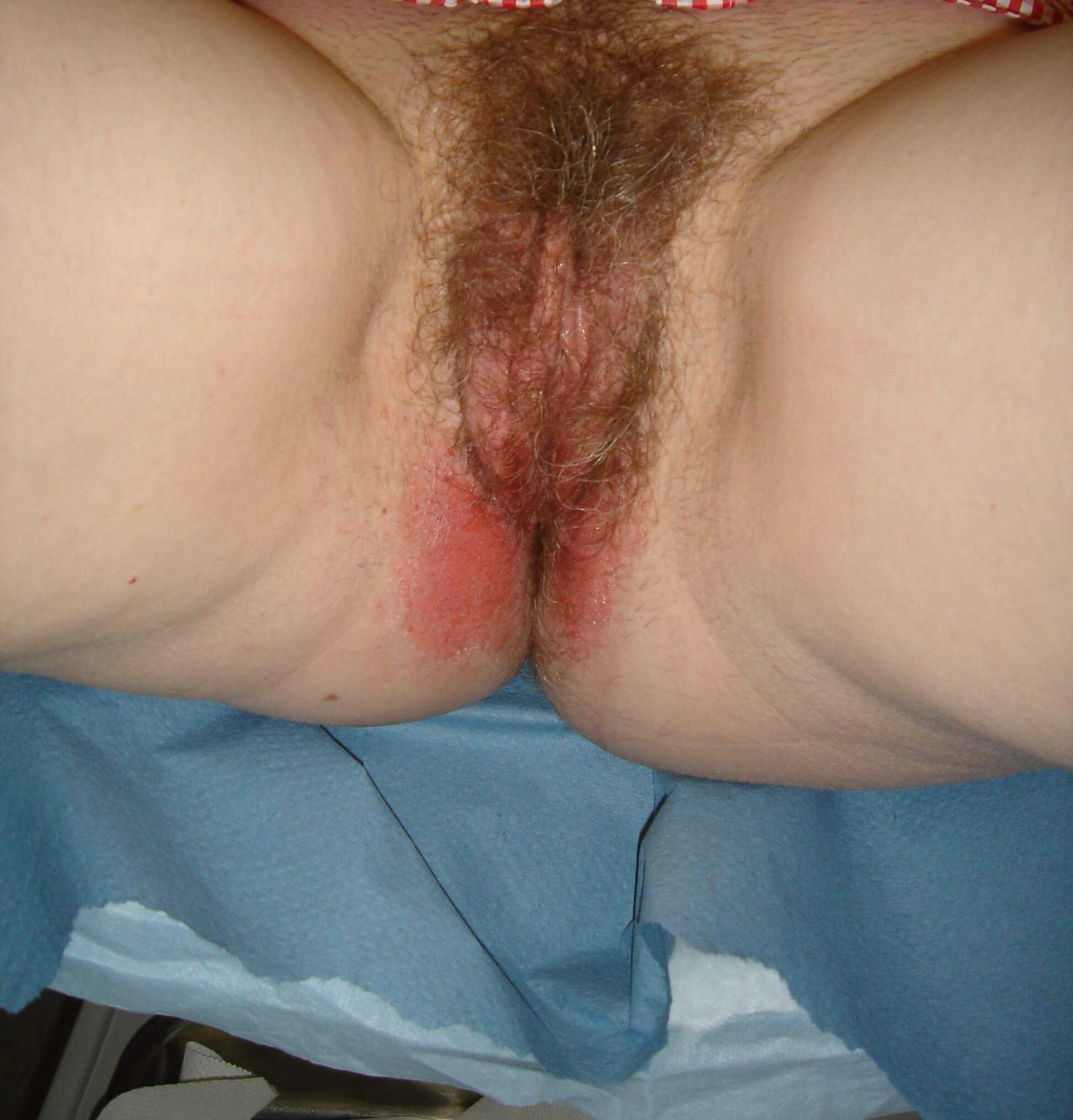
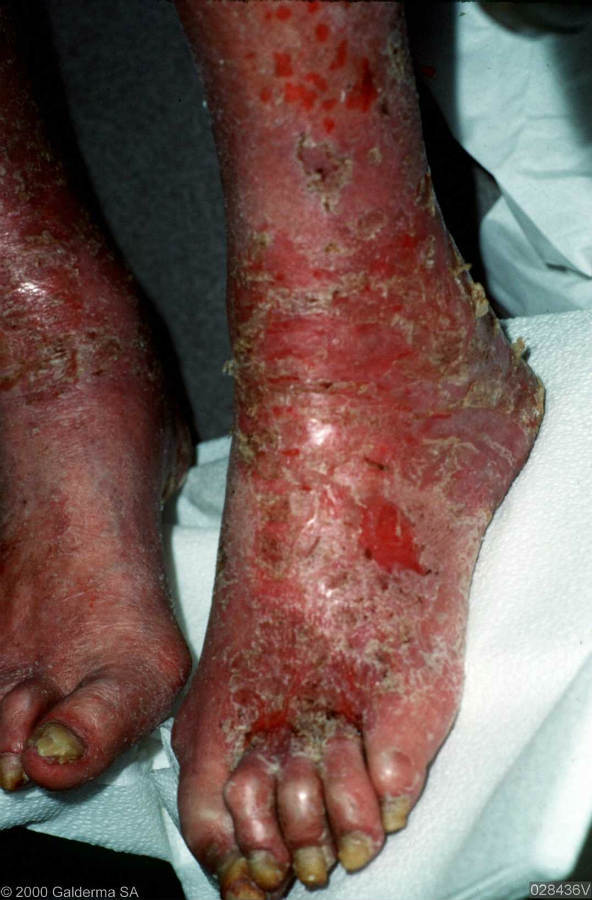
Contact allergic dermatitis (CAD) is an itchy skin condition caused by an allergic reaction to material in contact with the skin. The first contact does not result in allergy, and in some cases the patient has been able to touch the material for many months or years without an adverse reaction. A diagnosis of CAD is not always easy to identify as patients may have co-existent atopic eczema or contact irritant dermatitis.

Contact dermatitis should be distinguished from contact urticaria, in which symptoms appears within minutes of exposure and fade away within minutes to hours, an allergy to latex is the best known example of allergic contact urticaria.

This chapter is set out as follows:


History

Contact allergic dermatitis - general 

It is not always easy to diagnose contact allergic dermatitis on clinical grounds alone. Although the history may give clues to the cause, some cases of allergy develop a considerable time after first contacting the offending substance. Referral to a dermatologist with an interest in contact dermatitis should be considered for the following:

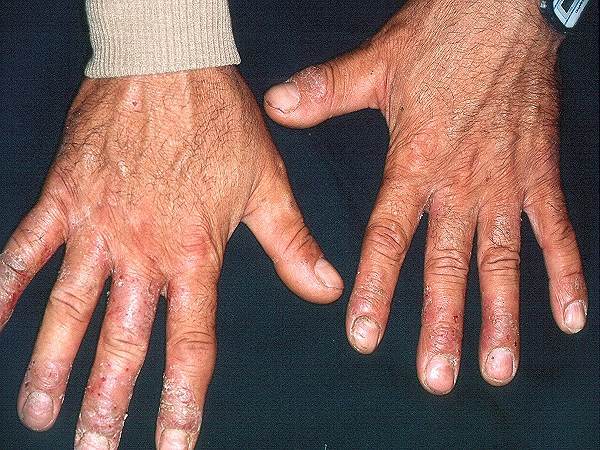
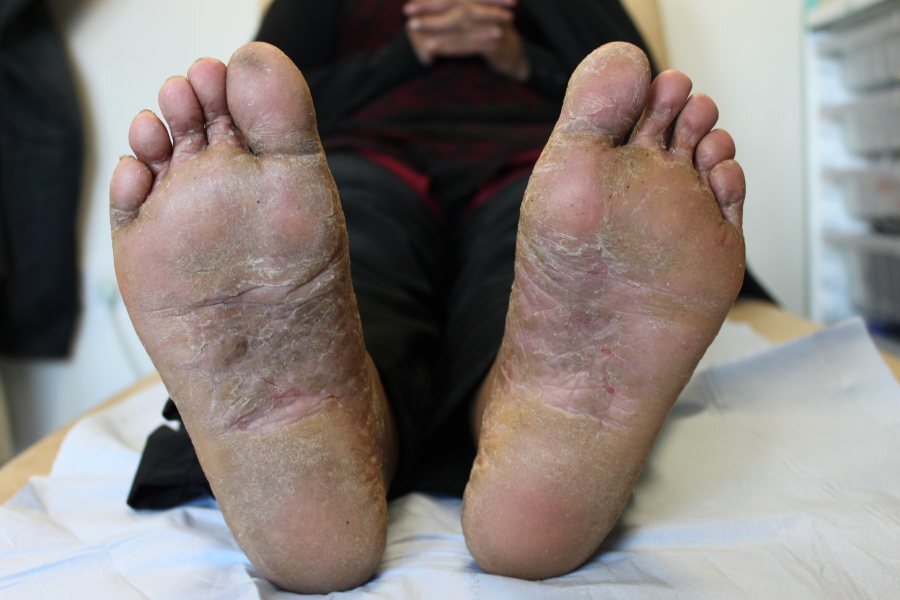
  • Cases of troublesome hand and foot eczema (unless part of a widespread constitutional eczema), which respond inadequately to treatment or where occupational factors are likely to be relevant
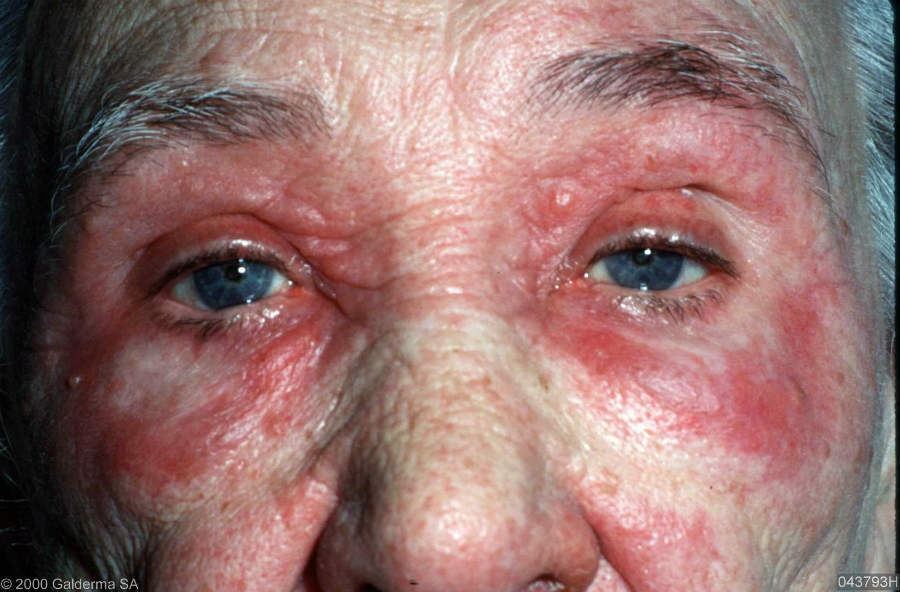
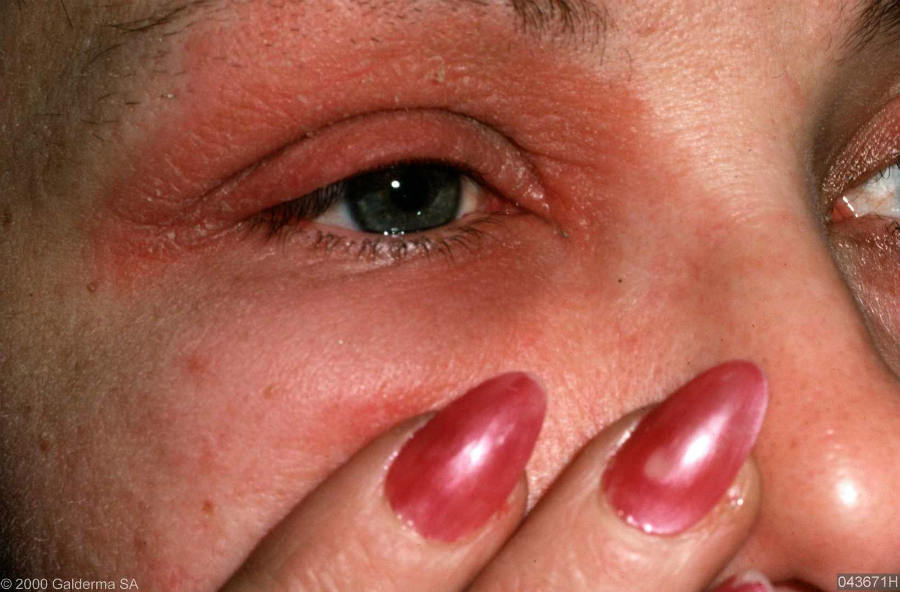
  • Face or eyelid eczema (unless part of a widespread constitutional eczema or seborrhoeic dermatitis). In patients whose symptoms predominate in spring / summer consider an airbourne contact dermatitis (see figure 23)
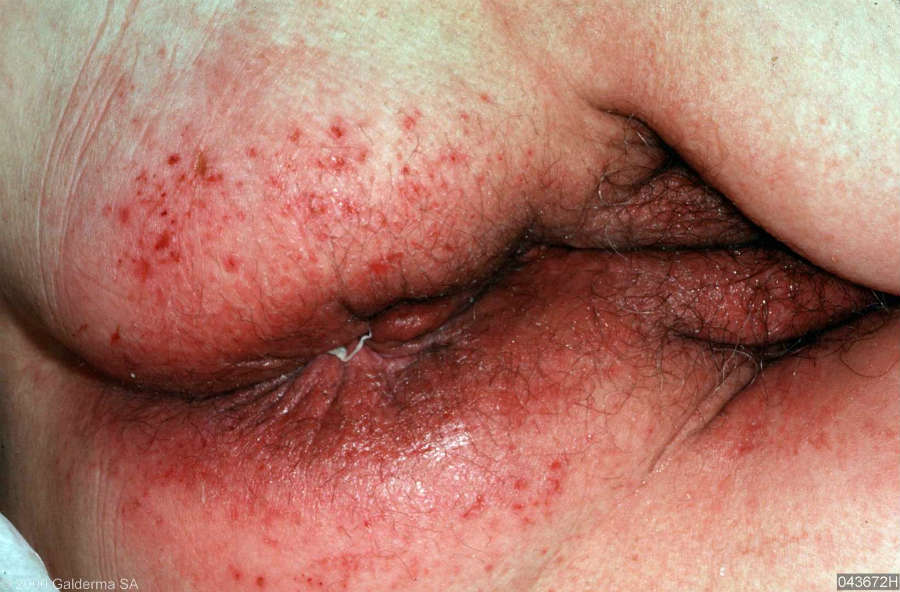
  • Troublesome pruritus ani - can be related to medications used either to treat haemorroids or the skin
  • Resistant cases of otitis externa
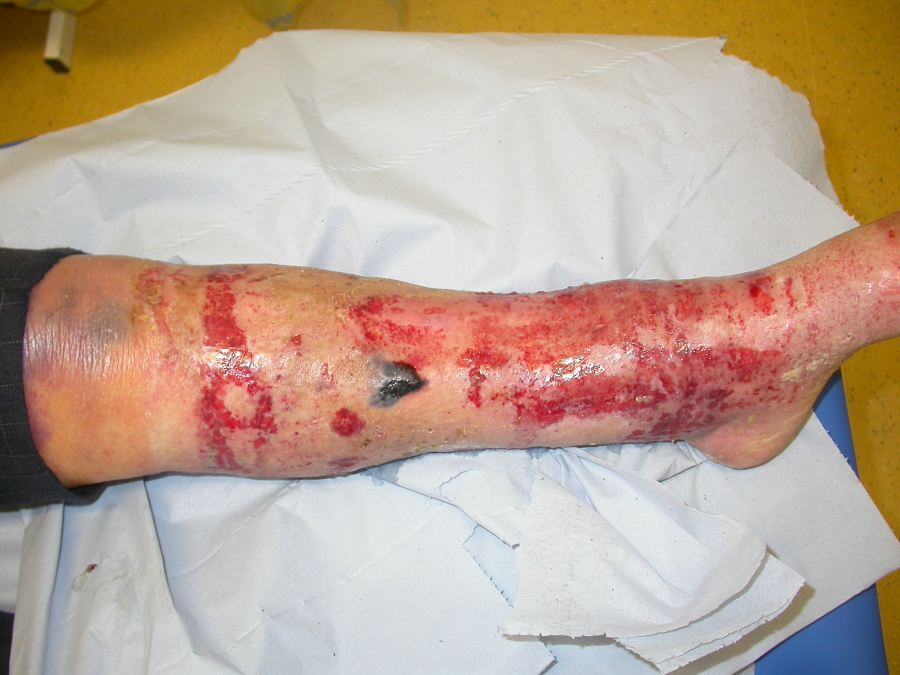
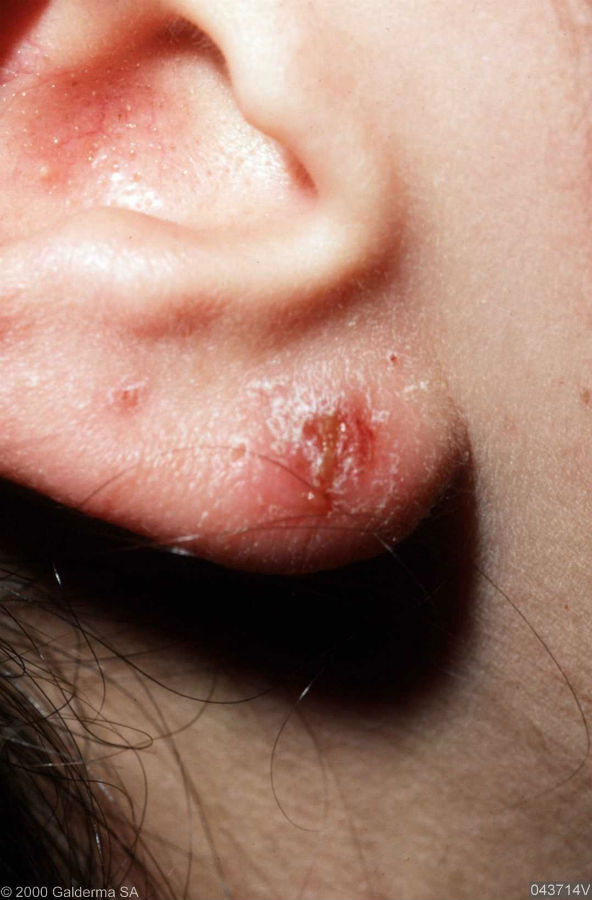
  • Possible allergy to topical treatments - medicaments account for up to 30% of all cases of contact allergy. It is important to be alert to the possibility especially if there is a history of an eczematous eruption at the site of application or where eczema suddenly deteriorates without any other clear cause. The topical antibiotic Neomycin (found in Betnovate-N amongst other things) is one of the main offenders. Hydrocortisone is the topical steroid most commonly associated with CAD and should be avoided at sensitive sites such as around leg ulcers. Creams are more likely to cause CAD then ointments
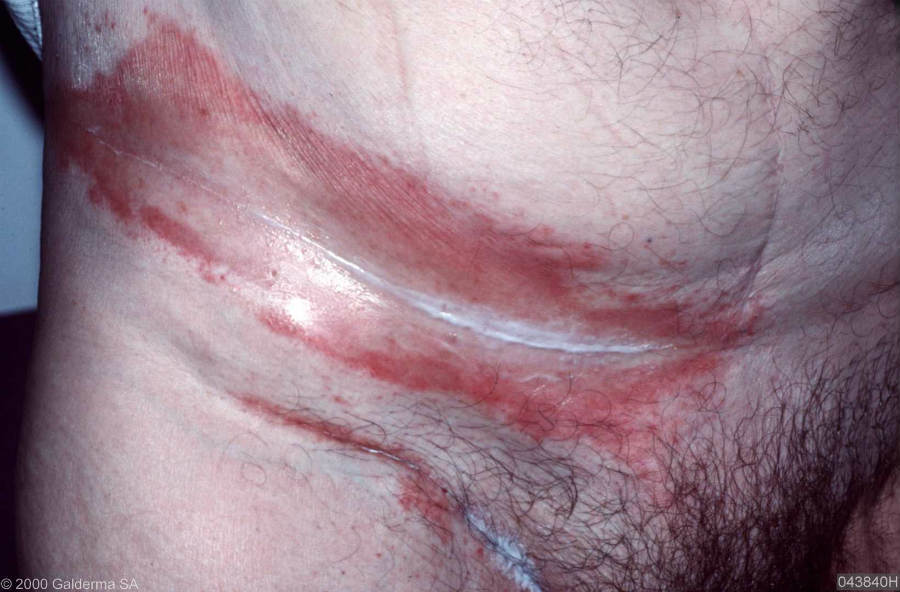
  • Textiles - the main culprits are dyes. Consider in cases of recalcitrant eczema at sites confined to areas of skin covered by the clothing in question. Stingent regulations in the UK and EU means that cases of textile related CAD are uncommon
  • Children - it is important not to overlook the possibility of CAD in children, for example:
    • Predominant and persistent hand eczema could represent an allergy to cobalt found in certain toys, or to parabens in play-doh
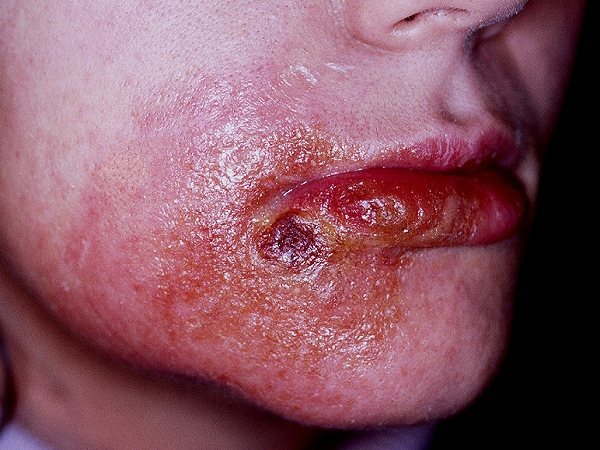
    • Eczematous changes on the lips could represent an allergy to palladium found in some orthodontic devices  

Latex and rubber allergy
  • Contact urticaria
    • Over 90% of natural rubber comes from the latex, or milky sap, of the rubber tree - Hevea brasiliensis
    • Latex is found in gloves, catheters and numerous other medical and dental devices. It is also found in a wide range of other products including condoms, balloons and a number of adhesives
    • Allergy to latex normally causes a contact urticaria, which usually presents with itching and swelling of the skin at the site of contact with latex. The symptoms usually start within a few minutes of contact, although they can be delayed for several hours
    • More severe symptoms include asthmatic reactions (to powdered latex gloves) and anaphylaxis
    • Patients with suspected latex allergy should be referred to a dermatologist for confirmation of the diagnosis (the history and examination may suffice - if not skin prick tests may be needed) and management advice
  • Contact allergic dermatitis
    • A contact allergic dermatitis normally occurs in response to the chemicals known as 'rubber accelerators' such as thiuram and carbamate, which are used to make latex products
    • Symptoms are not immediate and cause a type IV allergic reaction with itch and erythema. Occasionally the reaction can be more acute with swelling, blisters and exudate
    • Patients should be referred to a dermatologist for patch testing  

Airborne contact allergic dermatitis

  • Arises as a result of Compositae contact allergy 
  • The compositae family are plants in which the flower heads are a composite of individual flowers, They occur worldwide, and are found in gardens, roadsides and the wilderness; they account for about 10% of all flowering plants. Extracts of Compositae are used in topical skin treatments, cosmetics, herbal supplements, natural medicines and foods
  • Allergy can be due to direct contact with the plant, with its pollen, or to skin care products that use the plant extracts
  • History - mainly occurs in middle-aged and elderly adults during the summer months, but either sex and any age group may be affected and at any time of year
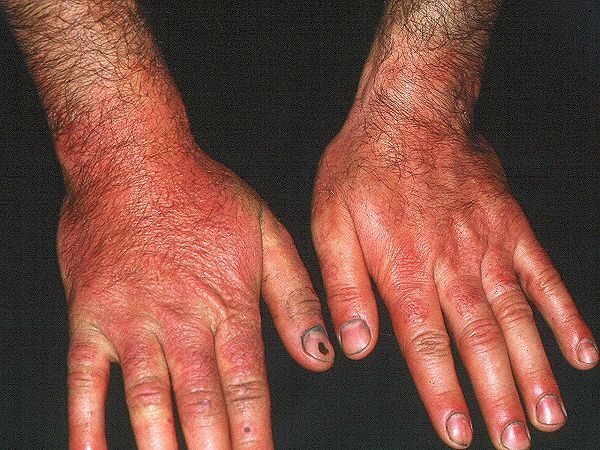
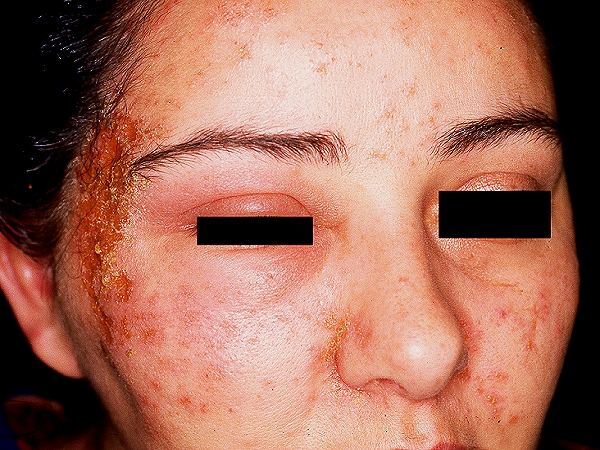
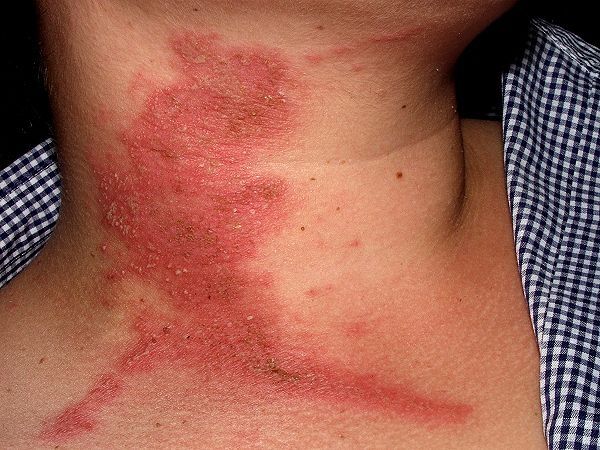
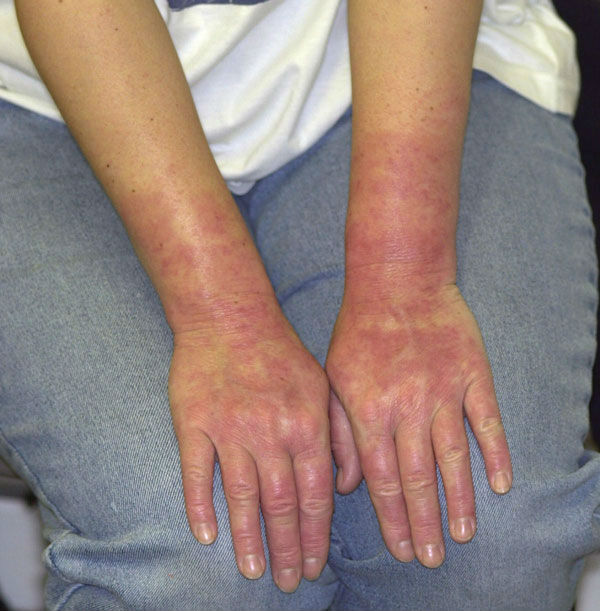
  • Clinical features - affects the face, neck, hands and arms or all areas exposed to plant pollens borne by the wind. It often results in considerable erythema and swelling, sometimes with blistering, followed by scaling
  • Patients should be referred for patch testing - more than one-third of patients with compositae allergy also have an allergy to fragrances, balsam of Peru and rosin (colophony)
  • Airborne contact allergic dermatitis can be difficult to differentiate from some of the Photodermatoses

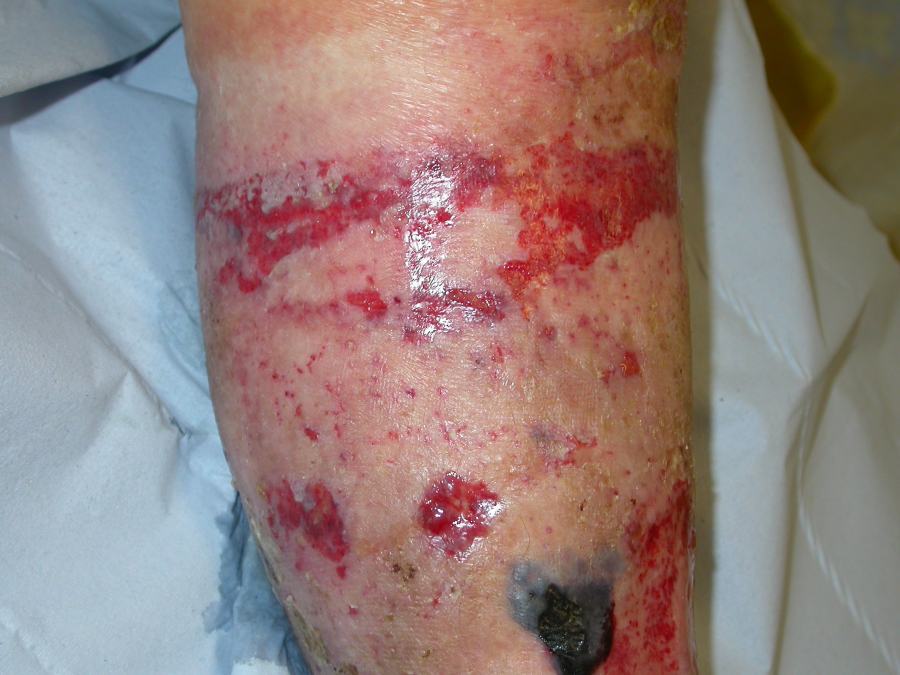
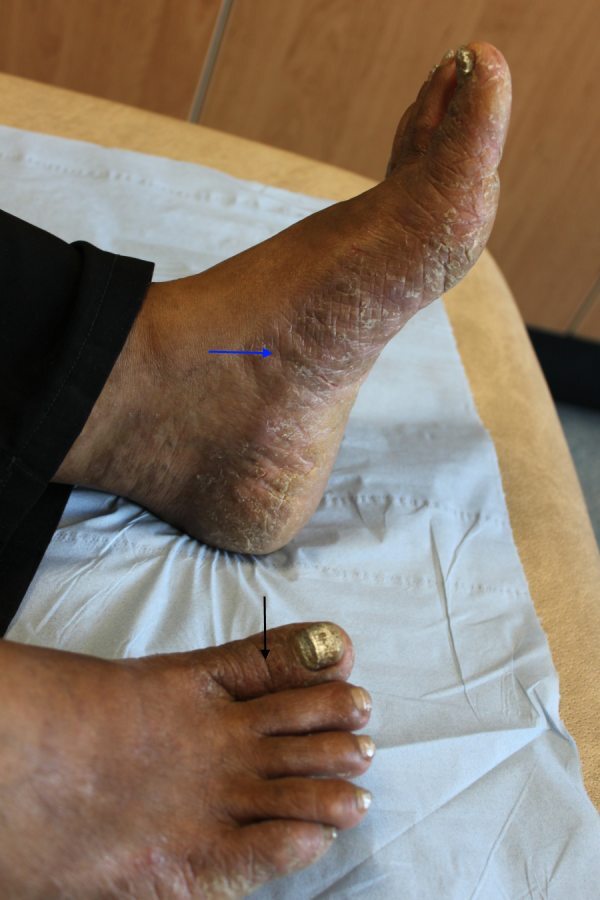
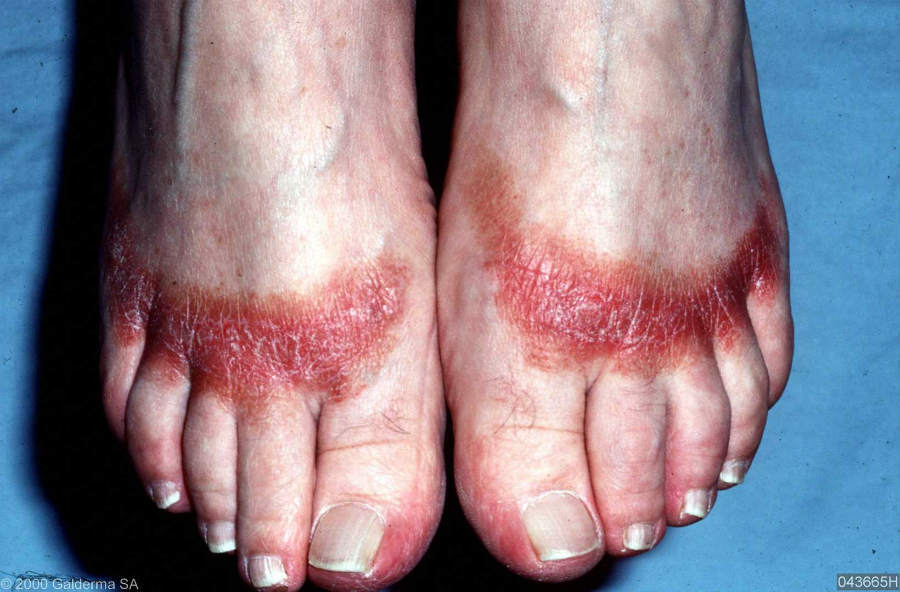
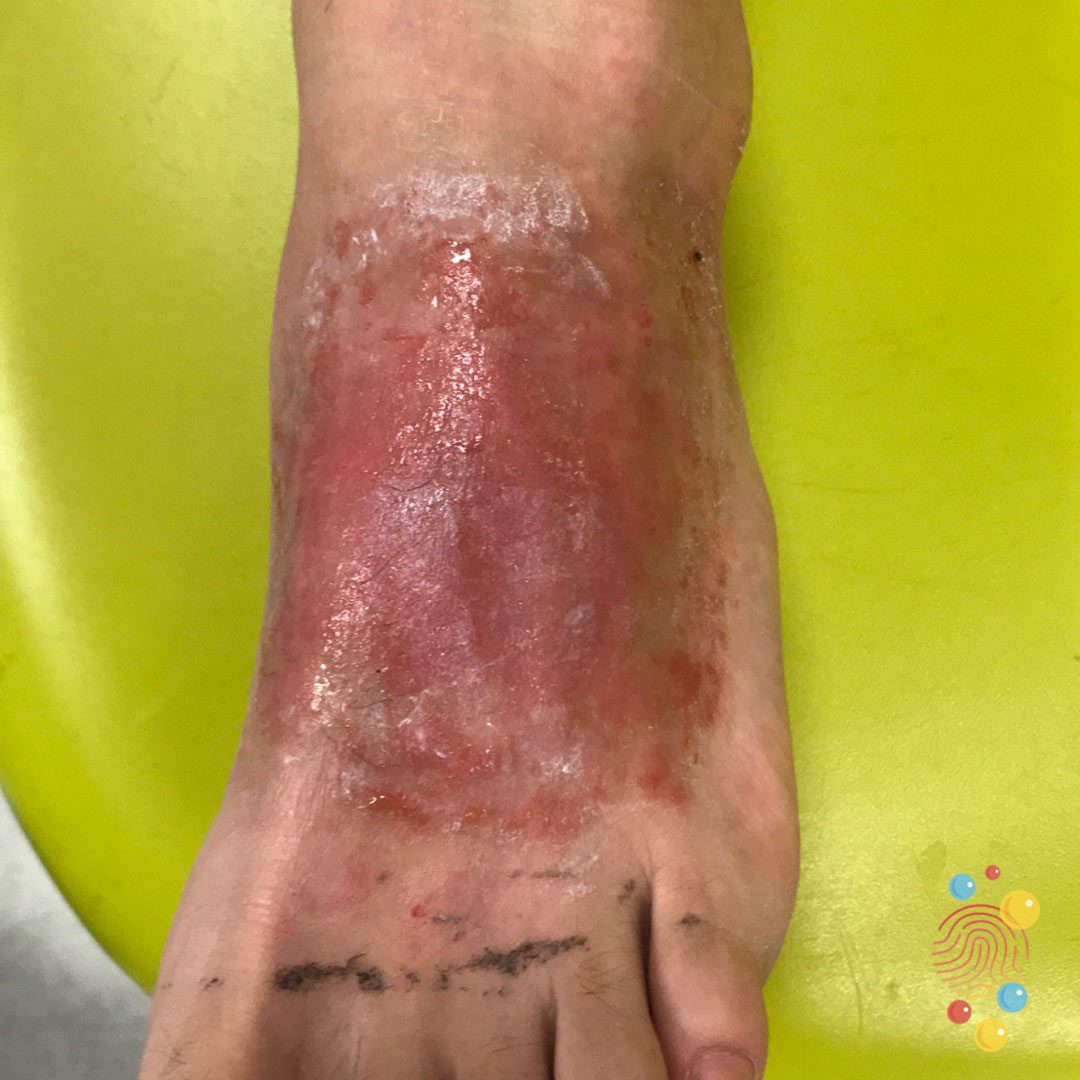
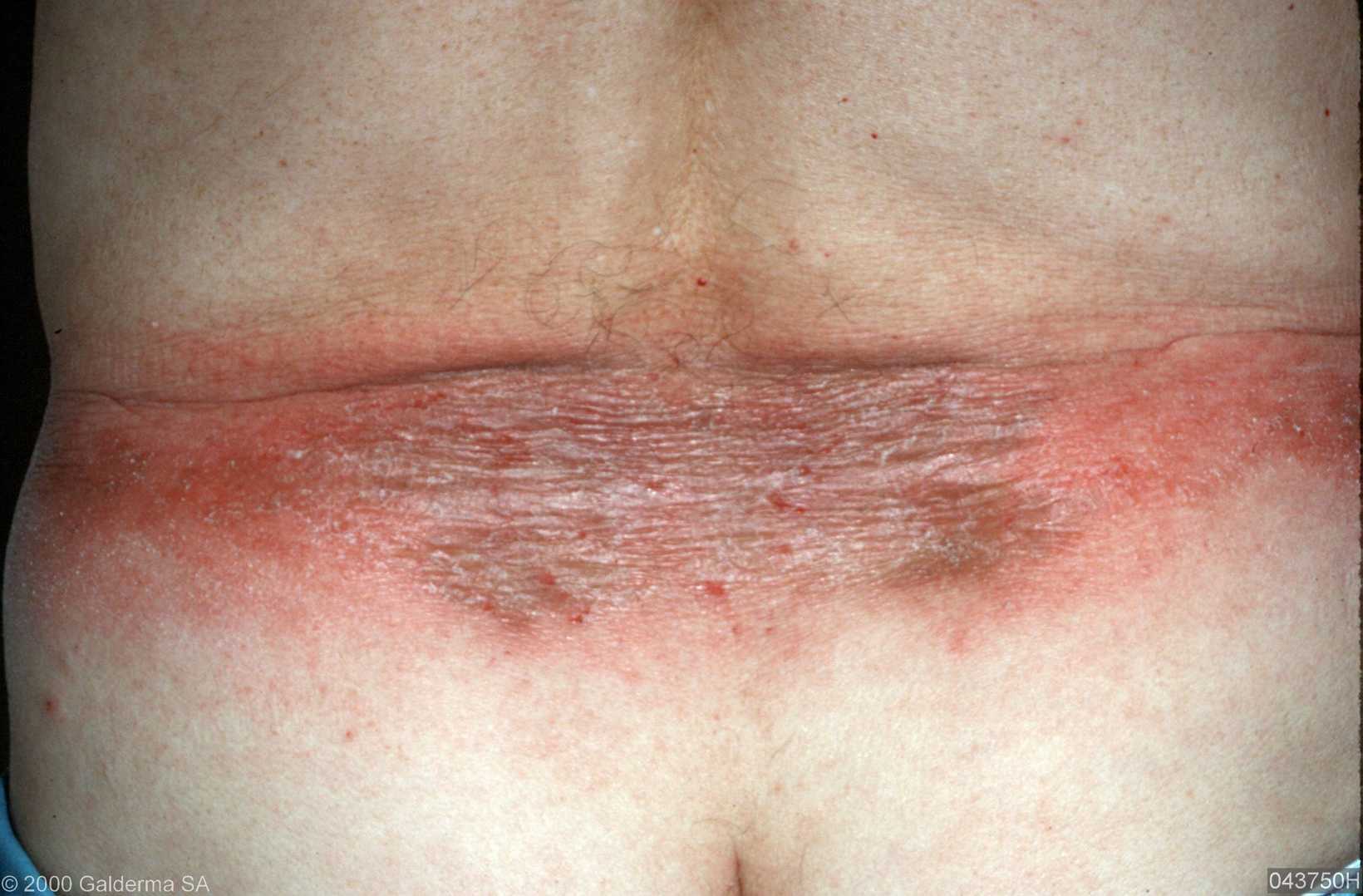
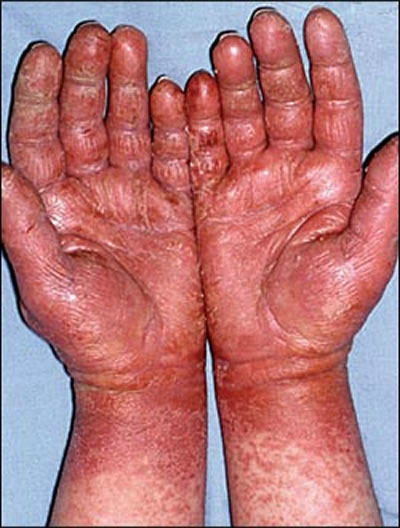
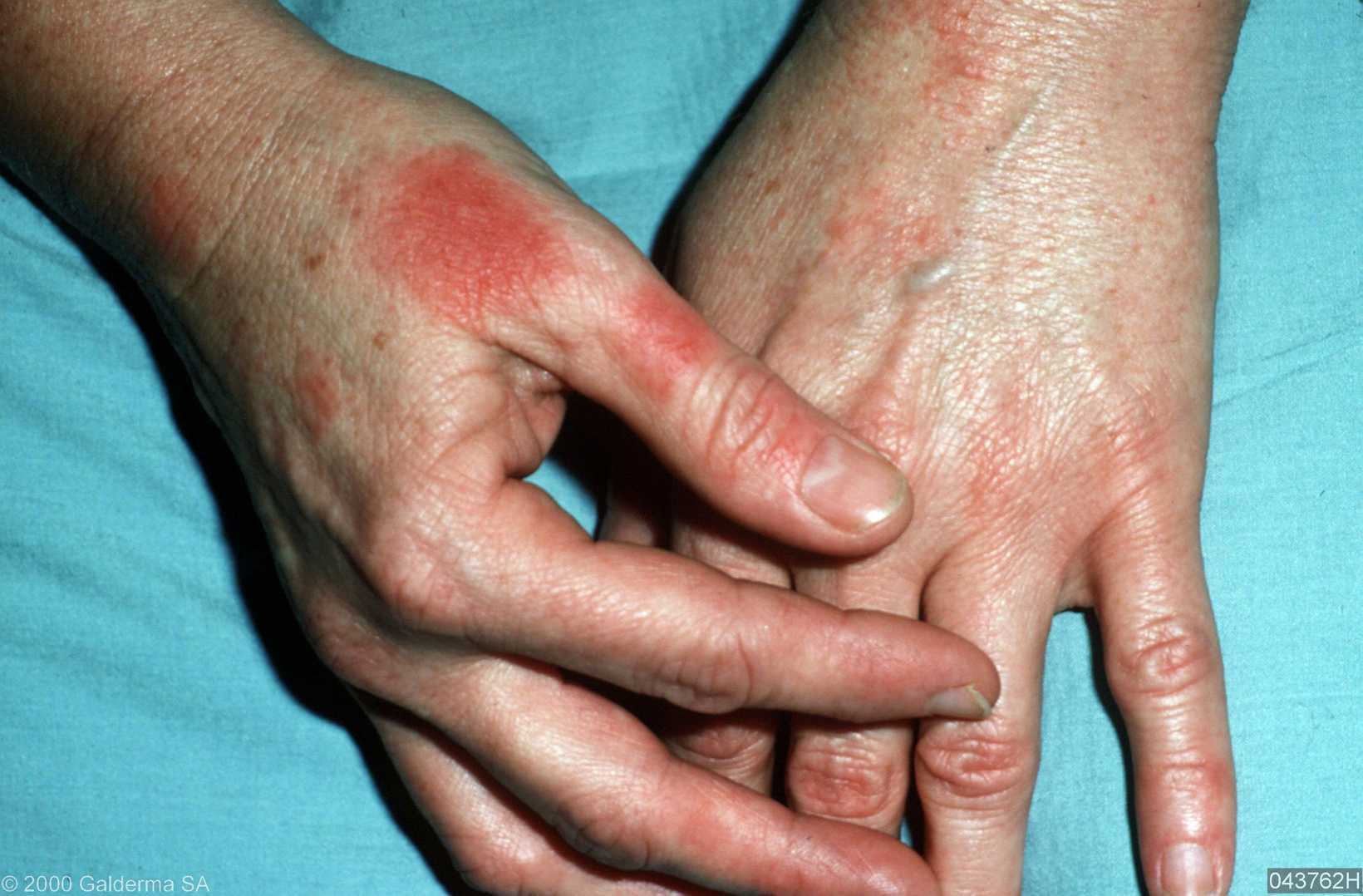
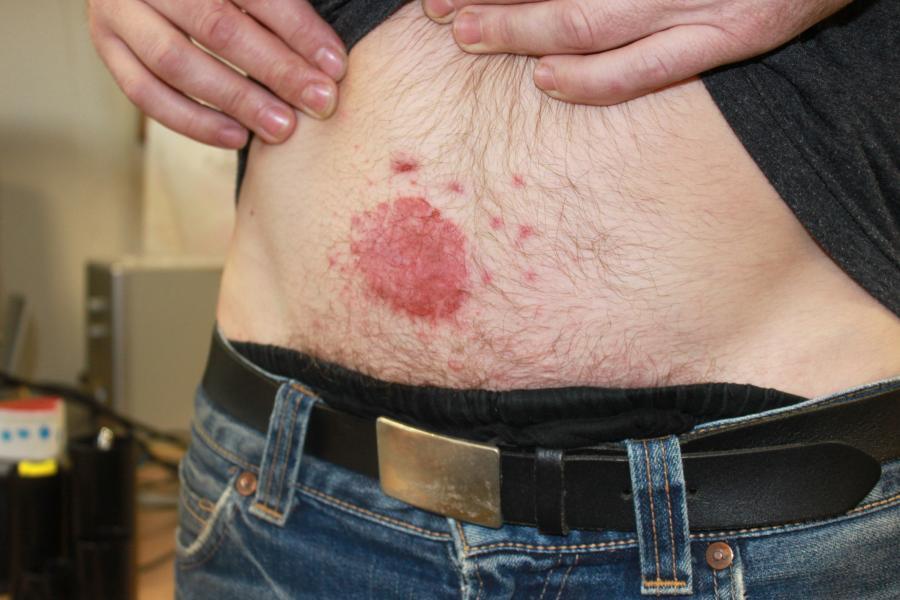
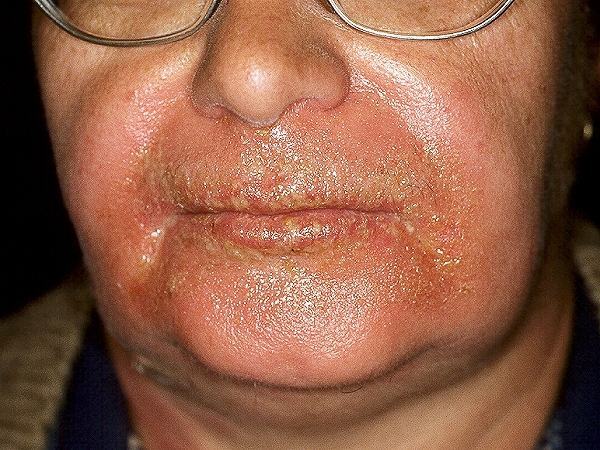
Clinical Images

Please refer to notes on image rights at bottom of the page with regards to individual image ownership.
Management

  • In general, patients with suspected contact allergic dermatitis should be referred to a dermatology department for patch testing. However, it is possible for patients to do their own 'mini' patch test by applying the suspected offending product on to the skin of the antecubital fossa twice a day for 7 days, a positive reaction results in a localised eczematous eruption
  • For further information refer to the section on history (above) and also the related chapter on Eczema: hand (and foot) eczema 

Disclaimer - the author PCDS cannot accept responsibility for any misleading or incorrect statements, and the management of individual patients remains the direct responsibility of the individual doctor. We do however hope that visitors to this site can contact us regarding comments that are considered misleading or incorrect so that we can continue to improve the site.

Image Rights - The PCDS would like to thank Dermatoweb, DermQuest (Galderma), and others who have contributed images. All named individuals and organisations maintain copyright for the relevant images.

Quick Links

The following pharmaceutical companies have had no involvement in the content of this website or in our conference programmes


Almirall
Galderma
Glenmark
Johnson & Johnson
La Roche-Posay
LEO Pharma
Pierre Fabre
Schuco