Leukoplakia (and other white patches in the mouth)

LAST UPDATED: Jul 14, 2021
Introduction

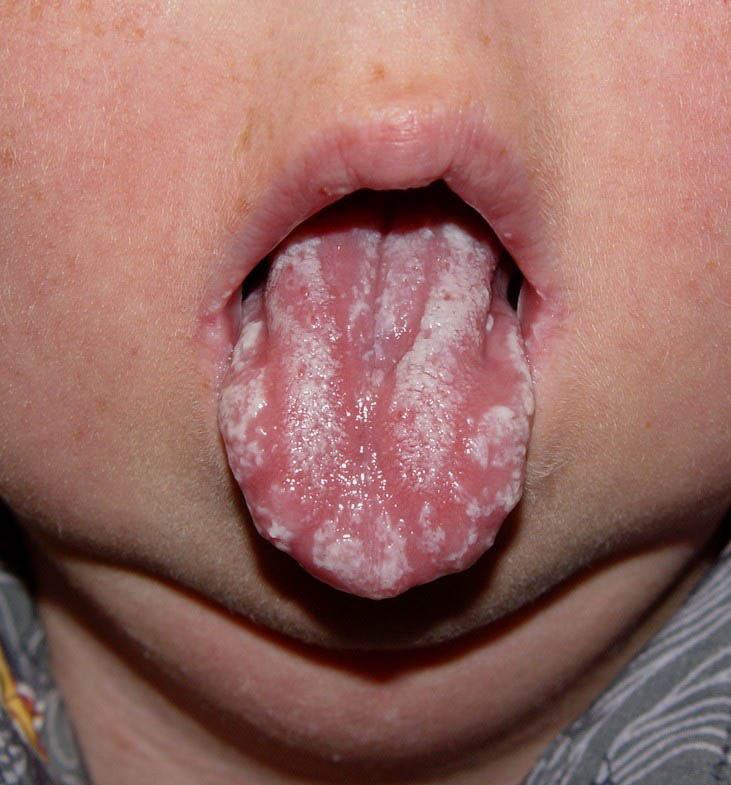
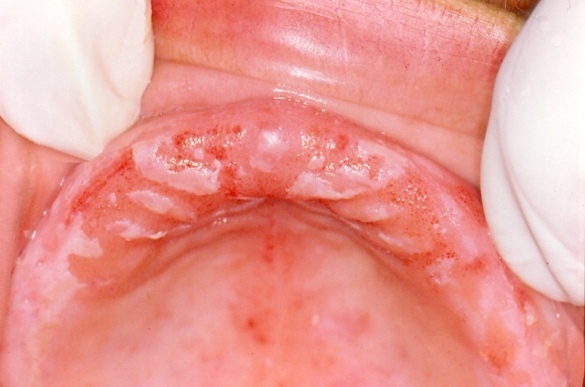
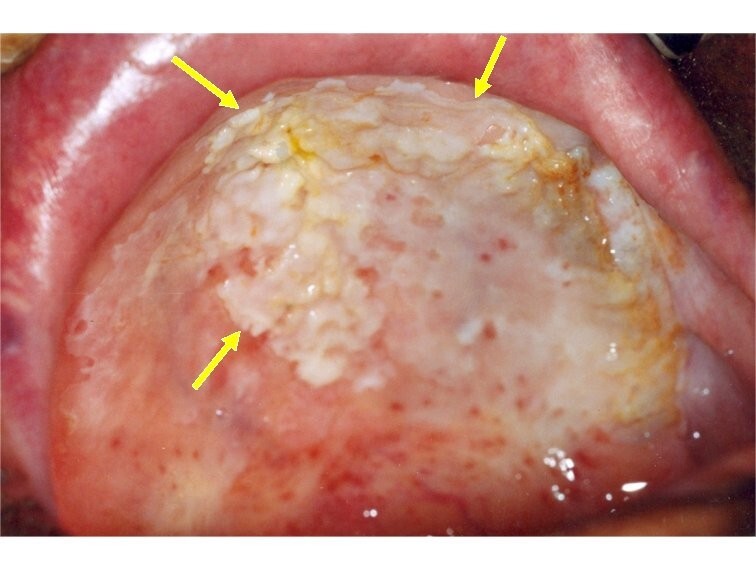
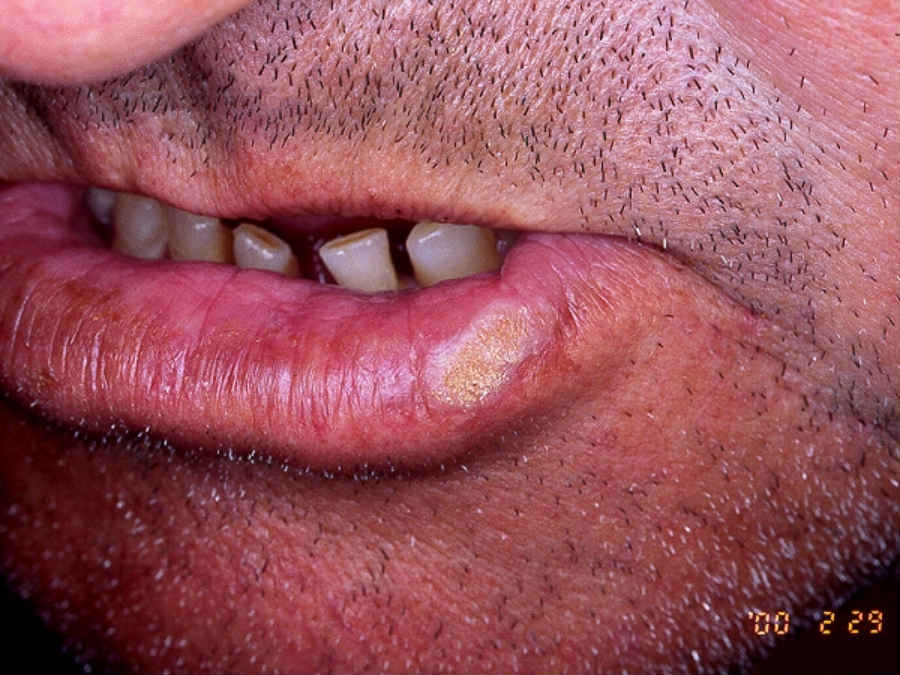
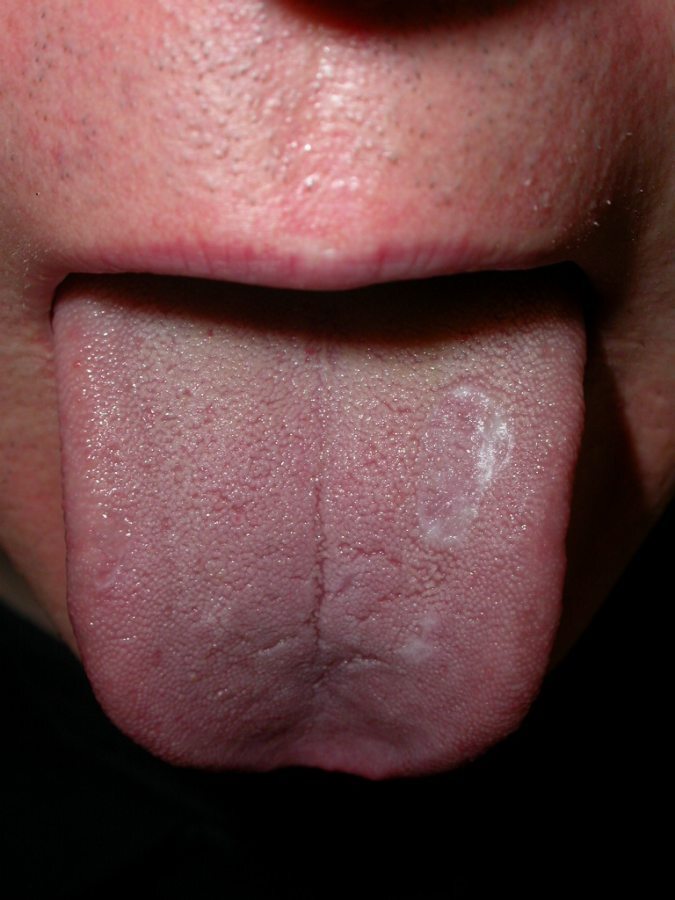
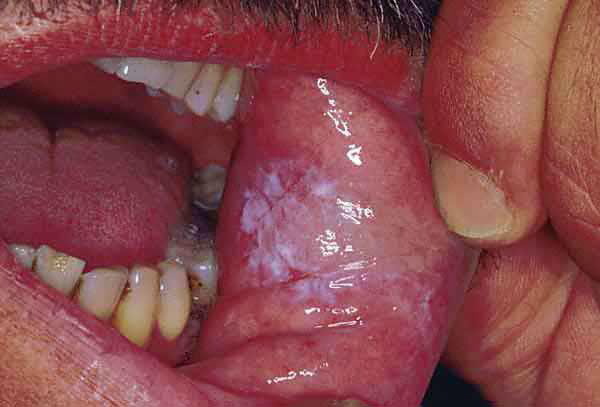
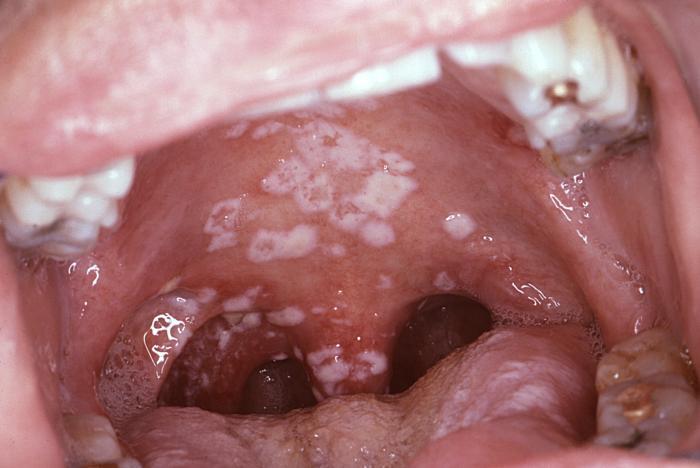
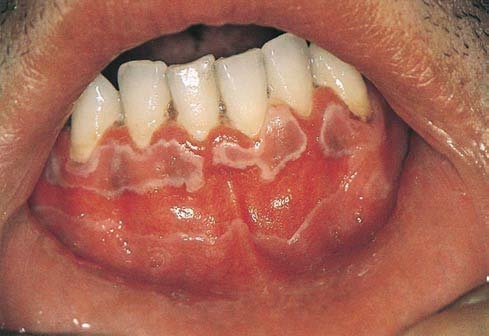
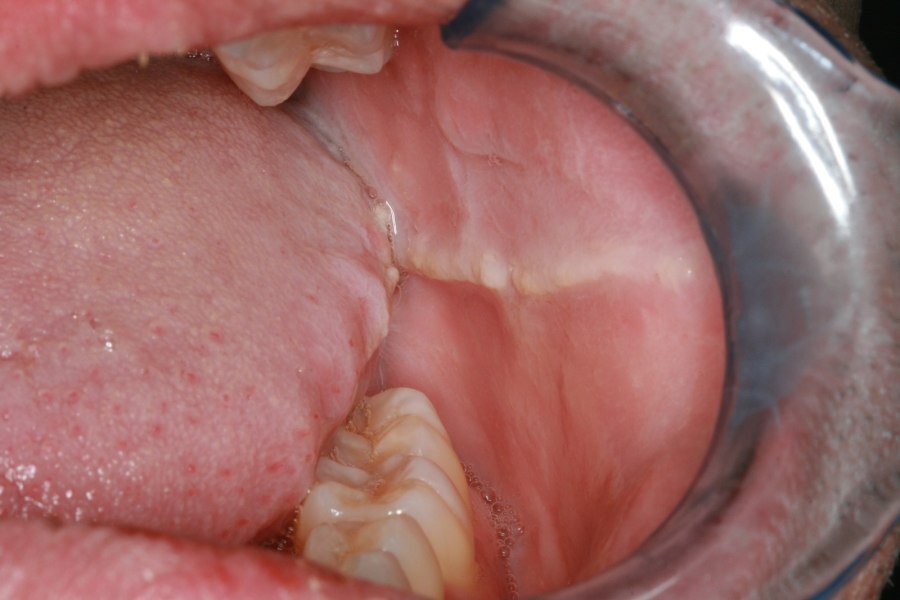
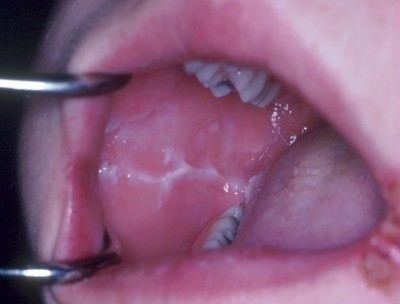
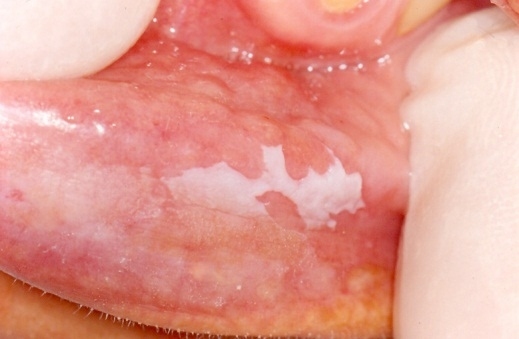
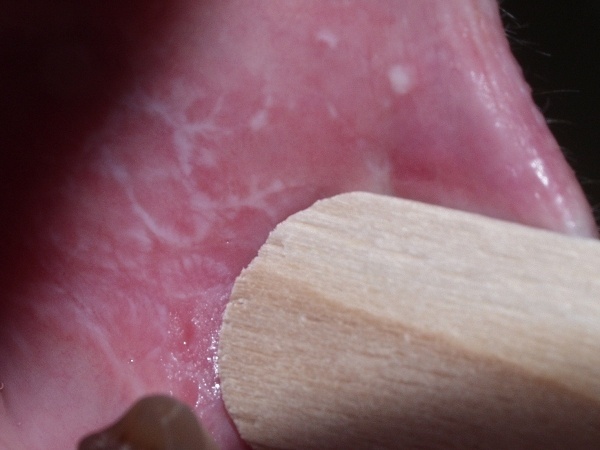
Oral leukoplakia (OL) is a white patch or plaque of the oral mucosa that cannot be characterised clinically or pathologically as any other condition such as cheek biting, candidosis, lichen planus and materia alba. OL is pre-malignant and is associated with squamous cell carcinoma (SCC).

This chapter is set out as follows:


Aetiology

  • OL affects about 1% of the population
  • There is a strong association with tobacco smoking (six times more common in smokers than non-smokers) and alcohol intake
  • It usually appears in middle-aged and elderly individuals, and is rare under the age of 30  

History

  • Lesions are asymptomatic

Clinical findings

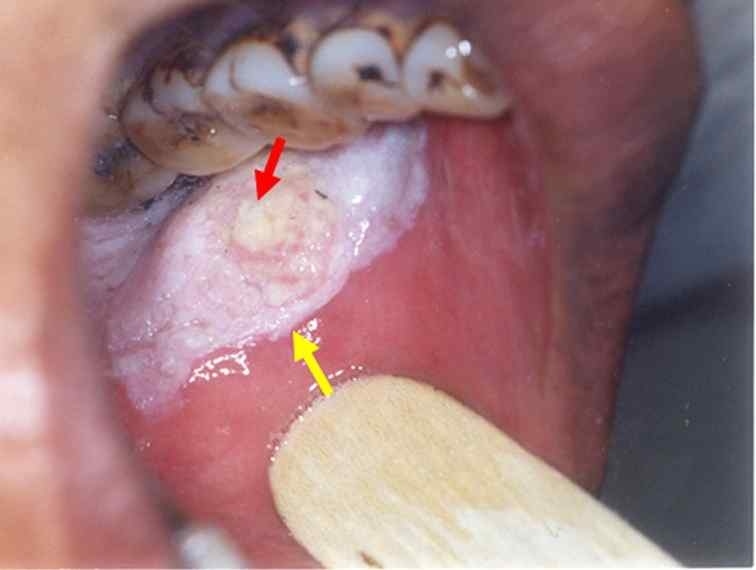
The earliest lesion of OL is a non-palpable, white and faintly translucent macule. Over time two different lesions develop:

  • Homogenous OL
    • This is the most common form
    • It is seen as a uniformly white plaque, prevalent in the buccal mucosa
    • Lesions have a low malignant potential
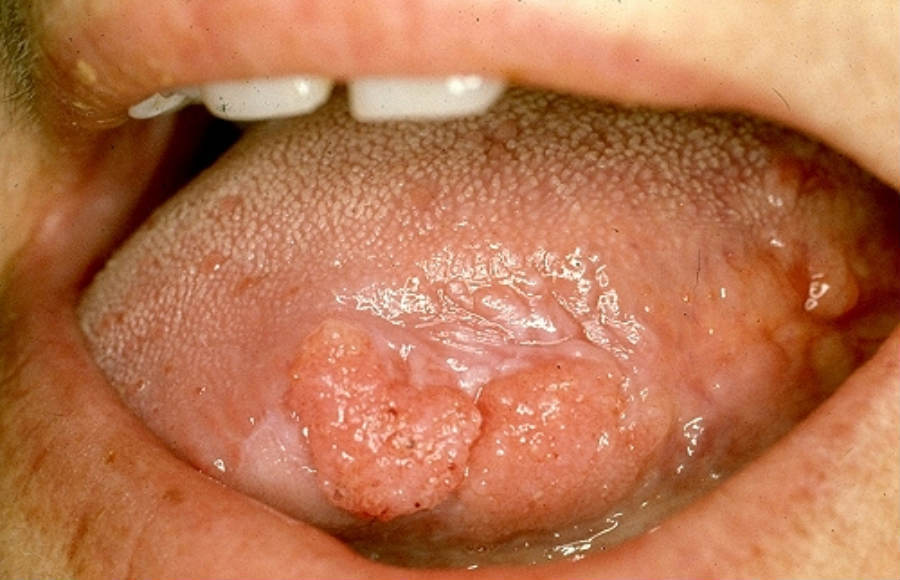
  • Non-homogenous OL
    • Refers to irregularity of either the colour and / or the texture
    • Lesions can be white or white-red (erythroleukoplakia)
    • The irregular texture can be flat, nodular, exophytic or verrucous
    • Lesions have a much greater malignant potential

Certain criteria demonstrate a higher risk of malignant change:

  • Non-homogenous OL, especially the verrucous type
  • Long-standing and / or larger lesions
  • Sites - lesions on the soft palate, anterior floor of the mouth and the ventrolateral tongue - sublingual OL has a particularly high risk of transformation
  • Lesions NOT associated with tobacco smoke
  • Female patients
  • Candidal OL may have a higher risk

Features which indicate that malignant transformation into an SCC has already occurred include:

  • Bleeding, erosion and ulceration
  • The presence of induration / a nodule 

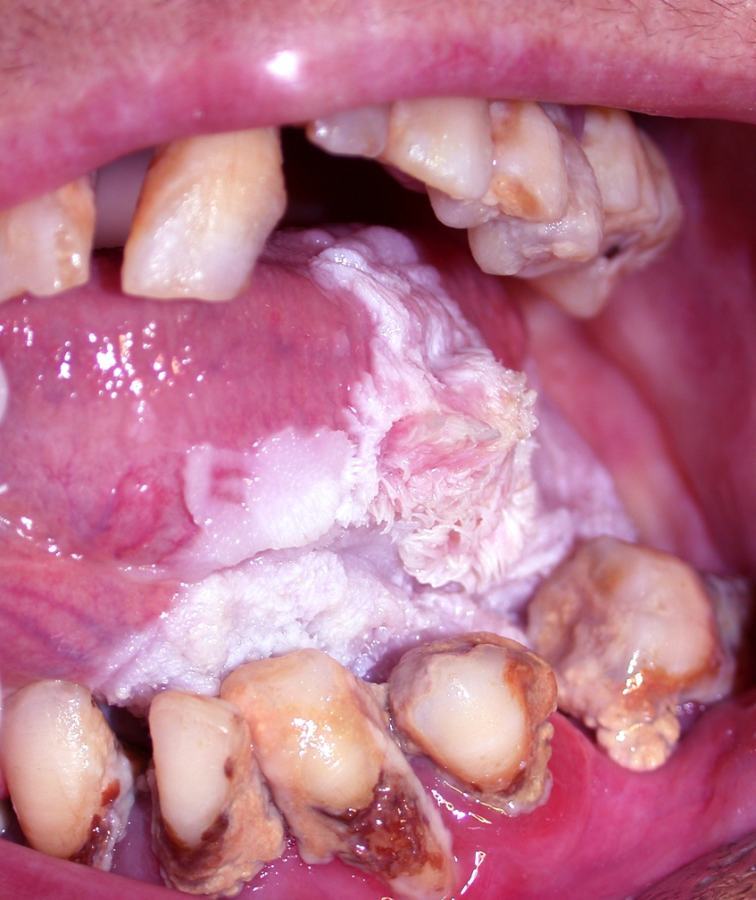
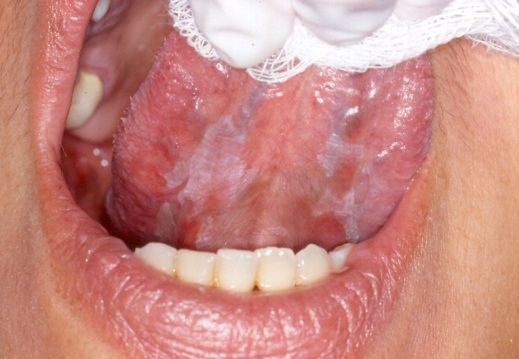
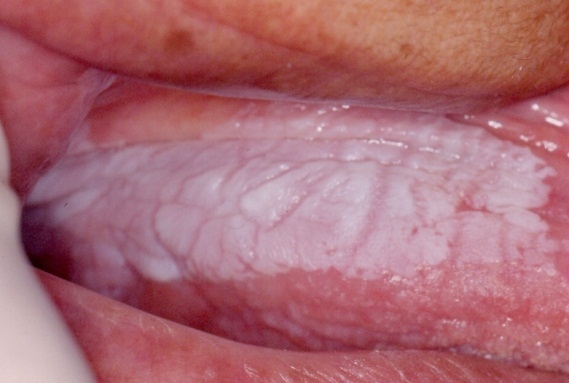
Hairy leukoplakia

  • Is caused by the EBV, and is found in immunocompromised patients
  • It presents as a white, corrugated thickening, usually affecting both sides of the tongue
  • It appears to be benign and self-limiting

Other conditions causing white patches in the mouth include:


Clinical Images

Please refer to notes on image rights at bottom of the page with regards to individual image ownership.
Investigations

  • Biopsy of clinically suspected oral leukoplakia is mandatory for two reasons:
    • To exclude other conditions such as lichen planus
    • If the lesion is OL, to assess for the absence or presence, and grade of dysplasia - the presence of dysplasia, carcinoma-in-situ and invasive carcinoma cannot always be predicted clinically 
  • The degree of dysplastic change reported on histology is regarded as the most important factor in determining the cancerous potential of OL, however, it is important to note that dysplastic lesions can resolve spontaneously and some cases reported as non-dysplastic may develop into cancer

Management

  • Patients should be referred urgently (two-week wait) to an appropriate Secondary Care department eg Oral and Maxillofacial Surgery (refer to local guidelines) 
  • All patients should be advised to avoid aggravating habits eg smoking, significant alcohol consumption and trauma 
  • Following biopsy a decision will then be taken as to whether to treat the lesion (usually surgical excision) or observe - overall about 2-5% of OL will become cancerous over a ten year period, however, the risks are greater in certain groups
  • Lifelong follow-up is recommended, whether or not the lesion has been treated

Disclaimer - the author PCDS cannot accept responsibility for any misleading or incorrect statements, and the management of individual patients remains the direct responsibility of the individual doctor. We do however hope that visitors to this site can contact us regarding comments that are considered misleading or incorrect so that we can continue to improve the site.

Image Rights - The PCDS would like to thank Dermatoweb, DermQuest (Galderma), and others who have contributed images. All named individuals and organisations maintain copyright for the relevant images.

Quick Links

The following pharmaceutical companies have had no involvement in the content of this website or in our conference programmes

Almirall
Galderma
Glenmark
Johnson & Johnson
La Roche-Posay
LEO Pharma
Pierre Fabre
Schuco