Lichen planus
LAST UPDATED: Oct 31, 2024
Introduction
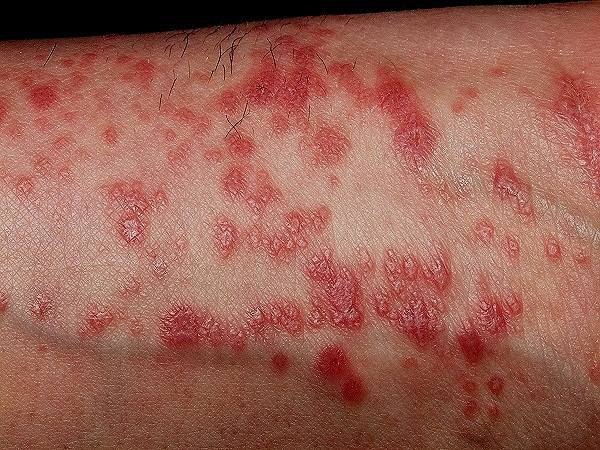
Lichen planus is a fairly common, itchy, non-infectious rash that usually occurs in adults. The medical term ‘lichen’ refers to small bumps on the skin and the term 'planus’ means flat, together they refer to the characteristic flat topped papules of lichen planus (LP).
This chapters discusses the typical features of LP as well as the LP variants, it does not discuss follicular LP (syn. lichen planopilaris; frontal fibrosing alopecia) or lichenoid drug eruptions, which can be found in the related chapters.
This chapter is set out as follows:
Aetiology
-
Lichen planus (LP) is thought to be an immunologically mediated disorder
-
There may be a slight genetic susceptibility
History
-
Itch - usually very marked
-
Onset usually insidious but occasionally lesions develop rapidly
Clinical findings
Distribution
- Can affect any part of the body
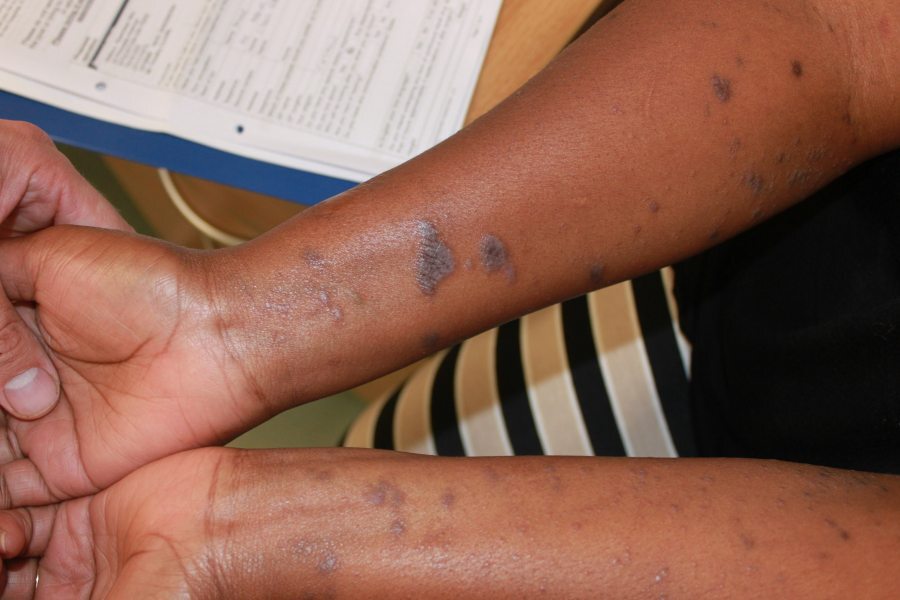
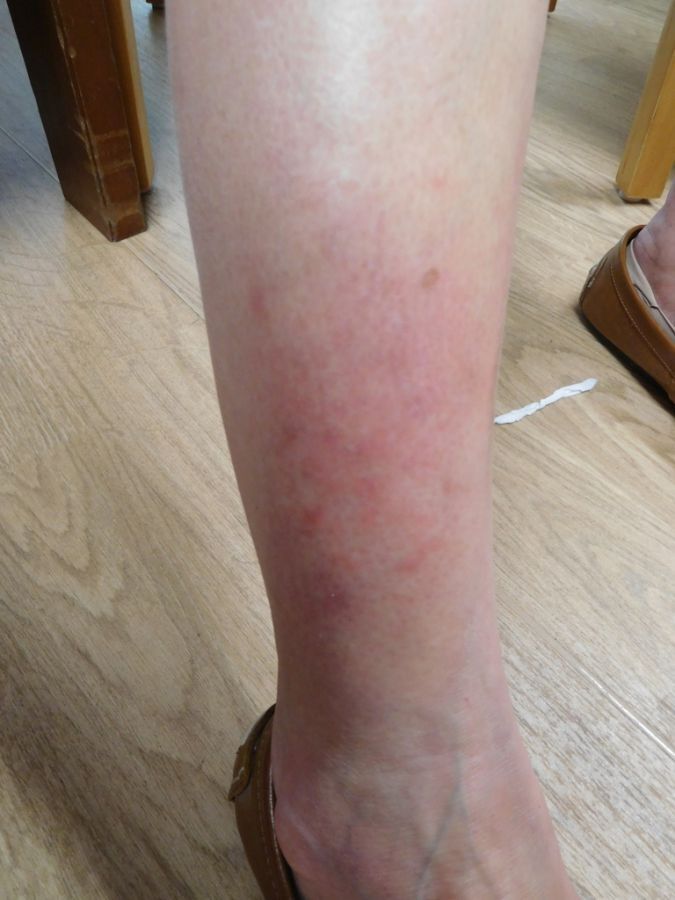
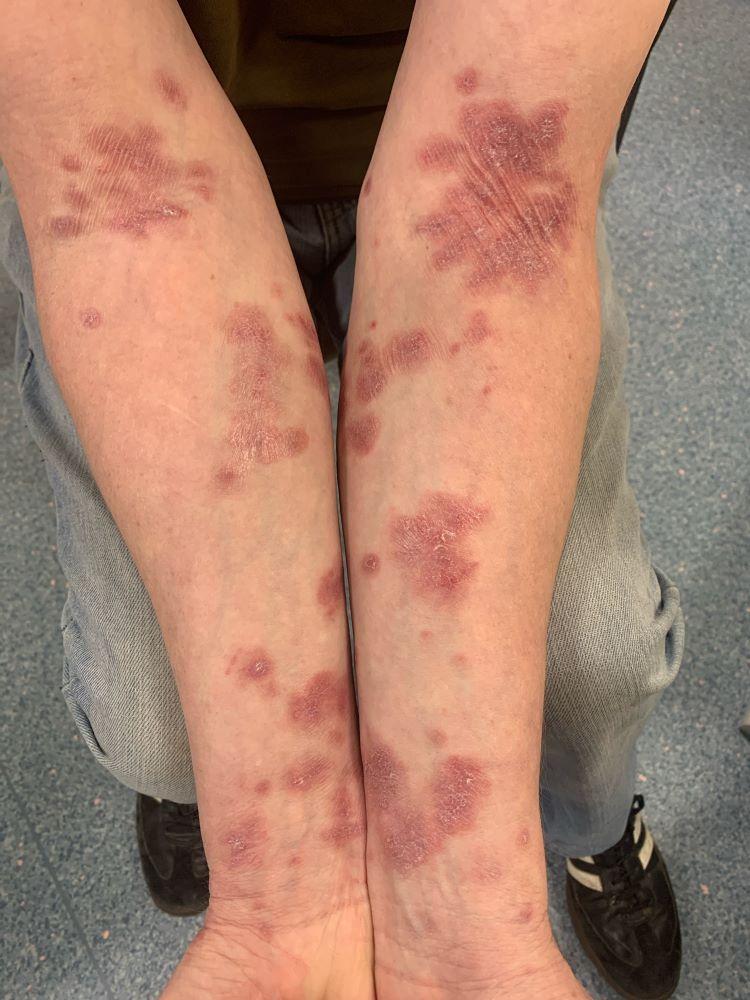
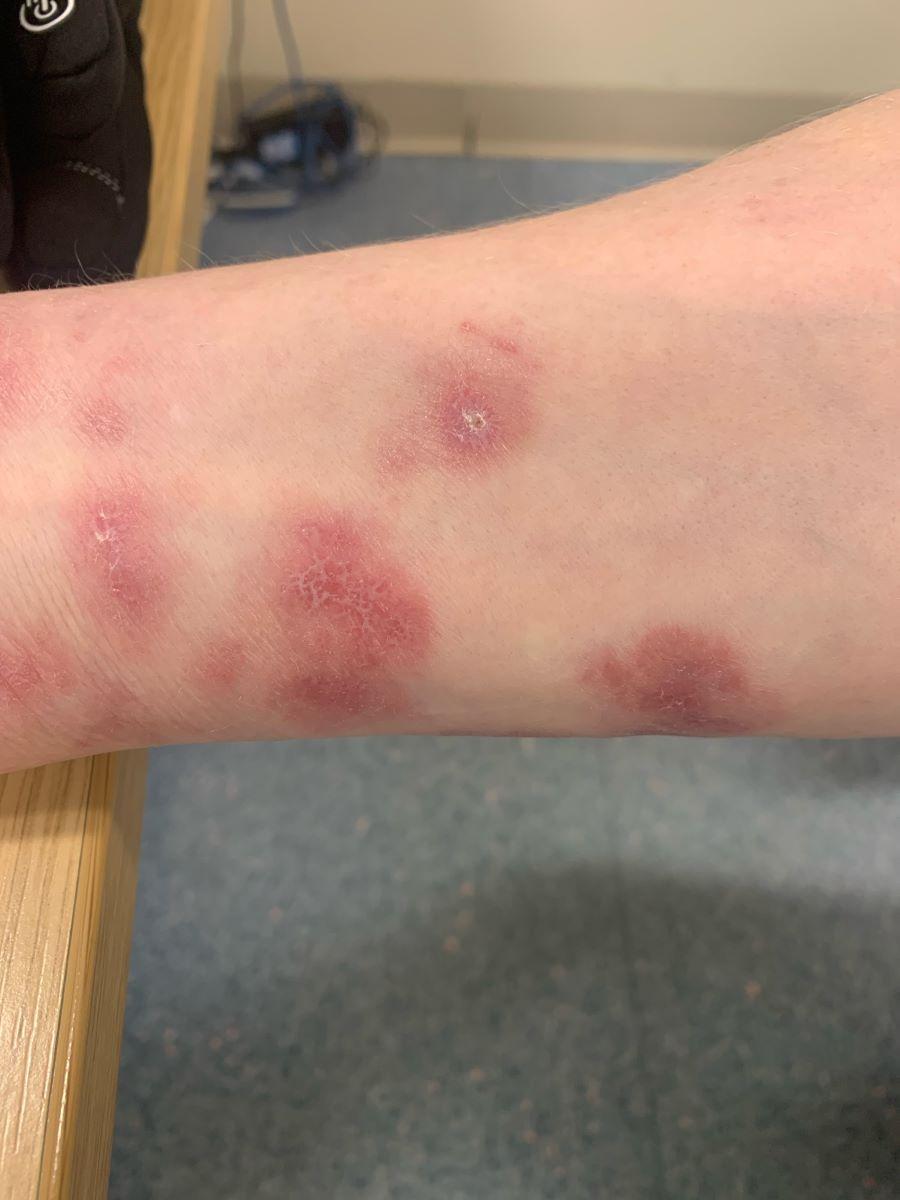
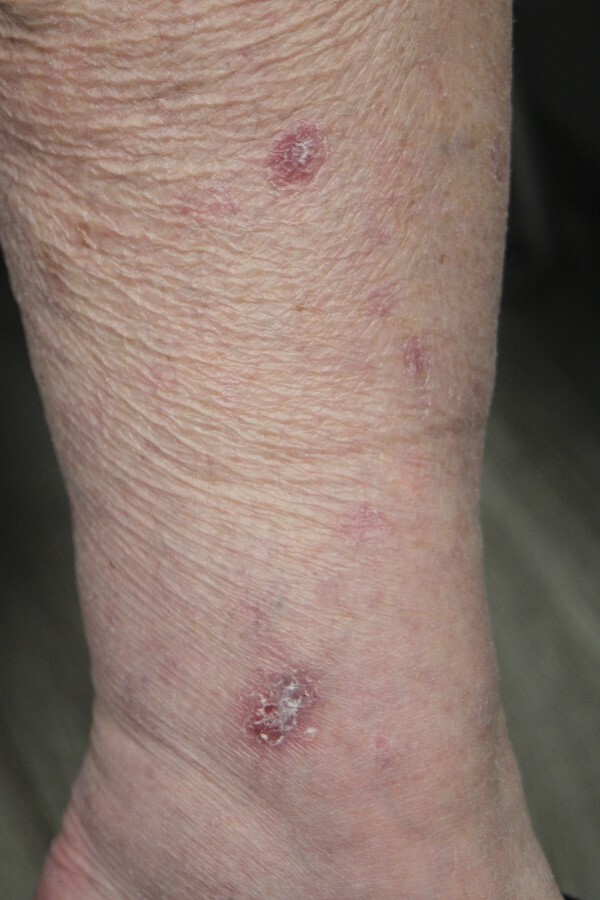
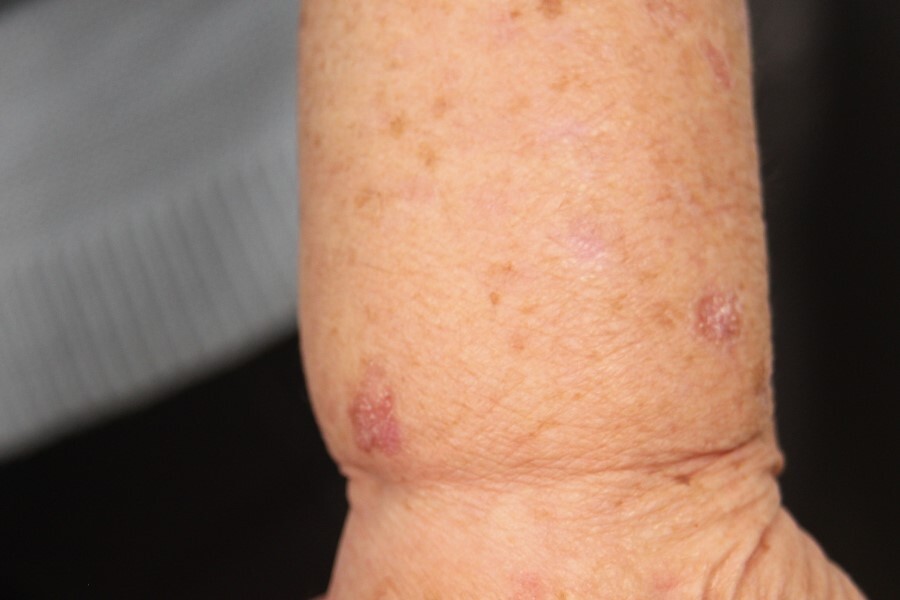
- Most commonly found on the flexural aspects of the wrists, the ankles and the lumbar region
- Can become widespread
Morphology
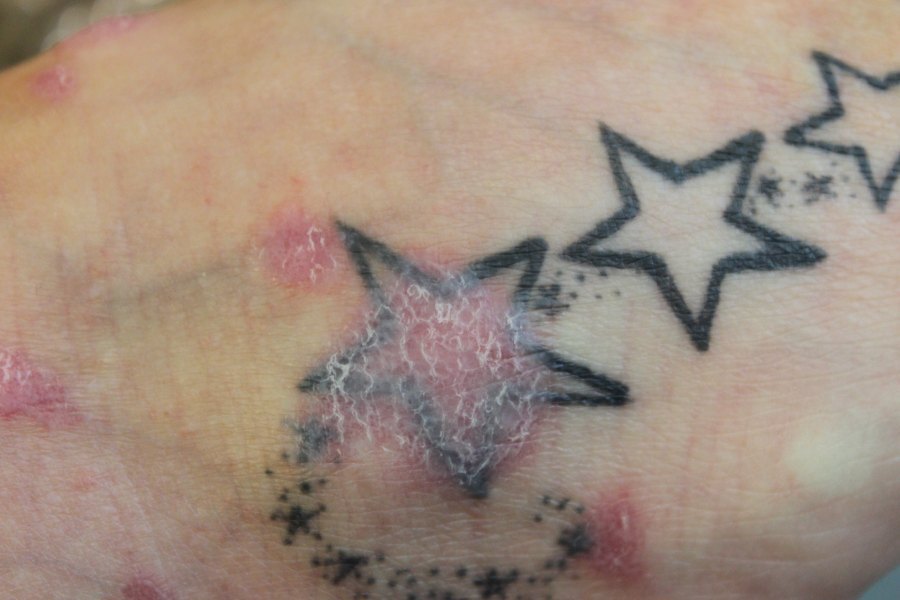
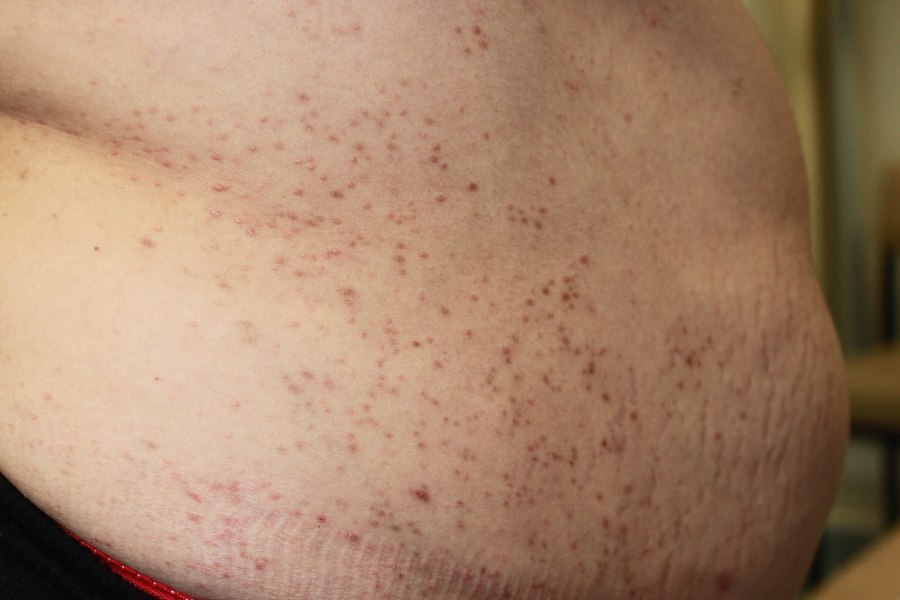
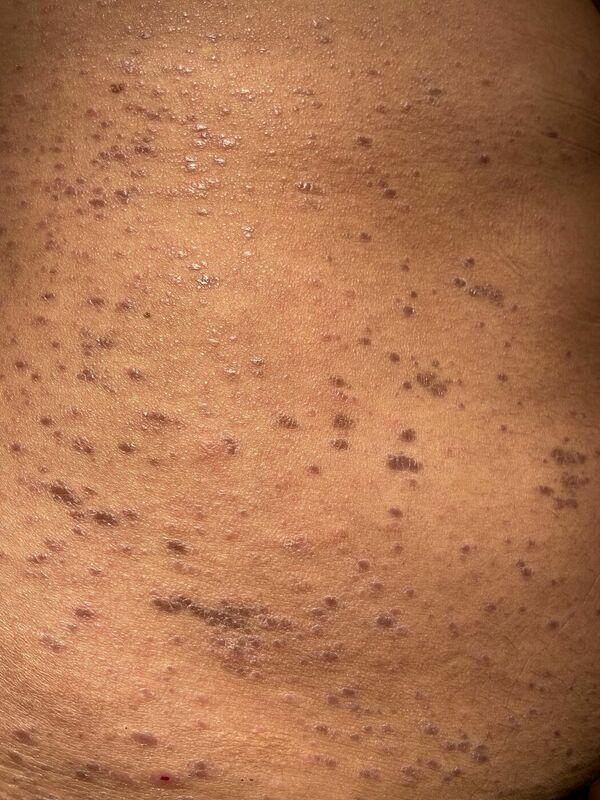
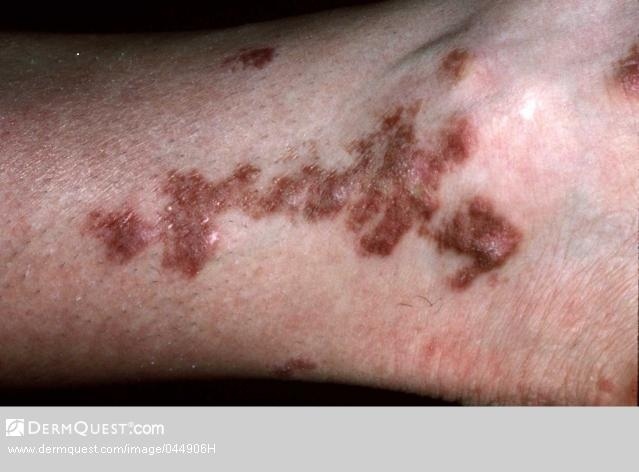
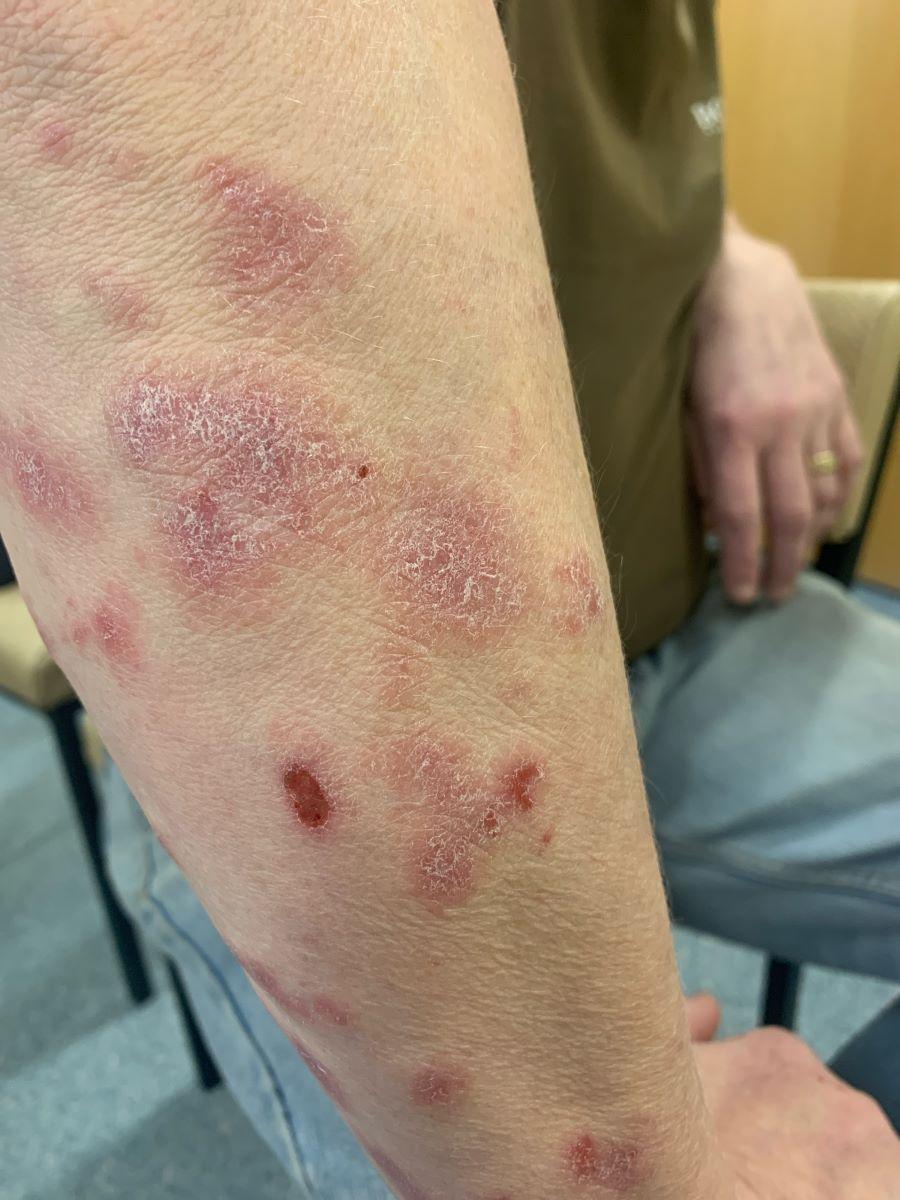
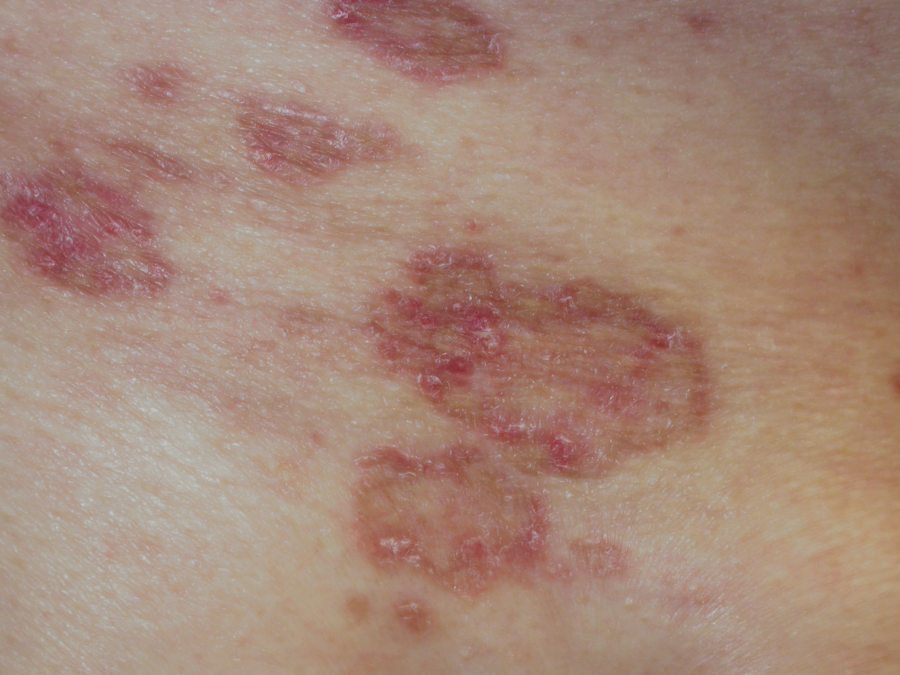
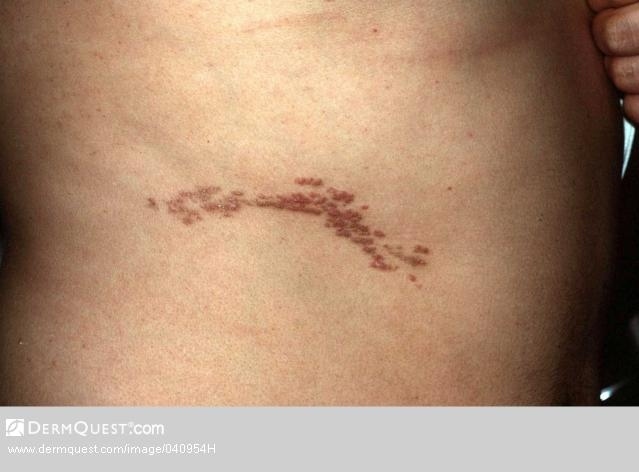
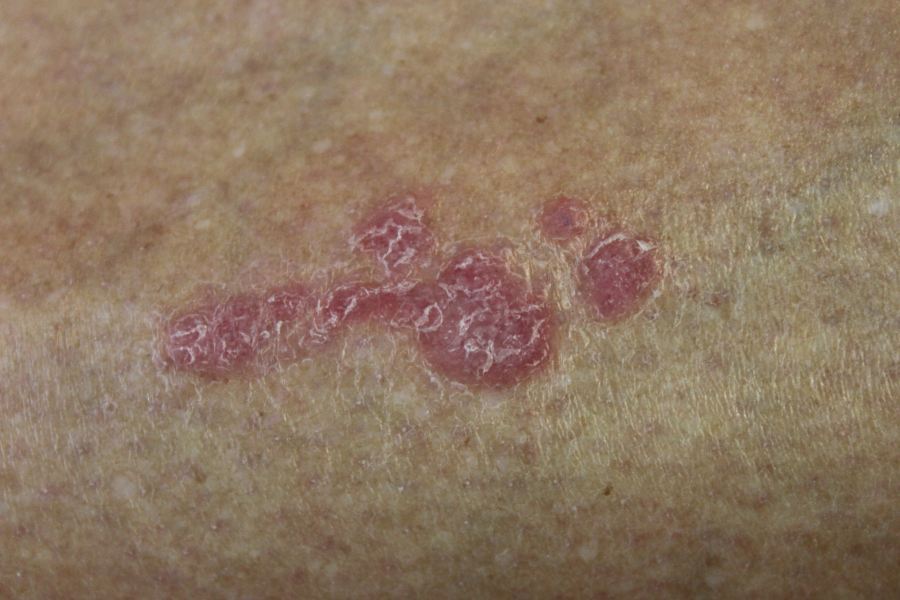
- Shiny, flat-topped violaceous papules
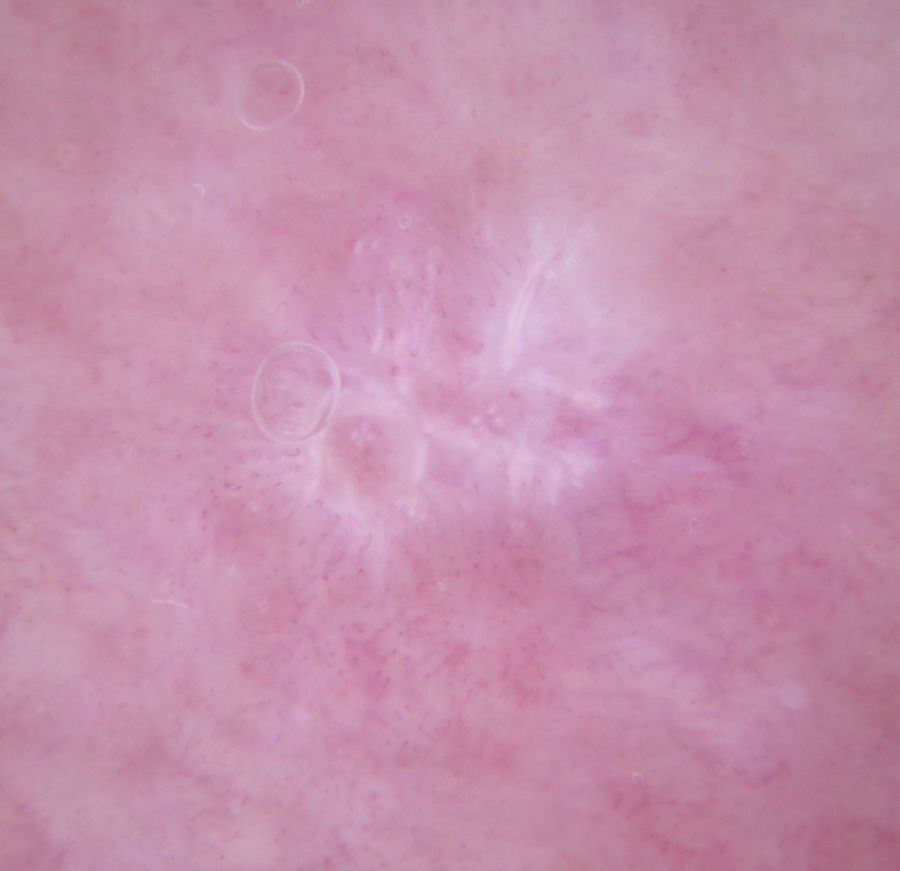
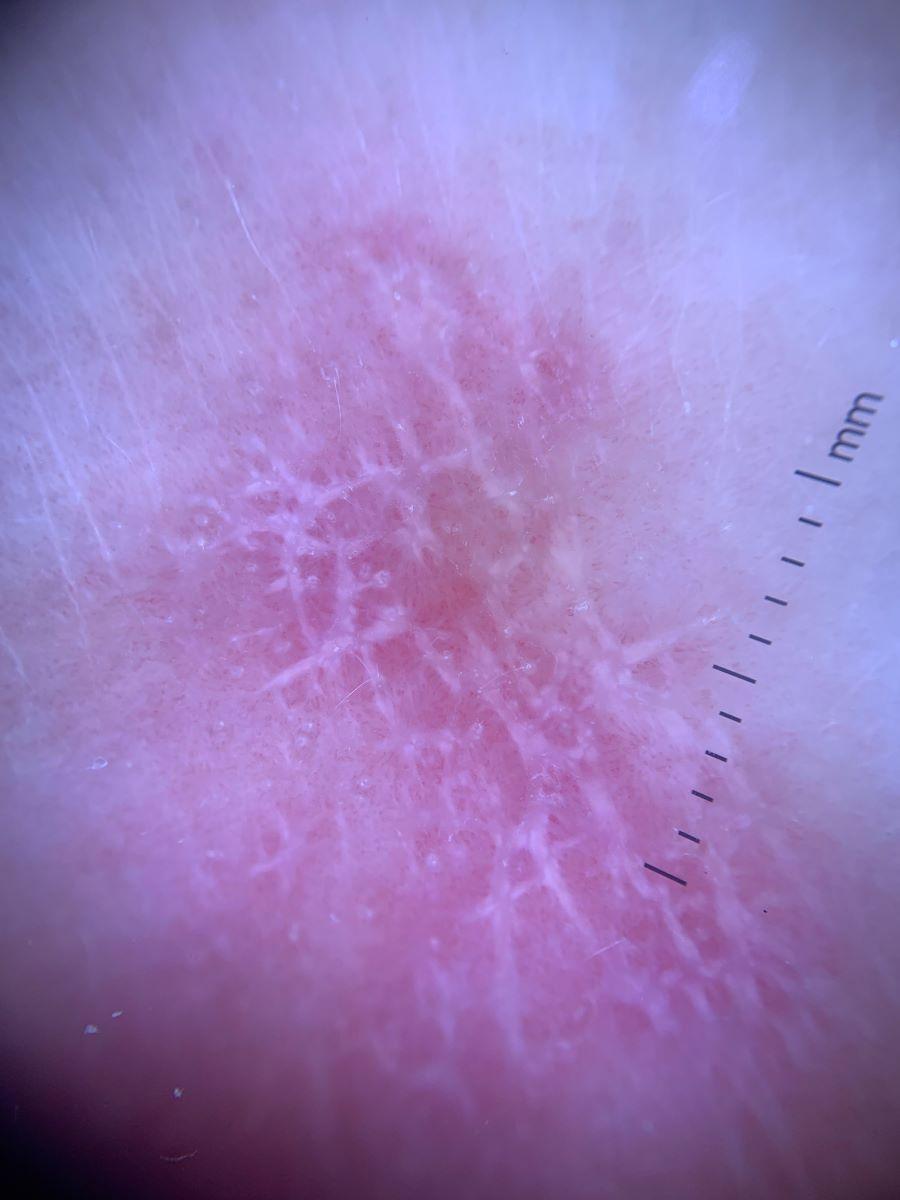
- White lines (Whickham's striae) transverse the surface
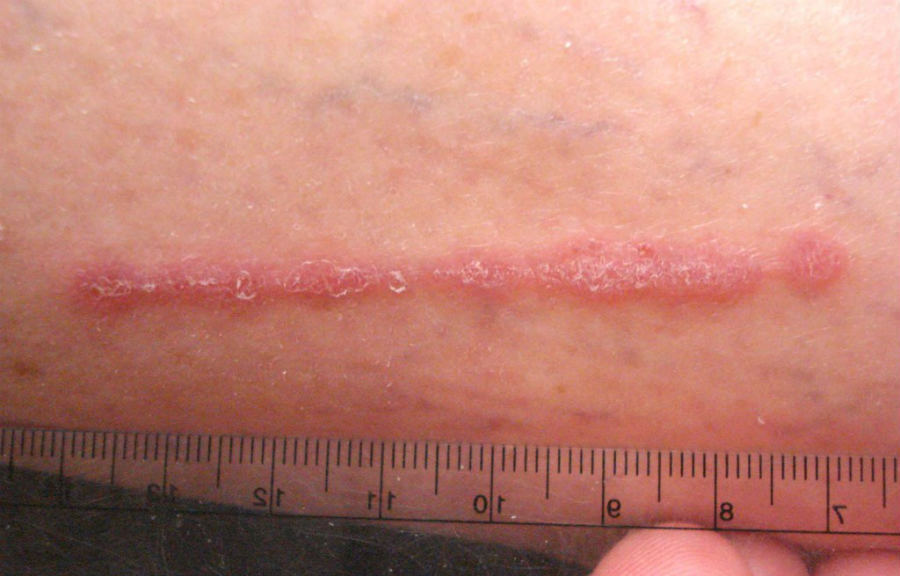
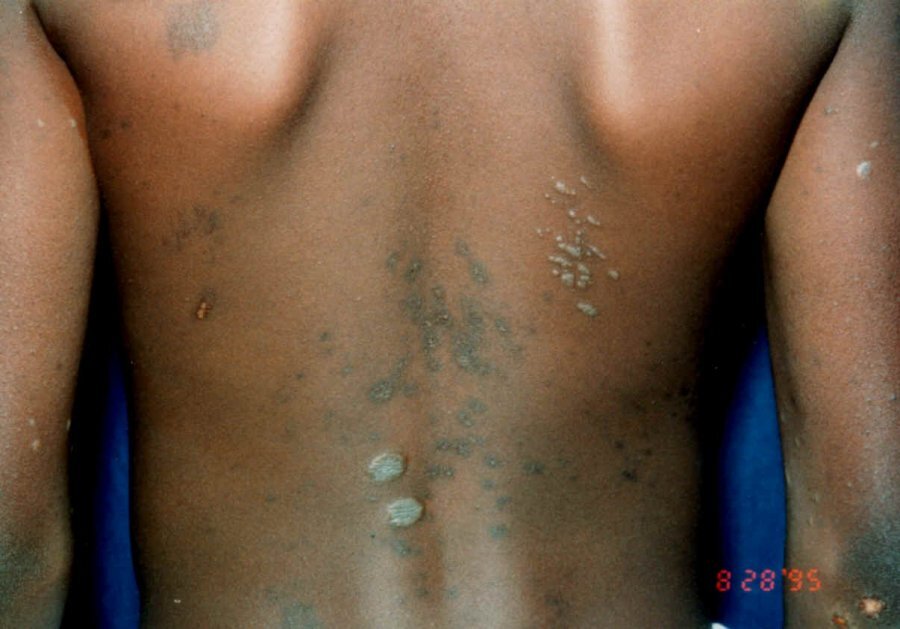
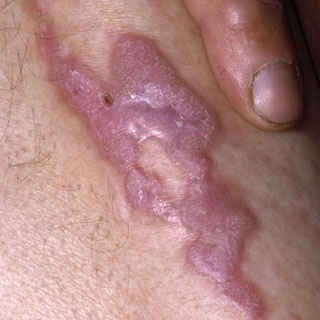
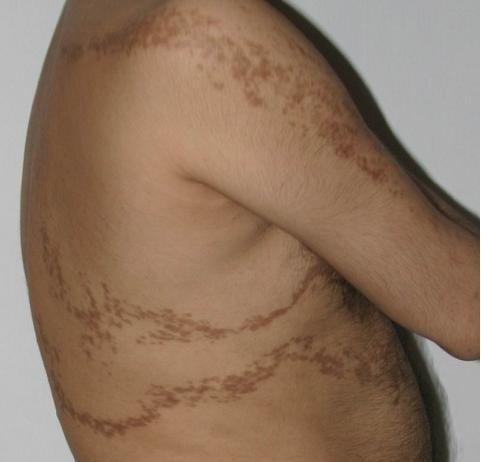
- Linear grouped lesions can grow in scratch marks or other sites of skin trauma (Koebner phenomenon)
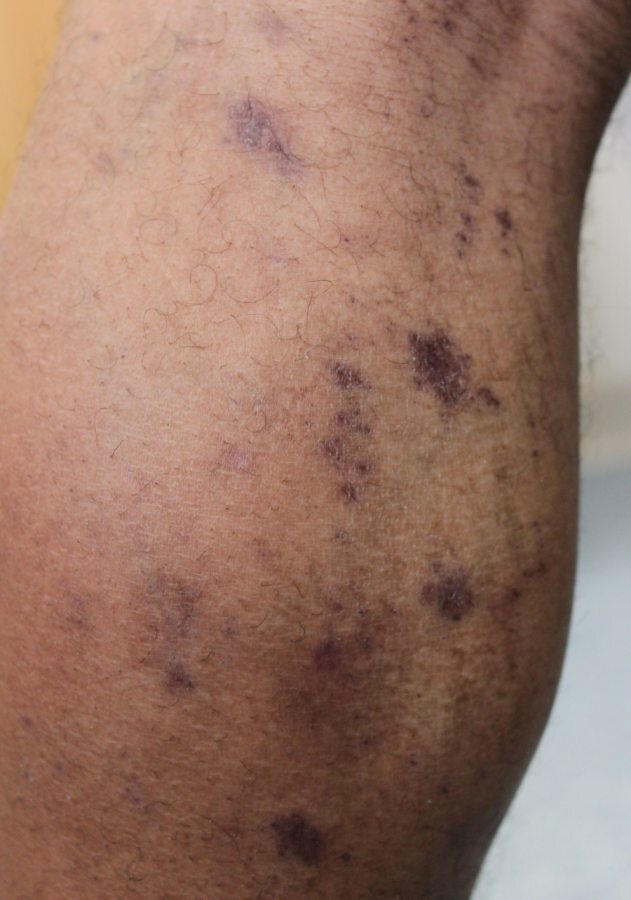
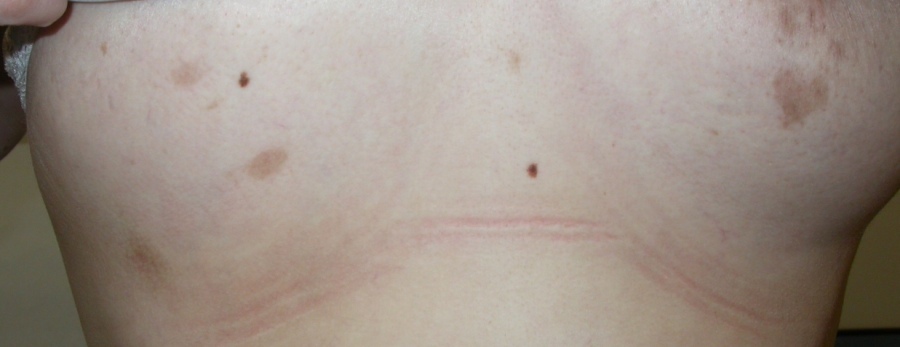
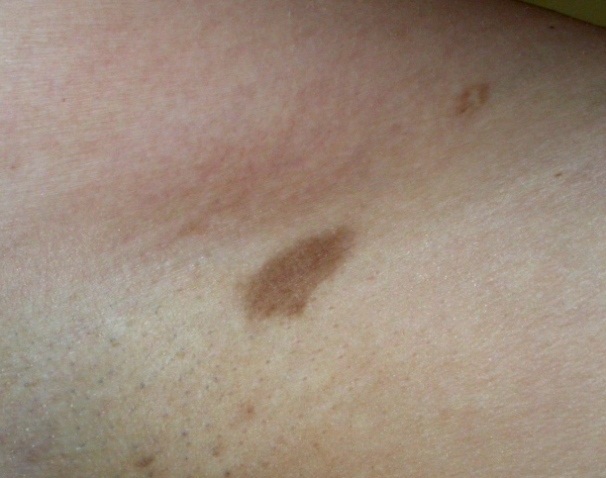
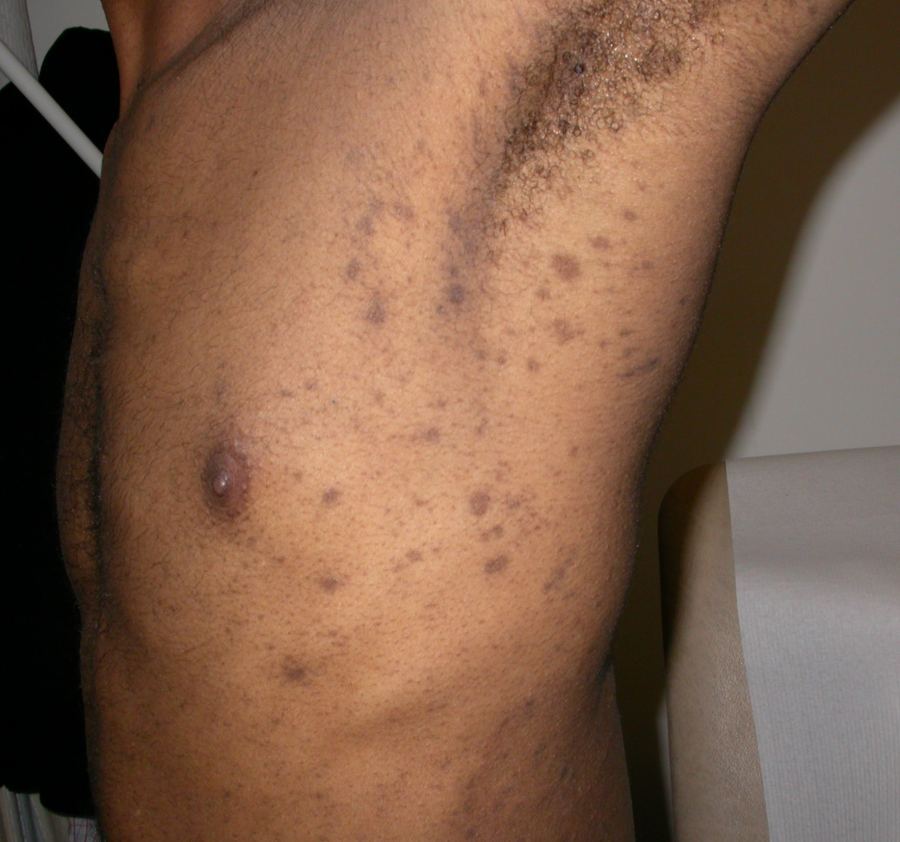
- Papules tend to flatten after a few months and are replaced by hyperpigmentation, which can be intense
Mucosal lesions
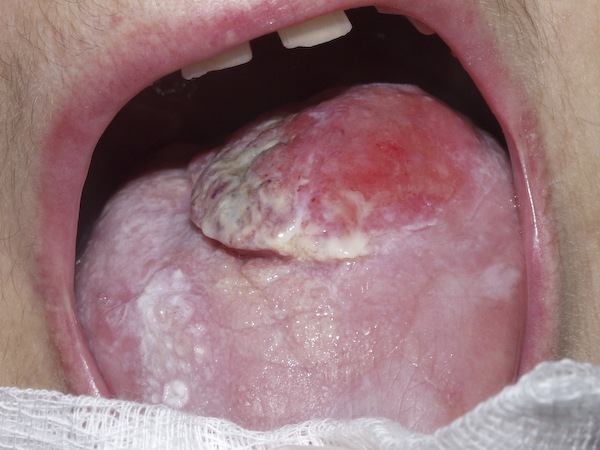
- Can affect the mouth and vulva
- The mouth is involved in approximately 50% of all LP cases, and LP confined to the mouth accounts for about 15% of all cases
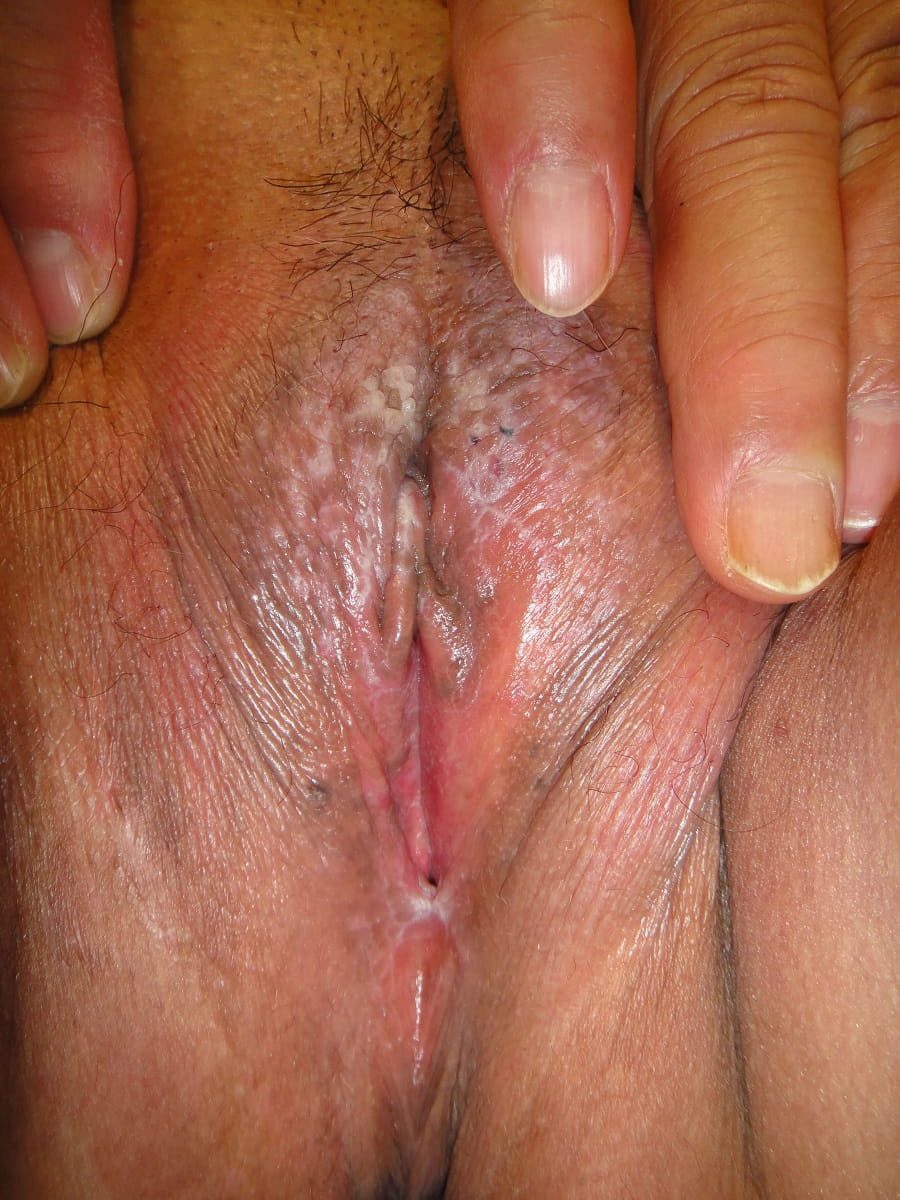
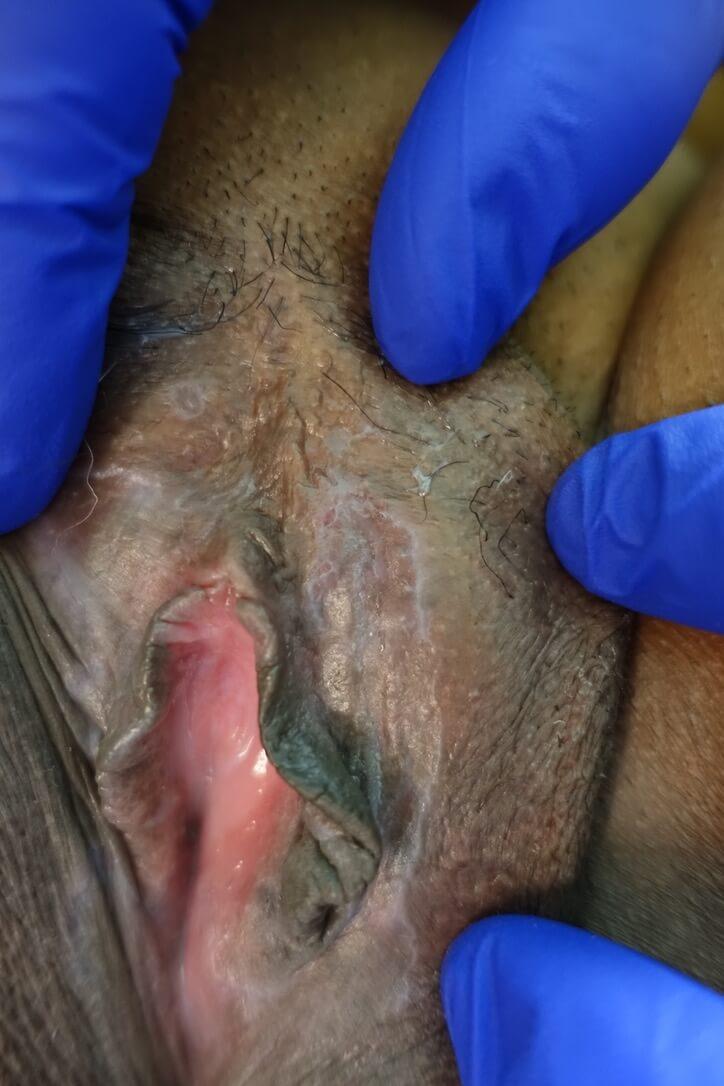
- Lesions on the female genitalia are fairly common and when present are usually part of a more widespread eruption, but occasionally occur in isolation or in combination with oral symptoms
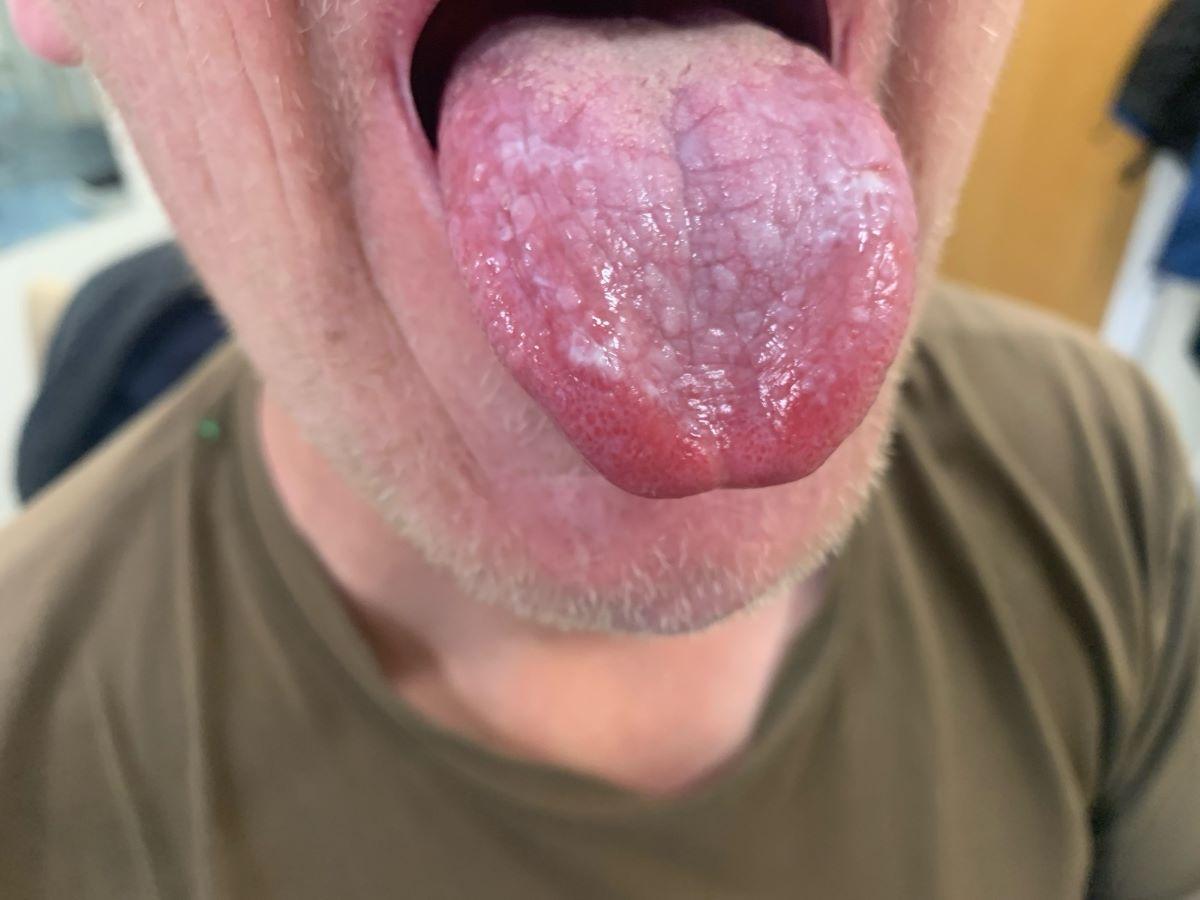
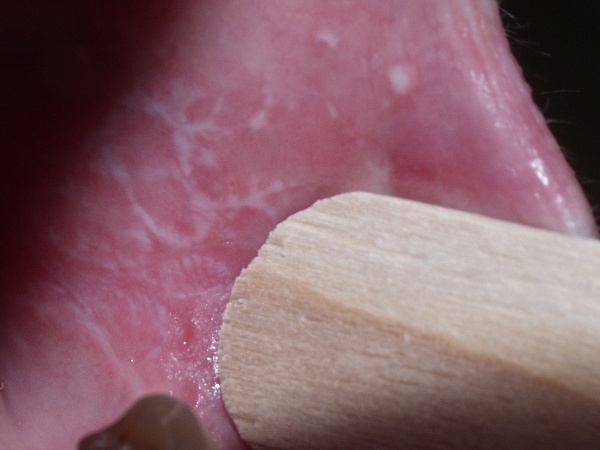
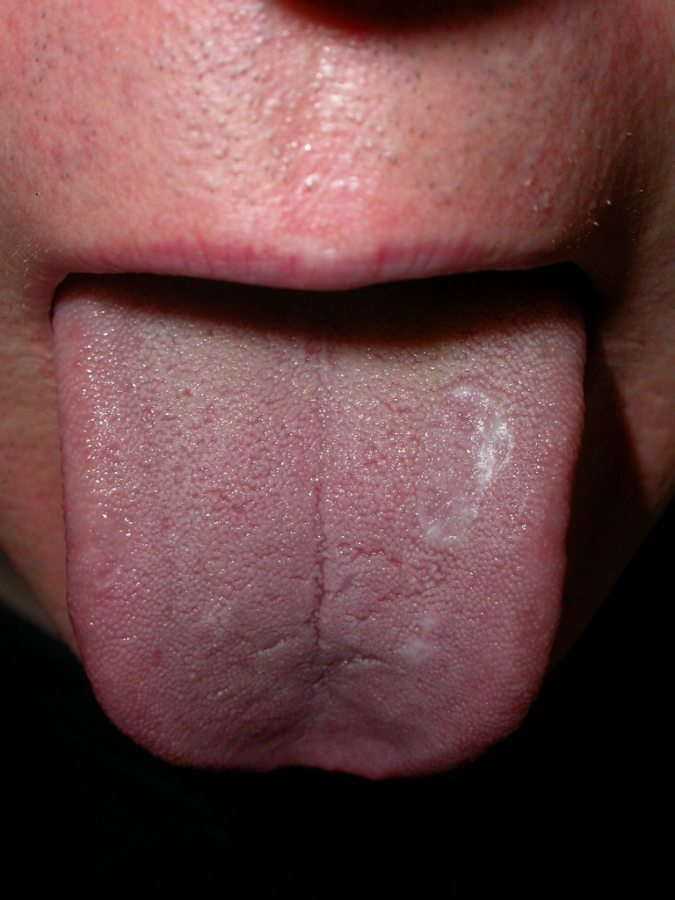
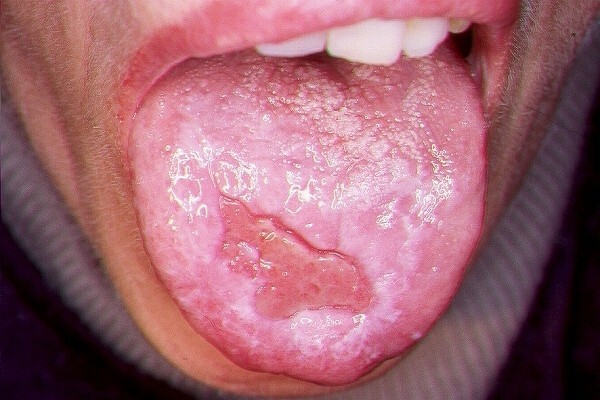
- Characteristic findings are a white lacework pattern. In the mouth the buccal mucosa is the most commonly affected site. The tongue can also be involved, and less so the gums and lips
- Occasionally lichenoid lesions can arise as the result of contact allergic dermatitis to mercury in amalgam fillings on nearby teeth. Patch tests can confirm the diagnosis and if the fillings are replaced symptoms may improve
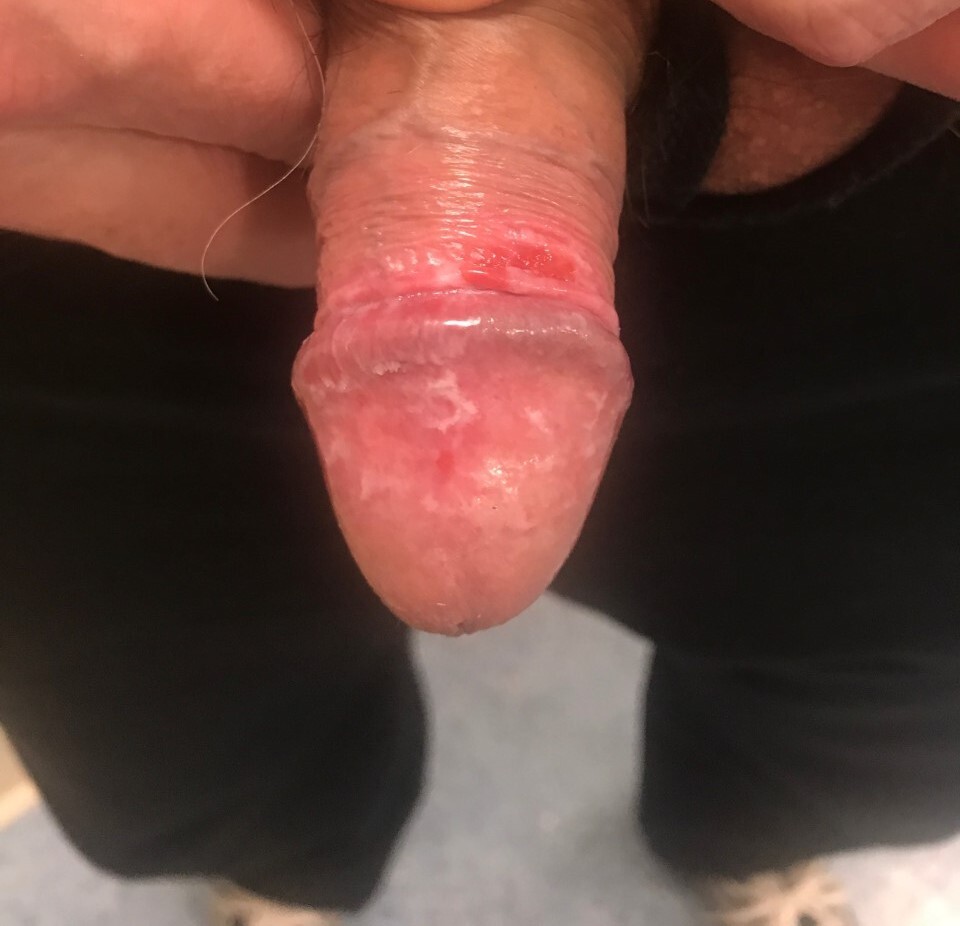
- Erosive LP causing ulceration is uncommon but can be very severe, especially when involving the female genitalia. Erosive LP in males is very uncommon
- Squamous cell carcinoma (SCC) is a rare consequence of mucosal lesions. Patients with oral LP should be advised to have an annual dental review, although those primarily at risk appear to be patients with erosive LP of the genitalia or mouth
Other affected sites
-
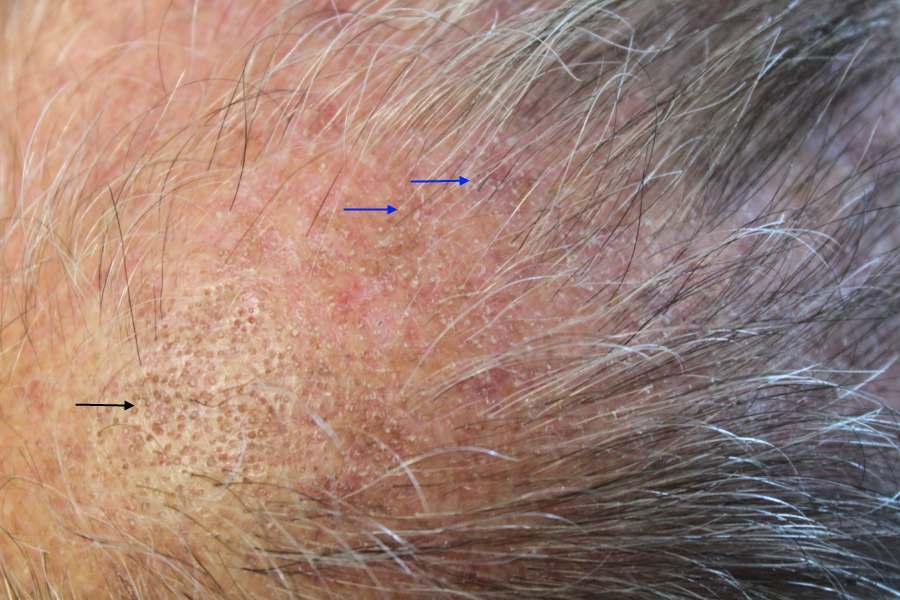
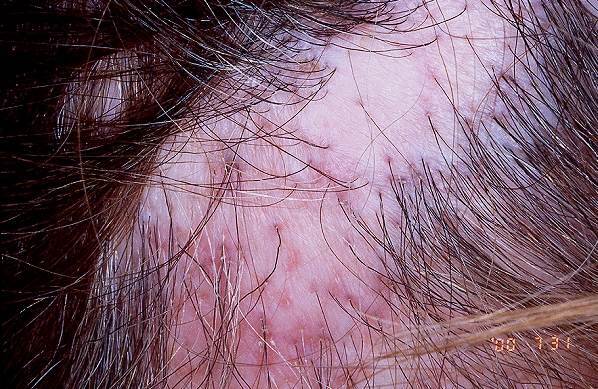
Scalp - although itch, erythema, scaling and a scarring alopecia have all been reported, some patients have no scalp changes whilst other have a variant of lichen planus known as follicular lichen planus without any skin or mucocutaneous changes. Refer to the related chapter Lichen planus - follicular lichen planus for more information
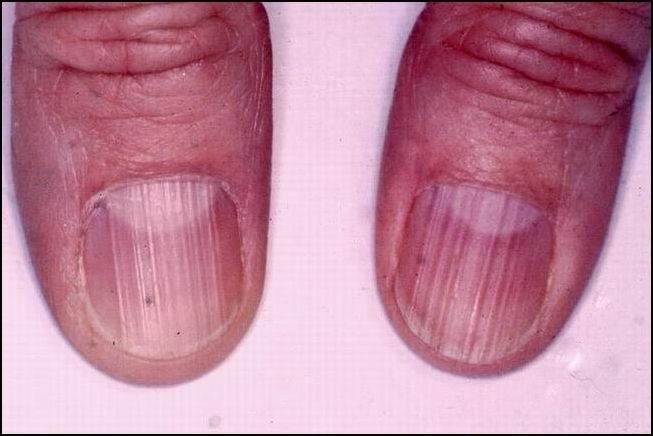
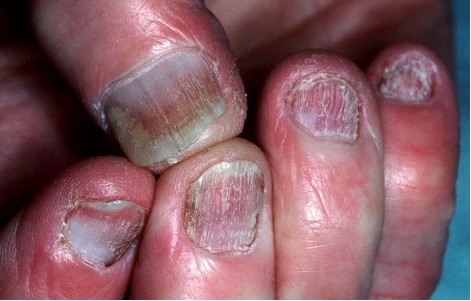
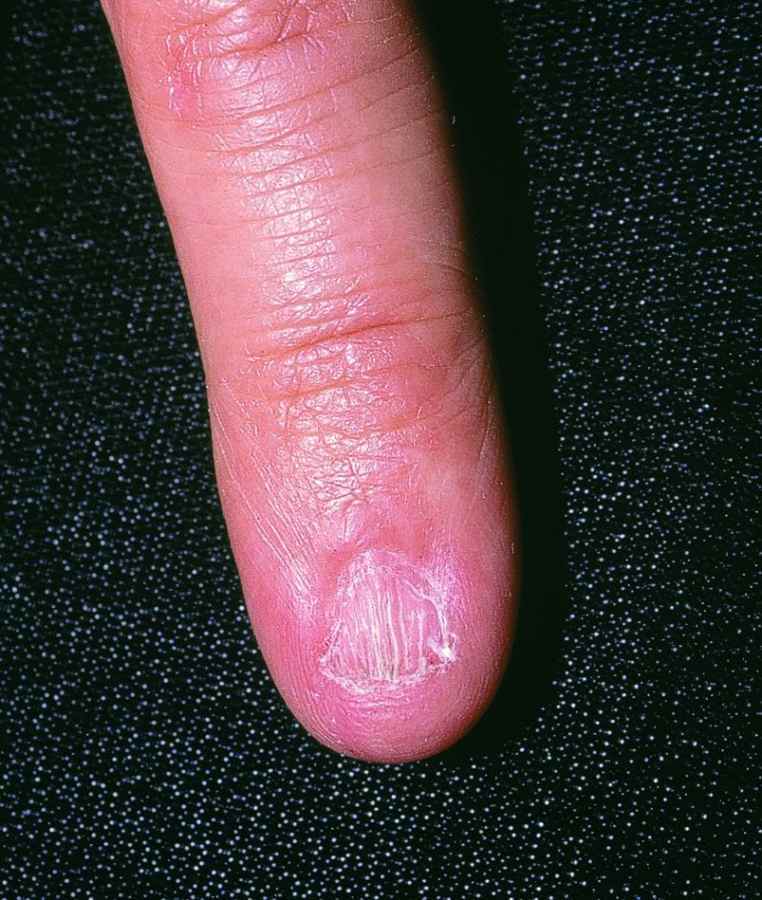
- Nails - involved in 10% of cases, fingernails > toenails. Thinning of the nail plate with longitudinal changes predominate. On occasions the nails can be severely affected causing permanent deformity
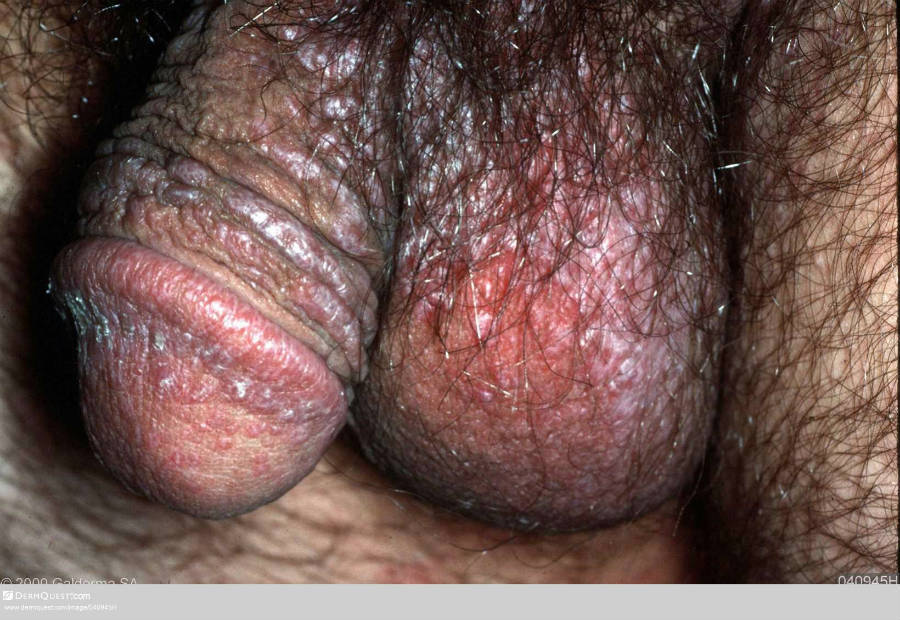
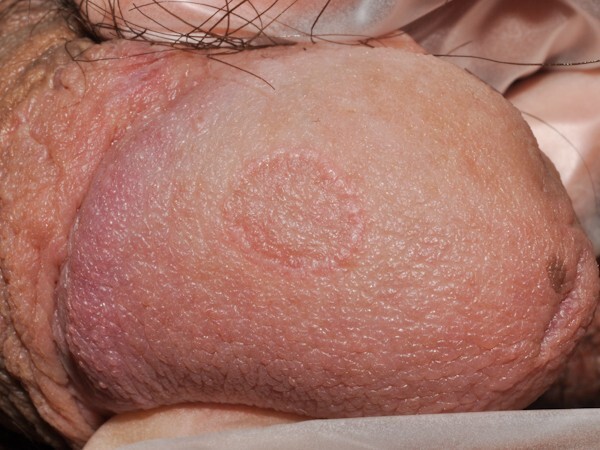
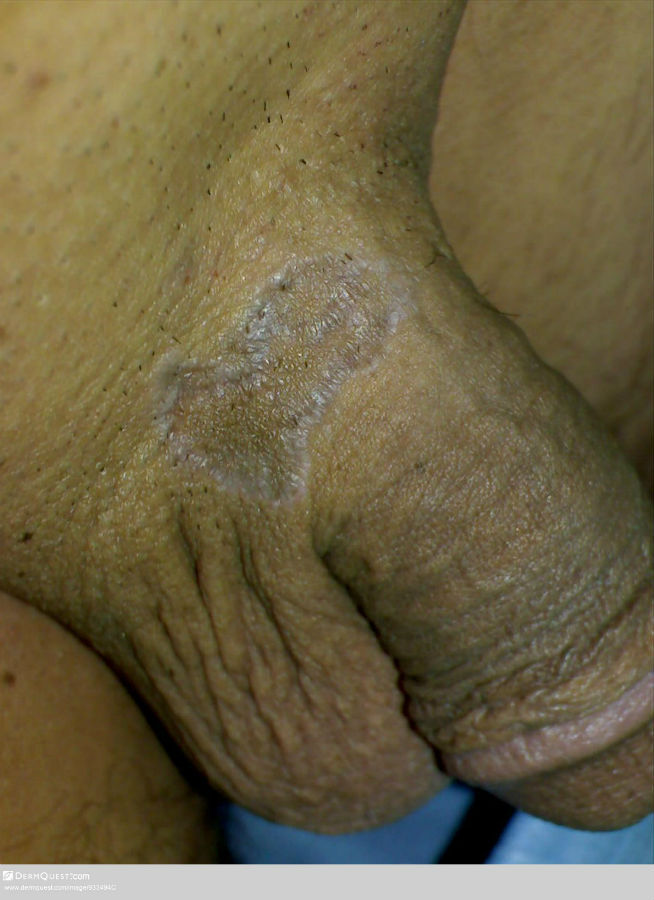
- The penis - although a white lacy network can sometimes be seen annular lesions predominate
Lichen planus variants
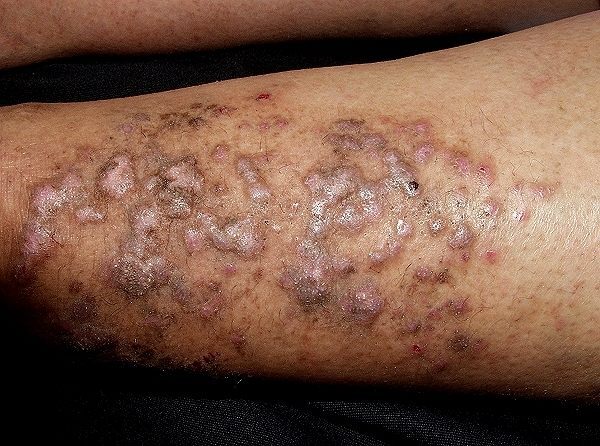
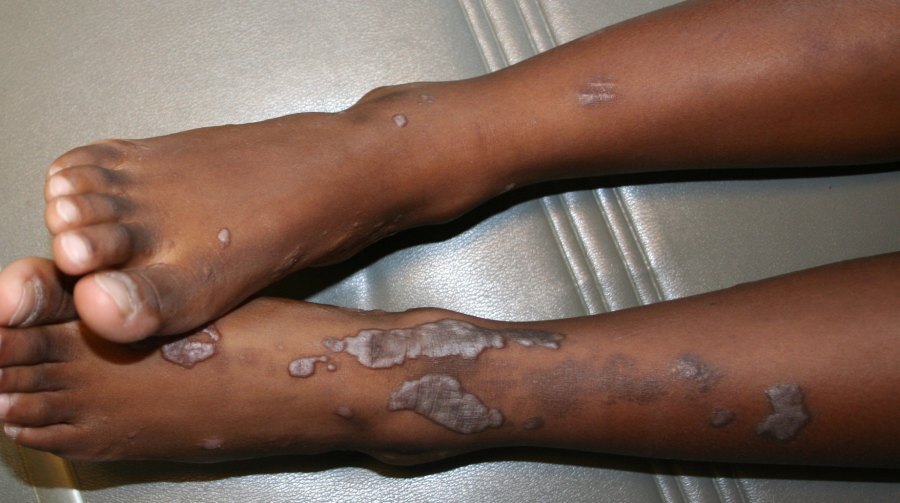
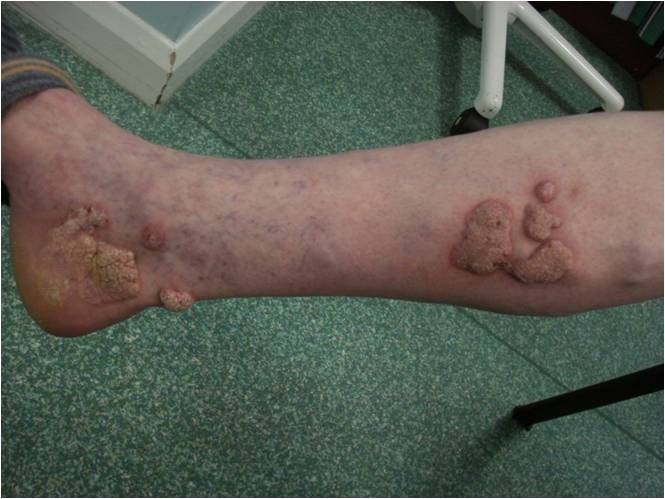
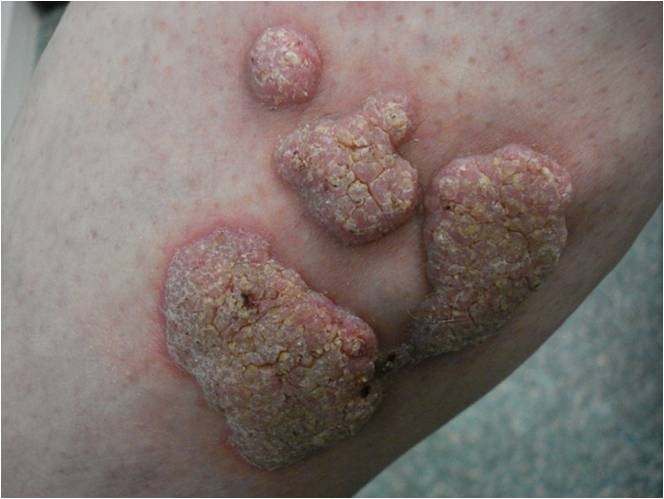
Hypertrophic lichen planus
-
Is not uncommon
-
Large hypertrophic plaques develop especially over the shins and ankles
-
Such lesions may occur in isolation or as part of a generalised LP
-
Some lesions can persist for many years
Annular lichen planus
-
Although small annular lesions are common in LP, cases consisting predominantly of a few large annular lesions are uncommon
-
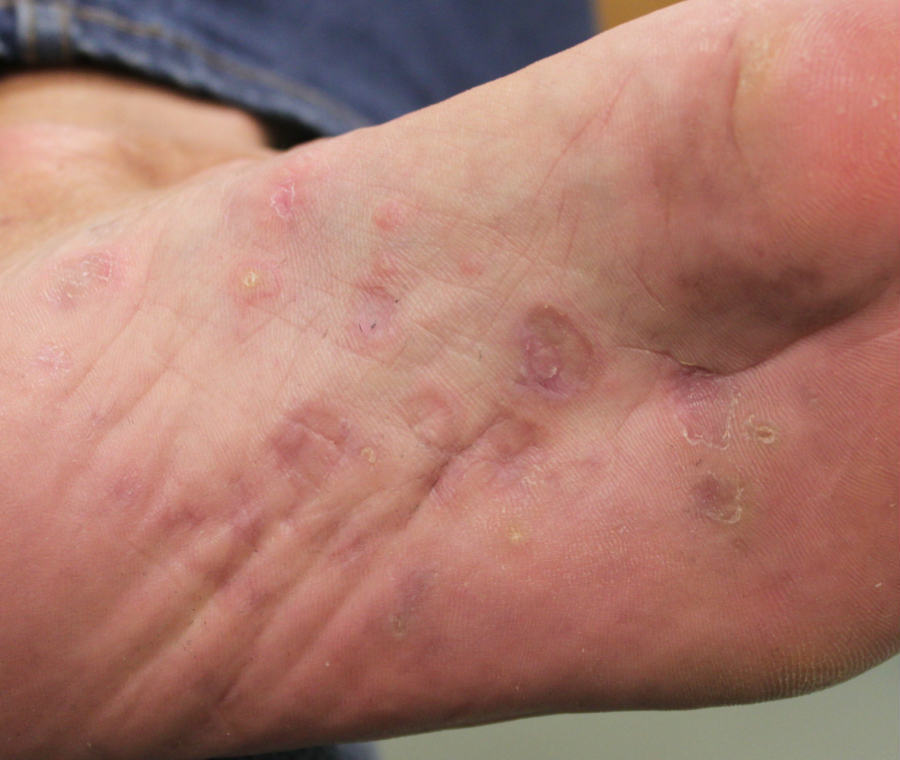
Annular lesions may be found on the penis, palms/soles, or can be widely scattered
-
Lesion normally have a narrow rim of activity and a depressed slightly atrophic centre
-
The differential diagnosis includes granuloma annulare
Lichenoid drug reactions
-
Cause an LP-like rash
-
The trunk is the most frequently affected site and the lesions more psoriasiform
-
Itch can be minimal or absent
-
Refer to the related chapter Drug rashes - mild to moderate
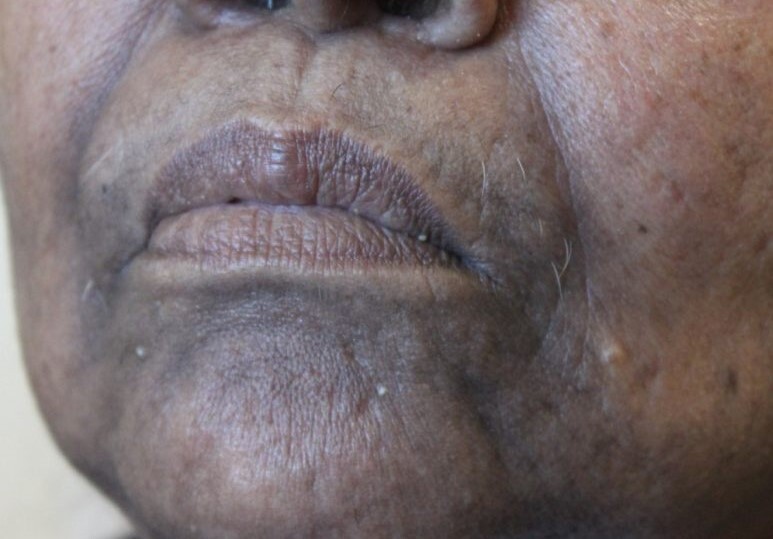
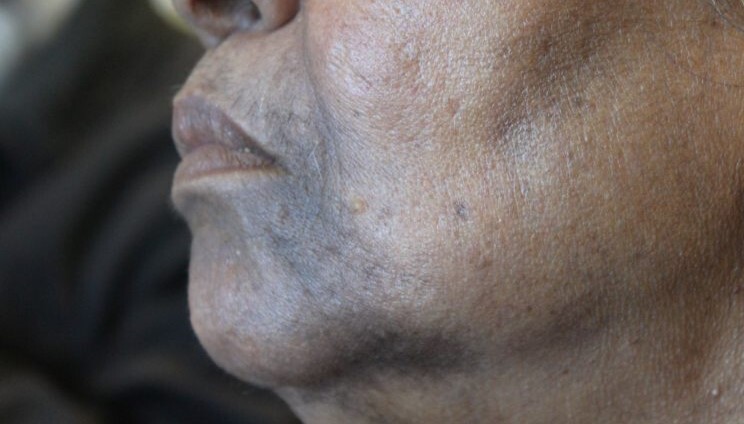
Lichen planus pigmentosus
-
Occurs in skin of colour
-
It presents with patches of hyperpigmentation, which tend not to itch
-
The course can be very prolonged and may last many years
Other types of lichen planus include linear, actinic, atrophic, guttate, bullous, pigmented flexural, Blaschkoid LP and LP of the palms and soles. A mixed lichen planus / discoid lupus erythematosus picture has been described.
Clinical Images
Please refer to notes on image rights at bottom of the page with regards to individual image
ownership.
1
2
3
4
5
6
7
8
9
10
11
12
13
14
15
16
17
18
19
20
21
22
23
24
25
26
27
28
29
30
31
32
33
34
35
36
37
38
39
40
41
42
43
44
45
46
47
48
Investigations
-
Lichen planus can normally be diagnosed without investigations
-
If the presentation is atypical a biopsy can be helpful. The characteristic histological findings of lichen planus are best demonstrated in biopsies of fully developed lesions. The centre of the papule shows irregular acanthosis of the epidermis, irregular thickening of the granular layer and compact hyperkeratosis. The mid‐epidermal cells appear larger, flatter and paler than usual (reference: Rook's Textbook of Dermatology)
Management
General measures
Topical steroids (and other corticosteroids)
-
The prognosis for LP is 50% of patients clear in nine months / 85% by 18 months. LP can relapse in 20% of cases
-
For the majority the main aim of the treatment is to reduce the intense itch. The mainstay of treatment should be:
- Potent / super-potent topical steroids eg 0.1% Betnovate ® cream or Dermovate ® cream once a day, sometimes for several weeks - as symptoms improve the potency of topical steroids can be reduced. In order to minimise side-effects of topical steroids it is important to advise patients to treat only the itchy active lesions, and not the post-inflammatory hyperpigmentation
- Such treatments can also be used on genital skin
- Sedating anti-histamines eg hydroxyzine at night may help with sleep (only use short-term or periodically)
-
Scalp - topical steroid scalp applications
-
Persistent lesions on the shins (including hypertrophic LP) may require the use of potent / super-potent topical steroids under occlusion, or treatment with intralesional steroids. The easiest form of occlusion is using clingfilm, but where there is more excoriation full occlusion may be required by way of Zipzoc ® or Viscopaste ® bandages
- If symptoms are more troublesome eg widespread rash / severe itch, and are not responding to potent / super-potent topical steroids, consider oral prednisolone 20 mg OD for two weeks or an IM injection of steroids eg 80 mg Depo-Medrone ® in suitable patients. Patients with a limited response, or who relapse soon after such treatment are best referred to Secondary Care as opposed to having repeated courses of steroids
Oral symptoms
Troublesome oral symptoms can be treated as follows:
-
Topical analgesia is available as a mouthwash and spray eg Difflam ®
-
A number of topical anti-inflammatories can be used as a gargle for 2-4 minutes, 3-4 times a day:
-
Betamethasone 500 microgram soluble tablet dissolved in 10 ml of water
-
Flixonase ® Nasule ® drop 400 micrograms dissolved in 10 ml of water
-
Doxycycline 100 mg dispersible tablets have both anti-inflammatory and antibacterial properties
Hyperpigmentation
-
There is no good treatment that can help reduce the hyperpigmentation found in some forms of lichen planus, and in post-inflammatory lesions
Who to refer
-
Troublesome rash / itch not responding to treatment
-
Patients with evidence of scarring alopecia, nail destruction, ulceration or other aggressive forms of lichen planus should be referred urgently to a dermatologist
-
Treatments used in Secondary Care include phototherapy, ciclosporin and acitretin
Other resources
Disclaimer - the author PCDS cannot accept responsibility for any misleading or incorrect statements, and the management of individual patients remains the direct responsibility of the individual doctor. We do however hope that visitors to this site can contact us regarding comments that are considered misleading or incorrect so that we can continue to improve the site.
Image Rights - The PCDS would like to thank Dermatoweb, DermQuest (Galderma), and others who have contributed images. All named individuals and organisations maintain copyright for the relevant images.