Urticaria: chronic inducible urticaria (CIndU)
LAST UPDATED: Dec 21, 2025
Acknowledgements: This chapter has been updated with the kind support of Dr Kash Bhatti
Introduction
Chronic inducible urticaria (CIndU) is a distinct subgroup of urticaria in which a specific stimulus is needed to induce the symptoms. For such a diagnosis to be made the stimulus must be the main cause of the symptoms.
Many patients with chronic spontaneous urticaria (CSU) have symptomatic dermographism; some will exhibit other trigger-induced symptoms. However, unlike CIndUs, the trigger does not reliably reproduce symptoms, and hence, is not a true CIndU.
This chapter is set out as follows:
History
The different types are as follows:
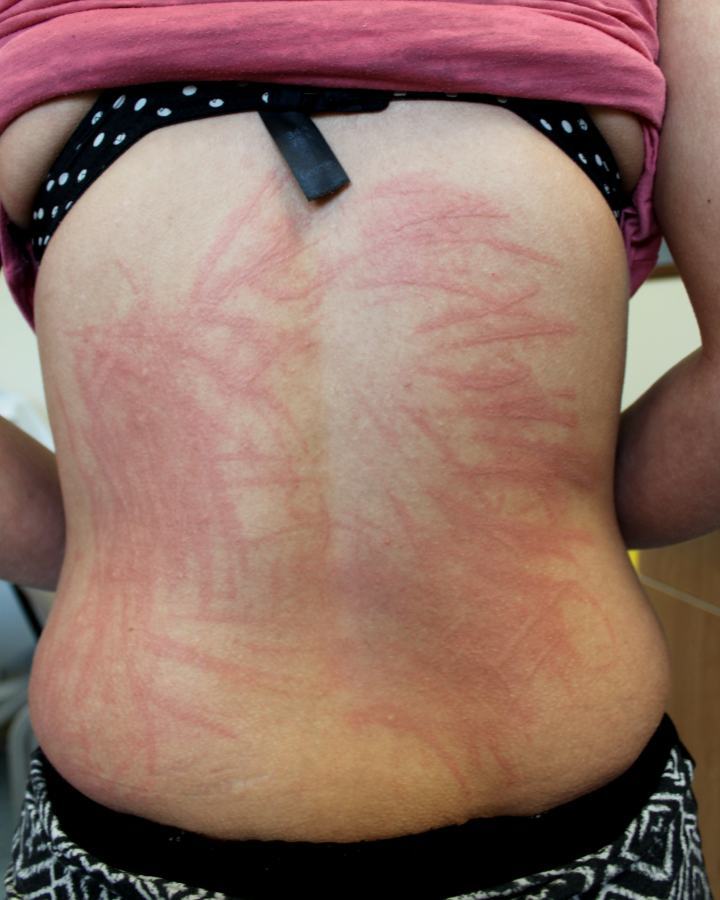
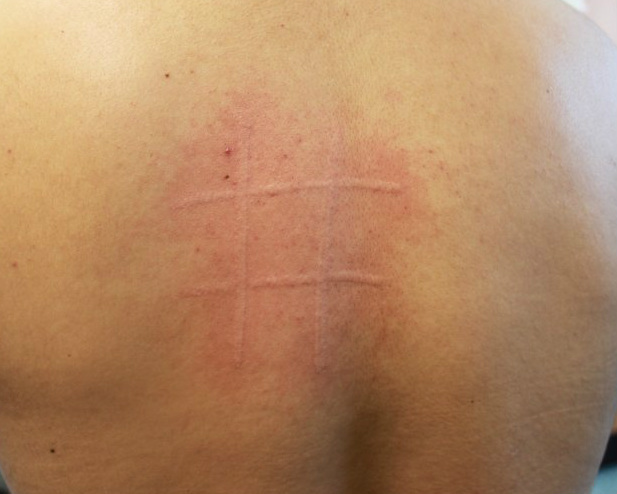
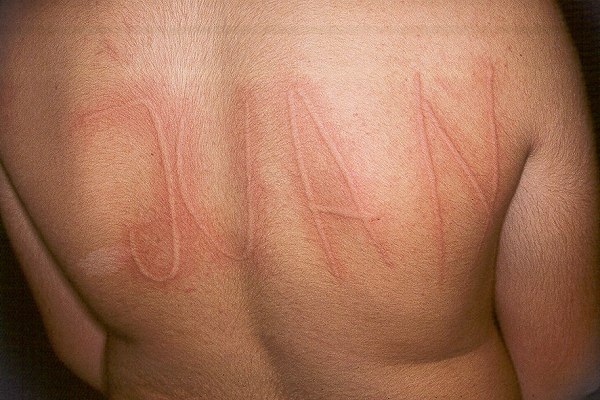
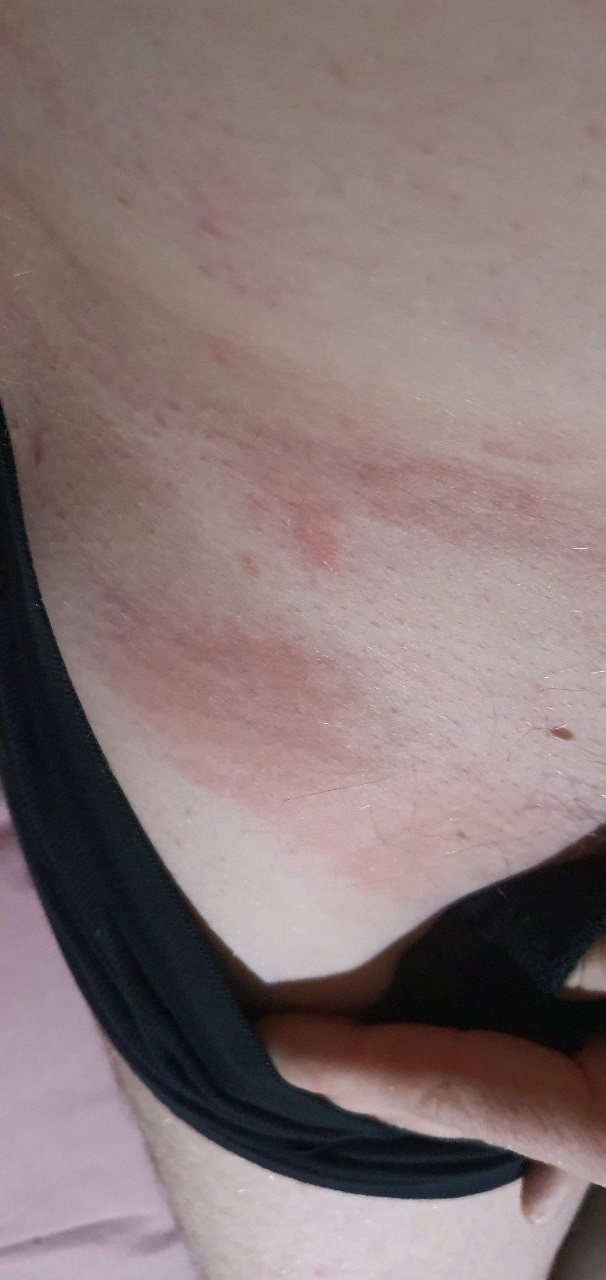
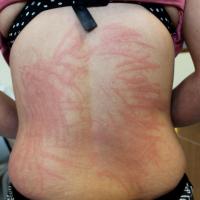
Symptomatic dermographism (syn. urticaria factitial)
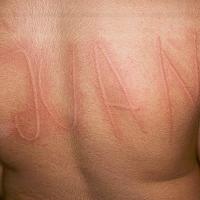
- The term dermographism literally means writing on the skin
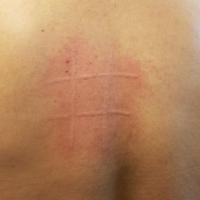
- In most people firm stroking of the skin produces an initial red line followed by a flare with broadening erythema and the formation of a linear wheal. Up to 5% of the population have an exaggerated response to this constitutional whealing tendency. This is known as physiological or simple dermographism, is not usually itchy, and usually resolves within minutes to up to 30 minutes
- Symptomatic dermographism, the commonest CIndU, is a pathological dermographism associated with itching or burning sensations. It is thought to occur due to shearing forces applied to the skin. Wheals usually develop within 5 minutes of stimulus and may last at least 1.5-2 hours
- Symptomatic dermographism tends to present in young adults but can present at any age. It can be solitary or occur with chronic spontaneous urticaria
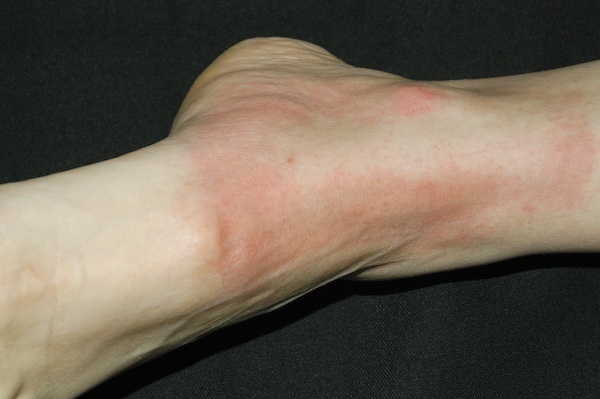
Delayed pressure urticaria
- More common in younger patients but much less common than symptomatic dermographism
- As a solitary finding is uncommon, however, it is found frequently in patients with spontaneous urticaria (up to a third of DPU patients will have CSU)
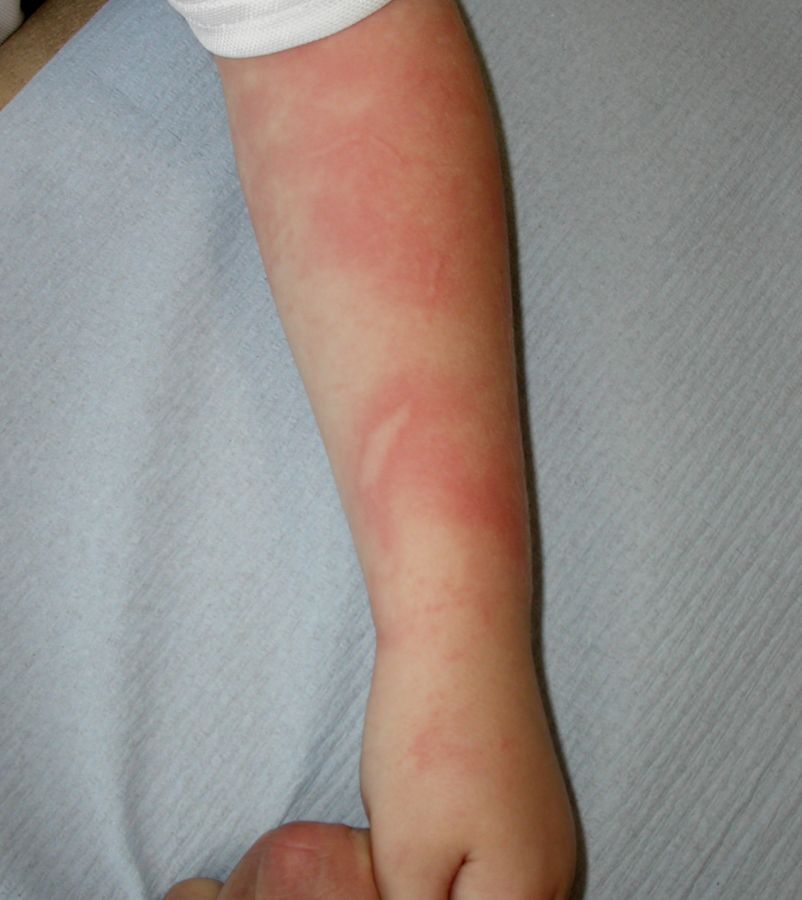
- Symptoms occur at sites of sustained pressure e.g. over areas of tight clothing or on the buttocks after sitting, arising several hours after contact and usually lasting up to 24 hours
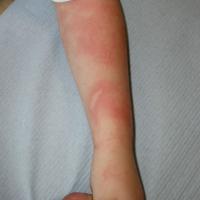
- Can present as a diffuse erythematous swelling with or without localised urticaria
Cholinergic urticaria
- A relatively common condition in young patients and tends to self-resolve with age
- More common in atopic individuals
- Distribution - lesions are most commonly found on the trunk but classically start on the neck and trunk and spread distally
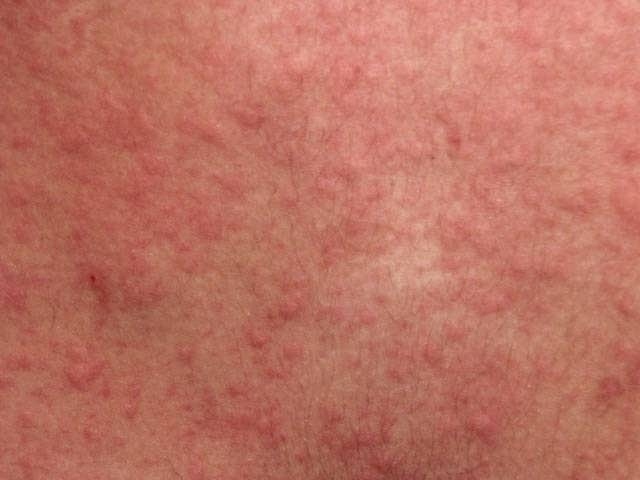
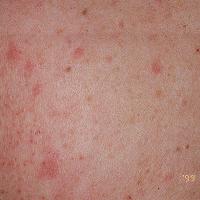
- Morphology - different to other types of urticaria. Multiple small (<3mm mm) papules, which erupt in relationship to active or passive elevation in body temperature, e.g. following exercise, contact with hot water, eating spicy food, and stress
- Lesions tend to last 15-60 minutes before fading away
- Can be difficult to differentiate between this and exercise-induced anaphylaxis (triggered by active warming, and not passive warming) and may need referral to differentiate
Solar urticaria
- Rare
- Peak age of onset 20-40 years, with a female preponderance, and no Fitzpatrick skin phototype predilection
- History - a sore, itchy, urticarial rash that develops within 5-15 minutes of sun exposure to ultraviolet and/or visible light (UVA > visible light > UVB), resolving within 24 hours. Rarely, exposure can occur up to an hour after light exposure, or cause solar angioedema, or last longer than 24 hours
- Morphology - erythema, oedema and wheals developing on sun-exposed sites
- Refer to the chapter Solar urticaria for more information
- Requires referral to a photobiology unit for monochromator threshold testing and help with management
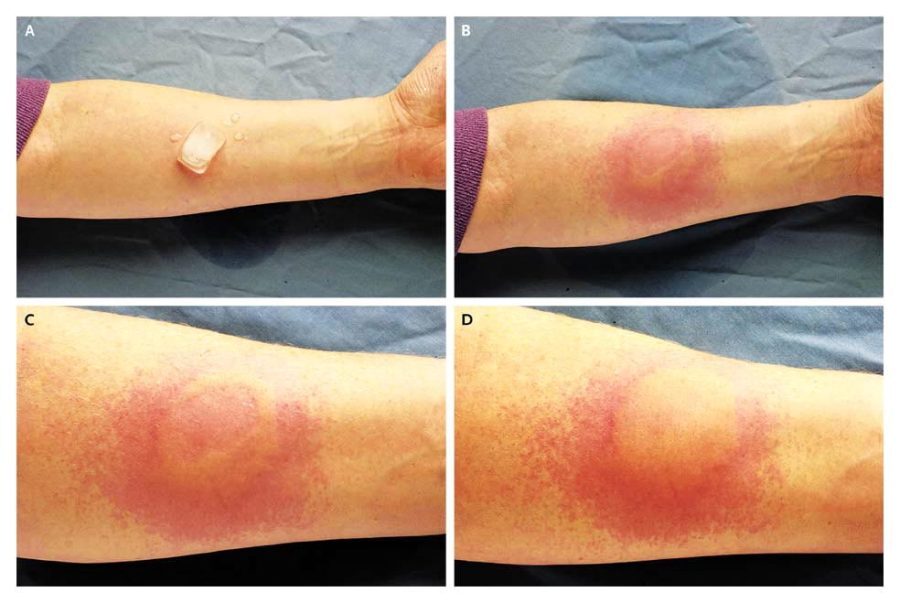
Cold urticaria
- Rare
- Tends to affect young and middle-aged adults
- Up to 96% of cases are idiopathic but a few are secondary to underlying disorders such as cryoglobulinaemia, haematological conditions or infection
- Symptoms develop on sites after exposure to the cold such as in a cold wind, or fullness of the throat / swelling of the lips after drinking cold liquids
- Due to massive histamine release, patients can develop life-threatening hypotension, oropharyngeal oedema, and anaphylaxis, if they are exposed to sudden temperature drops (e.g. plunging into a cold swimming pool or large body of water) and so patients with cold urticaria should learn to protect themselves from a rapid drop in body temperature. Aquatic activities (eg swimming, surfing) should be done under supervision at all times and patients should carry Epipens and know how to use them
- Patients should be referred to a dermatologist for further assessment and advice on management
Aquagenic urticaria
- Rare
- Small wheals (1-2mm) develop within 5-60 minutes of exposure to water, hot or cold, lasting for 30-60 minutes
- Can be associated, rarely, with angioedema, and systemic symptoms of wheezing, shortness of breath, and anaphylaxis
- It must be differentiated from cold urticaria, cholinergic urticaria and aquagenic pruritus where in the latter there is water-induced itching but no rash
Contact urticaria
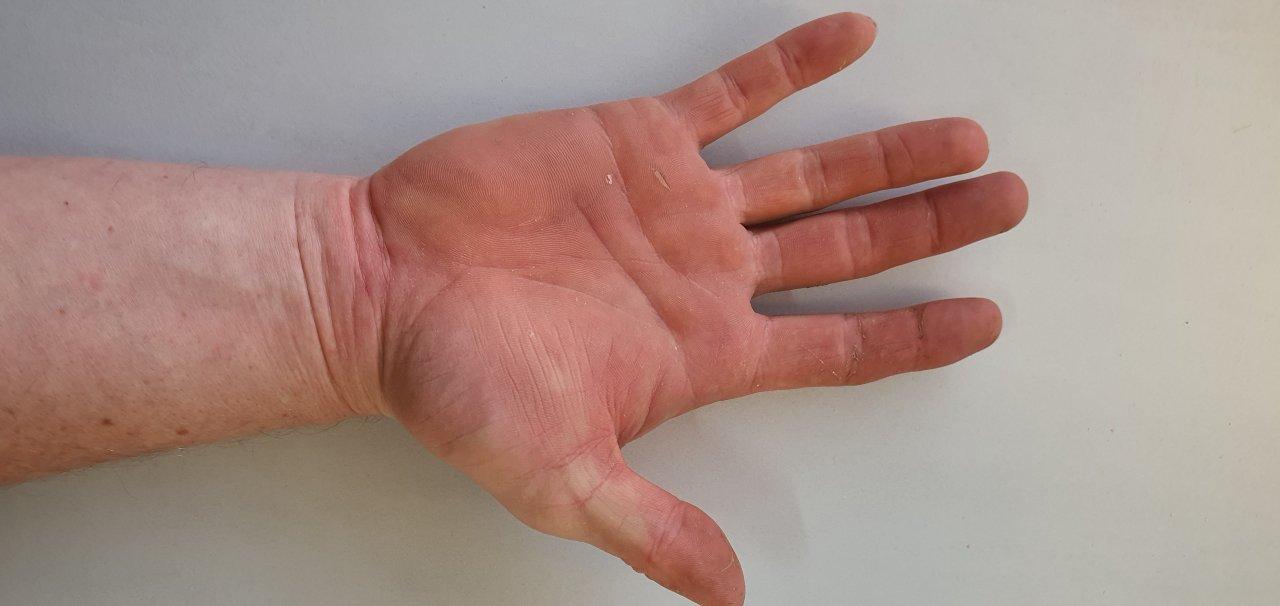
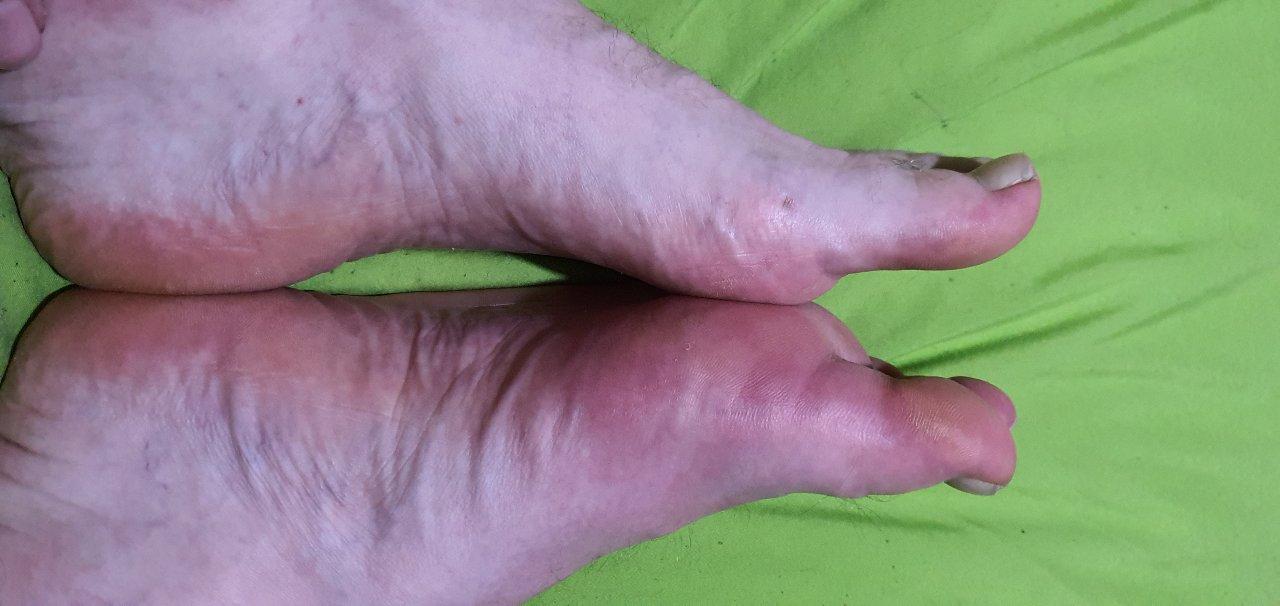
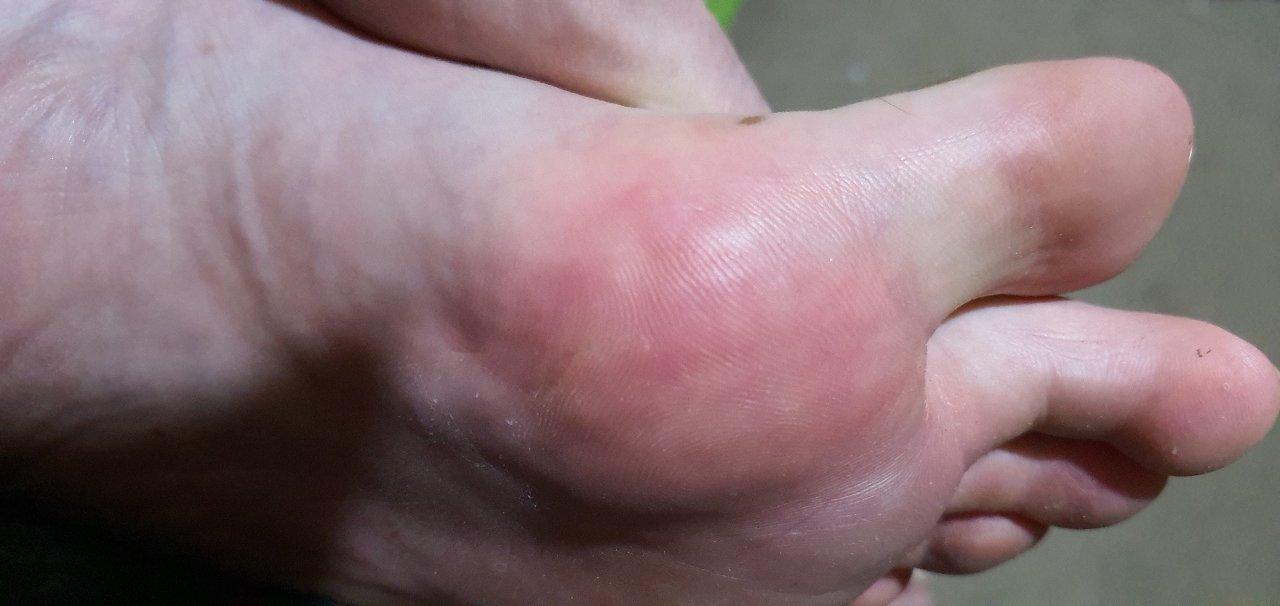
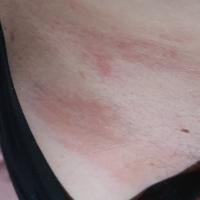
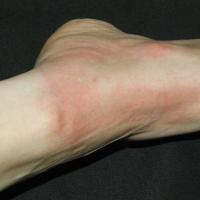
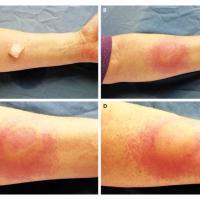
Clinical Images
Please refer to notes on image rights at bottom of the page with regards to individual image
ownership.
1
2
3
4
5
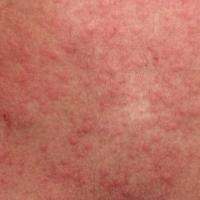
6
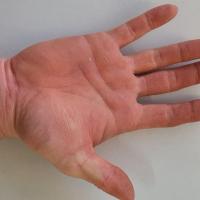
7
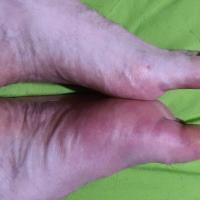
8
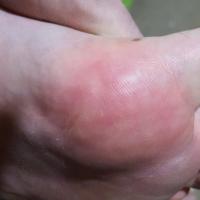
9
10
11
12
Management
Step 1: general measures
- Avoidance / reduction of triggers
- Manage patient expectations as physical urticaria's may last months or many years, reassure the patient that it is safe to take antihistamines for as long as is needed
Step 2: second-generation H1-antihistamines
Step 3: referral
- All patients with solar urticaria and cold urticaria require referral. Those in which cholinergic urticaria cannot be differentiated from exercise-induced anaphylaxis also need to be referred
- Other patients with recalcitrant symptoms not responding to high-dose second-generation H1-antihistamines also need referring
- Second line treatment - omalizumab
- Third-line treatment:
- Cholinergic urticaria - a leukotriene receptor antagonist eg montelukast (Singulair ®) 10mg OD, anticholinergic medications, propranolol, danazol
- Symptomatic dermographism - phototherapy (UVB or PUVA)
- Delayed pressure urticaria - dapsone or sulfasalazine
- Cold urticaria - ciclosporin
- Solar urticaria - phototherapy can be used to desensitise the patient to UV radiation
Disclaimer - the author PCDS cannot accept responsibility for any misleading or incorrect statements, and the management of individual patients remains the direct responsibility of the individual doctor. We do however hope that visitors to this site can contact us regarding comments that are considered misleading or incorrect so that we can continue to improve the site.
Image Rights - The PCDS would like to thank Dermatoweb, DermQuest (Galderma), and others who have contributed images. All named individuals and organisations maintain copyright for the relevant images.