LAST UPDATED: Jan 31, 2025

A dermatofibroma (also known as histiocytoma) is a common type of fibrous or scarring reaction that occurs in the deeper layer of the skin. Dermatofibromas are benign (harmless) and cannot turn into skin cancer.
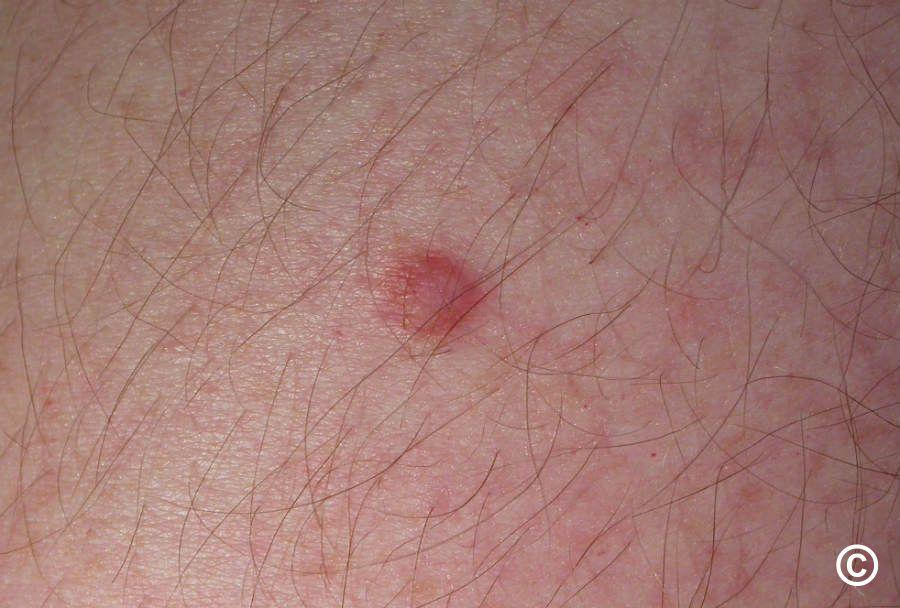
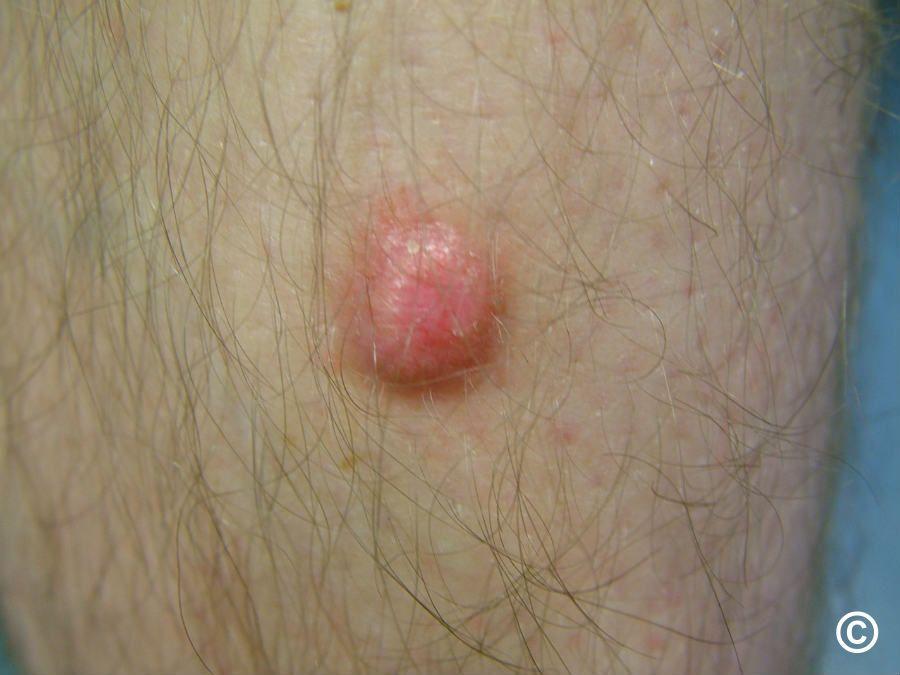
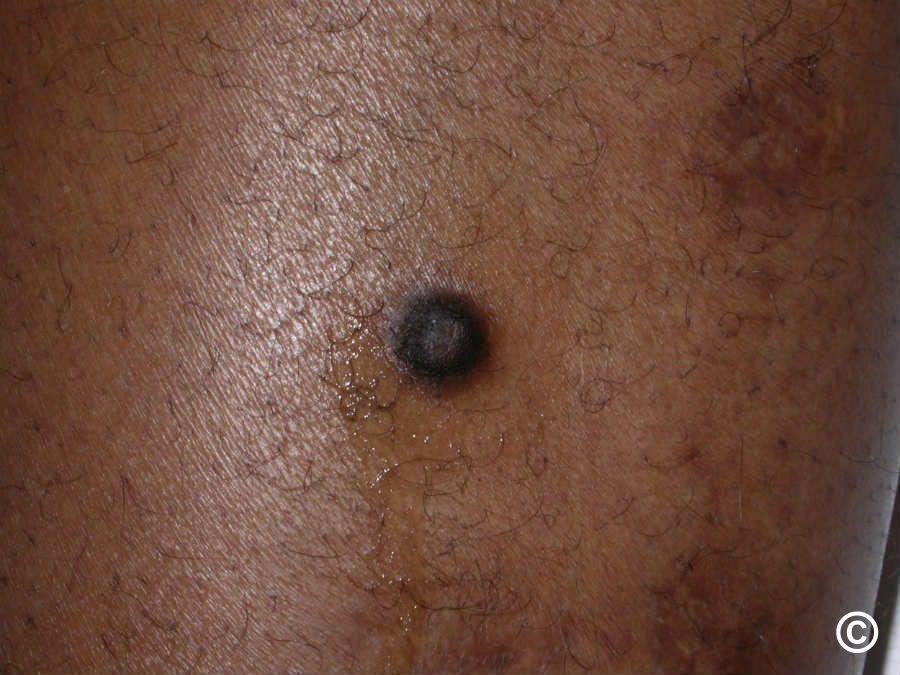
You may be referred to a dermatologist or a GPwER/GPwSI (a GP who has also been trained in relevant areas of dermatology). Increasingly, the initial referral may be through teledermoscopy, where a picture of your skin lesion is sent to a specialist to advise the best course of action. Occasionally, a small skin biopsy may be needed, using local anaesthetic, to confirm the diagnosis. This could be done by your GP if they are experienced in skin surgery, or a specialist.
Most dermatofibromas persist. Because they are harmless, treatment is not usually necessary, is not often available on the NHS, and surgical removal of a dermatofibroma nearly always leaves a scar that is much more noticeable than the dermatofibroma itself.
It is very important that you know how to examine your own skin and develop a better understanding of what skin cancer looks like. For more information on different types of skin cancer please read our guide on the Self-examination of Moles.
If you, a family member, or friend have an undiagnosed skin condition; or you want to learn more about how to treat skin conditions, please view our short video on how to get the best from this website.
Disclaimer - the author PCDS cannot accept responsibility for any misleading or incorrect statements, and the management of individual patients remains the direct responsibility of the individual doctor. We do however hope that visitors to this site can contact us regarding comments that are considered misleading or incorrect so that we can continue to improve the site.
Image Rights - The PCDS would like to thank Dermatoweb, DermQuest (Galderma), and others who have contributed images. All named individuals and organisations maintain copyright for the relevant images.
The following pharmaceutical companies have had no involvement in the content of this website or in our conference programmes