LAST UPDATED: Jan 31, 2025

https://pcds.org.uk/patient-info-leaflets/discoid-lupus-erythematosus
Cutaneous lupus erythematosus is a diverse group of autoimmune connective tissue disorders localised to the skin that can occasionally be associated with systemic lupus erythematosus (involving other organs within the body) to varying degrees.
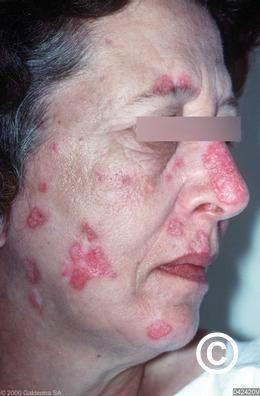
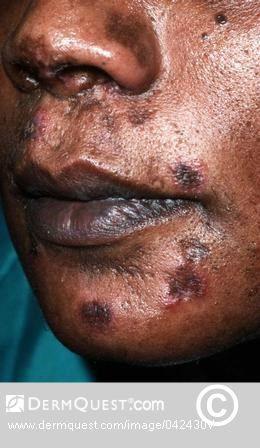
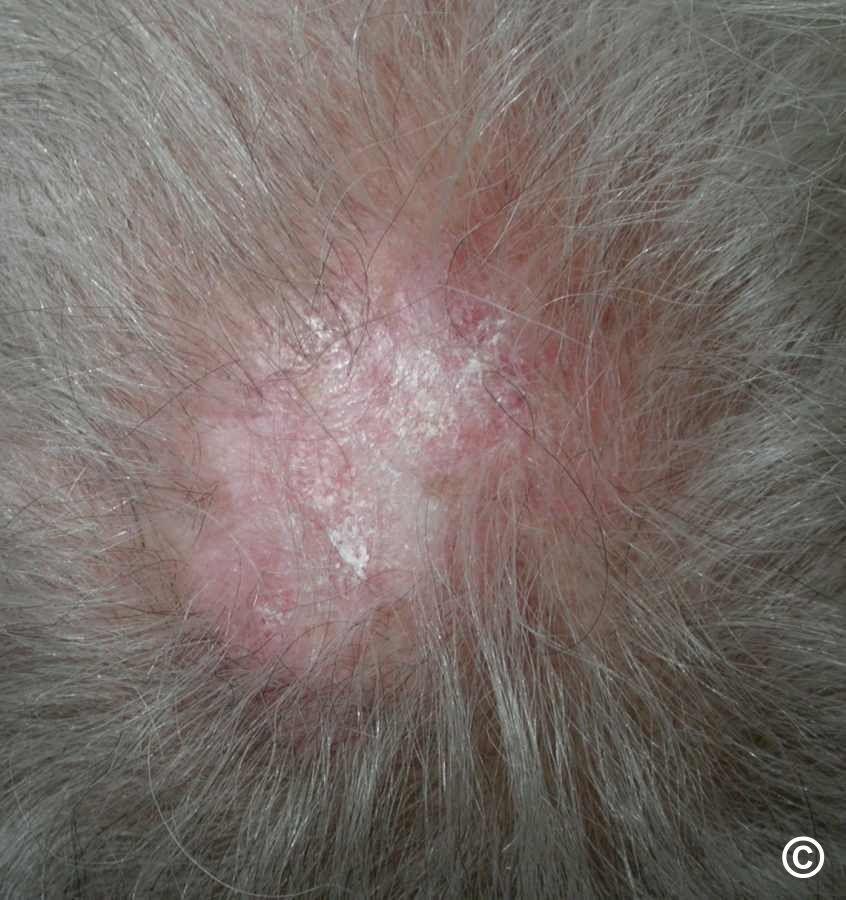
Discoid lupus erythematosus (DLE) is the most common form of cutaneous lupus erythematosus, which is usually confined to the skin and is not commonly associated with symptoms from other organs. DLE is characterised by persistent, localised, red-pink or dark, scaly areas of affected skin most often on the head and neck. Less often the skin changes can be more generalised. Uncontrolled, DLE causes permanent skin damage such as scarring, darker or lighter pigment changes, and sometimes hair loss.
Occasionally the affected areas of skin can be uncomfortable or itchy. In most cases, DLE is confined to the skin with no effect on general health, although some people develop Raynaud’s phenomenon (pain and colour changes in the fingers and/or toes in the cold) or perniosis (chilblains).
Patients with DLE can be divided into localised and generalised:
The skin changes consist of:
DLE is an autoimmune disease, in which the body’s natural defence system can’t tell the difference between your own cells and foreign cells, causing the body to mistakenly attack normal cells
It is thought that a combination of environmental factors and genetics most likely contribute to the development of DLE.
DLE is more common in females, and in patients from particular ethnic groups, being slightly more common in African Americans than in whites or Asians. Although DLE is uncommon in children, onset at a young age increases the risk of progression to systemic lupus erythematosus (SLE).
Some families may carry genes that increase the risk of developing DLE; however, it is not entirely clear how the affected genes do this, or to what degree they influence the disease.
Environmental factors that may increase the risk of DLE or make it worse include exposure to sunlight, stress, infection, smoking, and trauma.
Rarely, DLE can be caused by drugs (e.g. anti-TNF inhibitors).
The two most importing things are related to smoking and UV-protection.
If you smoke, we strongly recommend that you stop. Smoking tends to make DLE worse and may result in a poorer response to treatment.
The most important UV protective measures are:
In the majority of cases you will need to be referred to a specialist, who could be a dermatologist or a GPwER/GPwSI (a GP who has been trained in relevant areas of dermatology).
In most cases it is necessary to take a small sample of skin (a biopsy) to be examined under a microscope in order to confirm the diagnosis. Other tests may be performed including blood and urine tests.
DLE can have a significant psychological impact and may affect many areas of daily life including work and personal relationships. If you require support with your mental health, then discuss this with a healthcare professional (see additional support below in the section on other resources).
50% of DLE patients achieve complete resolution over many years. The prognosis (outcome) is worse if associated with Raynaud’s phenomenon, chilblains, or hair loss.
There are two patient support groups that can help with DLE:
If you, a family member, or friend have an undiagnosed skin condition; or you want to learn more about how to treat skin conditions, please view our short video on how to get the best from this website.
Disclaimer - the author PCDS cannot accept responsibility for any misleading or incorrect statements, and the management of individual patients remains the direct responsibility of the individual doctor. We do however hope that visitors to this site can contact us regarding comments that are considered misleading or incorrect so that we can continue to improve the site.
Image Rights - The PCDS would like to thank Dermatoweb, DermQuest (Galderma), and others who have contributed images. All named individuals and organisations maintain copyright for the relevant images.
The following pharmaceutical companies have had no involvement in the content of this website or in our conference programmes