LAST UPDATED: Jan 31, 2025

https://pcds.org.uk/patient-info-leaflets/perioral-dermatitis
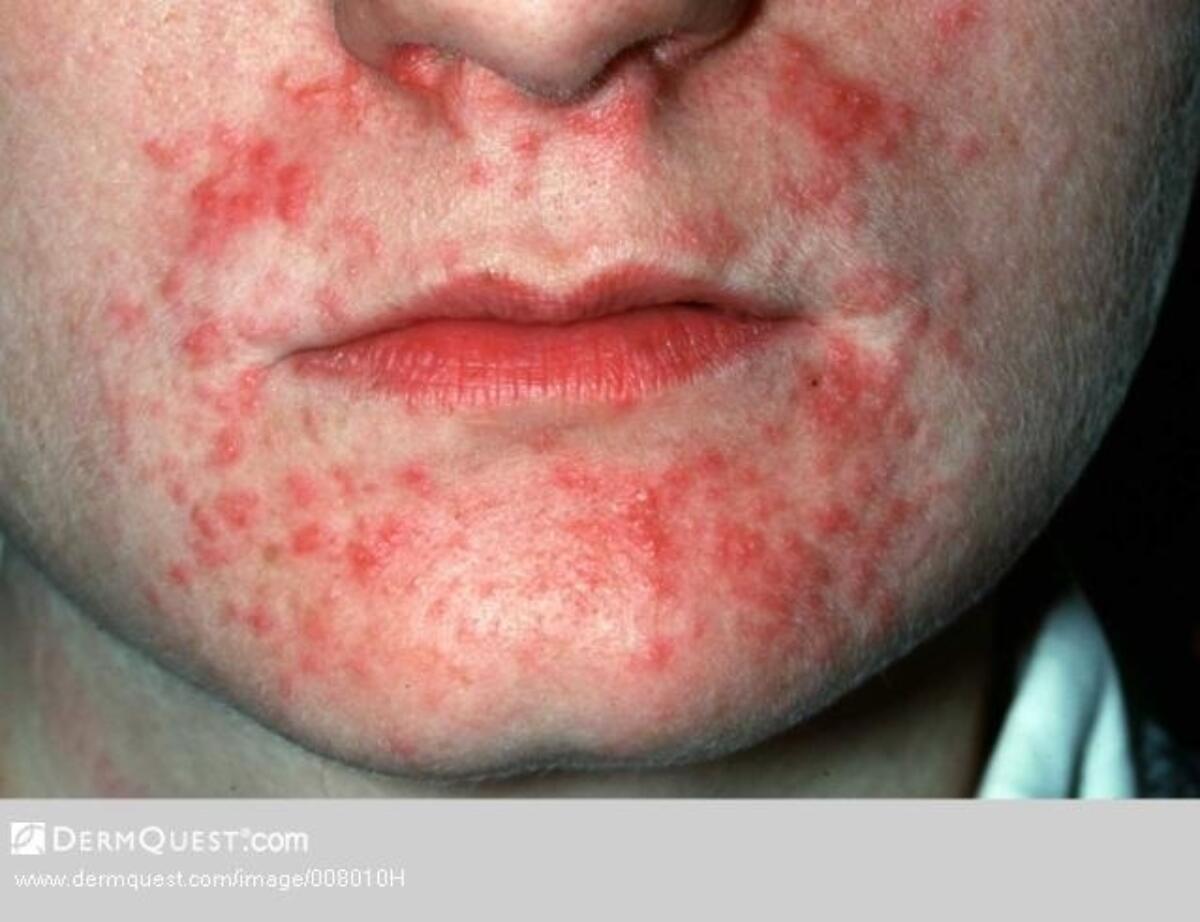
Perioral dermatitis is a common skin rash affecting the skin around the mouth and sometimes the eyes. It occurs most commonly in women aged between 15 and 45 years. While perioral means 'around the mouth' the condition is inaccurately named, as dermatitis refers to eczema, which it is not.
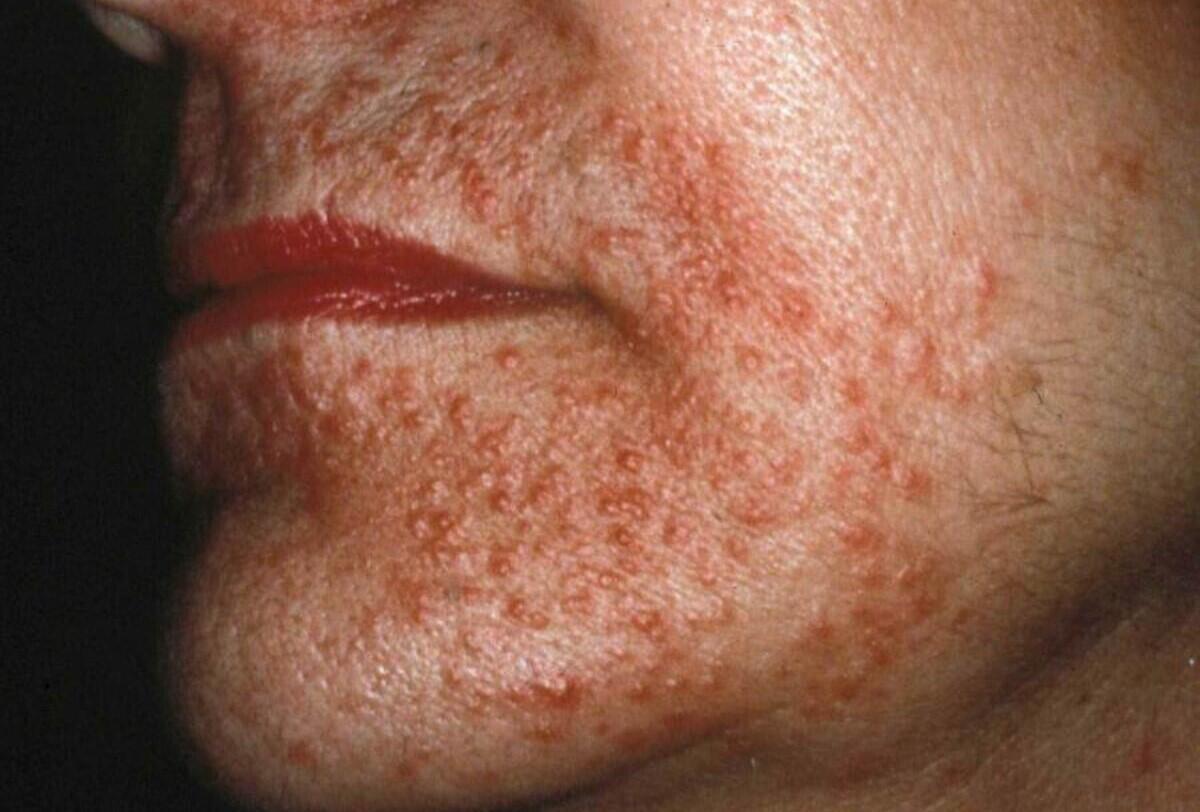
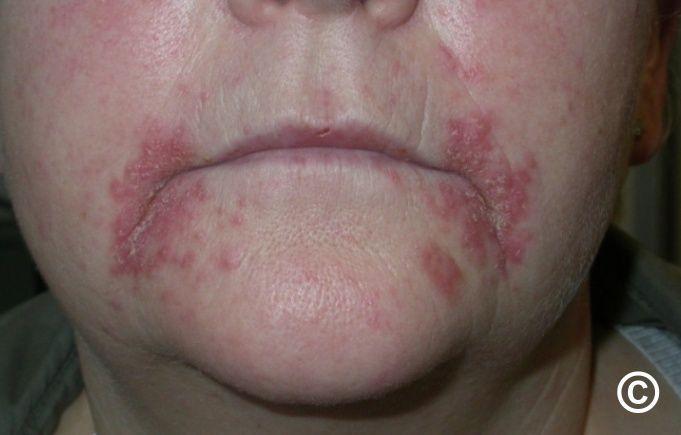
Many similar looking small red spots, some with a white head. Spots mainly occur around the mouth (perioral dermatitis), but sometimes they can affect around the eyes (periocular dermatitis). The spots can occasionally affect several areas of the face (periorofacial dermatitis), but not the cheeks or forehead. The skin around the bottom of the nose can be pink-red (erythematous).
Perioral dermatitis can be itchy.
The exact cause is unknown.
Certain topical treatments (creams, gels, or ointments applied to the skin) can make perioral dermatitis worse:
Nasal steroids (sprays used in the nose), steroid inhalers (for conditions such as asthma), and steroid tablets may also make perioral dermatitis worse.
If your skin is not improving despite the recommendations above, then make an appointment to see a health professional.
Treatment options may include antibiotic tablets, often for an initial period of 6 weeks, or topical treatments (applied directly to the skin) if the spots are less troublesome.
The main reason for referring to a specialist is if the diagnosis is unclear. You will be referred to a specialist, who will be either a Dermatologist or a GPwER/GPwSI (a GP who has been trained in relevant areas of dermatology).
The appointment may be face-to-face (the person attends the clinic), or a video call (teledermatology).
If you, a family member, or friend have an undiagnosed skin condition; or you want to learn more about how to treat skin conditions, please view our short video on how to get the best from this website.
Disclaimer - the author PCDS cannot accept responsibility for any misleading or incorrect statements, and the management of individual patients remains the direct responsibility of the individual doctor. We do however hope that visitors to this site can contact us regarding comments that are considered misleading or incorrect so that we can continue to improve the site.
Image Rights - The PCDS would like to thank Dermatoweb, DermQuest (Galderma), and others who have contributed images. All named individuals and organisations maintain copyright for the relevant images.
The following pharmaceutical companies have had no involvement in the content of this website or in our conference programmes