LAST UPDATED: Jan 31, 2025
Rosacea is a long-term skin condition mainly affecting the central face often starting between the age of 30-60 years old. Although rosacea can affect anyone, it is more common in women and those with lighter skin. The severity of rosacea tends to fluctuate.
Rosacea, which may feel sore, mainly affects the cheeks, forehead, chin, and nose.
There are several types of rosacea, which is important, as they respond to different treatments. Some people have more than one type.
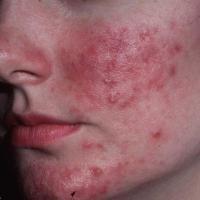
Inflammatory rosacea - small bumps (papules) and pus-filled spots (pustules).
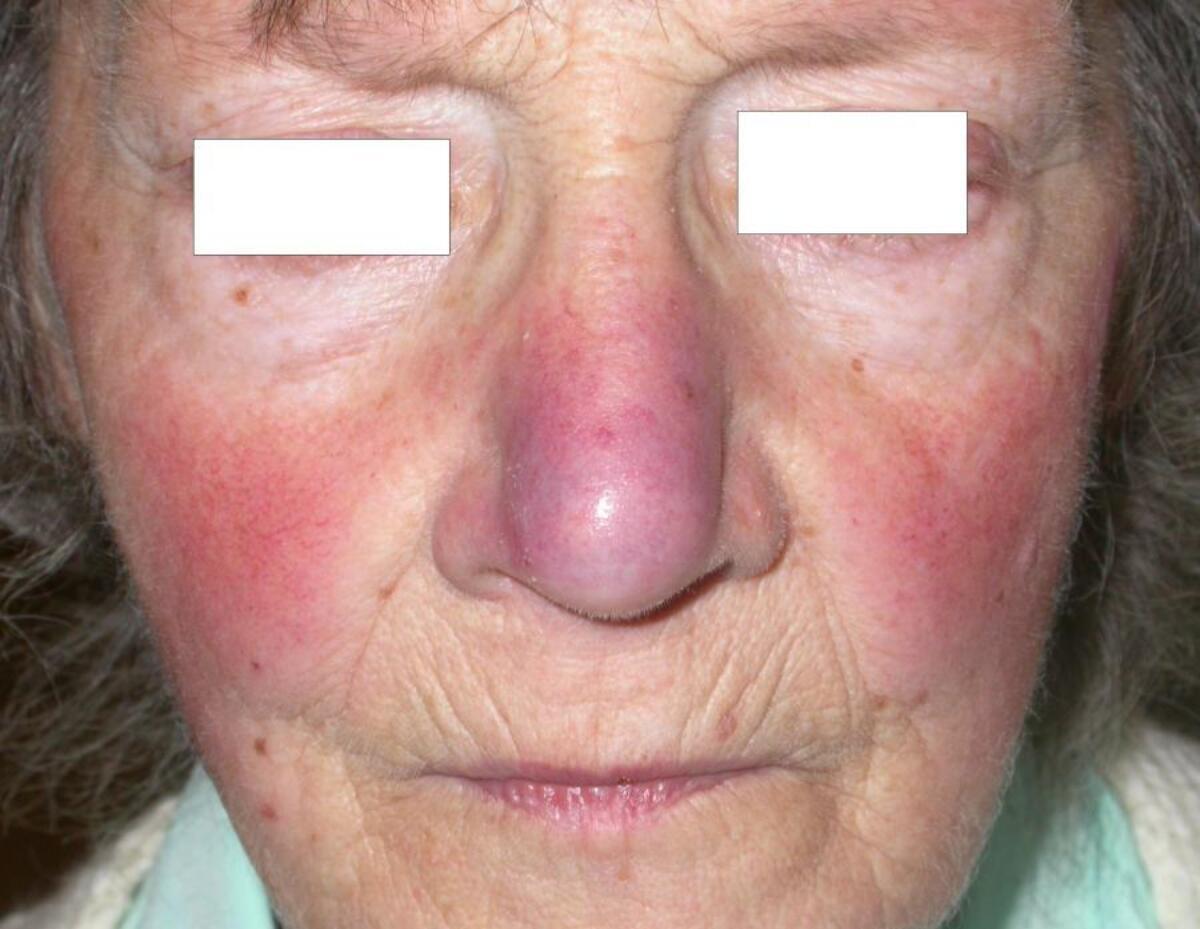
Vascular rosacea - frequent flushing/blushing. A red face (erythema) and/or prominent bloods vessels (telangiectasia). The redness is more difficult to see in skin of colour. This type of rosacea does NOT respond to any form of antibiotic.
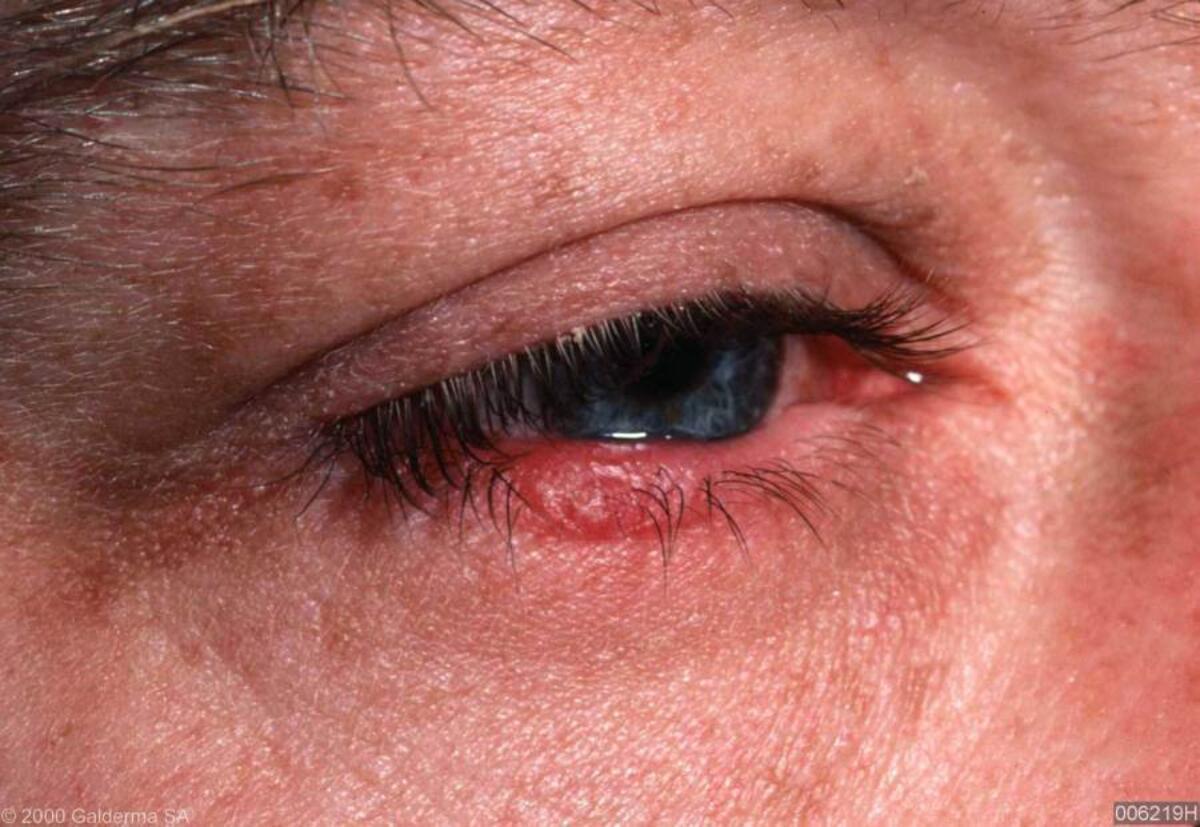
Ocular rosacea (sometimes called blepharitis) - sore red eyes with crusting around the eyelashes. A few patients develop more serious eye problems, such as inflammation involving the front part of the eye (rosacea keratitis) causing painful blurred vision.
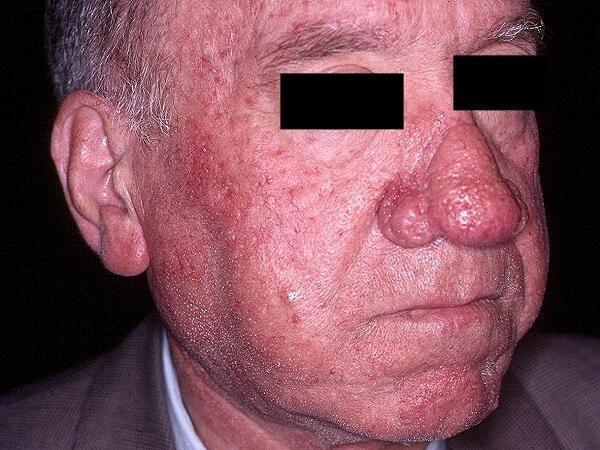
Rhinophyma - thickened skin on the nose.
The cause is uncertain. One factor in some patients is the mite Demodex folliculorum; this is found on the skin of all humans, although frequently occurs in greater numbers in those with rosacea. Despite of this, rosacea is not contagious (i.e. cannot be passed onto someone else).
The following triggers affect some people with rosacea:
Rosacea is not caused by poor hygiene.
If you know that a trigger, for example alcohol or spicy food, makes symptoms worse, try to avoid it as much as possible. If the rosacea is made worse by the sun, then wear a sunscreen of at least SPF 30.
Avoid soap. Use an unperfumed moisturiser on a regular basis if your skin is dry or sore. Avoid steroid creams as these will make rosacea worse.
If you have sore eyes (blepharitis) clean your eyelids at least once a day and take advice from your pharmacist who can recommend eye drops. If you suddenly develop a painful red eye (rosacea keratitis), which may affect your vision, you must report this immediately to a health professional as urgent treatment may be needed to prevent long-term damage to your eye. Fortunately, keratitis is uncommon.
Take steps to manage stress.
Although there is no cure for rosacea, if you need help there are various treatments that can be prescribed. Treatment options provided by your GP include topical treatments (applied directly to the skin), and oral antibiotics (taken by mouth). Treatment choice depends on the type of rosacea:
Follow this link for specific information on these treatments.
Rosacea can have a significant psychological impact and may affect many areas of daily life including work and personal relationships. If the rosacea is affecting your mental health, you should discuss this with a heath professional.
If your rosacea is not responding adequately to treatment you may need to be referred to a specialist who will be either a Dermatologist or a GPwER/GPwSI (a GP who has been trained in relevant areas of dermatology). One of the treatments sometimes used to treat inflammatory rosacea is called Isotretinoin.
The appointment may be face-to-face (the person attends the clinics), or a video call (Teledermatology).
Cosmetic makeup can help some patients camouflage rosacea. Camouflage therapy is offered by Changing Faces (www.changingfaces.org), though some NHS hospital departments may also offer this.
If you, a family member, or friend have an undiagnosed skin condition; or you want to learn more about how to treat skin conditions, please view our short video on how to get the best from this website.
Disclaimer - the author PCDS cannot accept responsibility for any misleading or incorrect statements, and the management of individual patients remains the direct responsibility of the individual doctor. We do however hope that visitors to this site can contact us regarding comments that are considered misleading or incorrect so that we can continue to improve the site.
Image Rights - The PCDS would like to thank Dermatoweb, DermQuest (Galderma), and others who have contributed images. All named individuals and organisations maintain copyright for the relevant images.
The following pharmaceutical companies have had no involvement in the content of this website or in our conference programmes