Seborrhoeic keratoses

LAST UPDATED: Jan 31, 2025

Patient Information Leaflet
Link: Seborrhoeic keratoses

https://pcds.org.uk/patient-info-leaflets/seborrhoeic-keratoses

What are seborrhoeic keratoses?

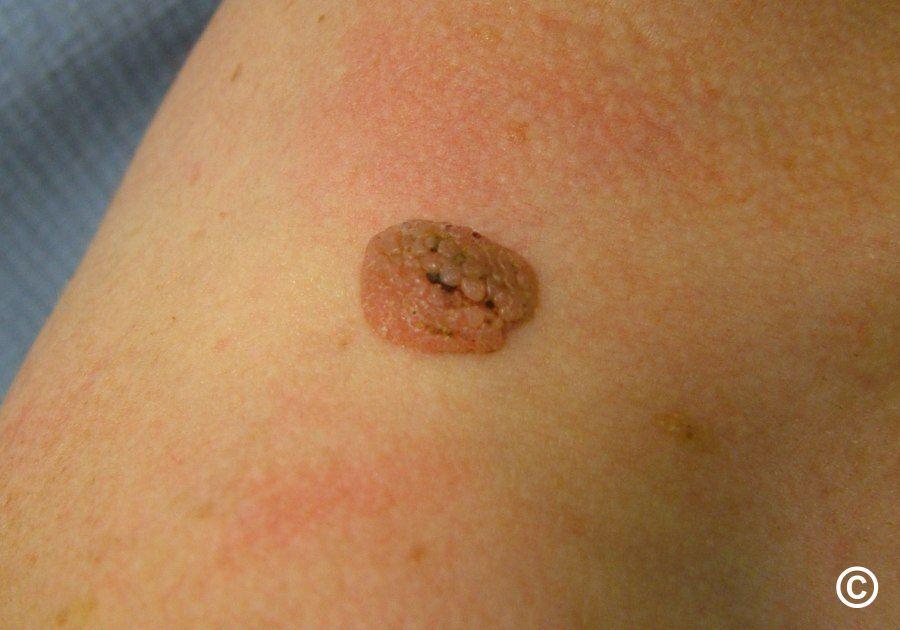
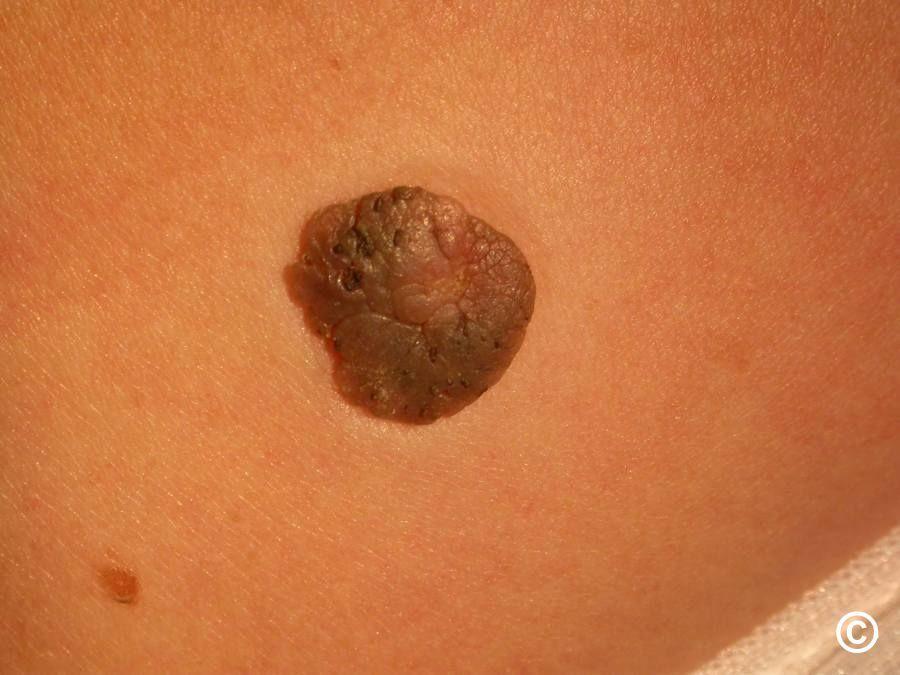
Seborrhoeic keratoses (seb K), also known as seborrhoeic warts and basal cell papillomas, are benign (harmless) growths caused by a build-up of skin cells. They cannot turn into skin cancer.

Seb K are extremely common; almost everyone older than 50 has at least one, some people have many more. Seb K are uncommon under the age of 20 years.
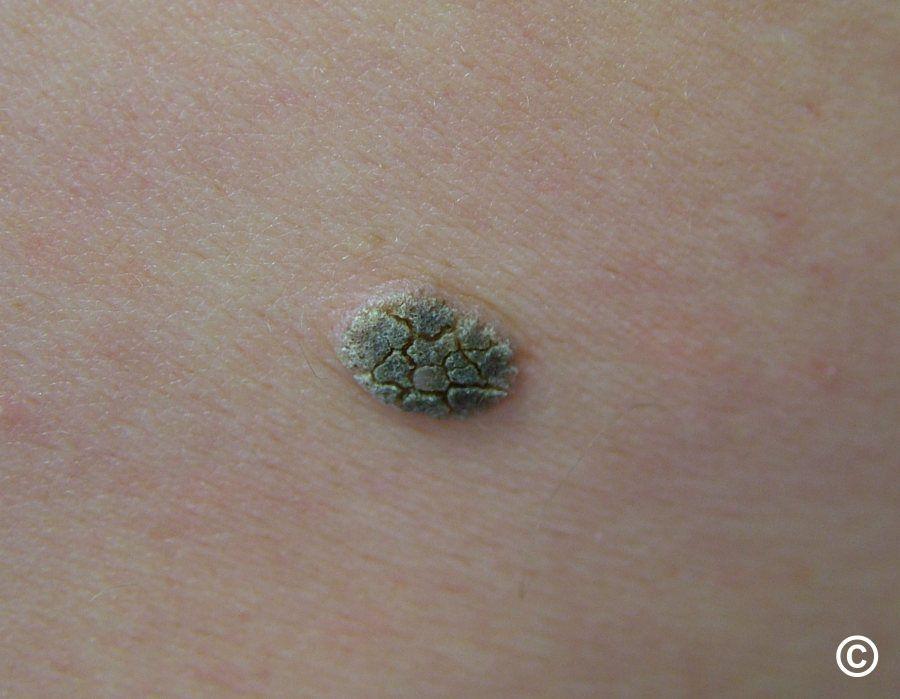
What do seborrhoeic keratoses look and feel like?

  • Often multiple but can be solitary. May be grouped in certain areas such as under the breasts and in the groin
  • Vary in size from a few mm to several cm
  • Often brown/black, but can be skin-coloured or pink
  • Raised, often with a crusty/warty surface, but can be smooth or waxy to the touch
  • Can feel itchy, and may be easily traumatised e.g. by catching on clothing or jewellery and bits can drop off or they may bleed. Any inflammation (redness) should settle within a few weeks

What causes seborrhoeic keratoses?

The cause is not known. Seb K are nothing to do with sebaceous (oil) glands or viral warts. They are not infectious (i.e. cannot be passed from one person to another). In people with a large number of seb K there can be a hereditary component (i.e. another family member may also have many seb K). Skin friction may be the reason they appear in body folds.

Things you can do to help yourself

  • Diet and other lifestyle changes will not make a difference. Applying a regular emollient (moisturiser) may help, particularly if a seb K is itchy
  • Learn what skin cancer looks like - for more information please refer to the advice page Self-examination of Moles

Make an appointment at your GP surgery

Most seb K do NOT need treatment. Even if they grow, they cannot turn into skin cancer. The only reasons for contacting your GP surgery are:

  • If one or more of the seb K catch and bleed on a persistent basis, in which case treatment may be offered
  • If you develop a skin lesion that looks different to the others i.e. an 'ugly duckling' 

Treatment for seborrhoeic keratoses

  • Most seb K do not need treatment
  • Those that catch and bleed repeatedly may be treated by freezing with liquid nitrogen (cryotherapy), or scraping off (curettage) using local anaesthetic
  • Even with treatment, seb K can grow back
  • Seb K cannot be treated on the NHS for cosmetic reasons

Can seborrhoeic keratoses be cured?

  • Seb K usually persist, and you may develop more – you cannot prevent new ones from growing

Helping with other skin conditions

If you, a family member, or friend have an undiagnosed skin condition; or you want to learn more about how to treat skin conditions, please view our short video on how to get the best from this website.

Disclaimer - the author PCDS cannot accept responsibility for any misleading or incorrect statements, and the management of individual patients remains the direct responsibility of the individual doctor. We do however hope that visitors to this site can contact us regarding comments that are considered misleading or incorrect so that we can continue to improve the site.

Image Rights - The PCDS would like to thank Dermatoweb, DermQuest (Galderma), and others who have contributed images. All named individuals and organisations maintain copyright for the relevant images.

Download the Patient Information Leaflet PDF

Download

The following pharmaceutical companies have had no involvement in the content of this website or in our conference programmes

Almirall
Galderma
Glenmark
Johnson & Johnson
La Roche-Posay
LEO Pharma
Pierre Fabre
Schuco