Balanitis
LAST UPDATED: Oct 05, 2024
Introduction
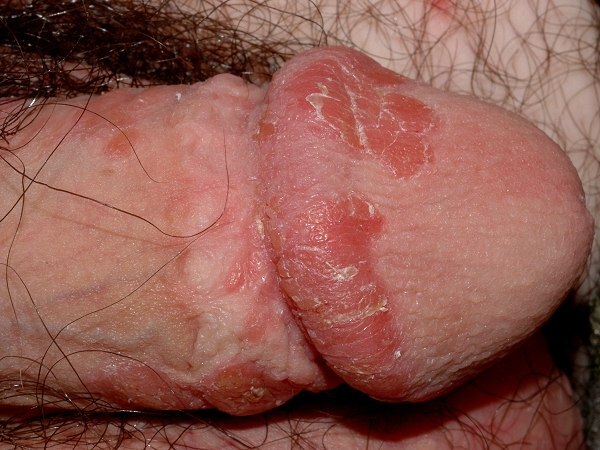
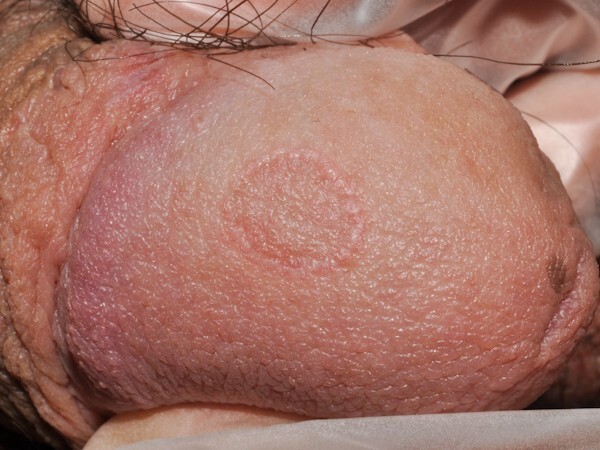
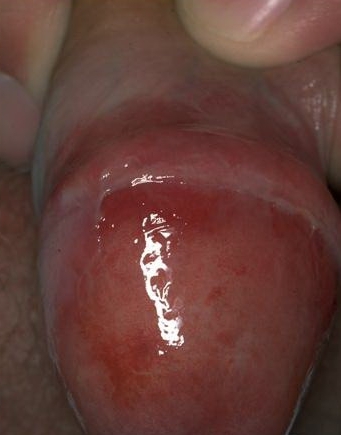
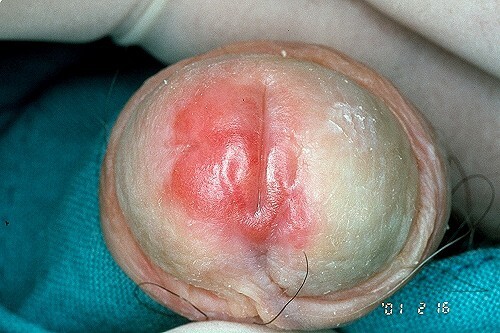
Balanitis is inflammation of the glans penis (head of the penis). It is a common condition that predominantly affects uncircumcised males, and as such the inflammation frequently involves the foreskin.
This chapter is set out as follows:
Aetiology
-
Uncircumcised men with poor personal hygiene are most affected by balanitis
-
Mechanical or chemical irritation
-
Mechanical irritation in boys, repeatedly playing with their foreskin
-
Chemical irritation from urine, soaps and other irritant substances
-
Infection
-
Candida, which is more common in people with diabetes or who have recently taken antibiotics
-
Bacterial infection eg streptococci
-
Anaerobic infection
-
Sexually transmitted infections
-
Inflammatory dermatoses
-
Eczema can cause significant inflammation of the glans penis or any part of the genital skin
-
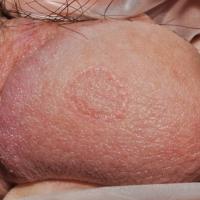
Psoriasis tends to cause small scaly lesions that can affect any part of the genitalia, as opposed to a true balanitis
- Lichen sclerosus - see notes below
-
Classical lichen planus most commonly causes annular lesions on the glans penis, it rarely causes significant inflammation/ulceration in men
History
-
Symptoms can include itch, pain, swelling, discharge, a tight foreskin ie phimosis, and in more severe cases difficulties with urination or sexual function
Clinical findings
General features of balanitis
-
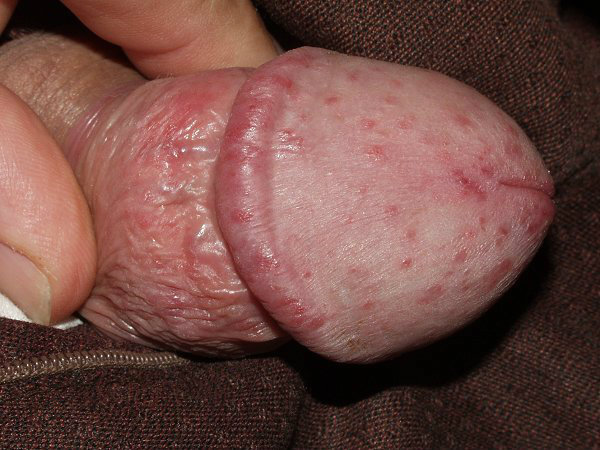
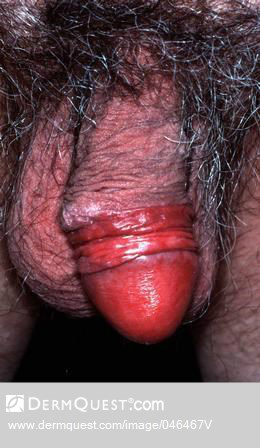
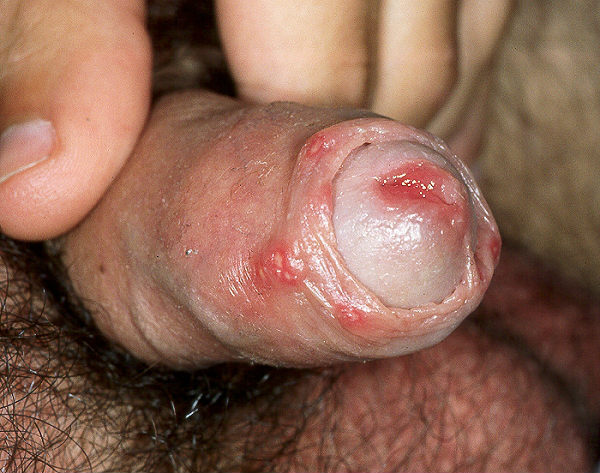
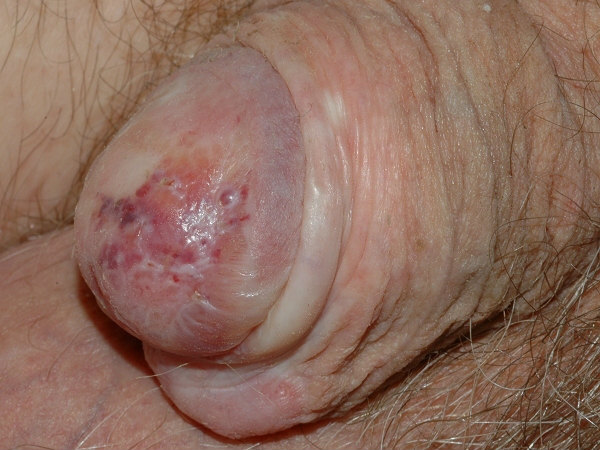
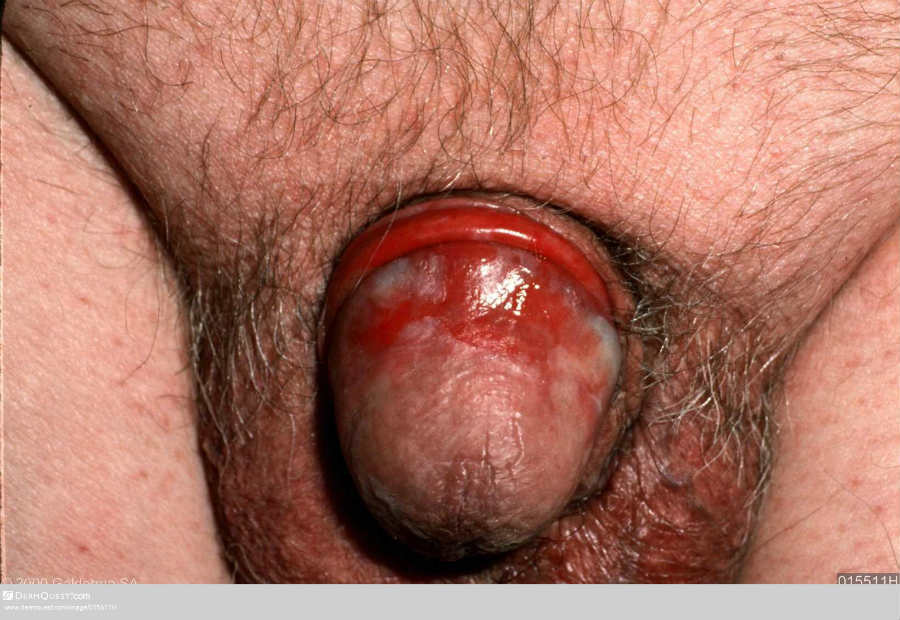
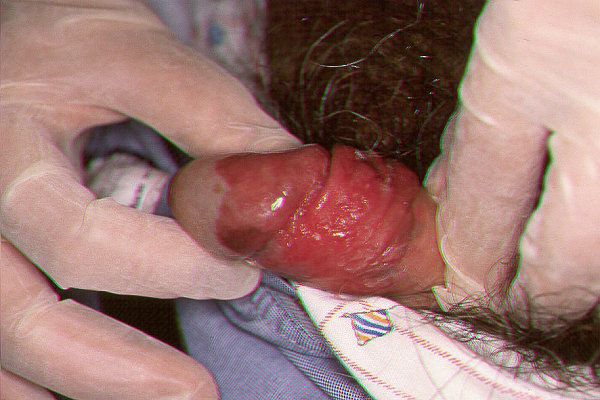
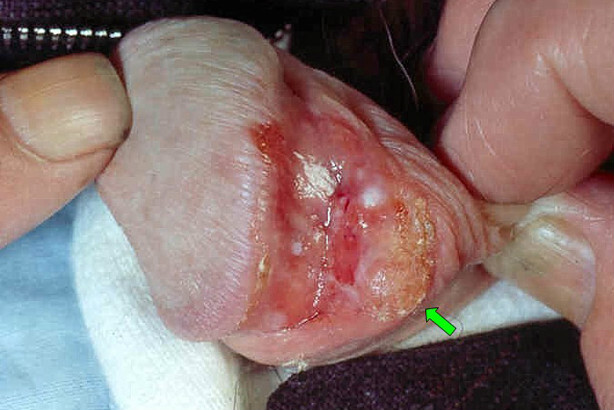
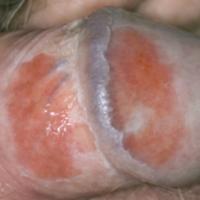
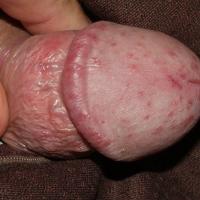
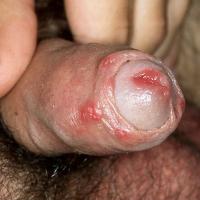
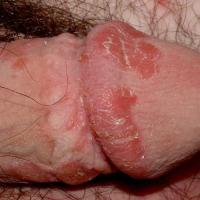
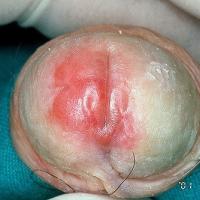
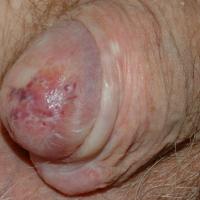
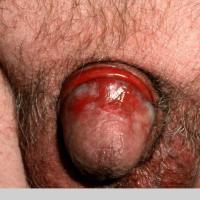
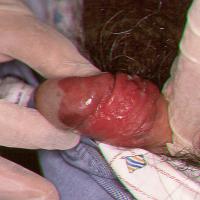
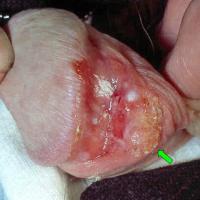
The clinical features vary depending on the cause but can include:
-
Erythema
-
Oedema
-
A white surface coating may be seen in candida
-
Discharge
-
Phimosis (uncommon)
-
Signs of urinary obstruction (rare) - meatal stenosis, ballooning of the foreskin when voiding, bladder distension
Other conditions to consider where there are persistent and recalcitrant (poor response to treatment) skin / mucosal changes
-
Lichen sclerosus
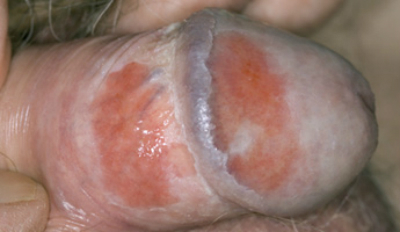
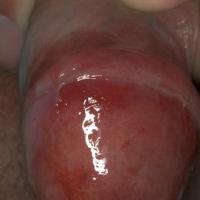
Usually presents with a white, sclerotic ring at the edge of the prepuce or anywhere on the glans itself. Other signs include erythema; sometimes glistening (previously referred to as Zoon's balanitis), telangiectases, and sometimes purpura
Balanitis xerotica obliterans (BXO) is a term used to describe chronic, often progressive inflammation of the glans penis, which can lead to phimosis and urethral stenosis, affecting both urinary and sexual function. Lichen sclerosus is one of a number of conditions that causes BXO
-
Erythroplasia of Queyrat (carcinoma in situ) / squamous cell carcinoma
-
Erythroplasia of Queyrat - single or multiple, non-tender, red, shiny patches or plaques of the ‘mucosal’ penis ie the glans and prepuce of the uncircumcised
-
Squamous cell carcinoma - can cause an irregular nodular and/or ulcerative morphology
-
For more information refer to the chapter Penile intraepethilial neoplasia
Clinical Images
Please refer to notes on image rights at bottom of the page with regards to individual image
ownership.
1
2

3
4
5
6
7
8
9
10
11
12
Investigations
-
A swab may be required for microscopy and C&S
-
For many cases no further investigations are required - symptoms that respond well to topical treatments are generally reassuring, even if they recur
-
In persistent and recalcitrant (poor response to treatment) cases a biopsy is usually needed to look for lichen sclerosus, erythroplasia of Queyrat, and squamous cell carcinoma; a confident clinical diagnosis is not always possible or safe
Management
General measures
- The main aims of management are to make the skin more comfortable, minimise urinary and sexual dysfunction, and to exclude premalignant/malignant disease
- Advice should be given as follows:
- Keep the penis clean by washing it every day with water or with an antiseptic emollient (eg Dermol ® 500 lotion)
- Soaps and all other irritants should be avoided
- After washing, the penis should be patted dry
Infection
Inflammatory conditions - topical corticosteroids
-
Use an emollient cream if the skin is dry - patient preference is important
-
To reduce itch, discomfort or erythema treat with a mild topical steroid BD for several days, and on an intermittent basis, eg 1% hydrocortisone cream, Daktacort ® cream (hydrocortisone with miconazole), or Eumovate ® cream (clobetasone butyrate 0.05%)
-
If the inflammation recurs more frequently consider a non-steroid preparation eg Elidel ® (pimecrolimus) cream OD-BD
Recalcitrant symptoms ie those responding poorly to treatment
- If the 'balanitis' does not improve with the treatments referred to above then it is important to consider lichen sclerosus, penile intraepithelial neoplasia, and occasionally squamous cell carcinoma. Manage accordingly
Disclaimer - the author PCDS cannot accept responsibility for any misleading or incorrect statements, and the management of individual patients remains the direct responsibility of the individual doctor. We do however hope that visitors to this site can contact us regarding comments that are considered misleading or incorrect so that we can continue to improve the site.
Image Rights - The PCDS would like to thank Dermatoweb, DermQuest (Galderma), and others who have contributed images. All named individuals and organisations maintain copyright for the relevant images.